-
ADD: Building 2, No. 8 Hengzhutang Road, Dongguan
-
Phone: +86 135 4224 3751

Server
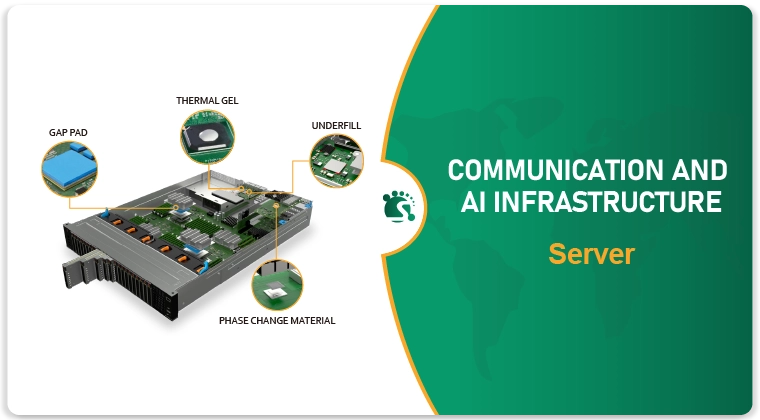
Servers and AI infrastructure generate concentrated heat from CPUs/GPUs, memory, VRMs, and power modules under 24/7 workloads. Poor heat transfer can cause throttling, reduced efficiency, and higher failure risk.
Thermal interface materials (TIMs) create low-resistance heat paths to heat sinks, cold plates, and chassis to: ① reduce hotspots and prevent throttling; ② improve long-term reliability; ③ support higher power density and stable performance.
Overview
Server (TIMs) Solutions
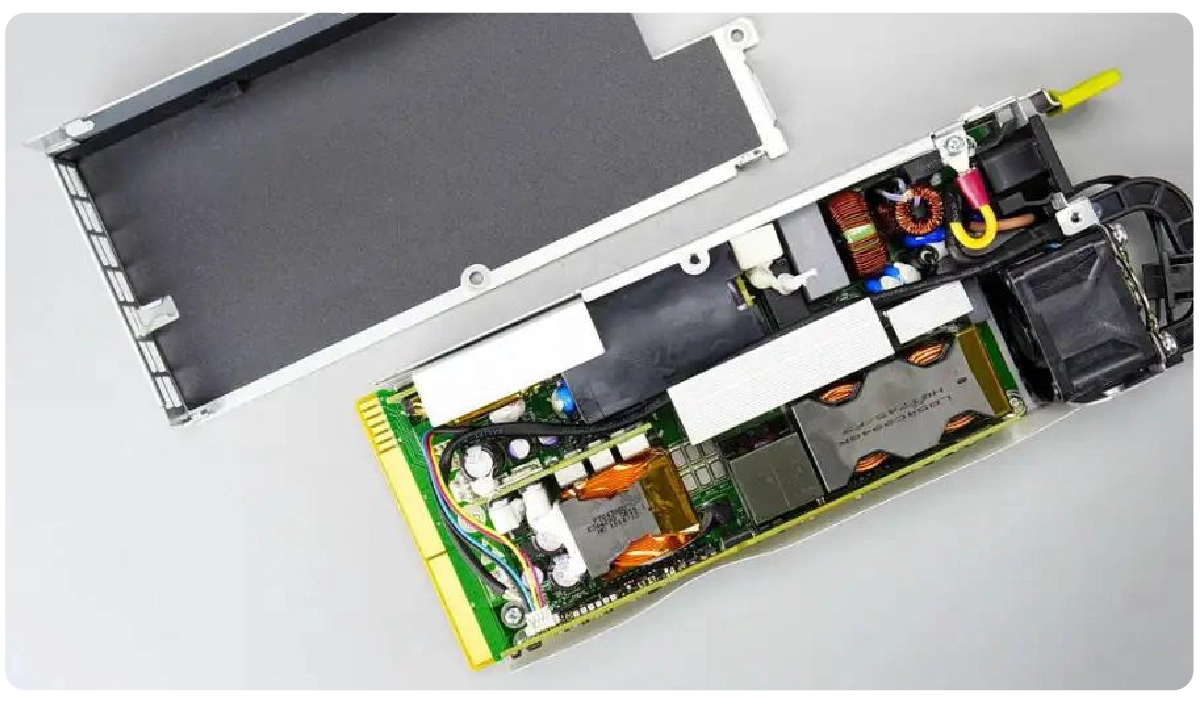
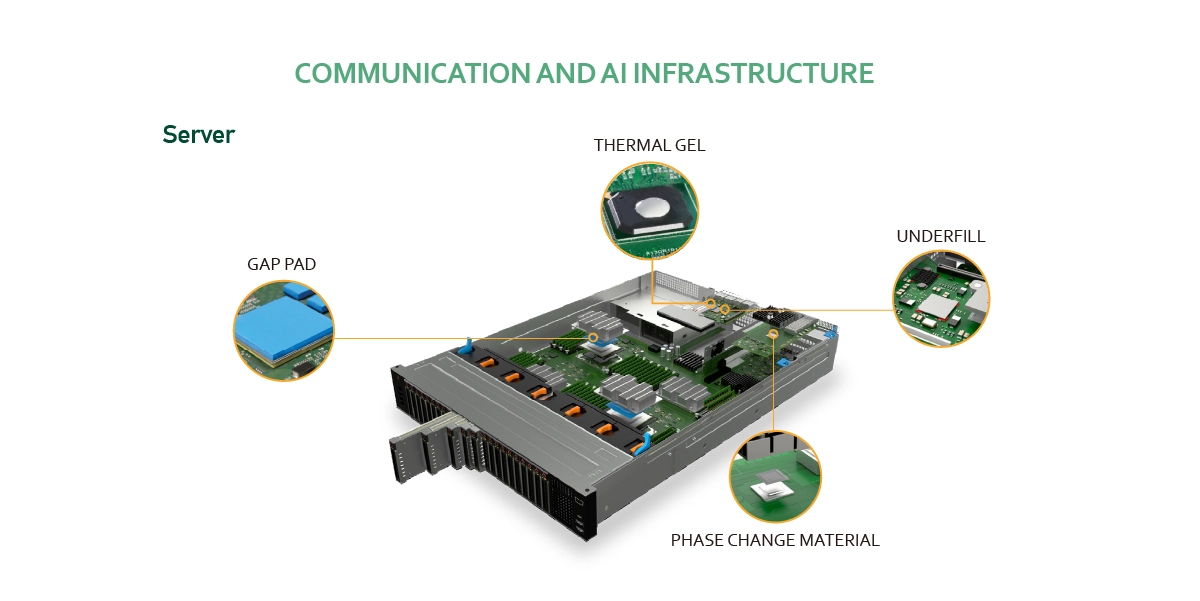
Modern servers and AI infrastructure run sustained, high-load workloads that generate concentrated heat from CPUs/GPUs, memory, VRMs, and power modules. If heat is not removed efficiently, systems may throttle, lose performance, and experience accelerated component aging.
Thermal interface materials (TIMs) create low-resistance heat paths to heat sinks or cold plates—supporting stable performance and higher power density.
Benefits
Thermal Materials for Data Center & AI Servers
Lower Hotspots on CPUs/GPUs
Efficient heat transfer to heat sinks or cold plates for stable, sustained compute performance.
Gap Filling for Complex Stack-Ups
Conformable materials bridge uneven surfaces—lower thermal resistance and consistent contact pressure.
Long-Term Reliability in 24/7 Operation
Options designed for thermal cycling help reduce aging and improve uptime.
Custom Converting + Fast Support
Custom thickness and die-cut parts for server layouts—rapid sampling for validation and production ramp.
Related Products
Discover product categories commonly used in this application. You can replace these cards with your own thermal materials, TIMs, foams, tapes, or soldering-related products.
Thermal Pads
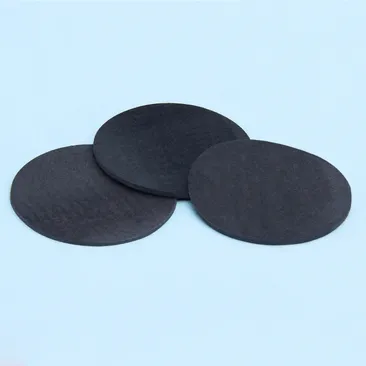
Soft, conformable thermal pads for gap filling and reliable heat transfer in electronics.
Browse ›
Thermal Grease
High-efficiency thermal grease solutions for CPUs, power modules, and industrial assemblies.
Browse ›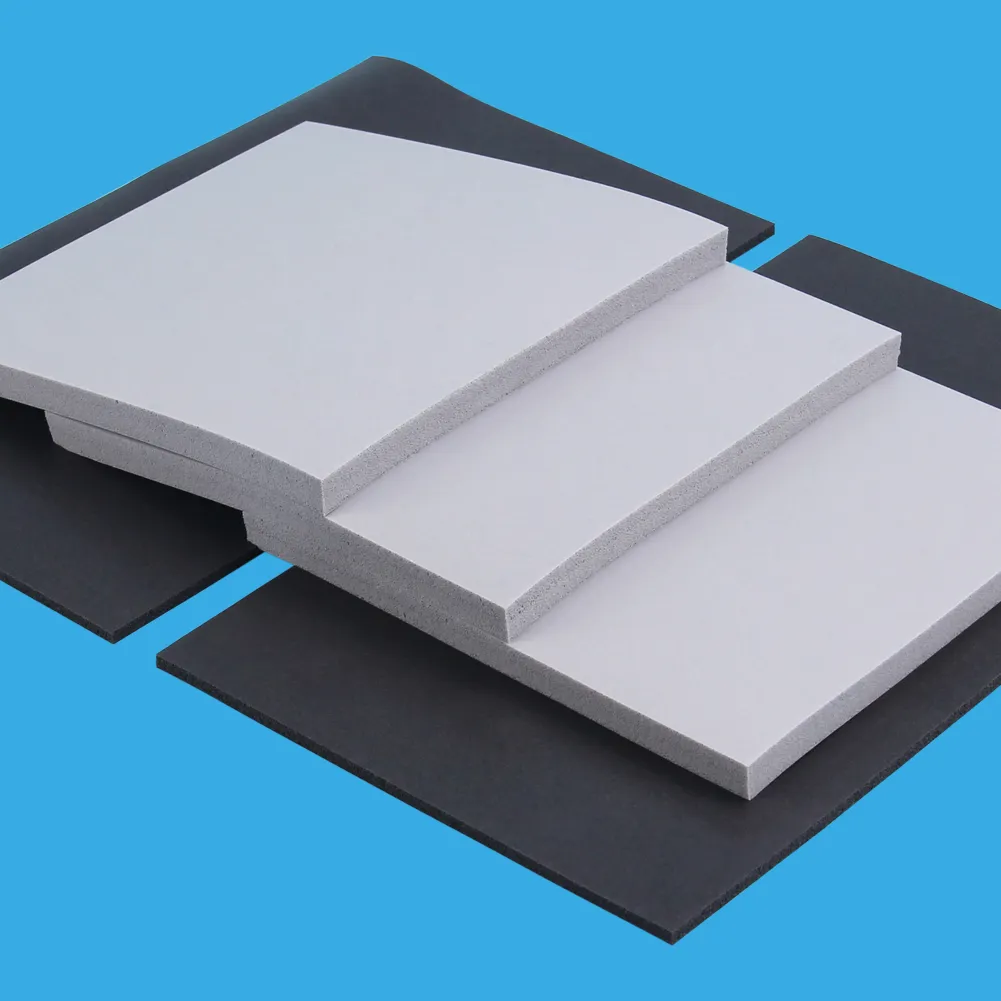
Silicone Foam
Foam materials for sealing, cushioning, insulation, and fire-barrier applications.
Browse ›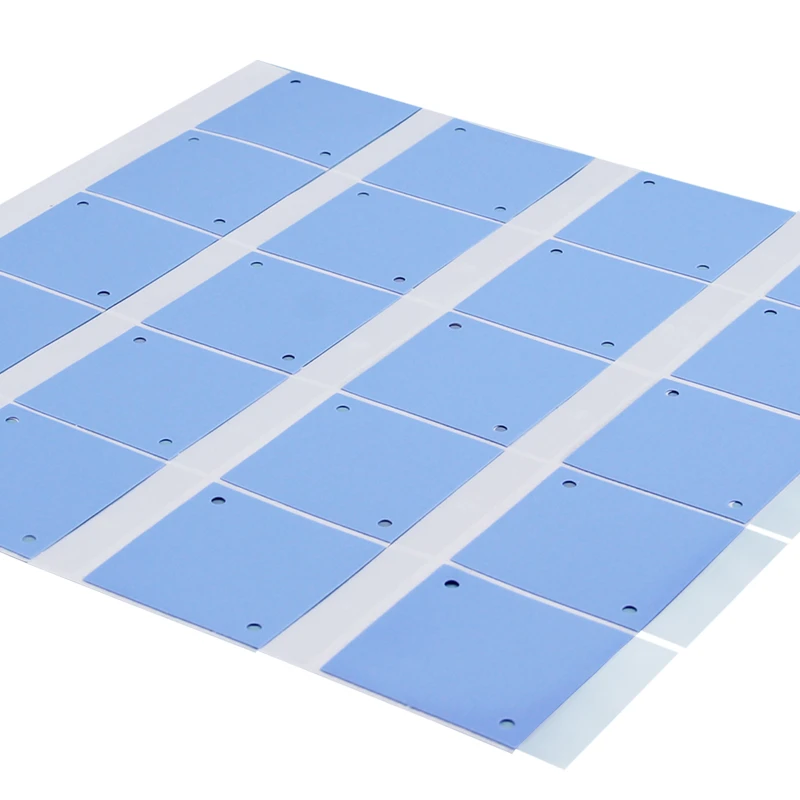
Thermal Tape
PSA laminated thermal tapes for fast assembly and consistent thermal interface bonding.
Browse ›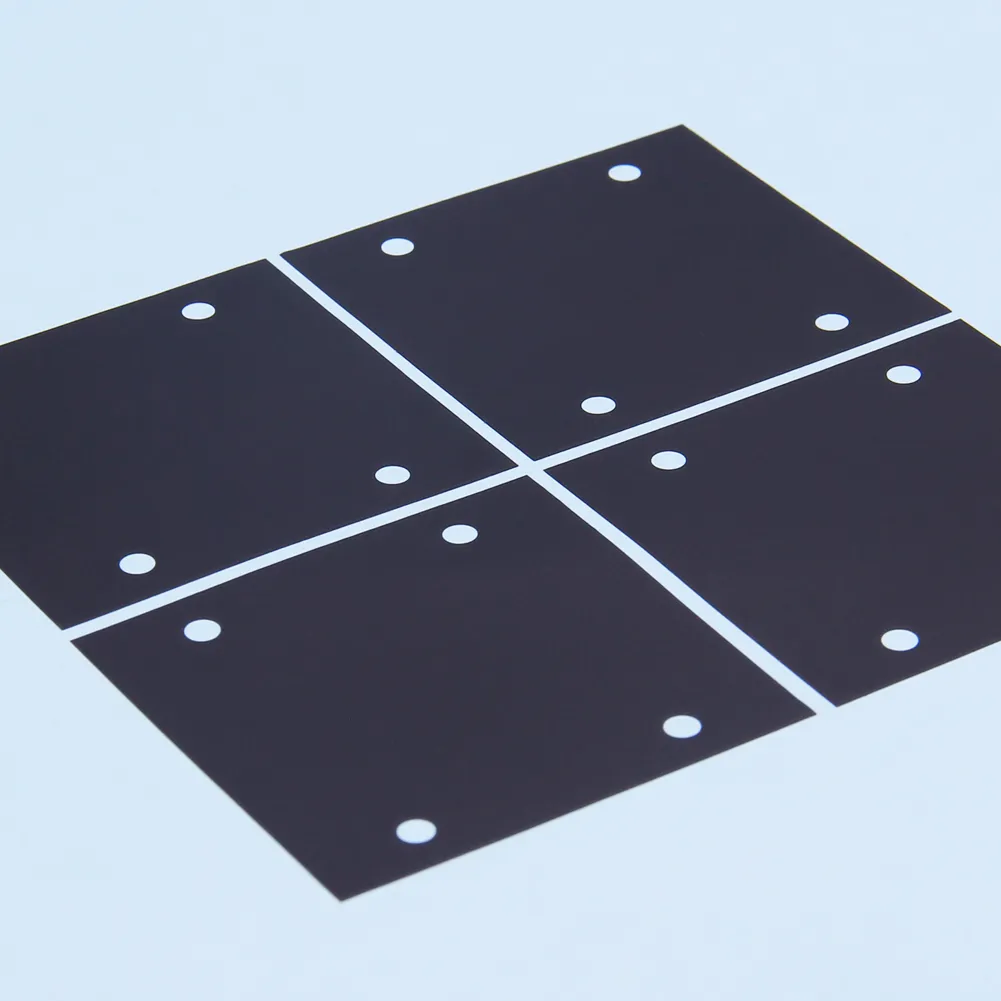
Graphite Sheet
High in-plane conductivity graphite materials for heat spreading in compact devices.
Browse ›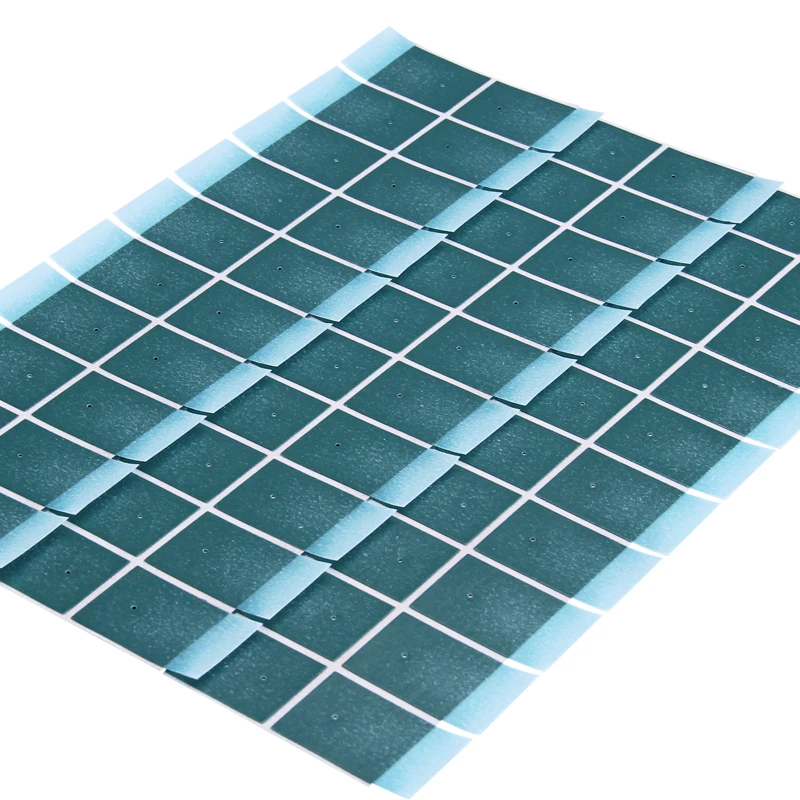
EMI Absorbers
EMI absorbing materials to reduce interference and improve signal integrity in electronics.
Browse ›Related Applications
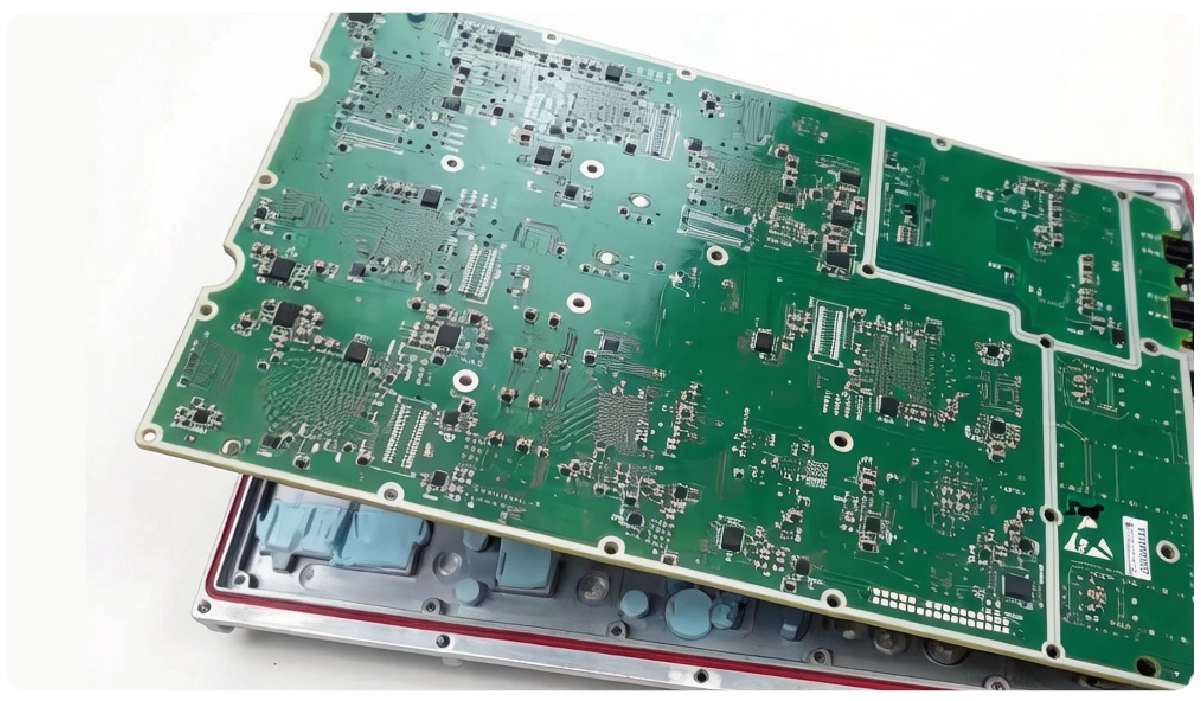
AI Server / GPU Acceleration
igh power density on GPUs/accelerators—TIMs support stable performance with efficient heat transfer to cold plates/heatsinks.
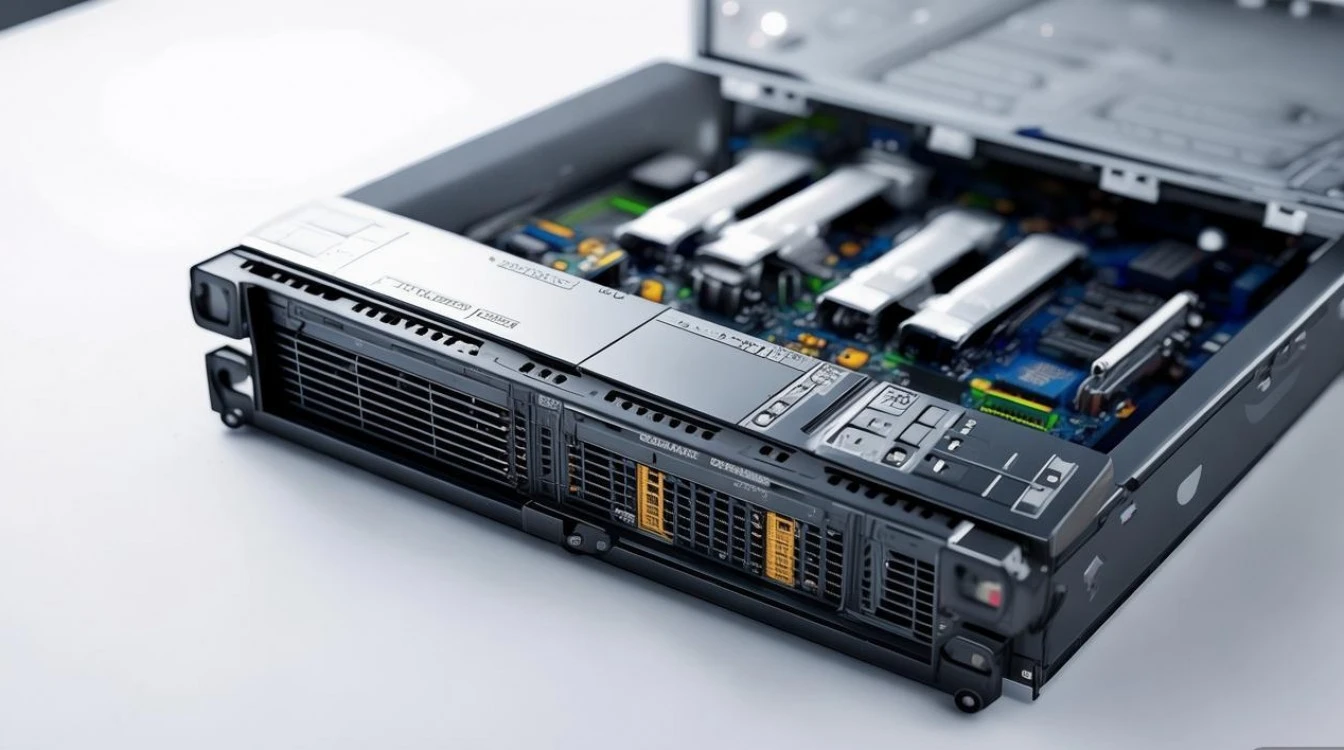
Data Center Infrastructure
24/7 operation demands thermal stability—reduce hotspots on CPUs/VRMs/memory for better uptime and reliability.
Telecom & Networking
Manage heat in compact RF and high-speed networking hardware—improve stability and long-term reliability.
Related Infrastructure Markets
Thermal interface materials for servers are also widely used across high-power computing and communications infrastructure—helping manage heat density and improve 24/7 reliability.


