-
ADD: Building 2, No. 8 Hengzhutang Road, Dongguan
-
Phone: +86 135 4224 3751

Router
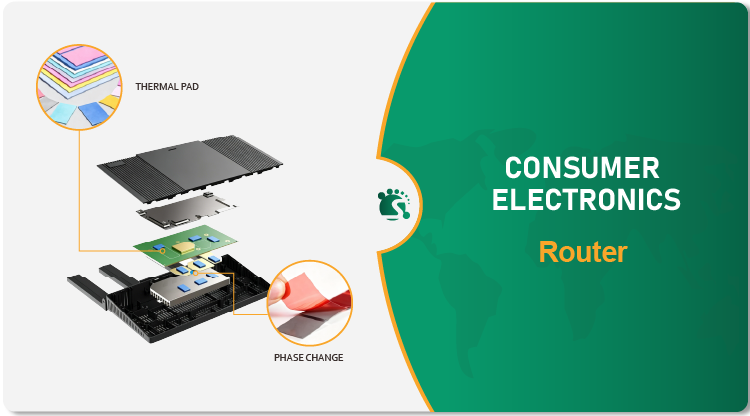
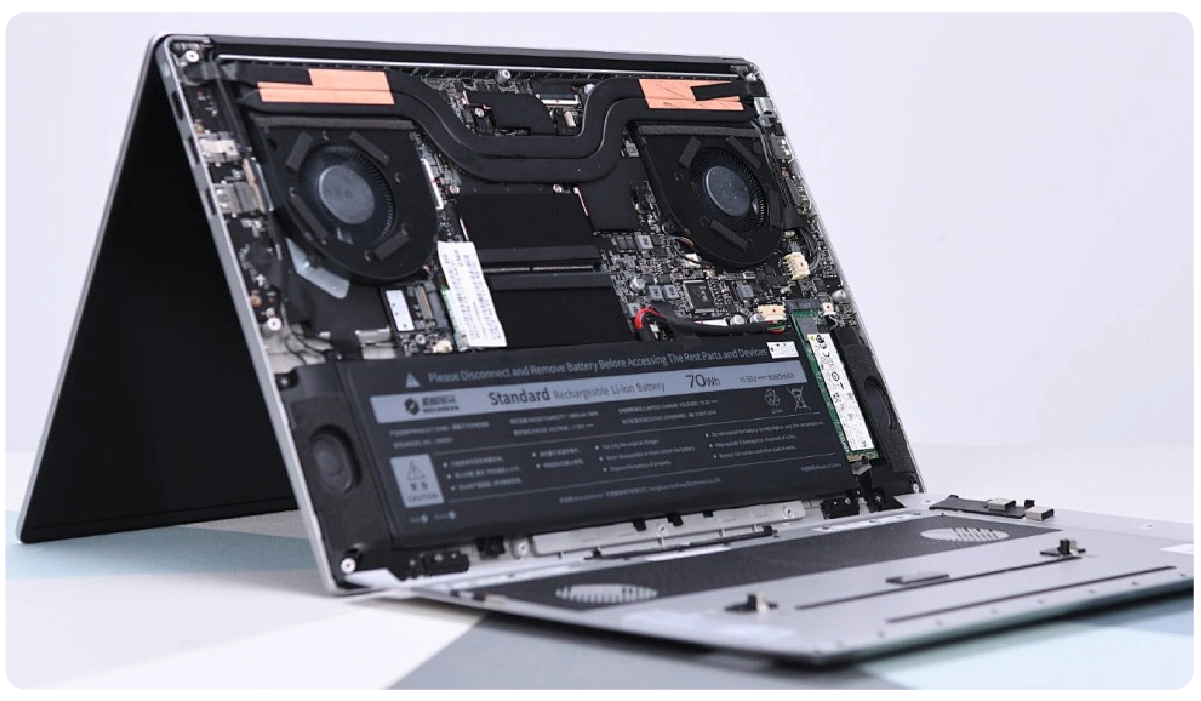
In consumer electronics, thermally conductive materials are used to construct stable, low-thermal-resistance heat conduction paths, efficiently dissipating heat generated by chips (CPU/GPU/SoC), power devices, and power modules to heat sinks or housings.
In devices such as routers, game consoles, laptops, mobile phones, and drones, this can achieve:
① reducing junction temperature, preventing throttling and crashes;
② improving overall system reliability and lifespan;
③ optimizing thermal management in thin and light structures;
④ improving surface temperature rise and user experience
⑤ suppressing hotspots, improving system stability and energy efficiency.

Overview
Router Thermal Interface Materials (TIMs) Solutions
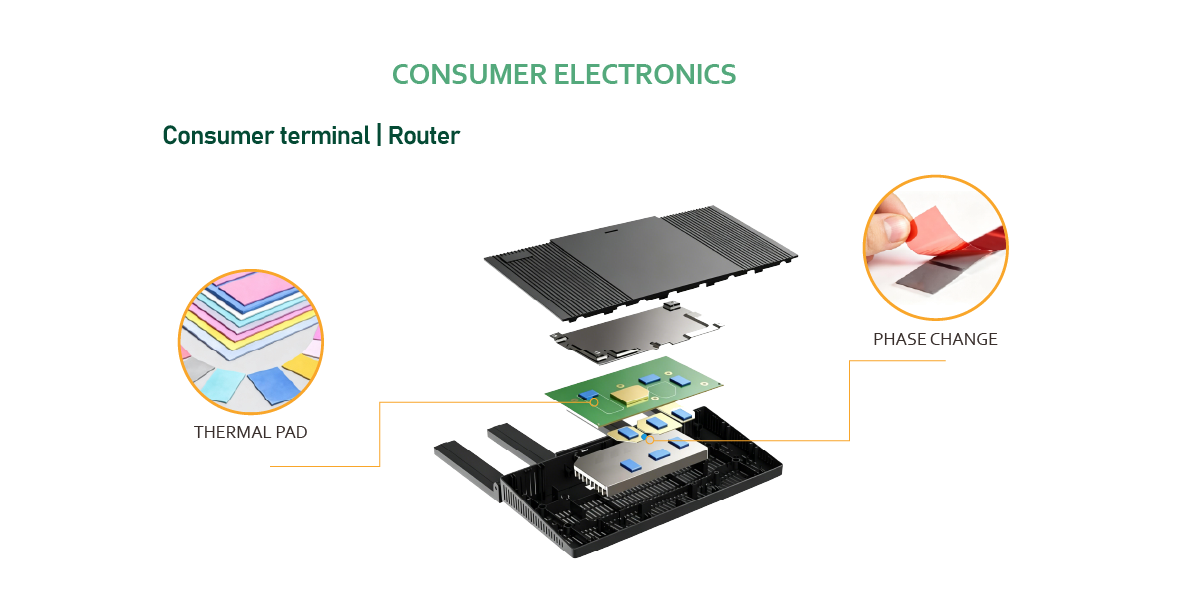
High-throughput routers and gateways generate hotspots at the SoC/CPU, Wi-Fi chipset, RF front-end/PA, and PMICs, which can impact throughput stability and RF performance.
Sheen TIMs—thermal pads (gap fillers), gels/greases, and phase change materials—reduce thermal resistance and move heat to heat sinks or housings for reliable 24/7 operation.
Benefits
Thermal Materials for Routers & Gateways
Hotspot Control, Stable Throughput
Cool the SoC/CPU, Wi-Fi chipset, and RF/PA hotspots—reducing throttling and keeping performance stable under load.
Gap Filling Fit, Reliable Contact
Conformable pads and gels bridge uneven stack-ups and tolerance gaps—maintaining low thermal resistance in compact enclosures.
Long-Life Operation, Better RF Stability
Stable interfaces over time help protect components and support RF stability during 24/7 operation and temperature cycling.
Fast Custom Cutting + Engineering Support
Custom thickness/hardness/size with die-cut parts and quick sampling—speeding design-in and mass production.
Related Products
Discover product categories commonly used in this application. You can replace these cards with your own thermal materials, TIMs, foams, tapes, or soldering-related products.
Thermal Pads
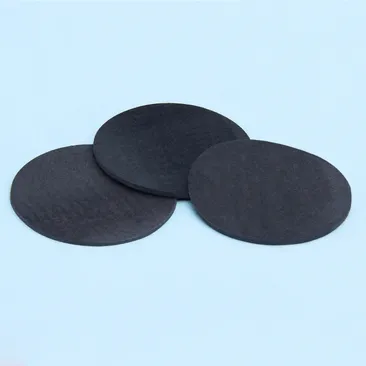
Soft, conformable thermal pads for gap filling and reliable heat transfer in electronics.
Browse ›
Thermal Grease
High-efficiency thermal grease solutions for CPUs, power modules, and industrial assemblies.
Browse ›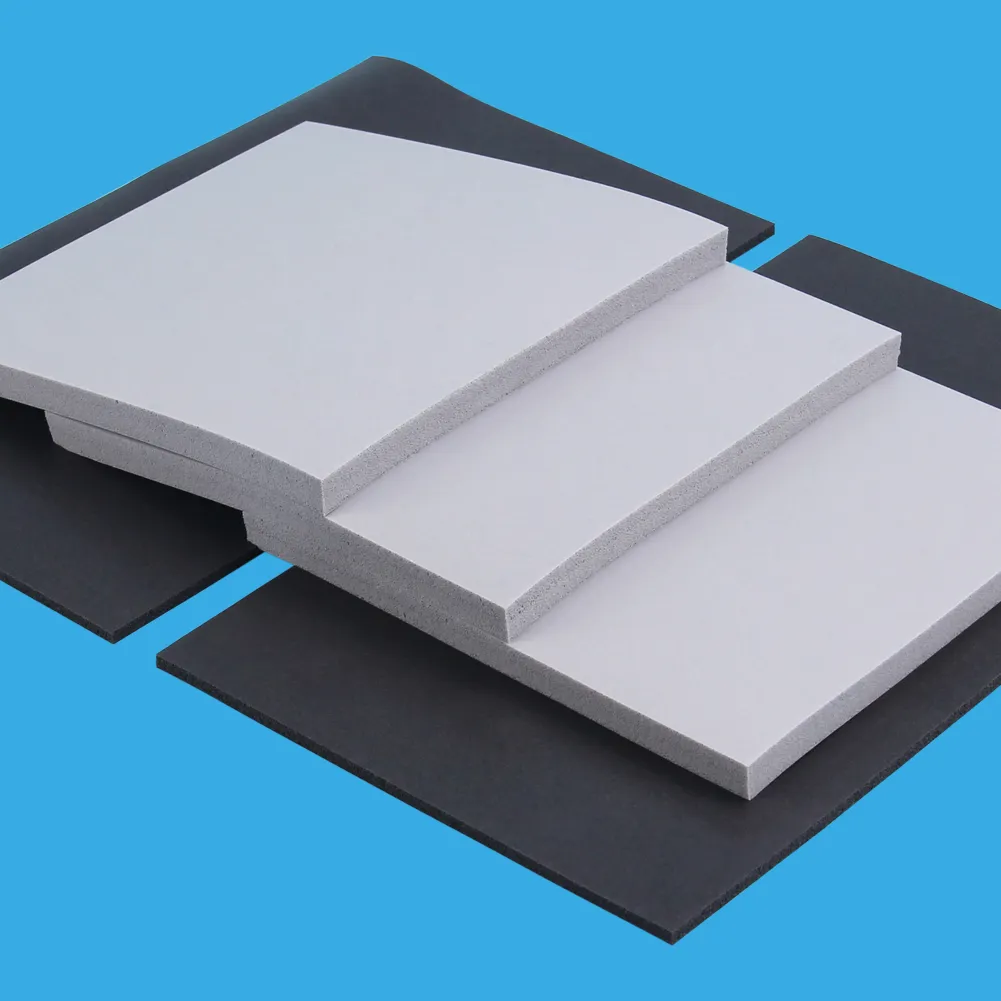
Silicone Foam
Foam materials for sealing, cushioning, insulation, and fire-barrier applications.
Browse ›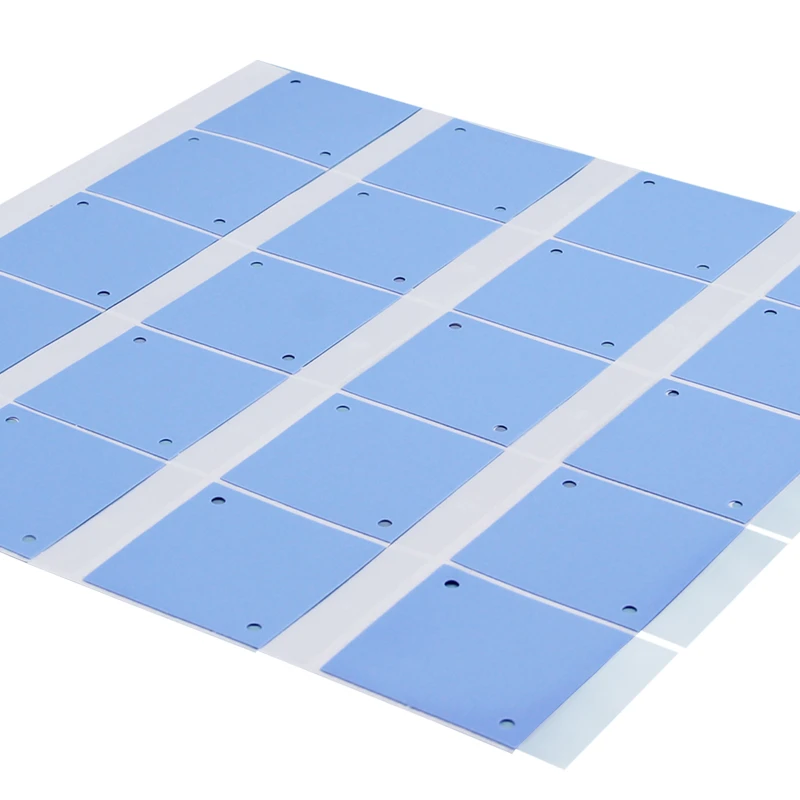
Thermal Tape
PSA laminated thermal tapes for fast assembly and consistent thermal interface bonding.
Browse ›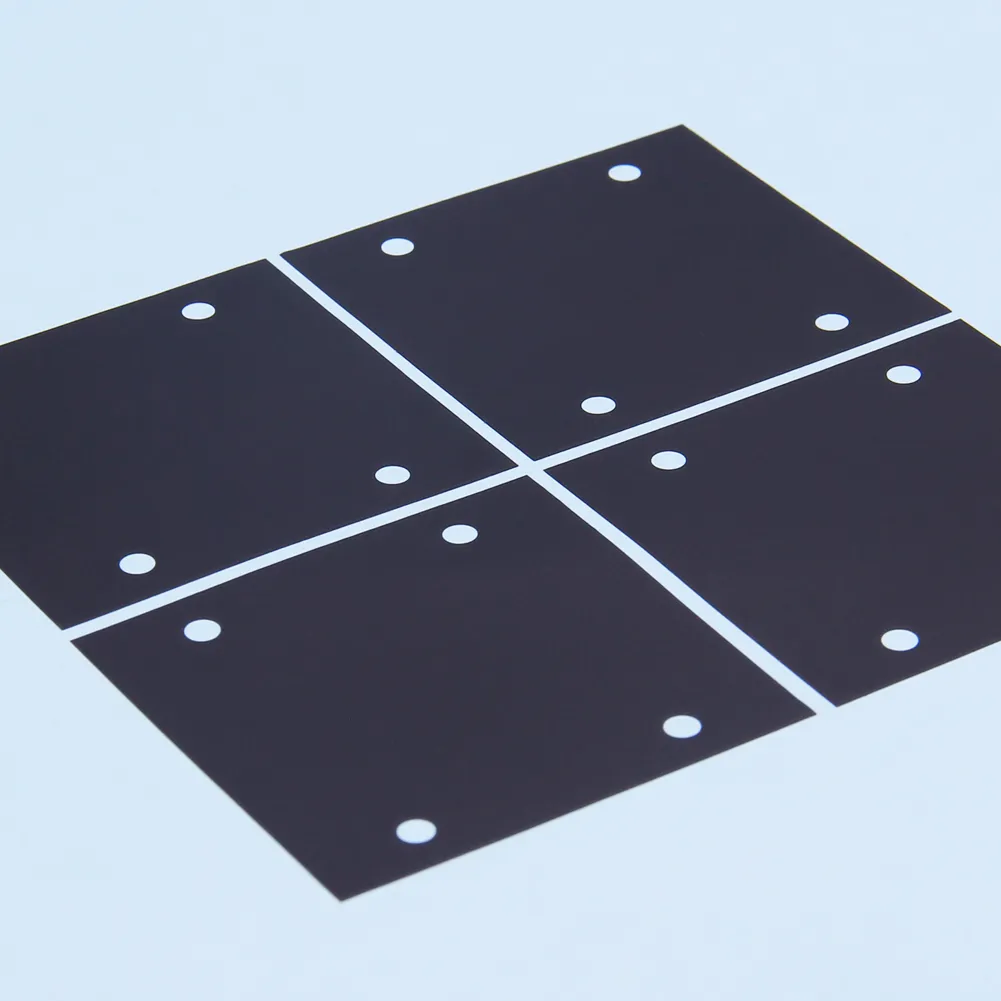
Graphite Sheet
High in-plane conductivity graphite materials for heat spreading in compact devices.
Browse ›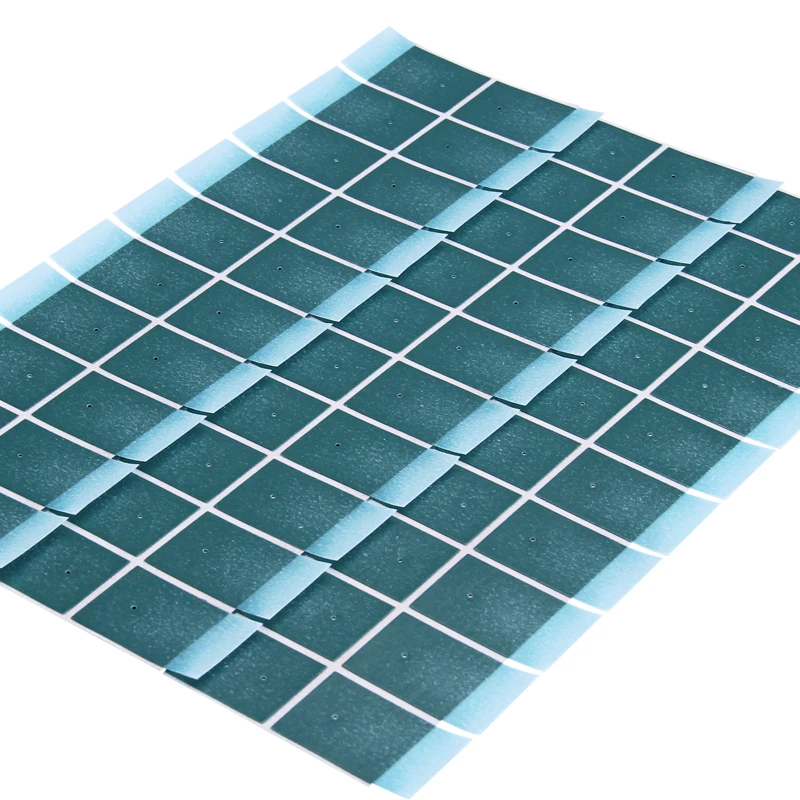
EMI Absorbers
EMI absorbing materials to reduce interference and improve signal integrity in electronics.
Browse ›Related Applications

Game Console
TIMs for APU/VRM hotspots—reduce throttling and keep sustained performance in compact enclosures.
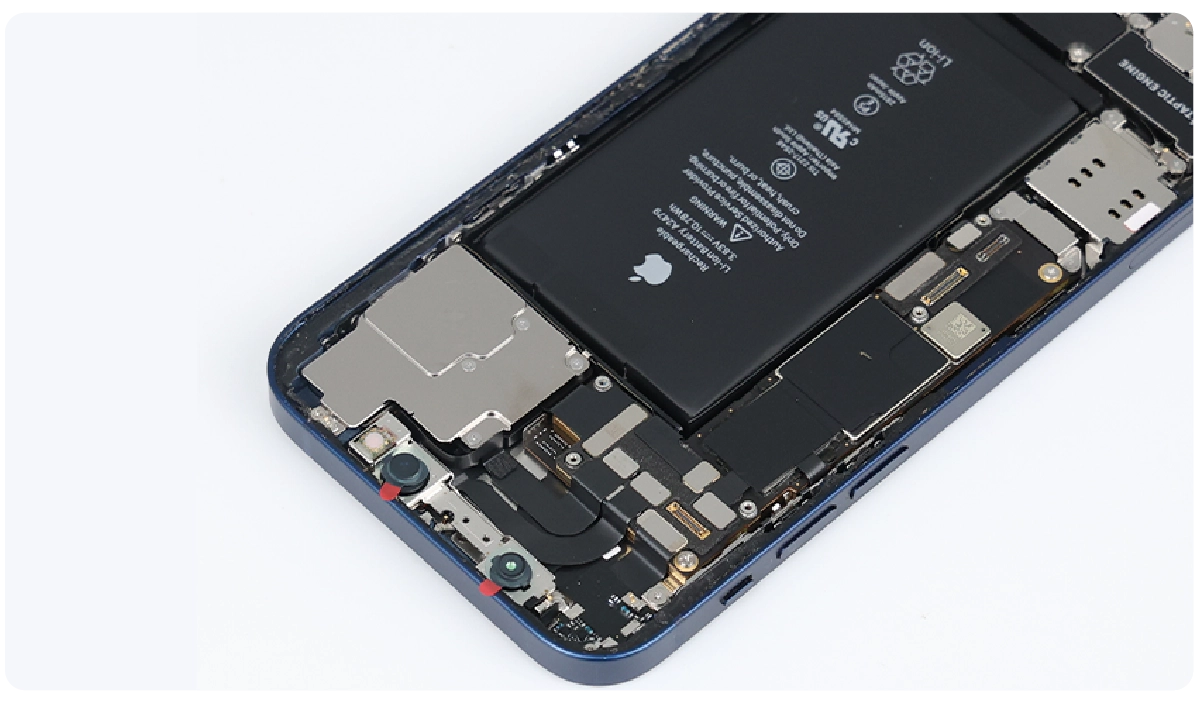
Cell Phone
Ultra-thin thermal interfaces reduce hotspots and surface temperature rise for stable mobile performance.
Related Markets
Explore related markets where TIMs help manage hotspots and maintain stable performance in compact electronics.


