-
الإضافة : المبنى 2، رقم 8 طريق هينغزوتانغ 8، دونغقوان
-
الهاتف : الهاتف +86 135 4224 3751

الخادم
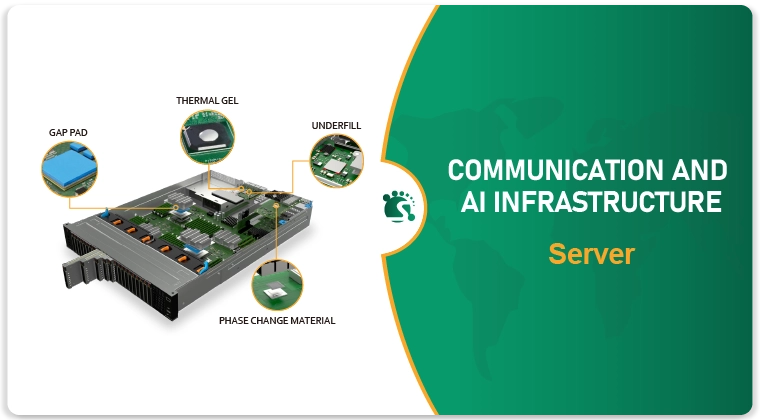
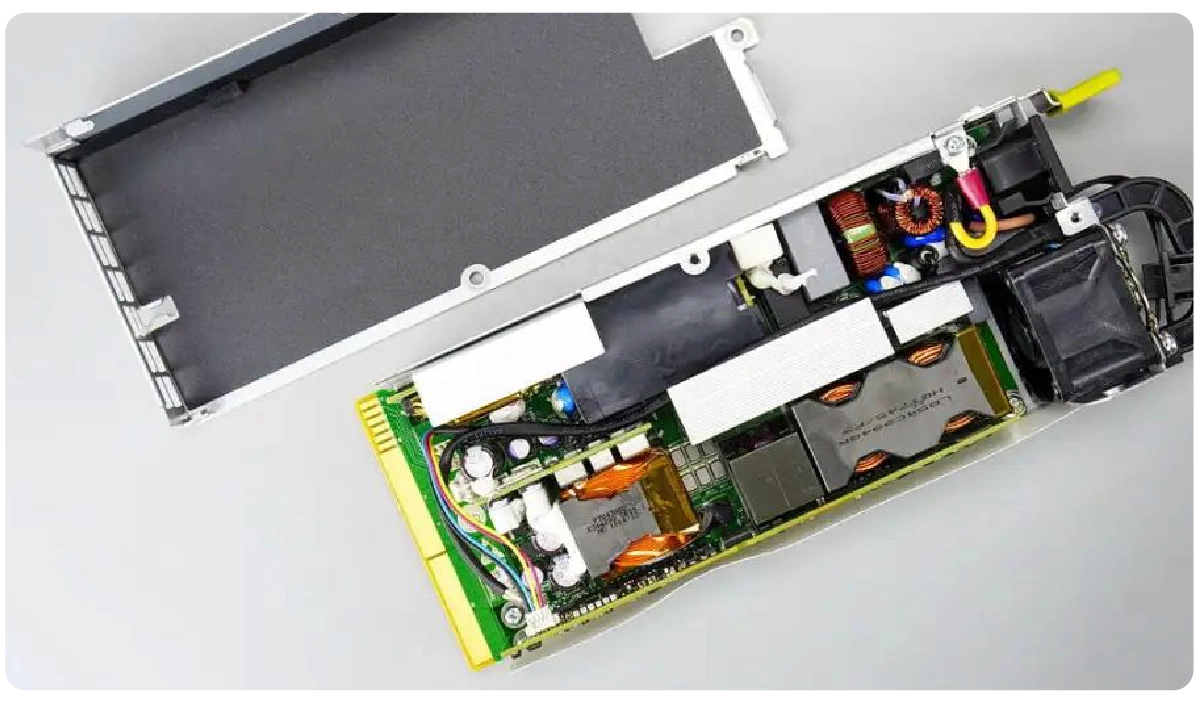
تولد الخوادم والبنية التحتية للذكاء الاصطناعي حرارة مركزة من وحدات المعالجة المركزية/رسوميات والذاكرة ووحدات تنظيم الجهد ووحدات الطاقة تحت أحمال عمل 24/7. يمكن أن يؤدي ضعف نقل الحرارة إلى الخنق (throttling) وانخفاض الكفاءة وزيادة مخاطر الأعطال.
تعمل مواد الواجهة الحرارية (TIMs) على إنشاء مسارات حرارية منخفضة المقاومة إلى المشتتات الحرارية والألواح الباردة والهياكل من أجل: ① تقليل النقاط الساخنة ومنع الخنق (throttling)؛ ② تحسين الموثوقية على المدى الطويل؛ ③ دعم كثافة طاقة أعلى وأداء مستقر.
لمحة عامة
حلول TIM للخوادم
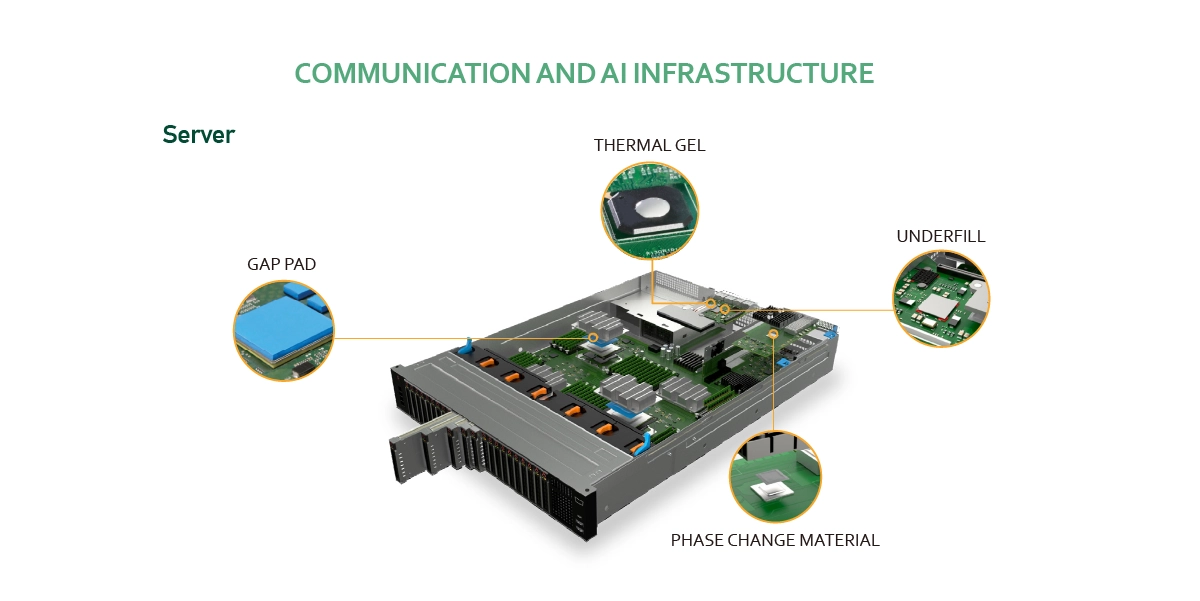
تعمل الخوادم الحديثة والبنية التحتية للذكاء الاصطناعي تحت أحمال عمل مستمرة وعالية، مما يولد حرارة مركزة من وحدات المعالجة المركزية/رسوميات والذاكرة ووحدات تنظيم الجهد ووحدات الطاقة. إذا لم تتم إزالة الحرارة بكفاءة، فقد تتعرض الأنظمة للخنق (throttling) وفقدان الأداء وتسارع شيخوخة المكونات.
تعمل مواد الواجهة الحرارية (TIMs) على إنشاء مسارات حرارية منخفضة المقاومة إلى المشتتات الحرارية أو الألواح الباردة، مما يدعم الأداء المستقر وكثافة الطاقة الأعلى.
المزايا
Thermal Materials for Data Center & AI Servers
Lower Hotspots on CPUs/GPUs
Efficient heat transfer to heat sinks or cold plates for stable, sustained compute performance.
Gap Filling for Complex Stack-Ups
Conformable materials bridge uneven surfaces—lower thermal resistance and consistent contact pressure.
Long-Term Reliability in 24/7 Operation
Options designed for thermal cycling help reduce aging and improve uptime.
Custom Converting + Fast Support
Custom thickness and die-cut parts for server layouts—rapid sampling for validation and production ramp.
المنتجات ذات الصلة
اكتشف فئات المنتجات التي يشيع استخدامها في هذا التطبيق. يمكنك استبدال هذه البطاقات بموادك الحرارية الخاصة بك، أو TIMs، أو الرغاوي، أو الأشرطة، أو المنتجات المتعلقة باللحام.
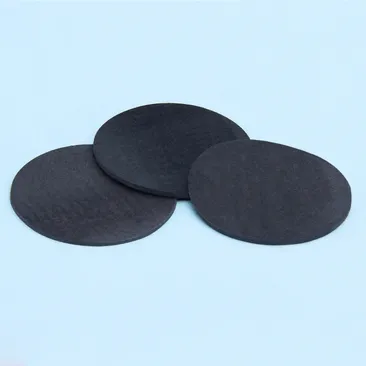
وسادات حرارية
وسادات حرارية ناعمة وقابلة للتطابق لملء الفراغات ونقل الحرارة بشكل موثوق في الإلكترونيات.
تصفح ›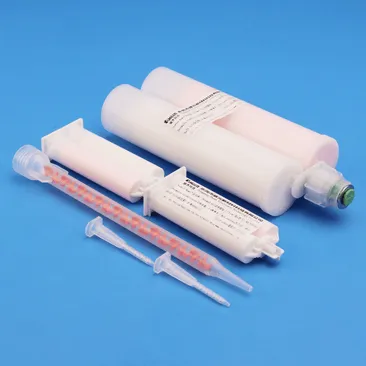
الشحوم الحرارية
حلول الشحوم الحرارية عالية الكفاءة لوحدات المعالجة المركزية ووحدات الطاقة والتركيبات الصناعية.
تصفح ›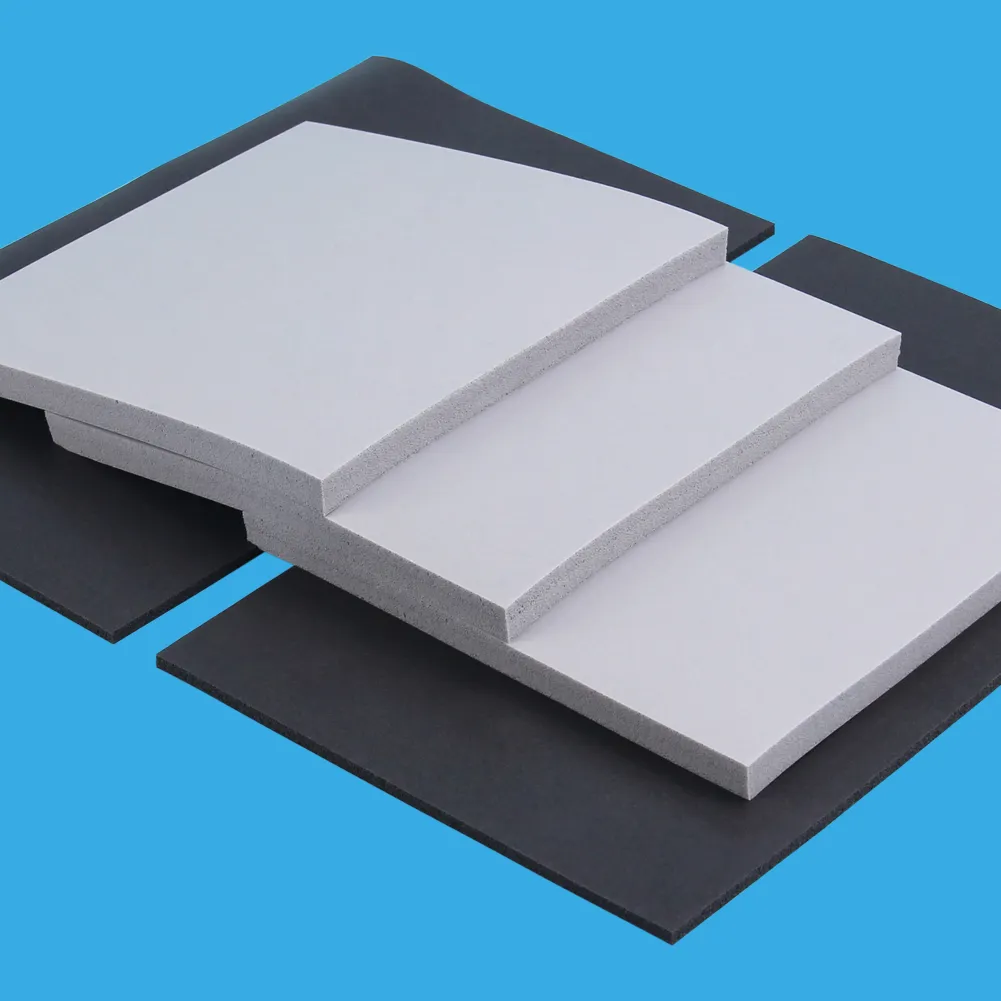
رغوة السيليكون
المواد الرغوية المستخدمة في العزل، والتوسيد، والعزل، والتطبيقات المانعة للحريق.
تصفح ›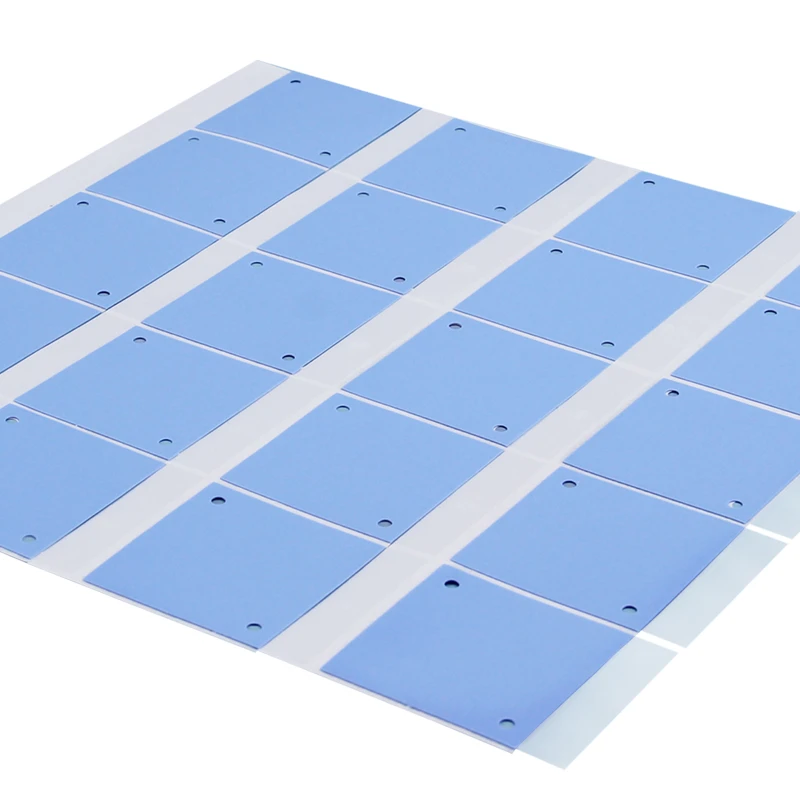
الشريط الحراري
أشرطة حرارية مغلفة بـ PSA للتجميع السريع والترابط الحراري المتسق للواجهة الحرارية.
تصفح ›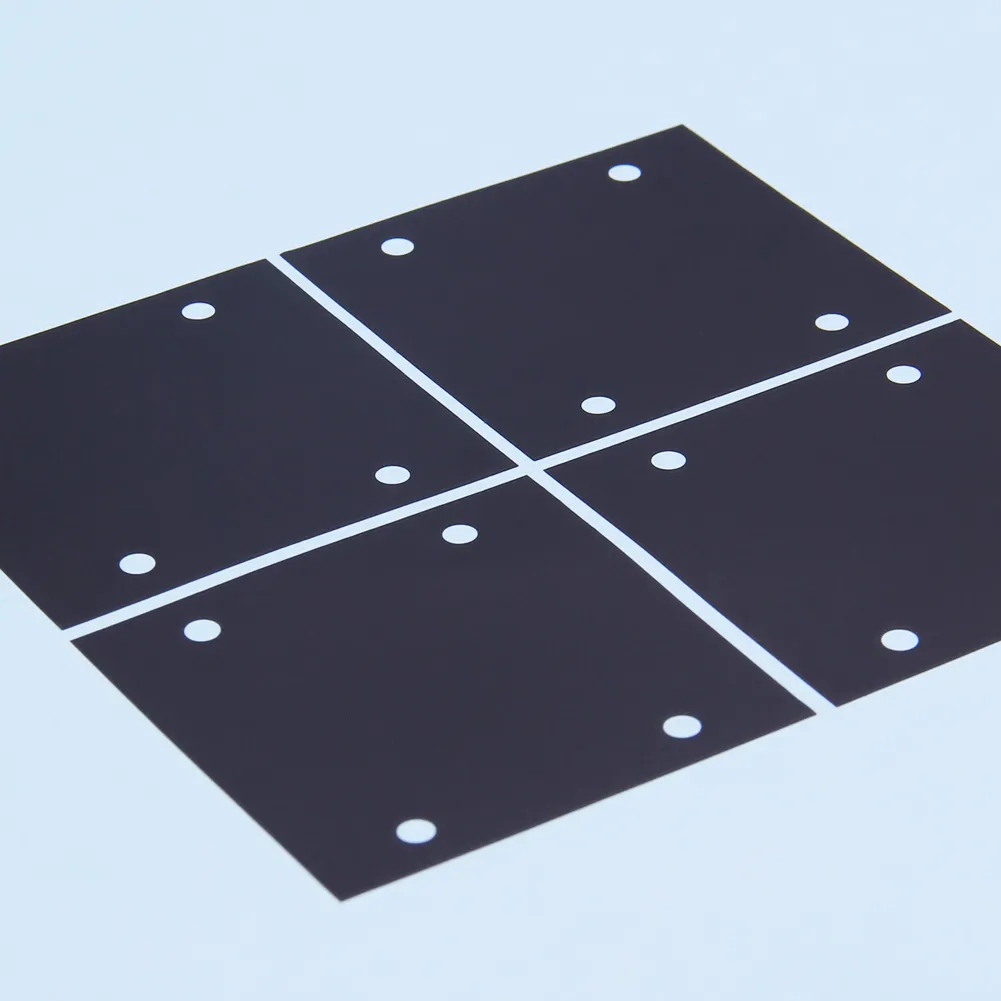
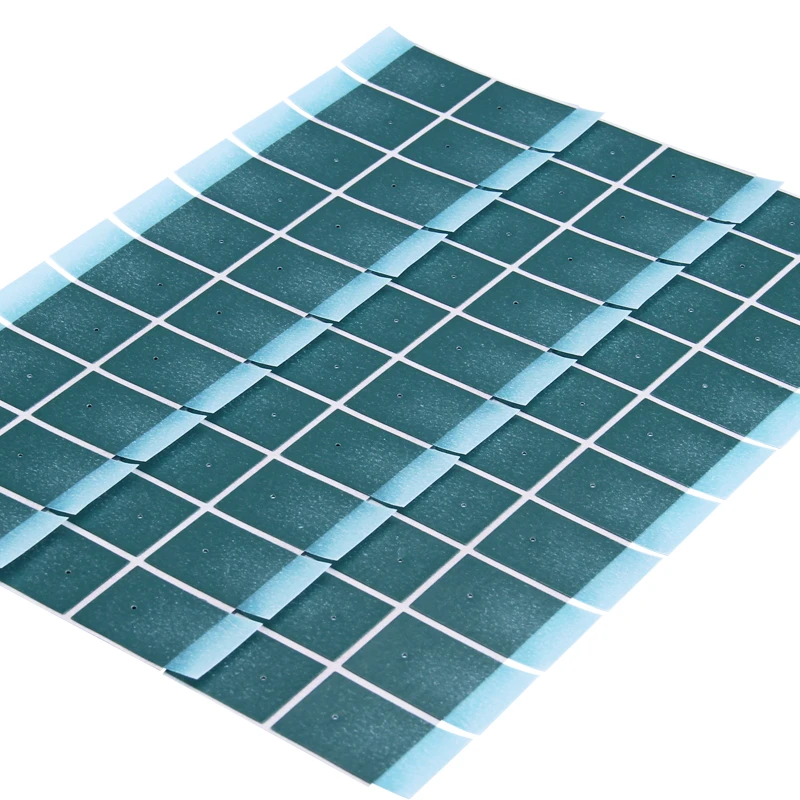
أجهزة امتصاص الترددات الكهرومغناطيسية
مواد ماصة للتداخل الكهرومغناطيسي لتقليل التداخل وتحسين سلامة الإشارة في الإلكترونيات.
تصفح ›التطبيقات ذات الصلة
AI Server / GPU Acceleration
igh power density on GPUs/accelerators—TIMs support stable performance with efficient heat transfer to cold plates/heatsinks.
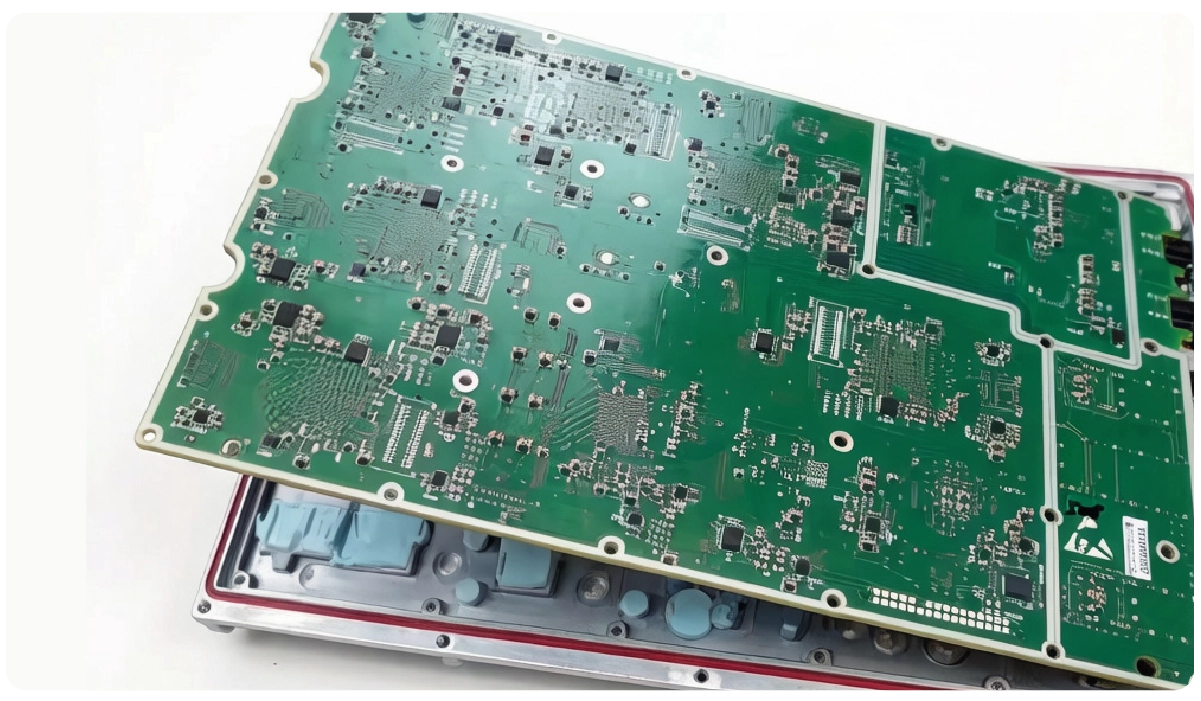
Data Center Infrastructure
24/7 operation demands thermal stability—reduce hotspots on CPUs/VRMs/memory for better uptime and reliability.
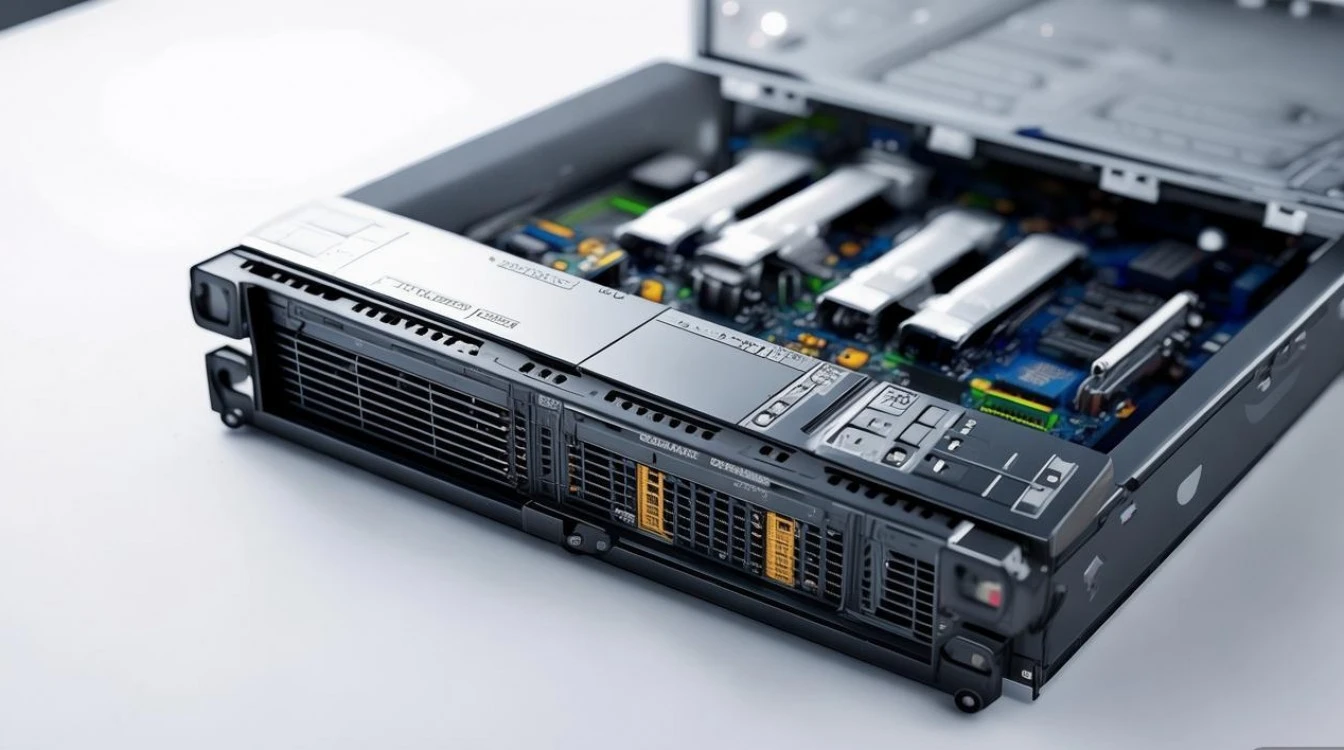
Telecom & Networking
Manage heat in compact RF and high-speed networking hardware—improve stability and long-term reliability.
Related Infrastructure Markets
Thermal interface materials for servers are also widely used across high-power computing and communications infrastructure—helping manage heat density and improve 24/7 reliability.


