-
ADD:AGGIUNGI UN APPUNTAMENTO PER IL PROSSIMO ANNO Edificio 2, n. 8 Hengzhutang Road, Dongguan
-
Telefono: telefono +86 135 4224 3751

Server
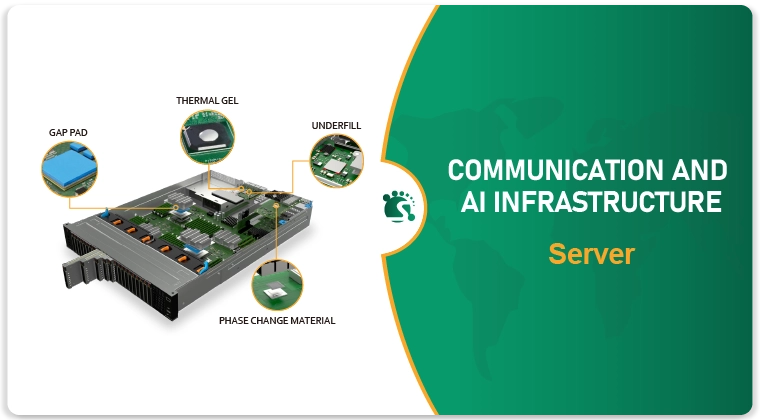
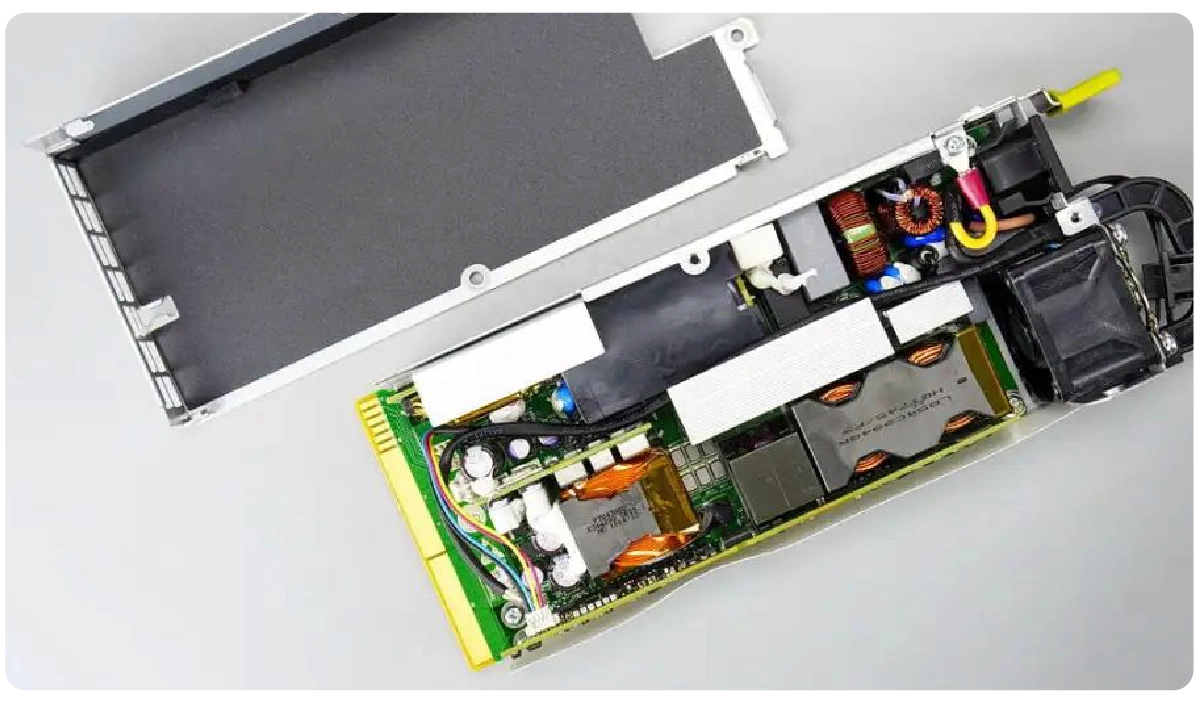
I server e le infrastrutture IA generano calore concentrato da CPU/GPU, memoria, VRM e moduli di potenza sotto carichi di lavoro 24/7. Uno scarso trasferimento di calore può causare throttling, ridotta efficienza e maggior rischio di guasti.
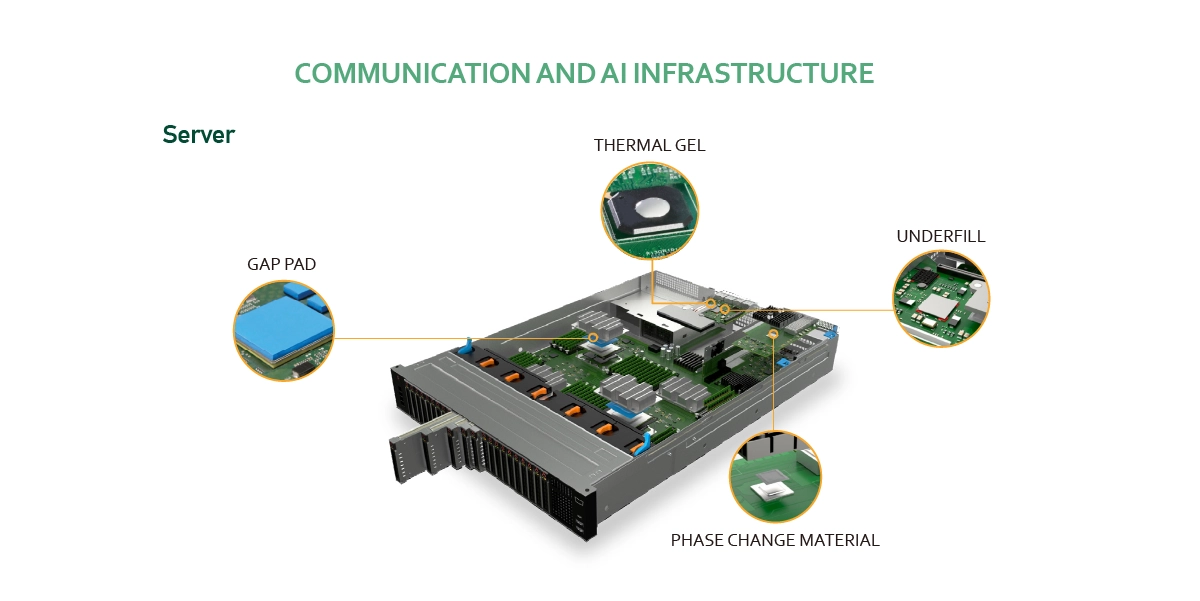
I materiali di interfaccia termica (TIM) creano percorsi termici a bassa resistenza verso dissipatori, piastre fredde e telai per: ① ridurre i punti caldi e prevenire il throttling; ② migliorare l'affidabilità a lungo termine; ③ supportare una maggiore densità di potenza e prestazioni stabili.
Panoramica
Soluzioni TIM per server
I server moderni e le infrastrutture AI operano in regime di carico elevato e continuo, generando calore concentrato su CPU/GPU, memoria, VRM e moduli di potenza. Se il calore non viene rimosso in modo efficiente, i sistemi possono andare in throttling, perdere prestazioni e subire un invecchiamento accelerato dei componenti.
I materiali di interfaccia termica (TIM) creano percorsi termici a bassa resistenza verso dissipatori o piastre fredde, favorendo prestazioni stabili e maggiore densità di potenza.
Vantaggi
Thermal Materials for Data Center & AI Servers
Lower Hotspots on CPUs/GPUs
Efficient heat transfer to heat sinks or cold plates for stable, sustained compute performance.
Gap Filling for Complex Stack-Ups
Conformable materials bridge uneven surfaces—lower thermal resistance and consistent contact pressure.
Long-Term Reliability in 24/7 Operation
Options designed for thermal cycling help reduce aging and improve uptime.
Custom Converting + Fast Support
Custom thickness and die-cut parts for server layouts—rapid sampling for validation and production ramp.
Prodotti correlati
Scoprite le categorie di prodotti comunemente utilizzate in questa applicazione. È possibile sostituire queste schede con i vostri materiali termici, TIM, schiume, nastri o prodotti per la saldatura.
Cuscinetti termici
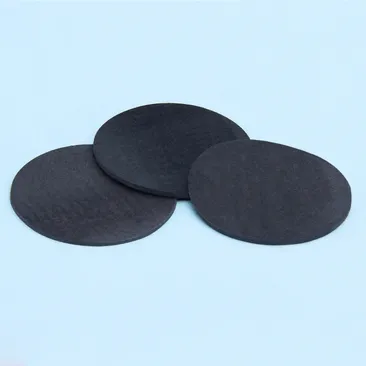
Pad termici morbidi e conformabili per il riempimento di spazi vuoti e il trasferimento affidabile del calore nell'elettronica.
Sfogliare ›
Grasso termico
Soluzioni di grasso termico ad alta efficienza per CPU, moduli di potenza e assemblaggi industriali.
Sfogliare ›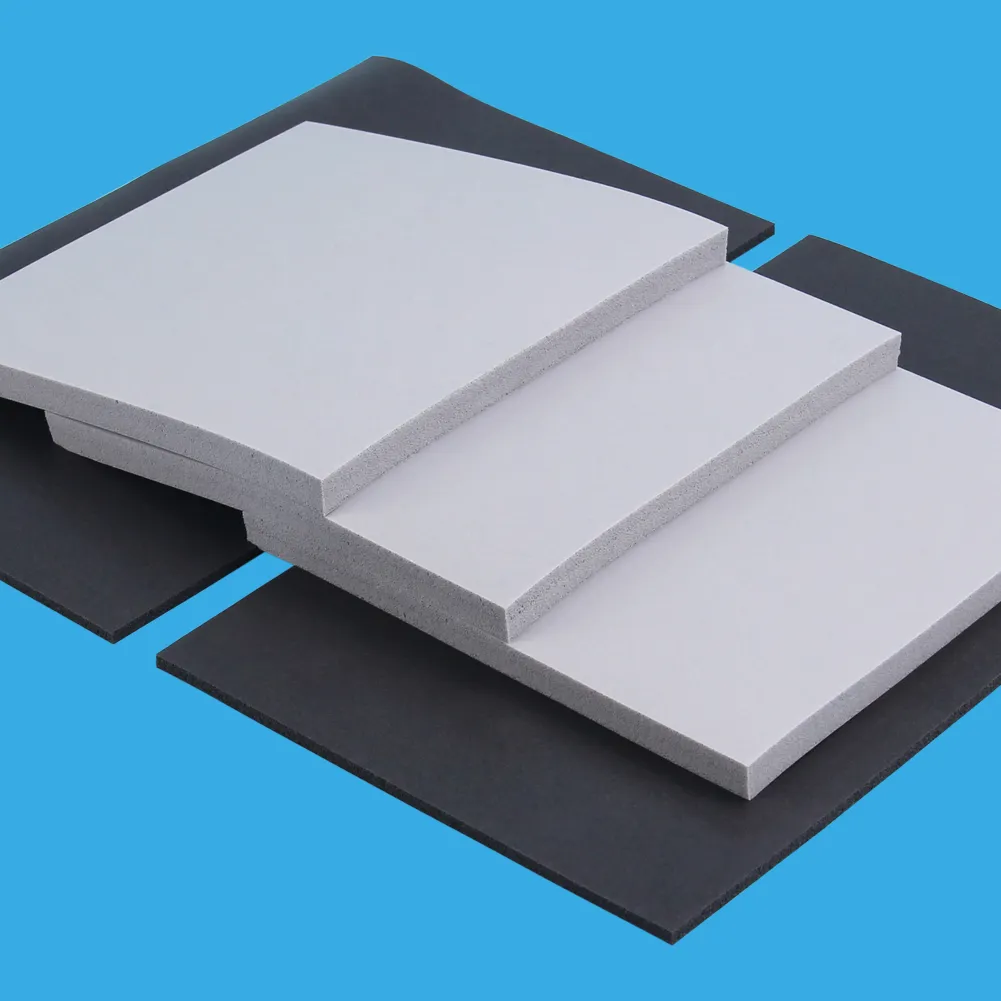
Schiuma di silicone
Materiali in schiuma per applicazioni di sigillatura, ammortizzazione, isolamento e barriera antincendio.
Sfogliare ›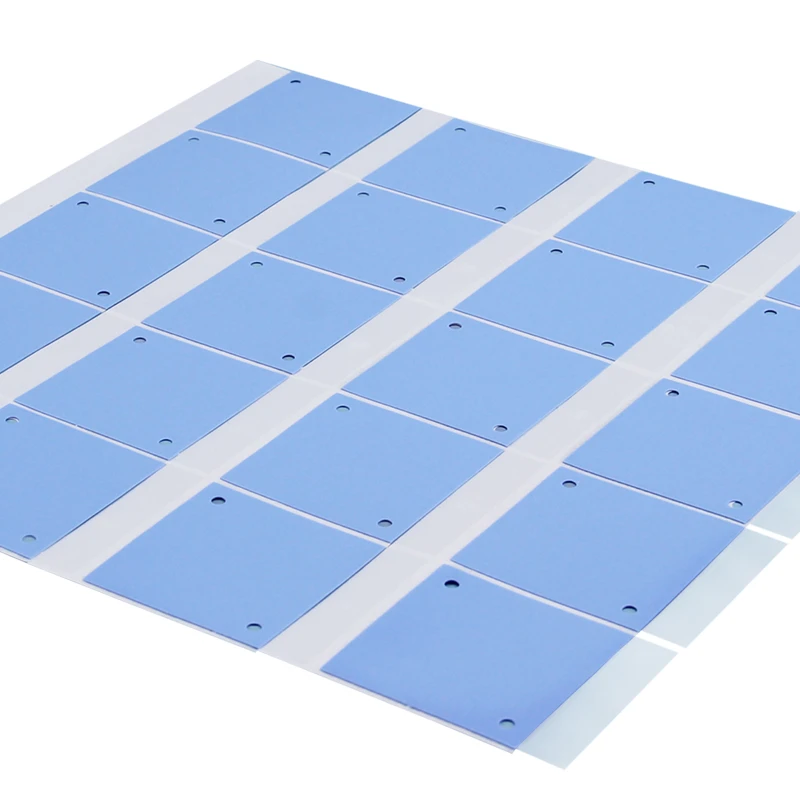
Nastro termico
Nastri termici laminati PSA per un assemblaggio rapido e un incollaggio coerente dell'interfaccia termica.
Sfogliare ›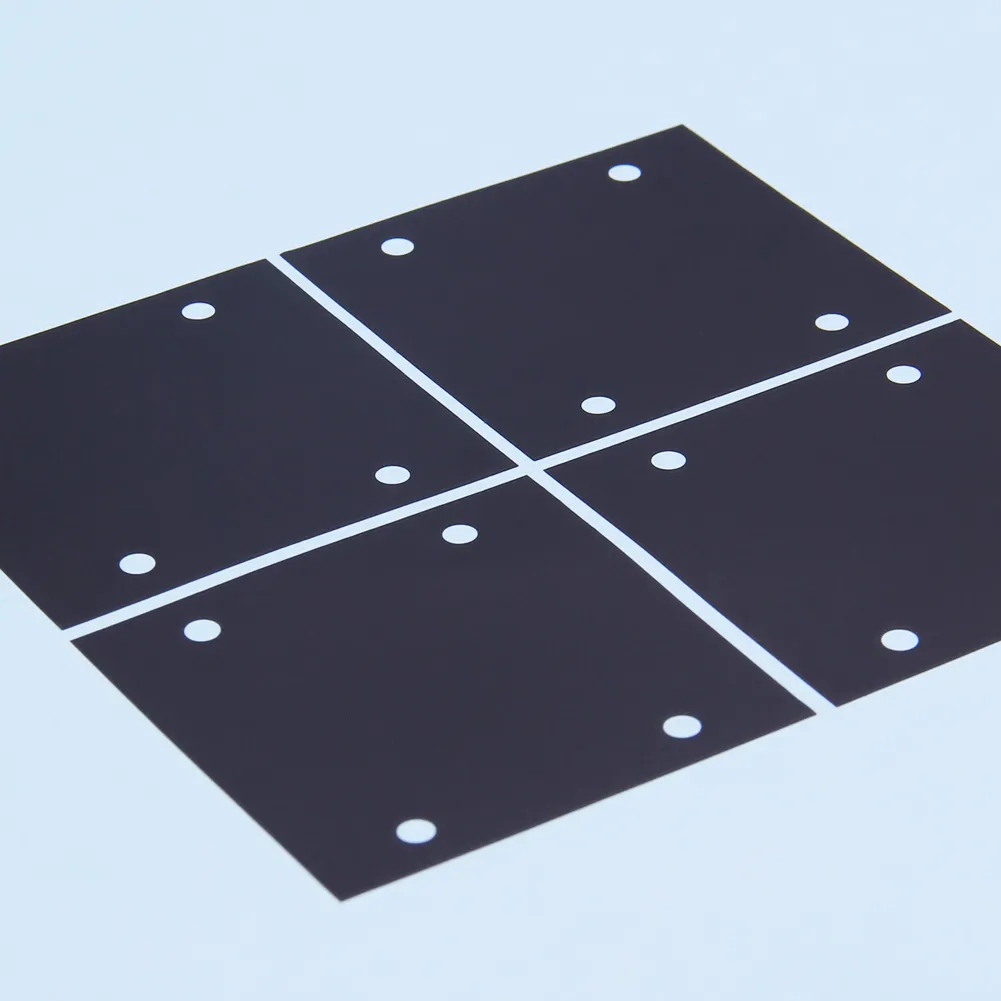
Foglio di grafite
Materiali in grafite ad alta conducibilità in piano per la diffusione del calore in dispositivi compatti.
Sfogliare ›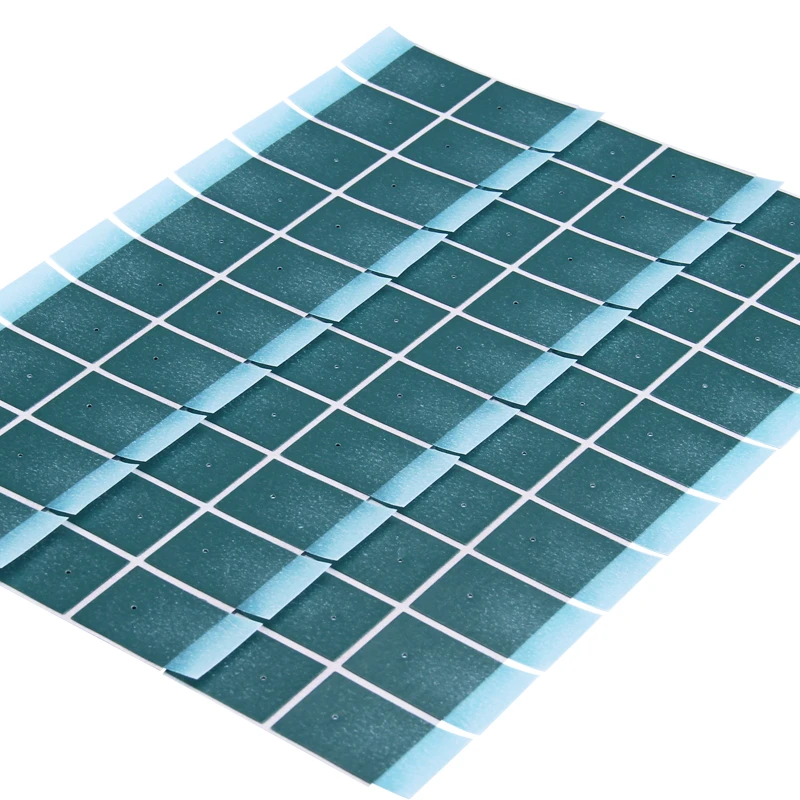
Assorbitori EMI
Materiali che assorbono le EMI per ridurre le interferenze e migliorare l'integrità del segnale nell'elettronica.
Sfogliare ›Applicazioni correlate
AI Server / GPU Acceleration
igh power density on GPUs/accelerators—TIMs support stable performance with efficient heat transfer to cold plates/heatsinks.
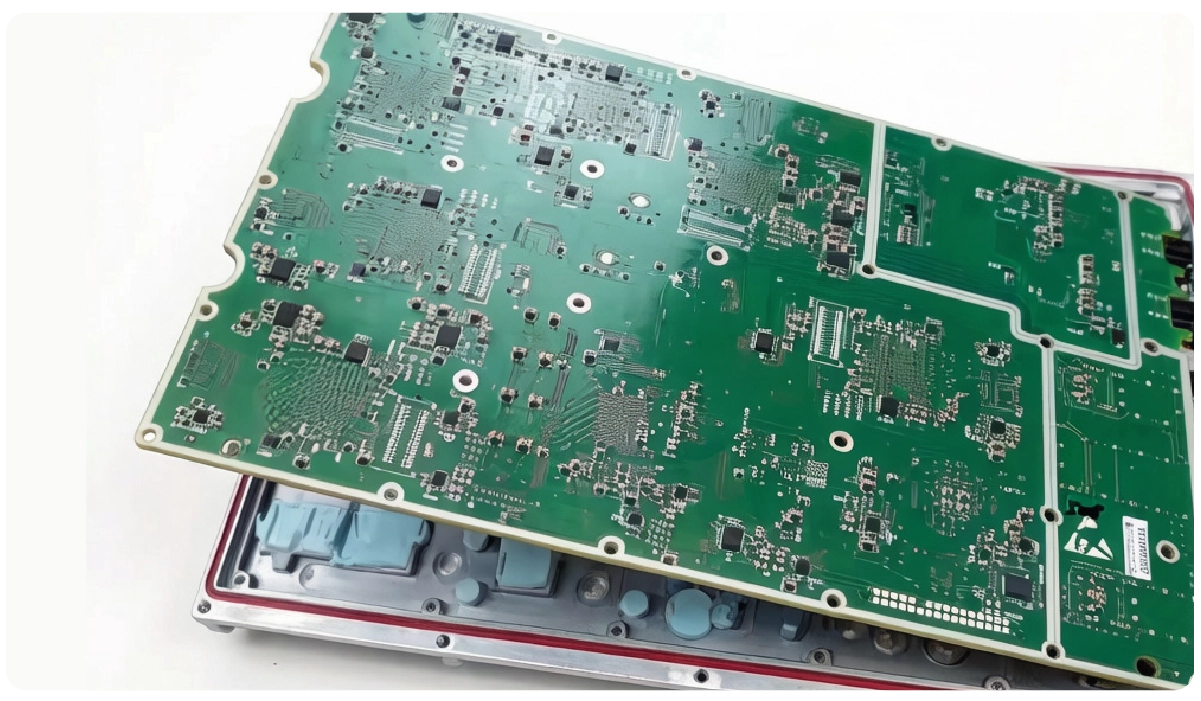
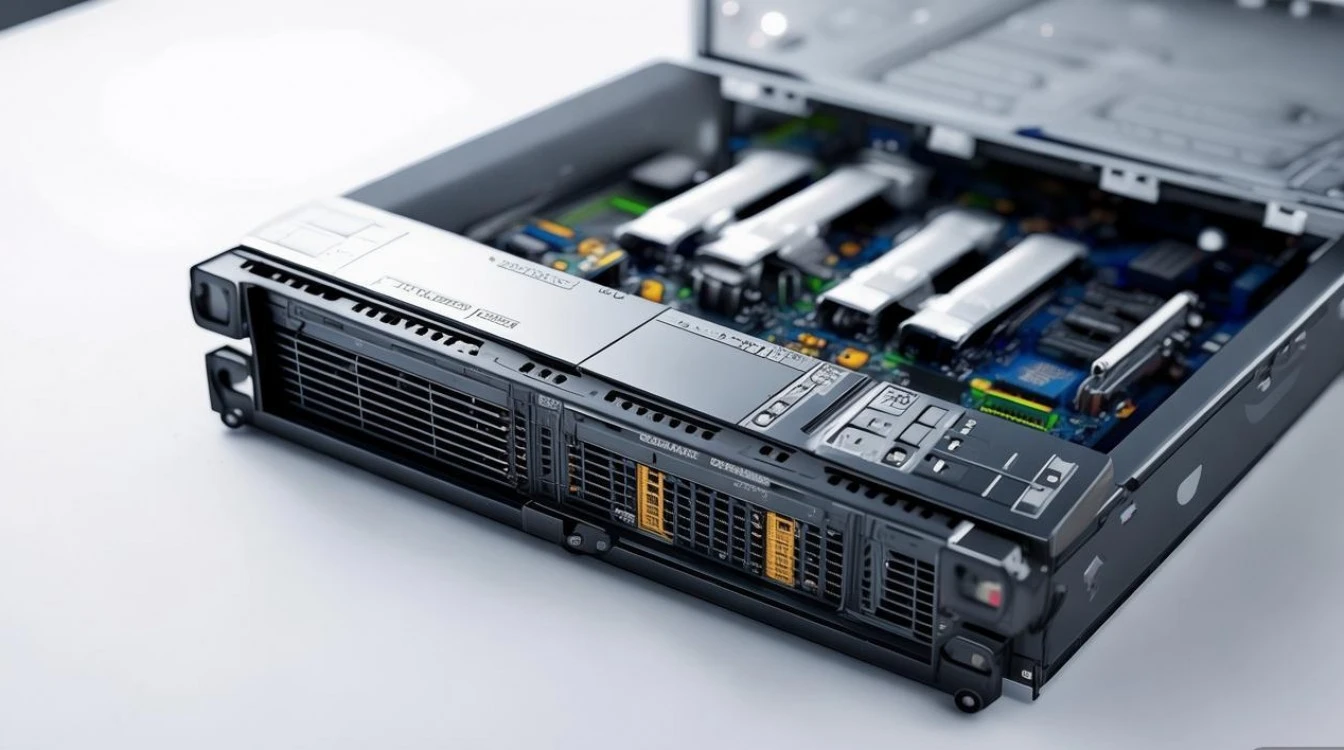
Data Center Infrastructure
24/7 operation demands thermal stability—reduce hotspots on CPUs/VRMs/memory for better uptime and reliability.
Telecom & Networking
Manage heat in compact RF and high-speed networking hardware—improve stability and long-term reliability.
Related Infrastructure Markets
Thermal interface materials for servers are also widely used across high-power computing and communications infrastructure—helping manage heat density and improve 24/7 reliability.


