-
추가:: 둥관 헝주탕 로드 8호 빌딩 2, 동관
-
전화: 전화 +86 135 4224 3751

전기차 배터리 시스템용 무실리콘 열관리 소재
전자 열 관리 시스템의 ‘다리’ 역할을 하는 열 인터페이스 재료는 칩, 배터리 등 주요 부품의 수명과 안정성에 직접적인 영향을 미칩니다. 기존 실리콘계 소재와 비교하여, 비실리콘 열 제품은 실리콘에 민감한 애플리케이션에서 더 깨끗하고 신뢰할 수 있는 작동을 위해 설계되었습니다.
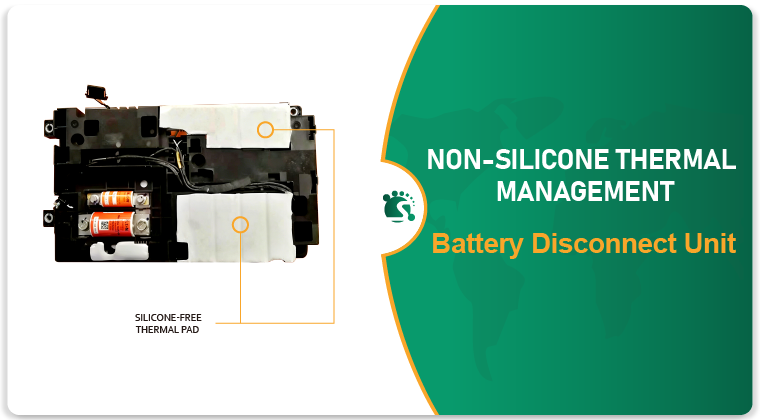
비실리콘 서멀 패드의 주요 이점.
비실리콘 서멀 패드의 주요 이점.
Sheen AF 시리즈 비실리콘 서멀 패드는 자동차, 광학 및 정밀 전자제품에서 더 깨끗한 열 인터페이스를 지원하도록 설계되었습니다. 이 소재 시스템은 낮은 블리드 특성, 실용적인 열전도율 옵션 및 장기 사용을 위한 신뢰할 수 있는 기계적 성능을 결합합니다.
I
실리콘 오일 블리드 없음.
실리콘 오일 이동을 방지하고 오염에 민감한 조립체에서 더 깨끗한 열 인터페이스를 지원합니다.
II
낮은 휘발성 오염 위험.
김 서림, 표면 잔류물 또는 실리콘에 민감한 부품이 문제가 되는 응용 분야에 적합합니다.
III
1.5–10 W/m·K Thermal Conductivity
다양한 열전도율 등급을 통해 여러 열부하, 갭 조건 및 제품 설계에 유연하게 대응할 수 있습니다.
IV
신뢰성 있는 열 노화 성능.
장기적인 열 관리를 위해 설계되었으며, 우수한 열 노화 저항성과 안정적인 물리적 성능을 제공합니다.
V
균형 잡힌 인성과 강도.
우수한 인성, 인장 강도 및 압축 거동은 핸들링 및 조립 신뢰성을 향상시킵니다.
VI
조립을 용이하게 하는 자연 점착성
표면 점착성은 설치 시 패드 배치를 간소화하고, 편리한 수동 또는 자동 조립을 지원합니다.
기능 이미지
이미지 위치 01
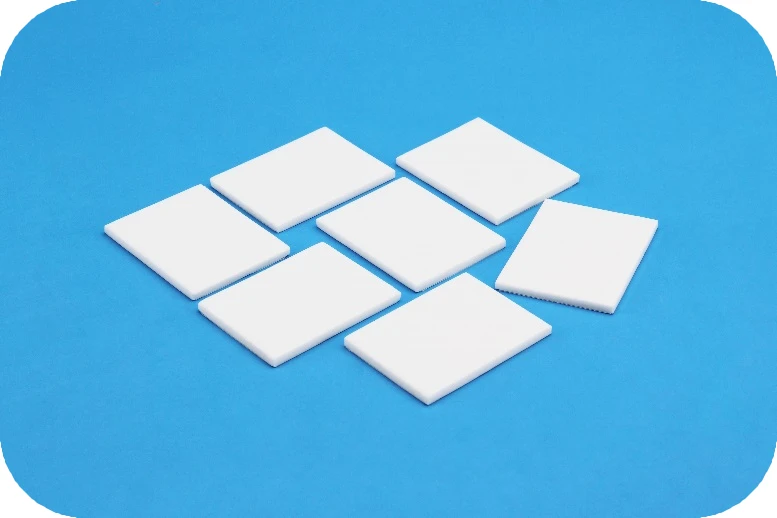
Figure F01. Non-silicone thermal pad feature overview
Representative image showing the core characteristics of Sheen non-silicone thermal pad materials.
기능 이미지
이미지 위치 02
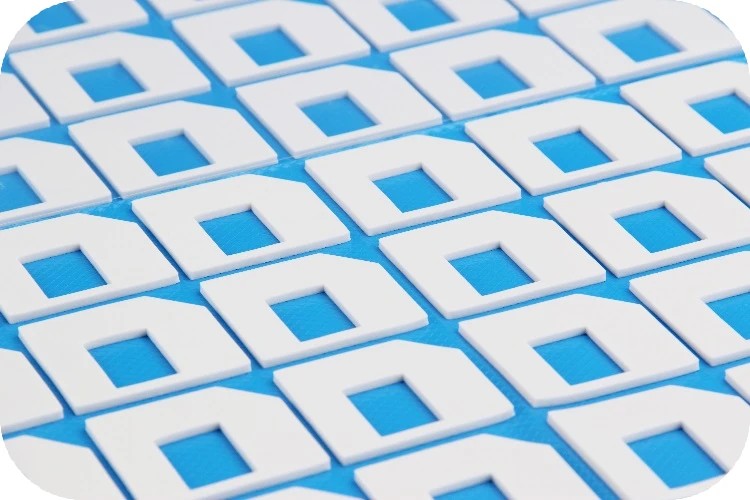
Figure F02. Material performance and handling display
Visual summary of performance and application characteristics for non-silicone thermal pads.
무결성 - 전문성 - 상생 - 사용자 중심
광택
Low Bleed Performance and Aging Reliability
Oil Bleed Comparison and Reliability Validation
For silicone-sensitive applications, low bleed behavior is one of the main reasons to select a non-silicone thermal interface material. The comparison below highlights the difference in bleed behavior, while the aging test results show the stability of AF500 after prolonged heat exposure.
Oil Bleed Comparison: Silicone vs. Non-Silicone Pads
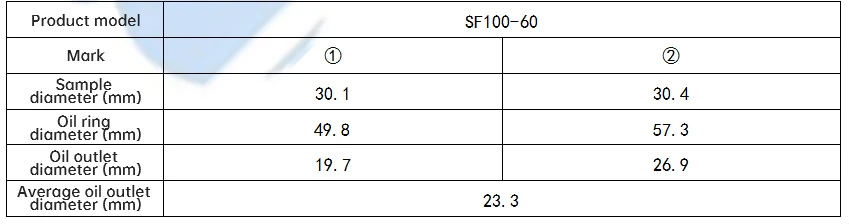
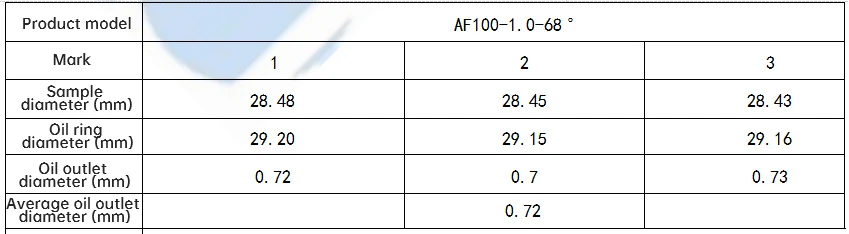


At the same thermal conductivity level, the oil bleed ring diameter of a silicone thermal pad can be several times or even dozens of times larger than that of a non-silicone thermal pad.
AF500 Heat Aging Reliability Test
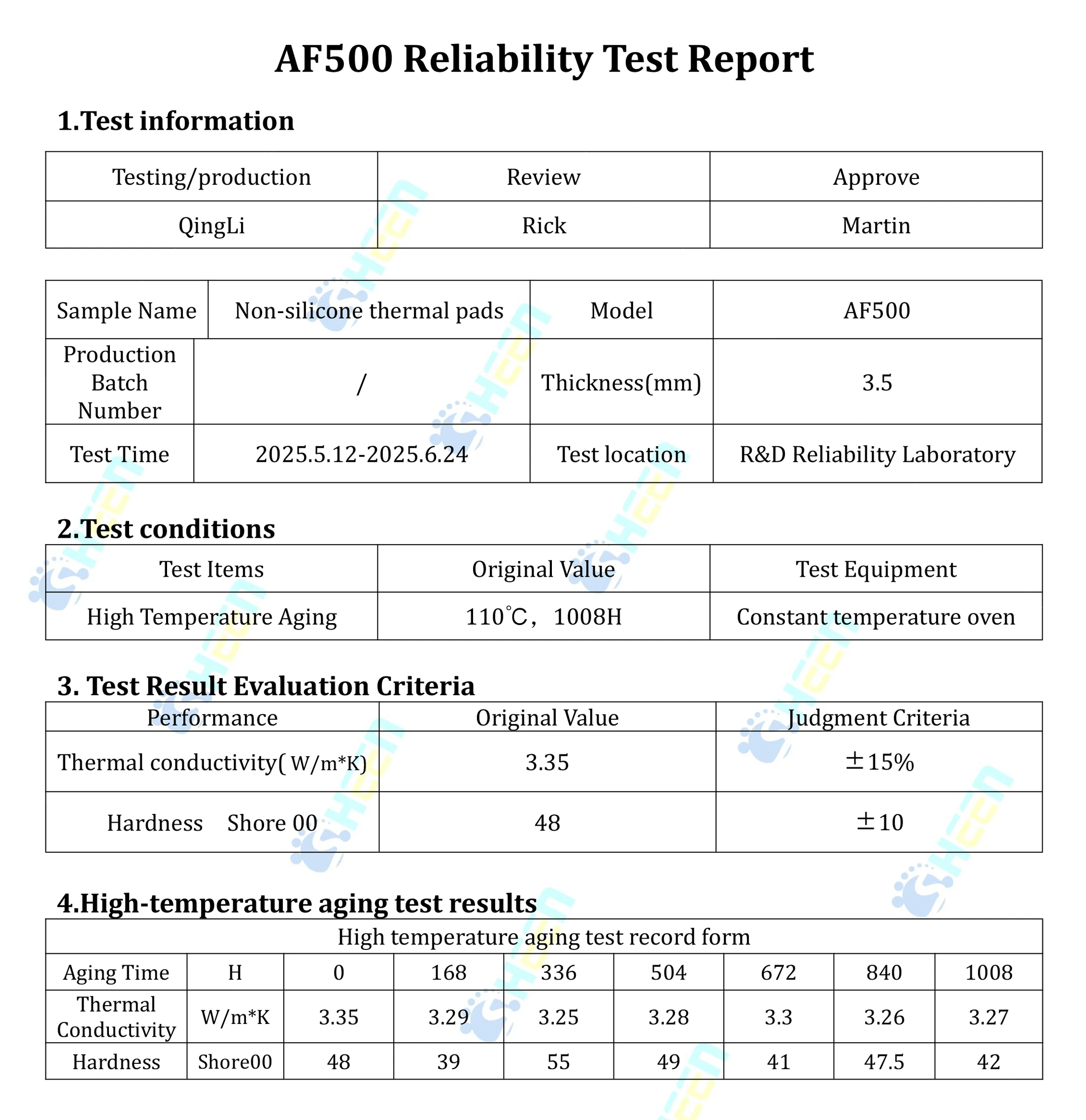
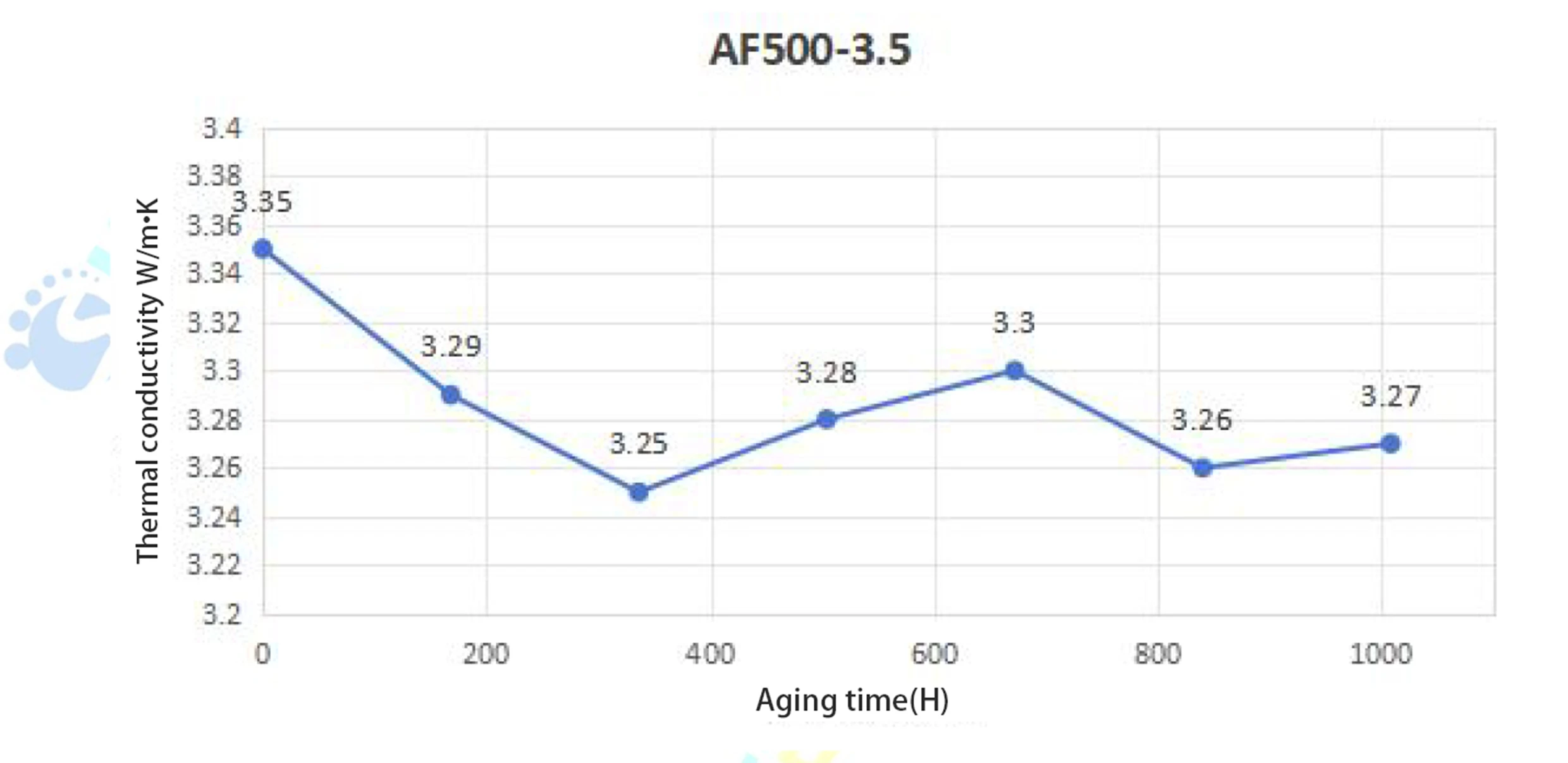
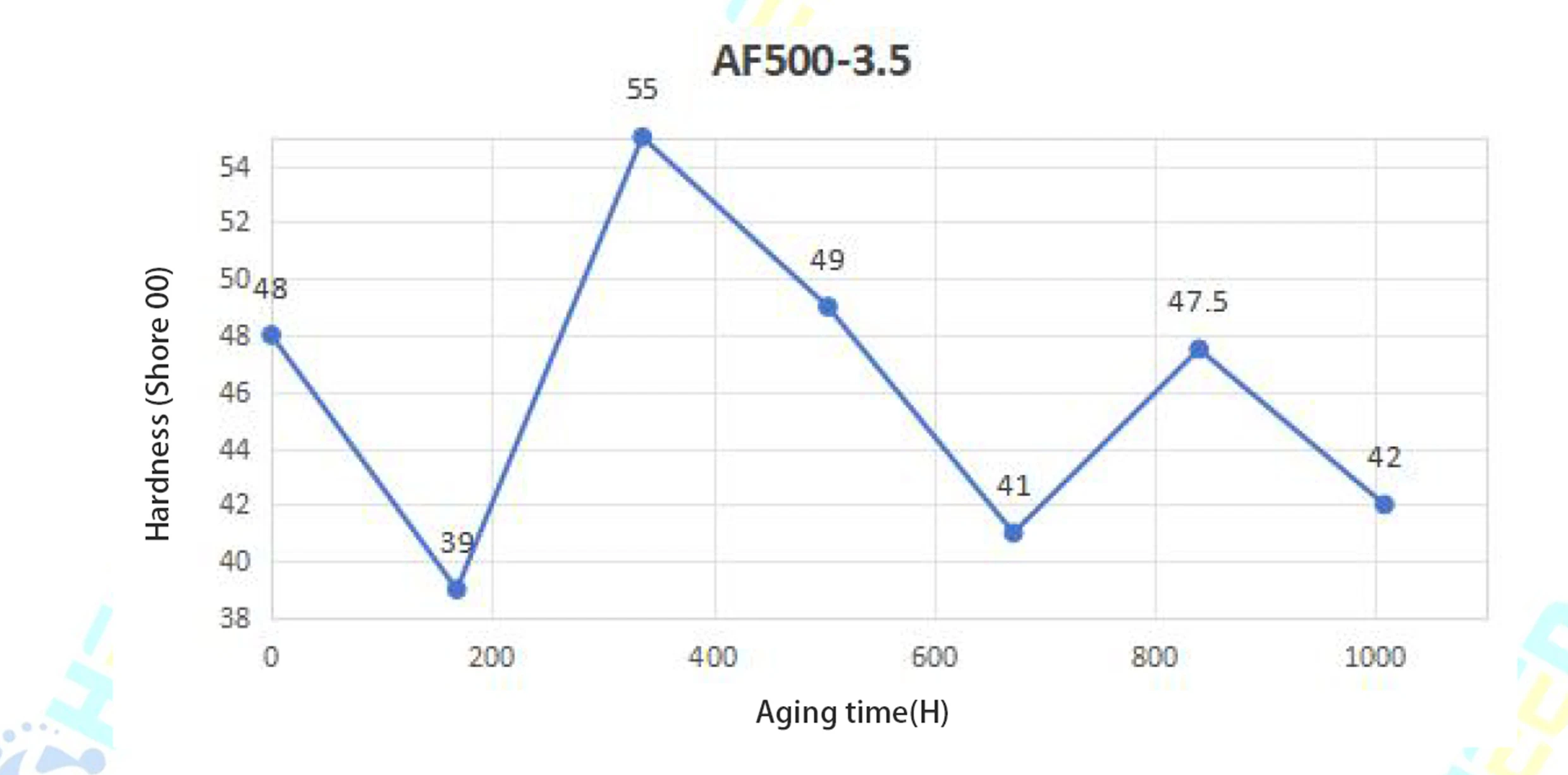
After aging at 110°C for 1008 hours, AF500 maintained acceptable thermal conductivity and hardness, with no visible appearance change.
무결성 - 전문성 - 상생 - 사용자 중심
광택
Application Cases
Application Cases for EV Battery Systems, Automotive Electronics, and Precision Devices
Non-silicone thermal pads are most valuable in contamination-sensitive thermal interfaces. Typical applications include EV battery packs, BDU, BMS, cameras, ADAS, LiDAR, optical transceivers, SSD storage, and other precision electronic modules that require clean and stable heat transfer.
EV Battery Systems
Typical application points include battery packs, BDU, and BMS assemblies.
자동차 전자 제품
Used in vehicle cameras, ADAS, LiDAR, LED modules, and related electronics.
광통신
Suitable for optical transceivers, transmitter modules, and high-speed communication hardware.
Precision Electronics
Applicable to SSD, monitoring devices, industrial cameras, and other silicone-sensitive electronics.
애플리케이션 이미지
EV Battery / BDU
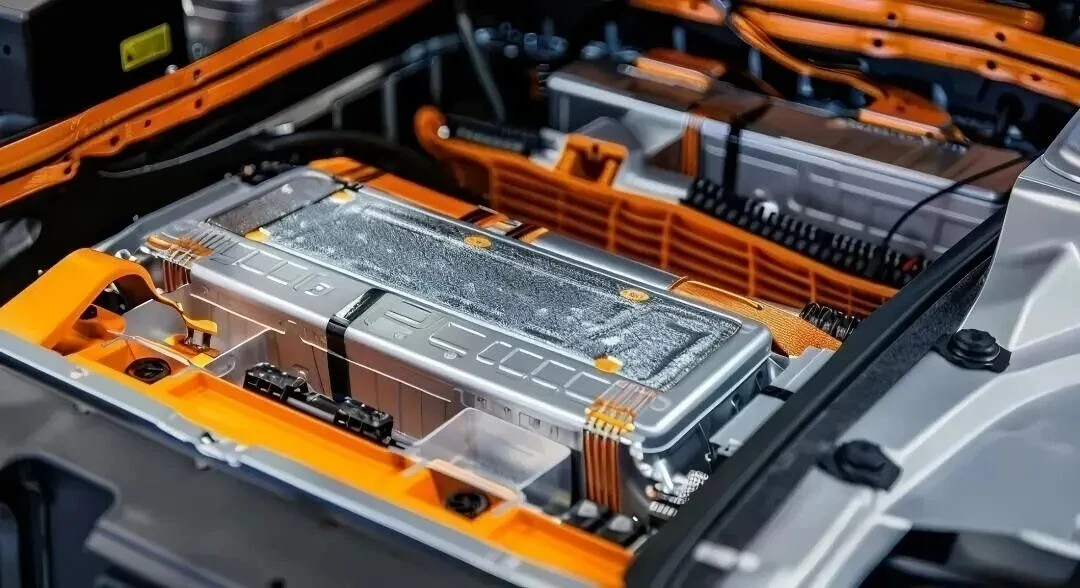
Figure A01. BDU thermal management in new energy vehicles
Typical non-silicone thermal pad application in a battery disconnect unit for cleaner long-term heat transfer.
애플리케이션 이미지
EV Battery / BMS
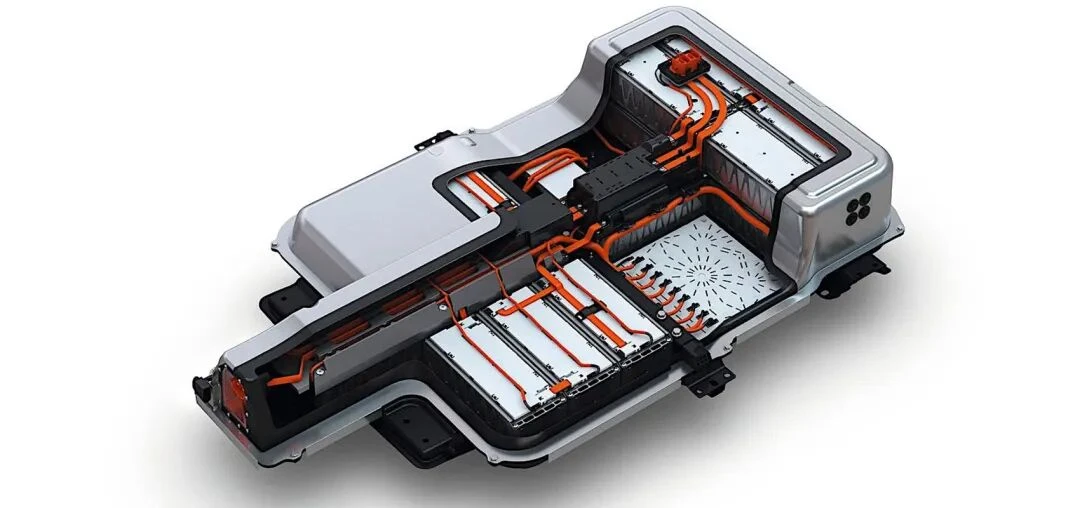
Figure A02. BMS thermal management in EV battery systems
Application example showing silicone-free thermal materials used in battery management and localized heat control areas.
무결성 - 전문성 - 상생 - 사용자 중심
광택
EV Battery Systems / BDU
애플리케이션 01


BDU Thermal Management in EV Battery Packs
Non-silicone thermal pads are widely used in EV battery systems where electrical contacts, localized hot spots, and contamination-sensitive assemblies require cleaner long-term thermal management. In the BDU, typical thermal interface positions include 전력 접촉기, 고전압 연결 바, and other concentrated heat sources.
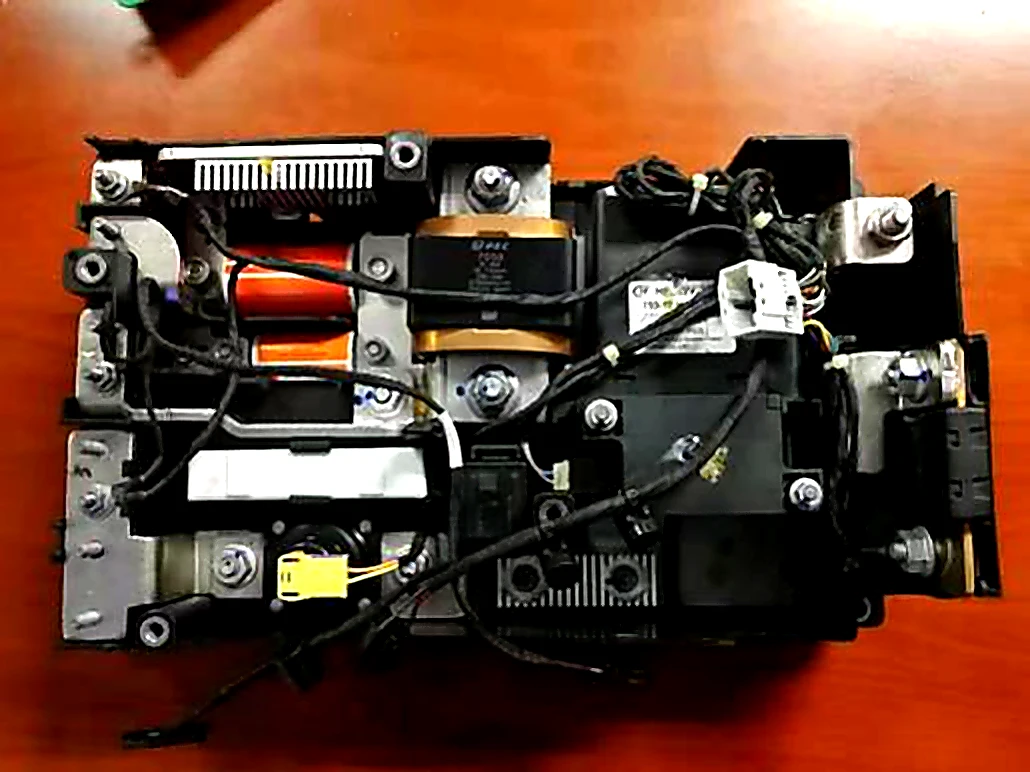
Figure 01. Battery disconnect unit structure
Internal BDU assembly showing the main components inside an EV battery system.
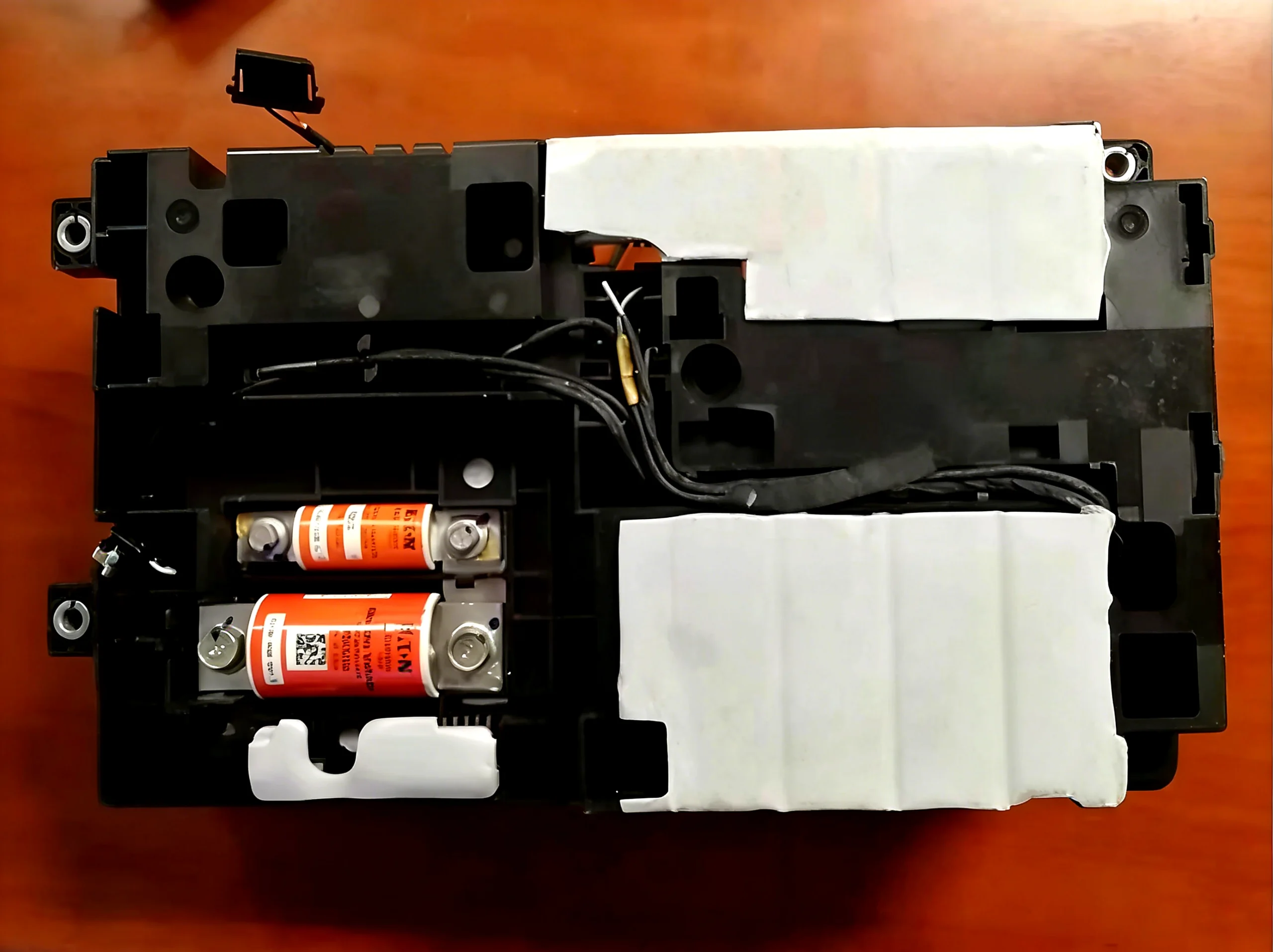
Figure 02. Typical thermal pad placement in BDU
Representative thermal interface locations for heat transfer and contamination control inside the BDU.
BDU(배터리 분리 장치) is one of the core assemblies inside the battery pack.
It integrates relays, fuses, current sensing elements, external high-voltage copper bars, signal terminals, and motion connectors.
In long-term service, conventional silicone thermal pads may release low-molecular siloxanes that can migrate onto relay contacts
or PCB surfaces. Non-silicone thermal pads help reduce that risk while supporting stable heat transfer. 일반적인 적용 포인트:
power contactors, high-voltage connection bars, and nearby hot spots.
EV Battery Systems / BMS
신청 02


BMS Thermal Management for Control Boards and Chips
비실리콘 열 재료는 다음 분야에서 널리 사용됩니다. 배터리 관리 시스템(BMS), where control boards, local power devices, and compact chips require stable heat transfer in a contamination-sensitive environment. Typical thermal points include BMS 칩, control modules, and nearby heat-generating components.
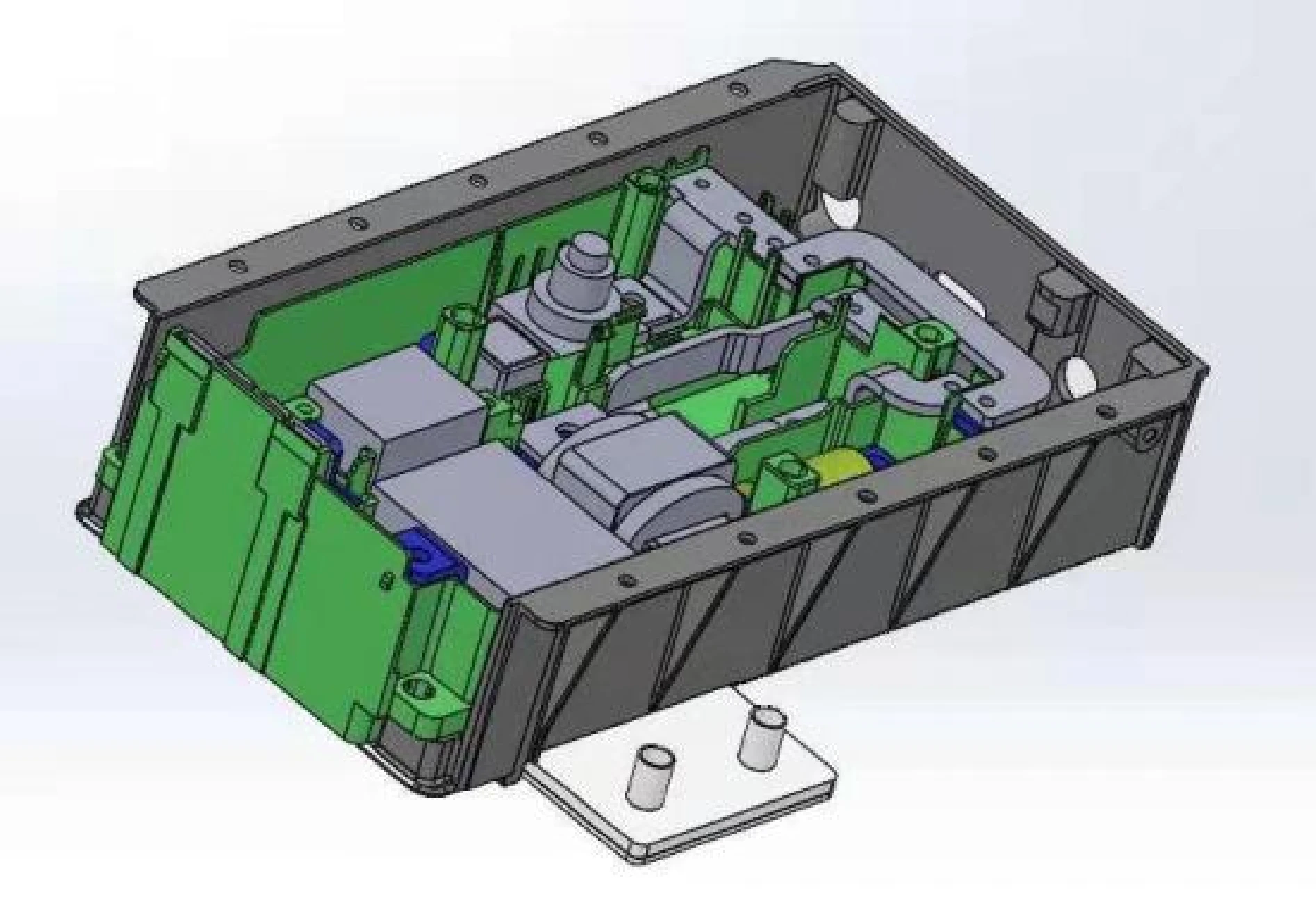
그림 03. 배터리 관리 시스템 개요
Typical battery system architecture showing the broader BMS structure inside a new energy vehicle battery pack.
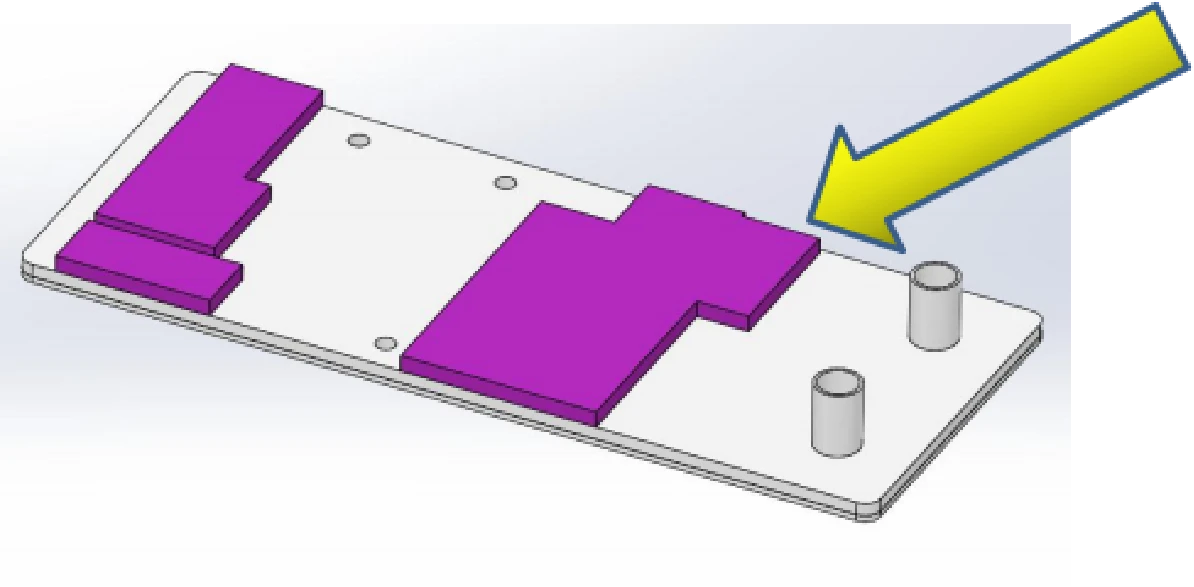
그림 04. BMS 제어 모듈 세부 정보
Example of compact thermal control layout in a BMS module where stable heat transfer is required.
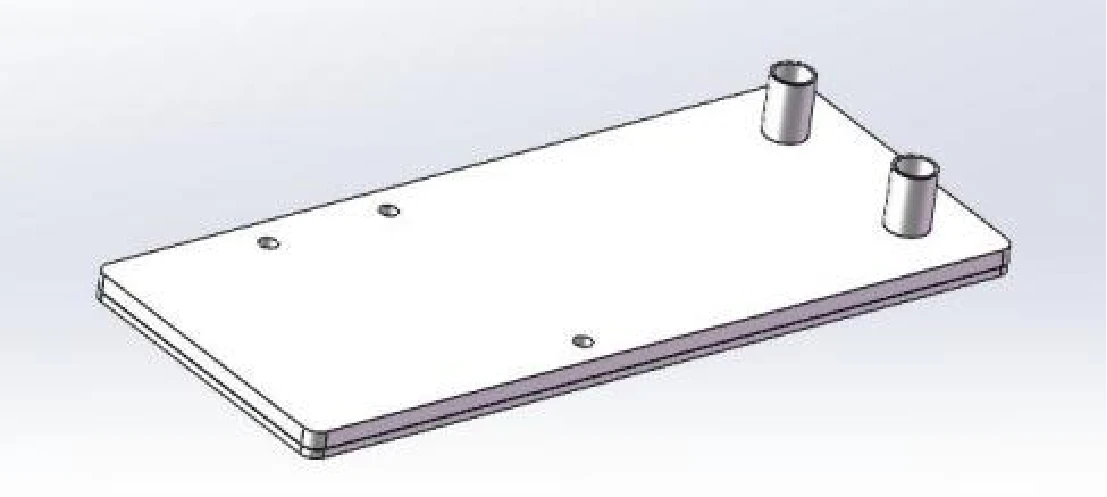
그림 05. BMS 칩 열 인터페이스 세부 정보
Typical non-silicone thermal material application near BMS chips and adjacent localized heat sources.
BMS(배터리 관리 시스템) is responsible for battery monitoring, protection, balancing, and maintenance.
In compact electrical structures, reliable thermal management is essential to long-term stability. Compared with conventional silicone-based materials,
non-silicone thermal pads help reduce contamination risk in silicone-sensitive battery control assemblies. 일반적인 적용 포인트:
BMS 칩, 제어 보드 및 근처의 국부적인 열원.
EV Battery Systems / BMS Chip-Level Design
애플리케이션 02B


BMS Chip and Localized Hot Spot Thermal Management
This case further illustrates how non-silicone thermal materials are used around BMS chip-level thermal interfaces. In compact battery control assemblies, local chips and control circuits require clean and stable thermal transfer to support safe, efficient, and reliable battery operation.
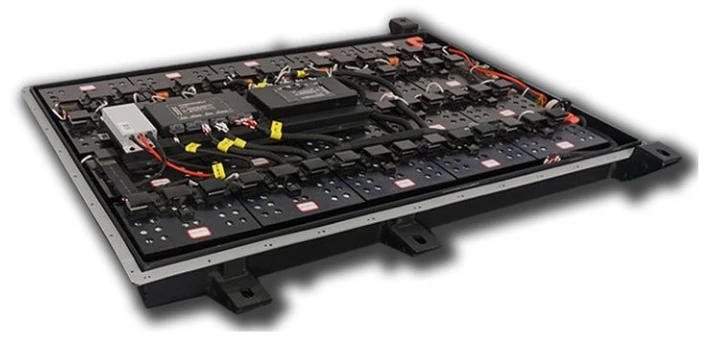
Figure 06. Pack-level battery management system overview
Representative battery pack structure showing the broader BMS-related assembly.
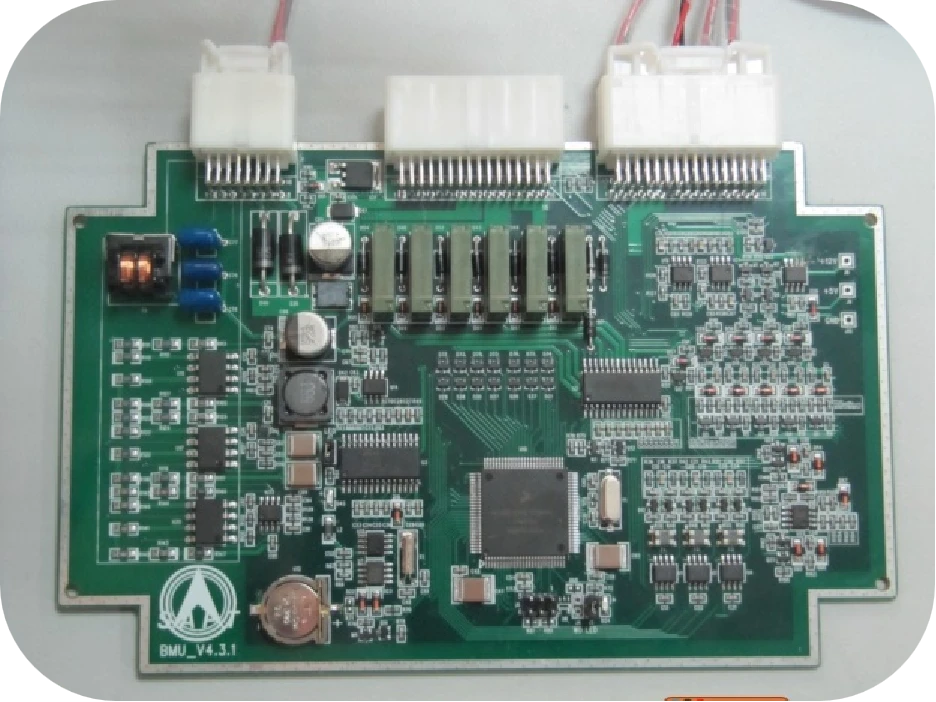
그림 07. BMS 칩 열 애플리케이션 세부 정보
BMS 칩 영역 주변에 비실리콘 열 소재를 배치한 일반적인 적용 지점을 강조합니다.
BMS(배터리 관리 시스템) is used for intelligent monitoring, management, and maintenance of battery units.
In chip-level thermal interfaces, non-silicone thermal pads help provide cleaner heat transfer while reducing the contamination risk
associated with silicone-sensitive control assemblies. 일반적인 적용 포인트: BMS chips and adjacent localized hot spots.
자동차 전자 제품
애플리케이션 03


Non-Silicone Thermal Pads for Cameras, ADAS, LiDAR, and LED Modules
비실리콘 열 재료는 다음 분야에서 널리 사용됩니다. 자동차 전자 제품, especially in contamination-sensitive modules such as vehicle cameras, ADAS sensors, LiDAR, and LED lamp assemblies. Compared with conventional silicone-based materials, they help provide cleaner heat transfer and improved long-term reliability in optical and electronic vehicle systems.
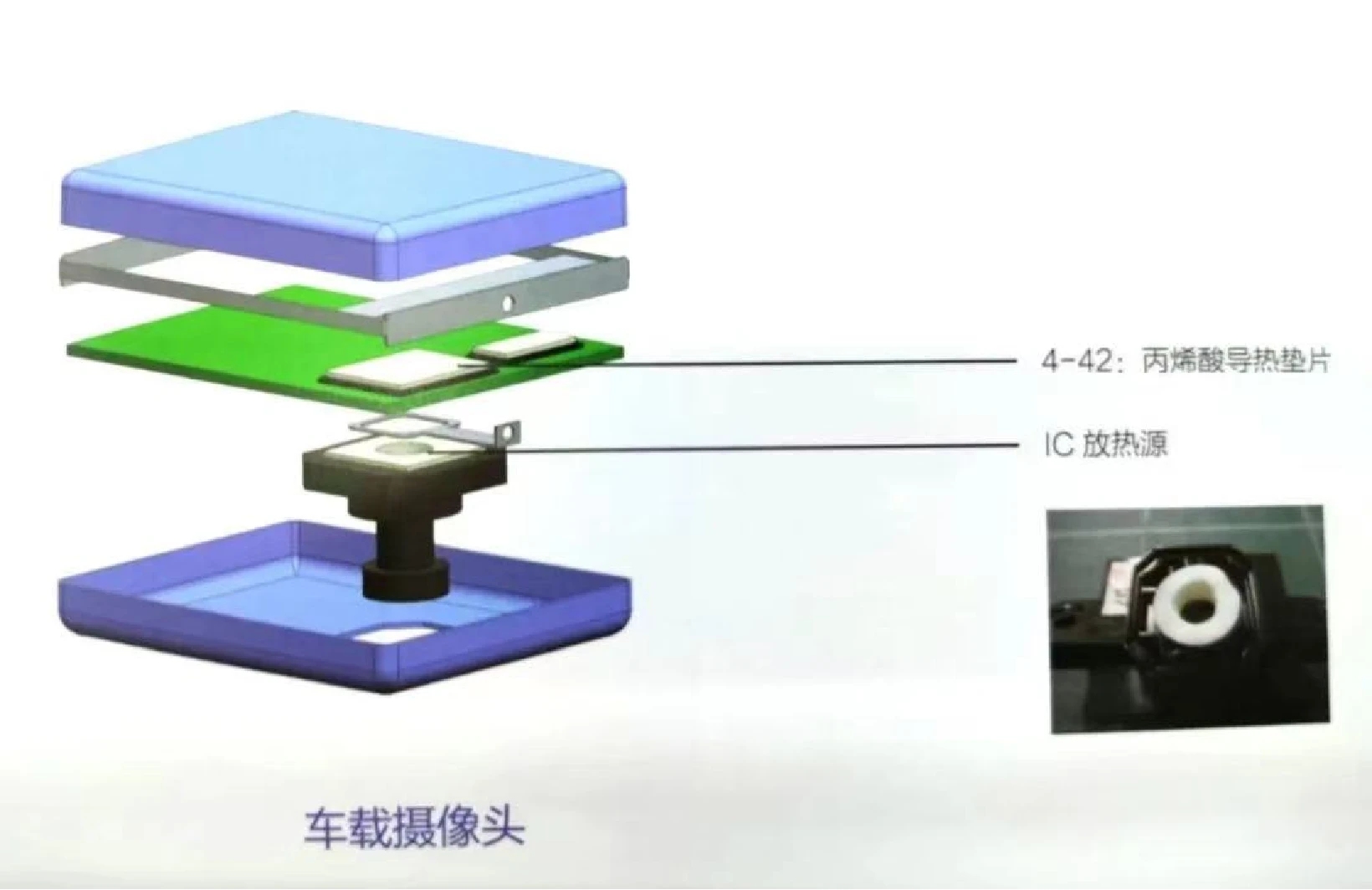
그림 08. 자동차 전장 애플리케이션 개요
Representative application showing non-silicone thermal materials used in vehicle electronic modules.
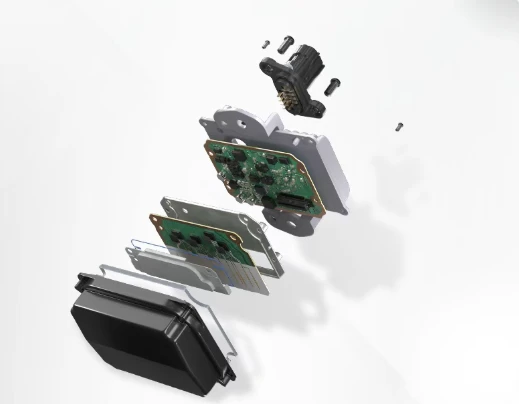
그림 09. 광학 및 감지 모듈 세부 정보
Typical thermal interface application in vehicle camera, ADAS, LiDAR, or related optical electronic hardware.
자동차 전자 제품 include vehicle cameras, ADAS sensors, LiDAR, audio and video systems, and LED lamps.
These modules require efficient heat transfer and lower contamination risk to help preserve optical clarity and electrical reliability.
일반적인 적용 포인트: camera modules, ADAS / LiDAR sensing areas, optical regions, and nearby thermal interface positions.
광통신
애플리케이션 04


Non-Silicone Thermal Management for Optical Modules and Transceivers
비실리콘 열 재료는 다음 분야에서 널리 사용됩니다. 광통신 equipment, especially in high-speed transceivers and optical modules where low contamination risk and stable heat transfer are both critical. In optical module transmitter and IC chip positions, silicone-free thermal pads help support cleaner and more reliable thermal management.
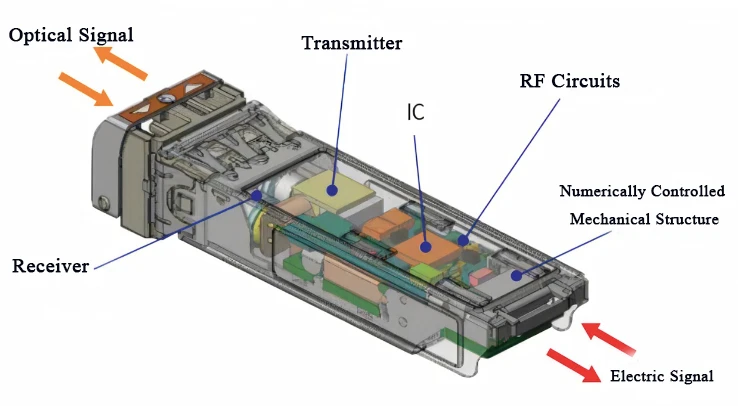
Figure 10. 10 W/m·K non-silicone thermal pad for optical transmitters and IC chips
광학 모듈 송신기 및 IC 칩 영역의 일반적인 열 인터페이스 애플리케이션입니다.

그림 11. 800G/1.6T 고속 OSFP 트랜시버
Representative high-speed optical communication module requiring efficient, clean, and stable heat dissipation.
Optical communication applications: optical transmission equipment, optical transceivers,
transmitters, and related high-speed communication modules.
Monitoring Devices / SSD Storage
애플리케이션 05


Monitoring Devices, Camera Systems, and SSD Storage
비실리콘 열 재료는 다음에 적합합니다. 모니터링 장치, 카메라 장비, SSD 스토리지 시스템, and other precision electronics where optical cleanliness and dust control are important to long-term performance.
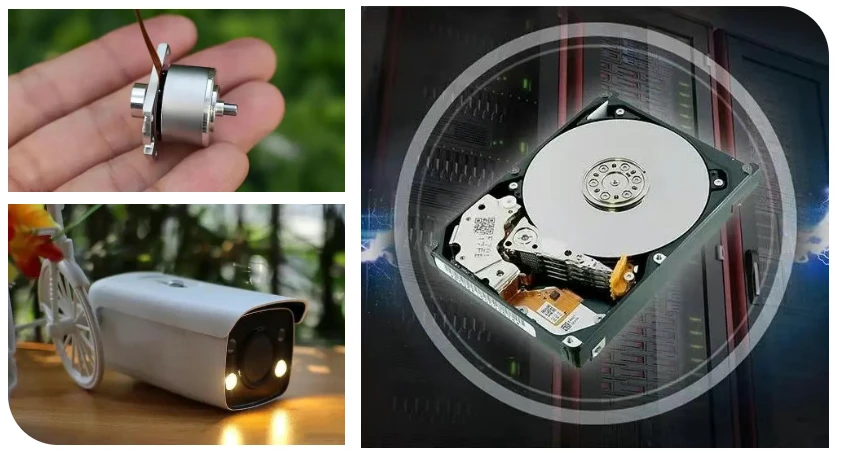
Monitoring and camera equipment: volatile residue generated during heating may condense on optical surfaces,
contaminate lenses, and reduce image clarity.
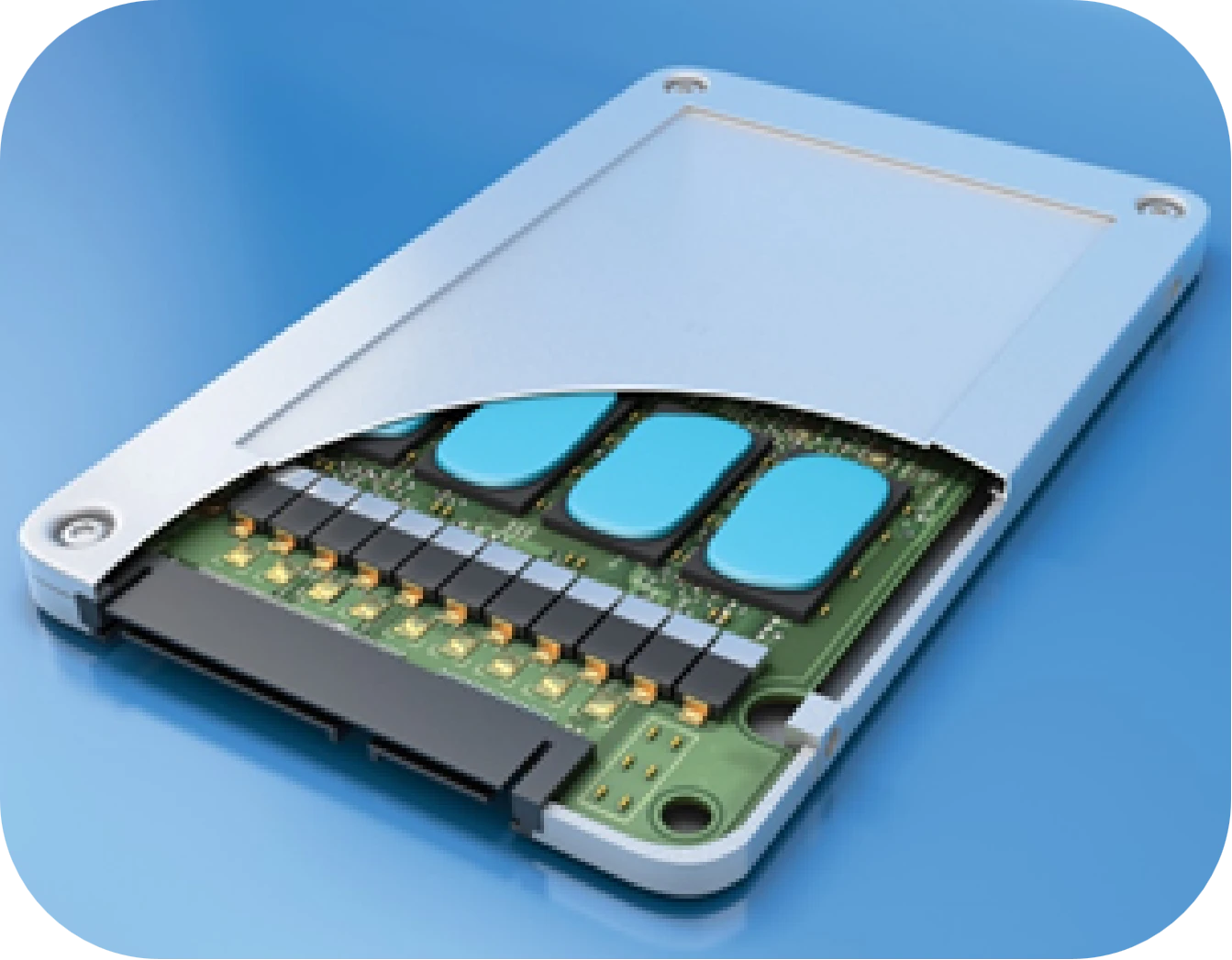
SSD storage devices: bleeding silicone oil may attract dust and contaminate critical components,
increasing the risk of read/write instability and storage failure.