-
ADD: Building 2, No. 8 Hengzhutang Road, Dongguan
-
Phone: +86 135 4224 3751

Non-Silicone Thermal Management for EV Battery Systems
As the “bridge” in an electronic thermal management system, thermal interface materials directly affect the service life and stability of key components such as chips and batteries. Compared with conventional silicone-based materials, non-silicone thermal products are designed for cleaner and more reliable operation in silicone-sensitive applications.
Key Benefits of Non-Silicone Thermal Pads
Key Benefits of Non-Silicone Thermal Pads
Sheen AF Series non-silicone thermal pads are designed to support cleaner thermal interfaces in automotive, optical, and precision electronics. The material system combines low bleed behavior, practical thermal conductivity options, and reliable mechanical performance for long-term use.
I
No Silicone Oil Bleed
Helps avoid silicone oil migration and supports cleaner thermal interfaces in contamination-sensitive assemblies.
II
Low Volatile Contamination Risk
Suitable for applications where fogging, surface residue, or silicone-sensitive components are a concern.
III
1.5–10 W/m·K Thermal Conductivity
Multiple conductivity grades help match different heat loads, gap conditions, and product designs.
IV
Reliable Heat Aging Performance
Designed for long-term thermal management with good heat aging resistance and stable physical performance.
V
Balanced Toughness and Strength
Good toughness, tensile strength, and compression behavior help improve handling and assembly reliability.
VI
Natural Tack for Easier Assembly
Surface tack helps simplify pad placement during installation and supports convenient manual or automated assembly.
Feature Image
Image Position 01

Figure F01. Non-silicone thermal pad feature overview
Representative image showing the core characteristics of Sheen non-silicone thermal pad materials.
Feature Image
Image Position 02

Figure F02. Material performance and handling display
Visual summary of performance and application characteristics for non-silicone thermal pads.
Integrity · Professionalism · Win-Win · User-Oriented
Sheen
Low Bleed Performance and Aging Reliability
Oil Bleed Comparison and Reliability Validation
For silicone-sensitive applications, low bleed behavior is one of the main reasons to select a non-silicone thermal interface material. The comparison below highlights the difference in bleed behavior, while the aging test results show the stability of AF500 after prolonged heat exposure.
Oil Bleed Comparison: Silicone vs. Non-Silicone Pads
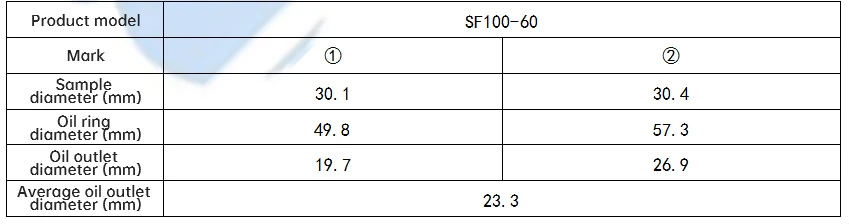
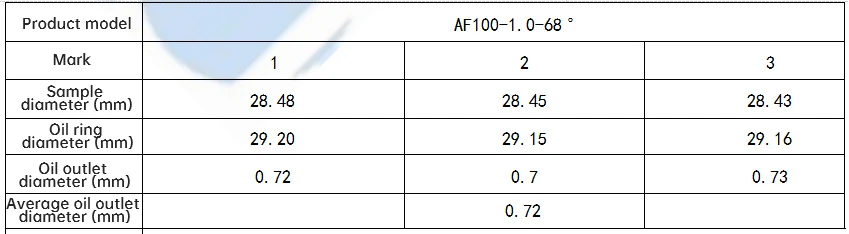


At the same thermal conductivity level, the oil bleed ring diameter of a silicone thermal pad can be several times or even dozens of times larger than that of a non-silicone thermal pad.
AF500 Heat Aging Reliability Test
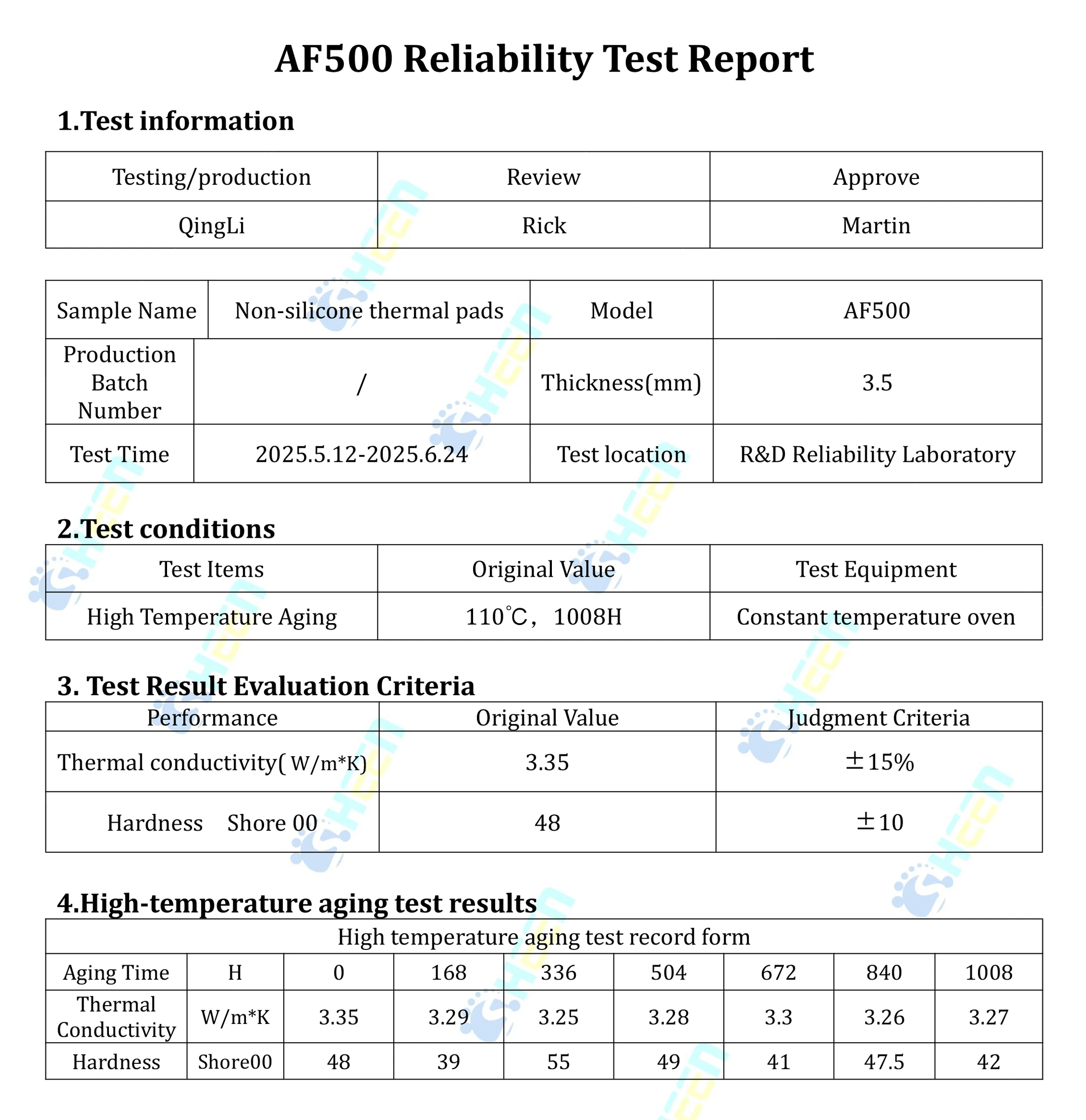
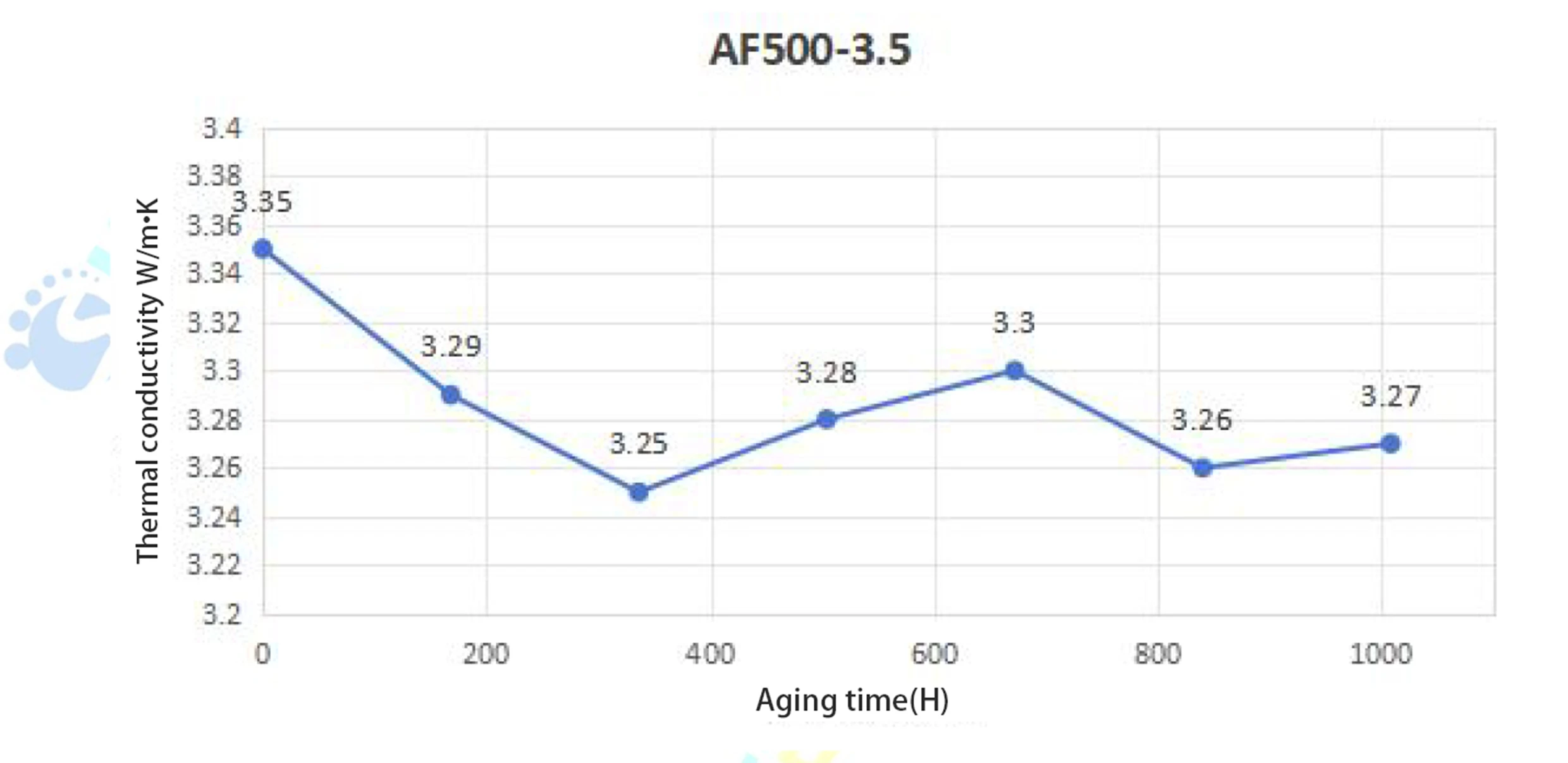
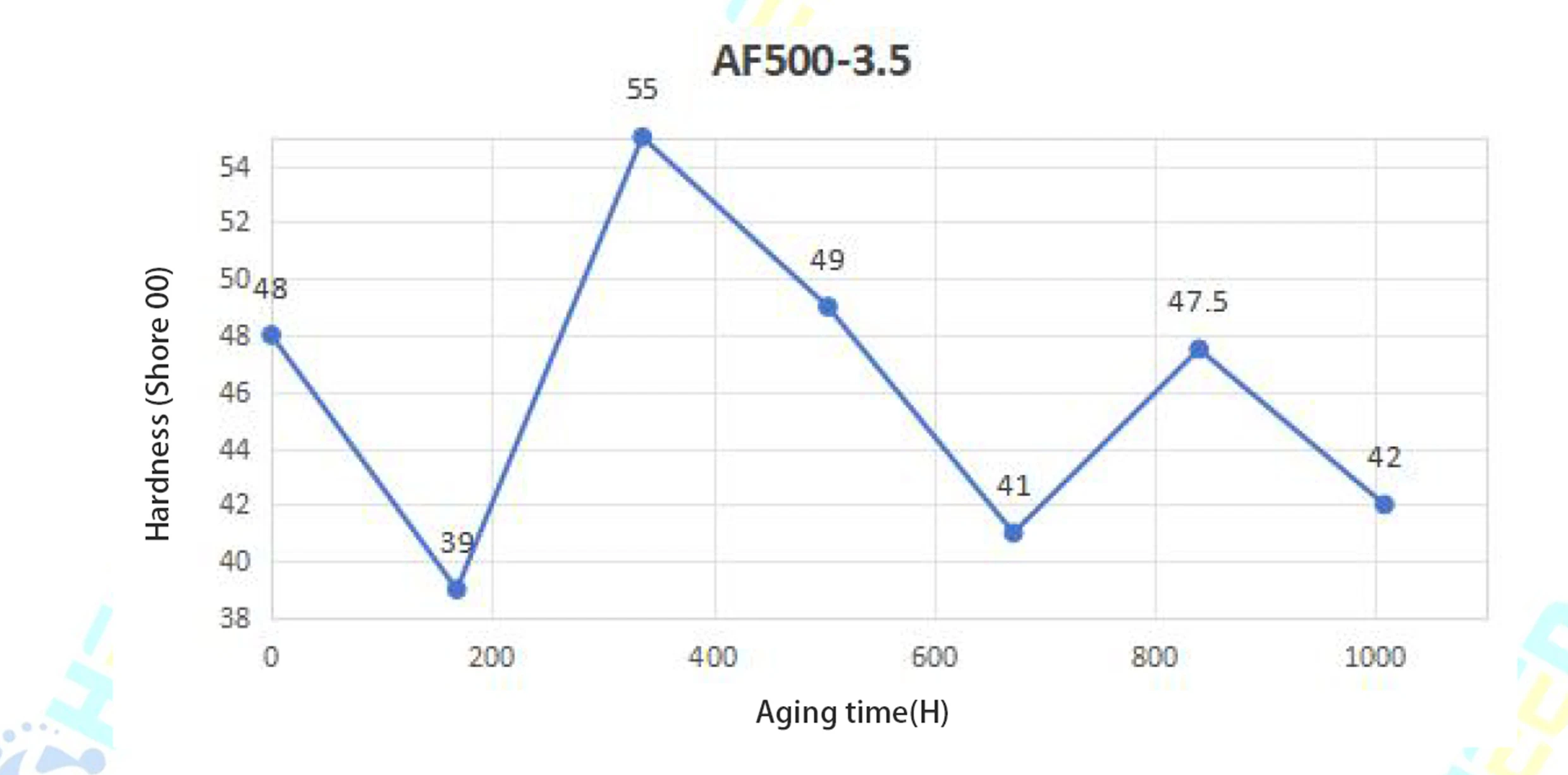
After aging at 110°C for 1008 hours, AF500 maintained acceptable thermal conductivity and hardness, with no visible appearance change.
Integrity · Professionalism · Win-Win · User-Oriented
Sheen
Application Cases
Application Cases for EV Battery Systems, Automotive Electronics, and Precision Devices
Non-silicone thermal pads are most valuable in contamination-sensitive thermal interfaces. Typical applications include EV battery packs, BDU, BMS, cameras, ADAS, LiDAR, optical transceivers, SSD storage, and other precision electronic modules that require clean and stable heat transfer.
EV Battery Systems
Typical application points include battery packs, BDU, and BMS assemblies.
Automotive Electronics
Used in vehicle cameras, ADAS, LiDAR, LED modules, and related electronics.
Optical Communication
Suitable for optical transceivers, transmitter modules, and high-speed communication hardware.
Precision Electronics
Applicable to SSD, monitoring devices, industrial cameras, and other silicone-sensitive electronics.
Application Image
EV Battery / BDU
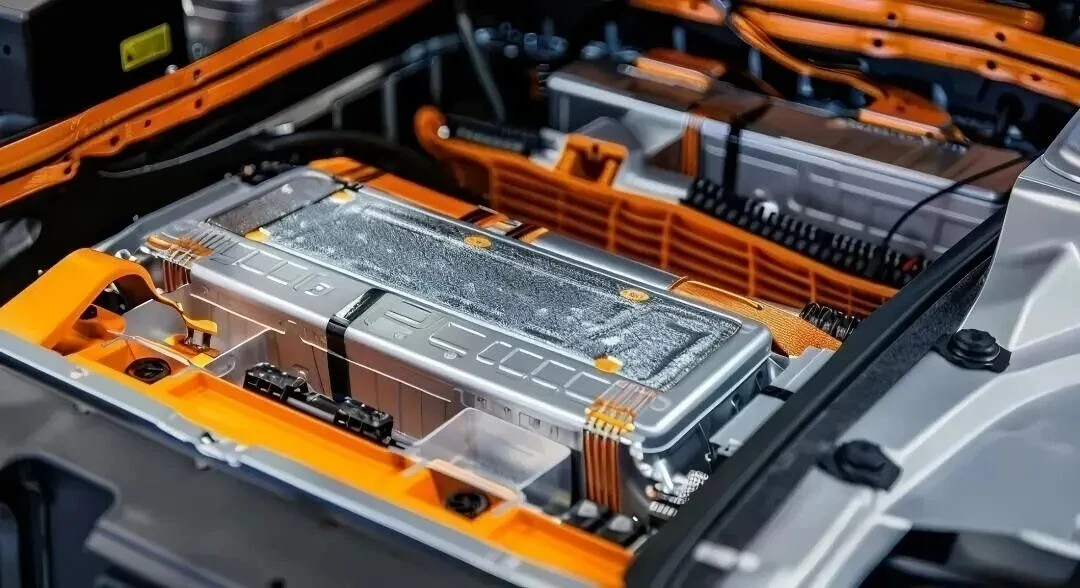
Figure A01. BDU thermal management in new energy vehicles
Typical non-silicone thermal pad application in a battery disconnect unit for cleaner long-term heat transfer.
Application Image
EV Battery / BMS
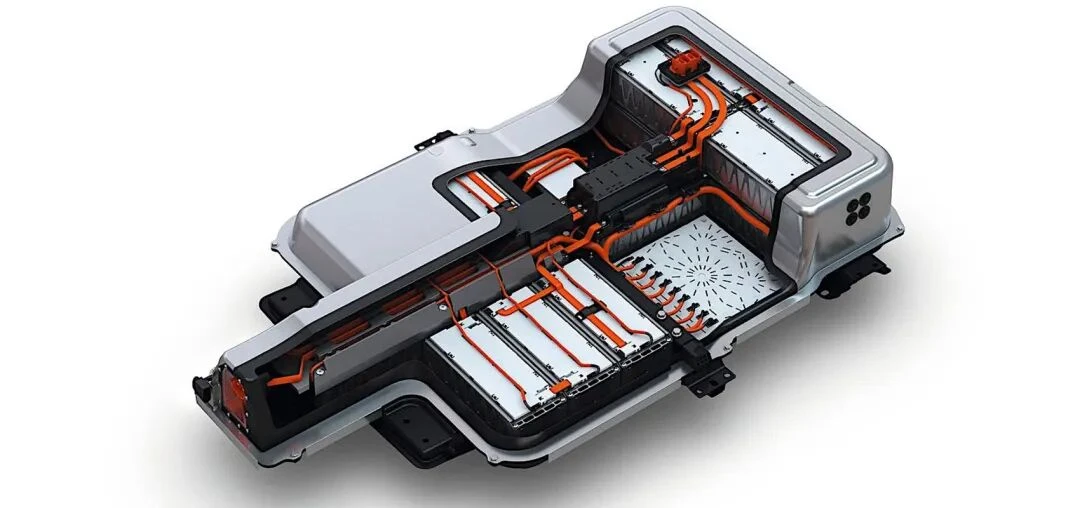
Figure A02. BMS thermal management in EV battery systems
Application example showing silicone-free thermal materials used in battery management and localized heat control areas.
Integrity · Professionalism · Win-Win · User-Oriented
Sheen
EV Battery Systems / BDU
Application 01


BDU Thermal Management in EV Battery Packs
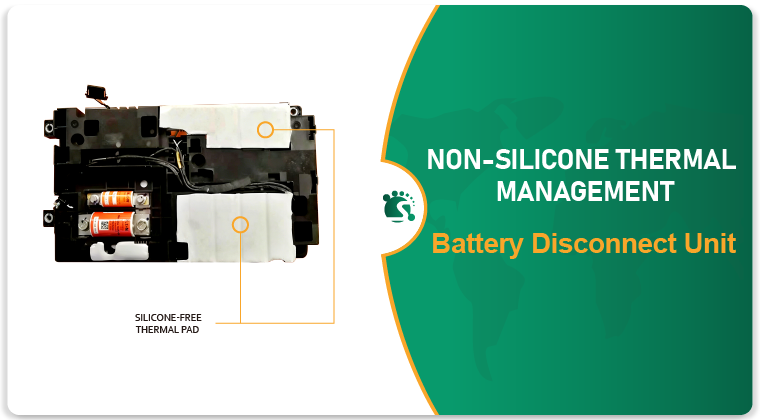
Non-silicone thermal pads are widely used in EV battery systems where electrical contacts, localized hot spots, and contamination-sensitive assemblies require cleaner long-term thermal management. In the BDU, typical thermal interface positions include power contactors, high-voltage connection bars, and other concentrated heat sources.
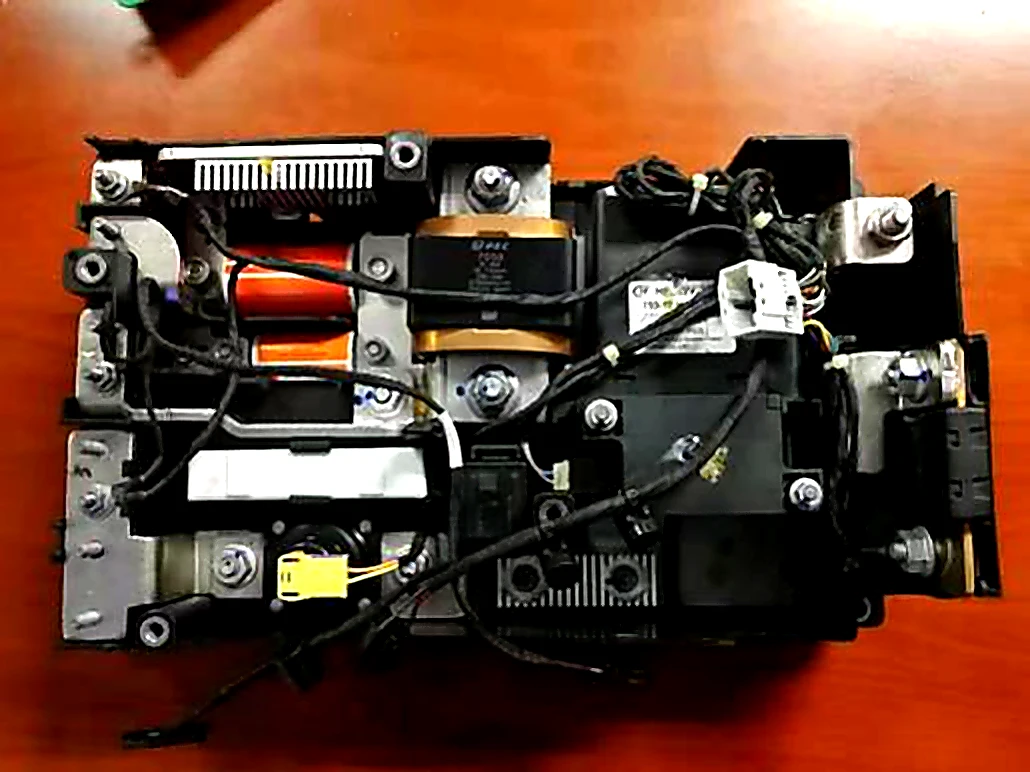
Figure 01. Battery disconnect unit structure
Internal BDU assembly showing the main components inside an EV battery system.
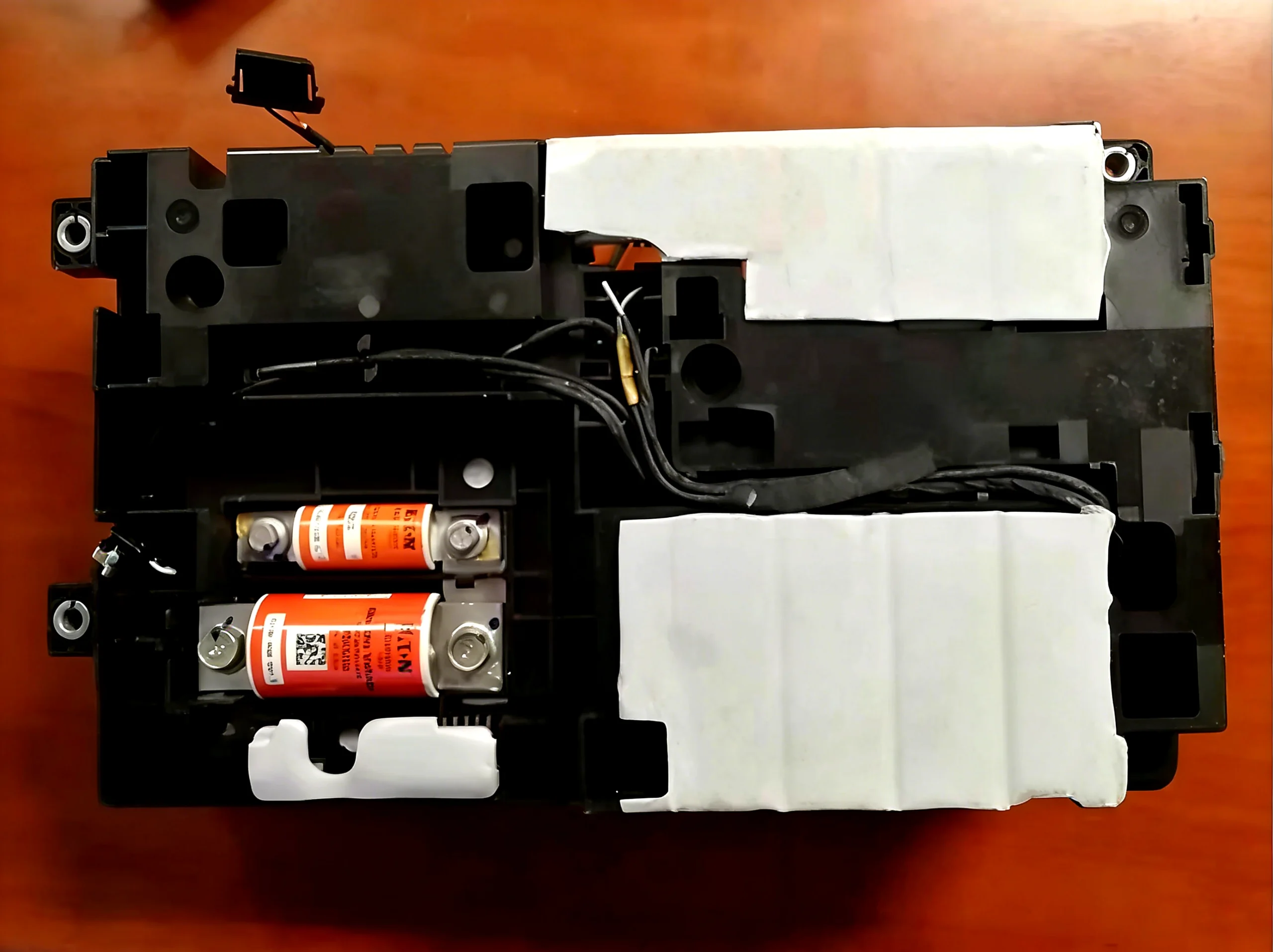
Figure 02. Typical thermal pad placement in BDU
Representative thermal interface locations for heat transfer and contamination control inside the BDU.
BDU (Battery Disconnect Unit) is one of the core assemblies inside the battery pack.
It integrates relays, fuses, current sensing elements, external high-voltage copper bars, signal terminals, and motion connectors.
In long-term service, conventional silicone thermal pads may release low-molecular siloxanes that can migrate onto relay contacts
or PCB surfaces. Non-silicone thermal pads help reduce that risk while supporting stable heat transfer. Typical application points:
power contactors, high-voltage connection bars, and nearby hot spots.
EV Battery Systems / BMS
Application 02


BMS Thermal Management for Control Boards and Chips
Non-silicone thermal materials are widely used in battery management systems (BMS), where control boards, local power devices, and compact chips require stable heat transfer in a contamination-sensitive environment. Typical thermal points include BMS chips, control modules, and nearby heat-generating components.
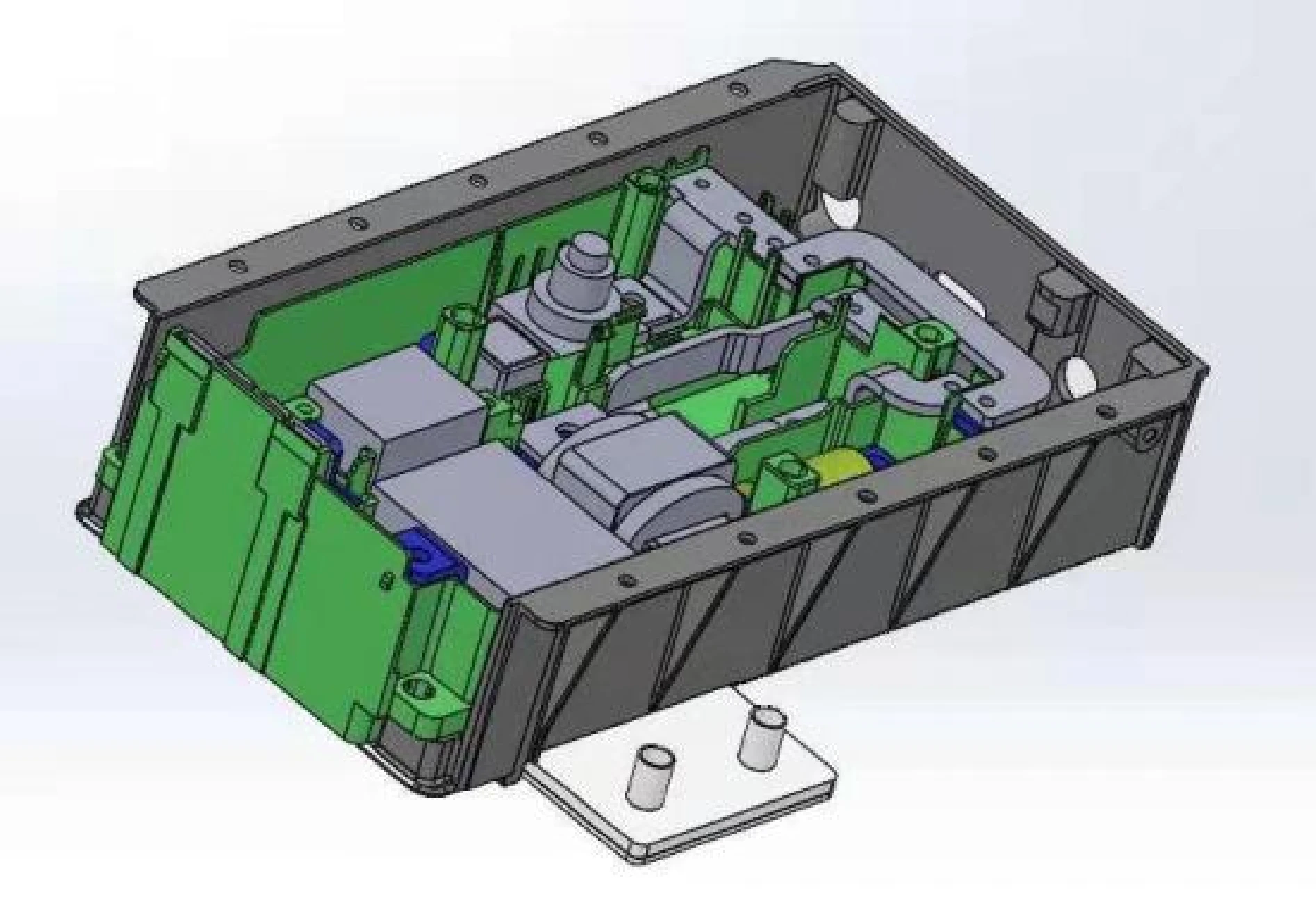
Figure 03. Battery management system overview
Typical battery system architecture showing the broader BMS structure inside a new energy vehicle battery pack.
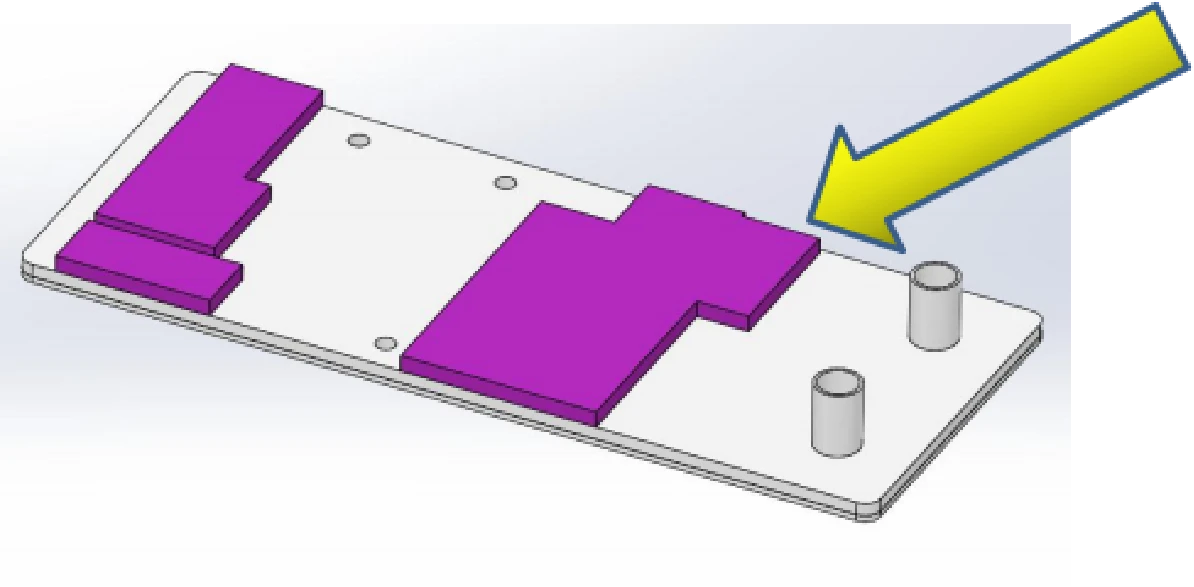
Figure 04. BMS control module detail
Example of compact thermal control layout in a BMS module where stable heat transfer is required.
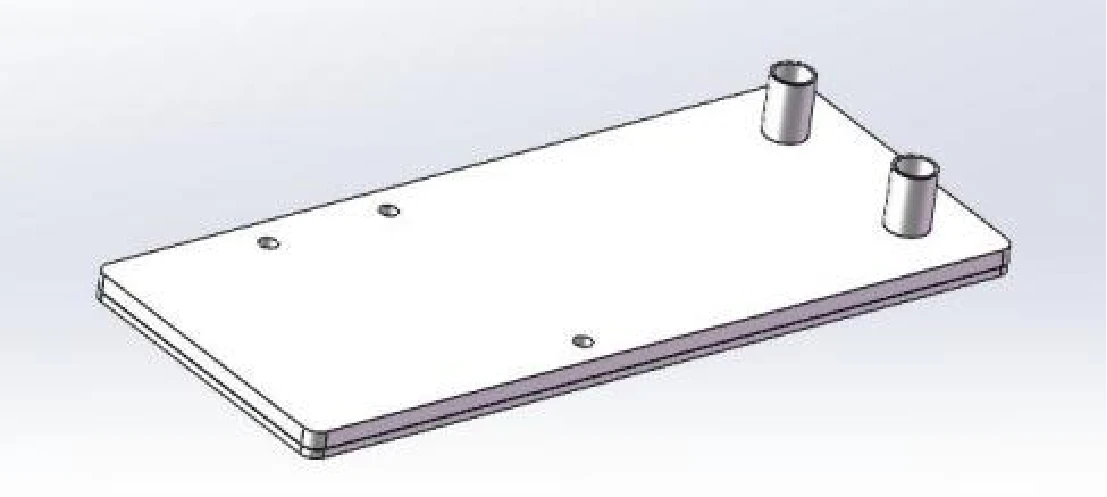
Figure 05. BMS chip thermal interface detail
Typical non-silicone thermal material application near BMS chips and adjacent localized heat sources.
BMS (Battery Management System) is responsible for battery monitoring, protection, balancing, and maintenance.
In compact electrical structures, reliable thermal management is essential to long-term stability. Compared with conventional silicone-based materials,
non-silicone thermal pads help reduce contamination risk in silicone-sensitive battery control assemblies. Typical application points:
BMS chips, control boards, and nearby localized heat sources.
EV Battery Systems / BMS Chip-Level Design
Application 02B


BMS Chip and Localized Hot Spot Thermal Management
This case further illustrates how non-silicone thermal materials are used around BMS chip-level thermal interfaces. In compact battery control assemblies, local chips and control circuits require clean and stable thermal transfer to support safe, efficient, and reliable battery operation.
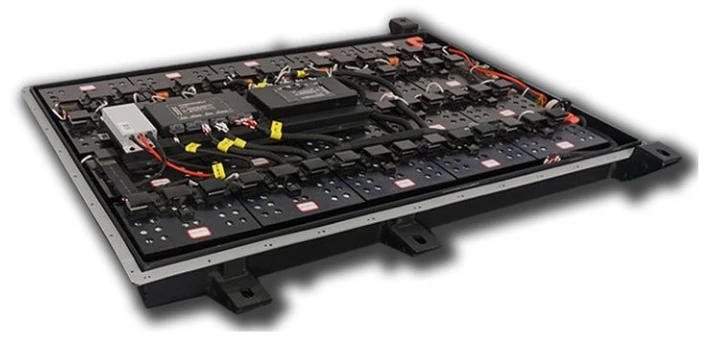
Figure 06. Pack-level battery management system overview
Representative battery pack structure showing the broader BMS-related assembly.
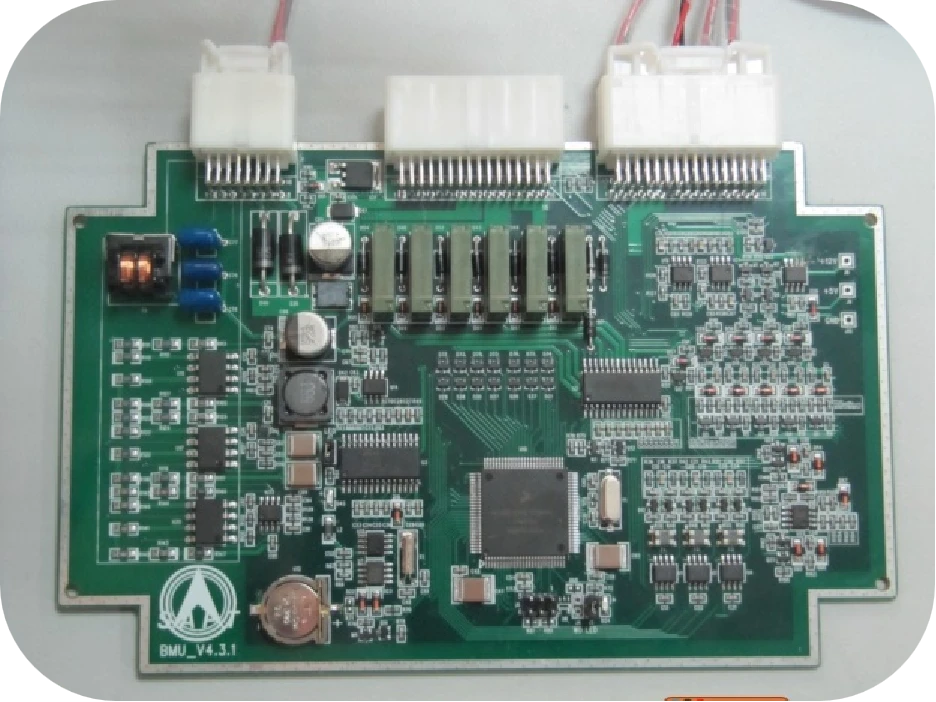
Figure 07. BMS chip thermal application detail
Typical application point highlighting non-silicone thermal material placement around the BMS chip area.
BMS (Battery Management System) is used for intelligent monitoring, management, and maintenance of battery units.
In chip-level thermal interfaces, non-silicone thermal pads help provide cleaner heat transfer while reducing the contamination risk
associated with silicone-sensitive control assemblies. Typical application point: BMS chips and adjacent localized hot spots.
Automotive Electronics
Application 03


Non-Silicone Thermal Pads for Cameras, ADAS, LiDAR, and LED Modules
Non-silicone thermal materials are widely used in automotive electronics, especially in contamination-sensitive modules such as vehicle cameras, ADAS sensors, LiDAR, and LED lamp assemblies. Compared with conventional silicone-based materials, they help provide cleaner heat transfer and improved long-term reliability in optical and electronic vehicle systems.
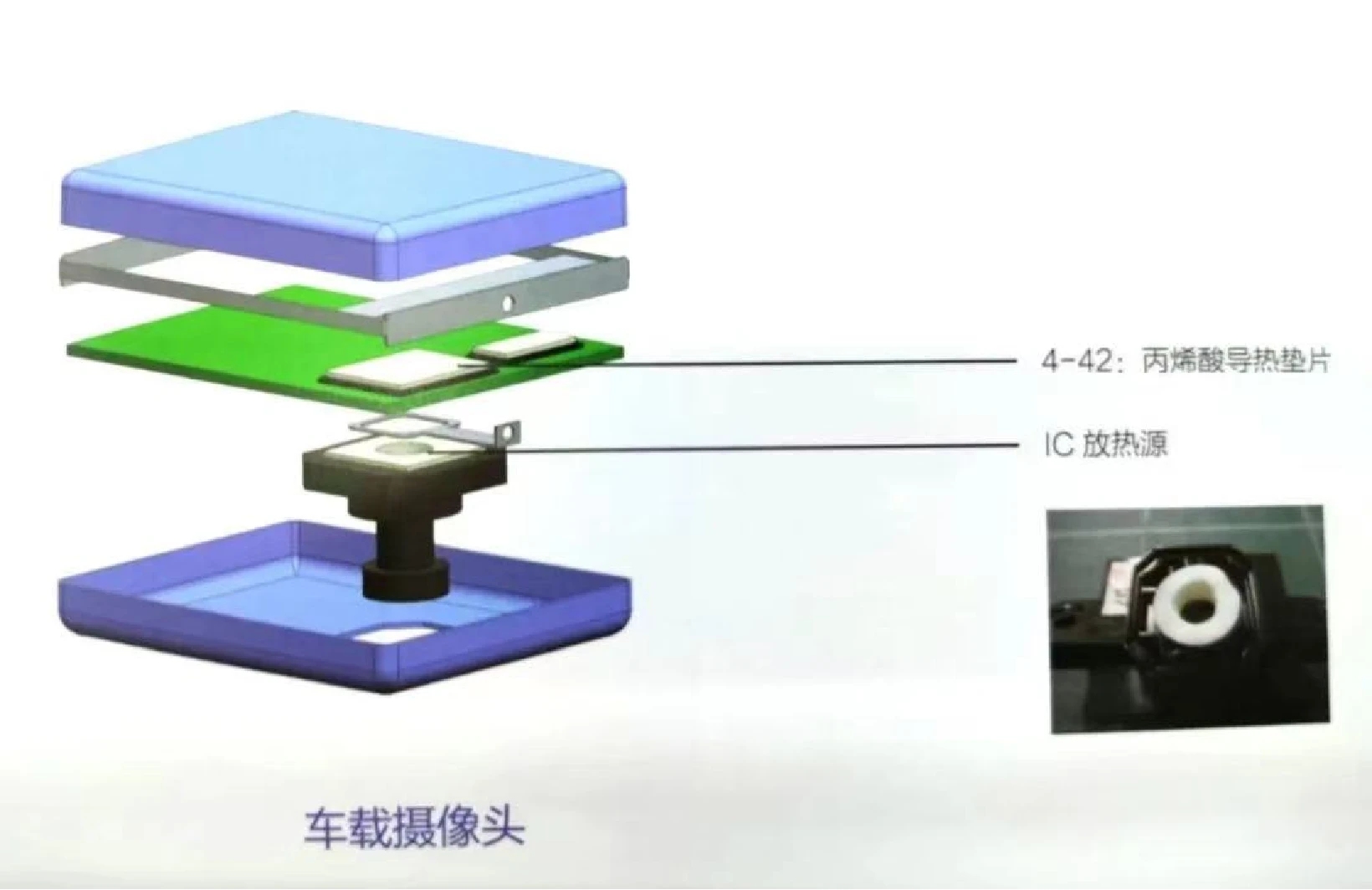
Figure 08. Automotive electronics application overview
Representative application showing non-silicone thermal materials used in vehicle electronic modules.
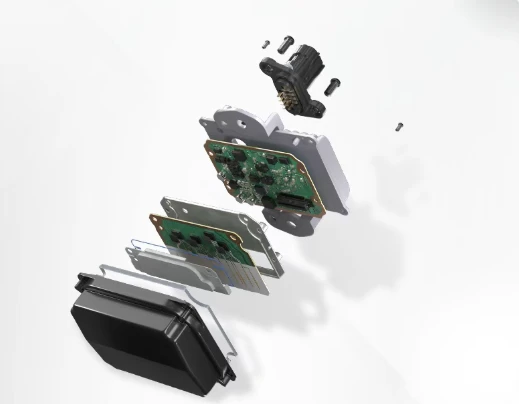
Figure 09. Optical and sensing module detail
Typical thermal interface application in vehicle camera, ADAS, LiDAR, or related optical electronic hardware.
Automotive electronics include vehicle cameras, ADAS sensors, LiDAR, audio and video systems, and LED lamps.
These modules require efficient heat transfer and lower contamination risk to help preserve optical clarity and electrical reliability.
Typical application points: camera modules, ADAS / LiDAR sensing areas, optical regions, and nearby thermal interface positions.
Optical Communication
Application 04


Non-Silicone Thermal Management for Optical Modules and Transceivers
Non-silicone thermal materials are widely used in optical communication equipment, especially in high-speed transceivers and optical modules where low contamination risk and stable heat transfer are both critical. In optical module transmitter and IC chip positions, silicone-free thermal pads help support cleaner and more reliable thermal management.
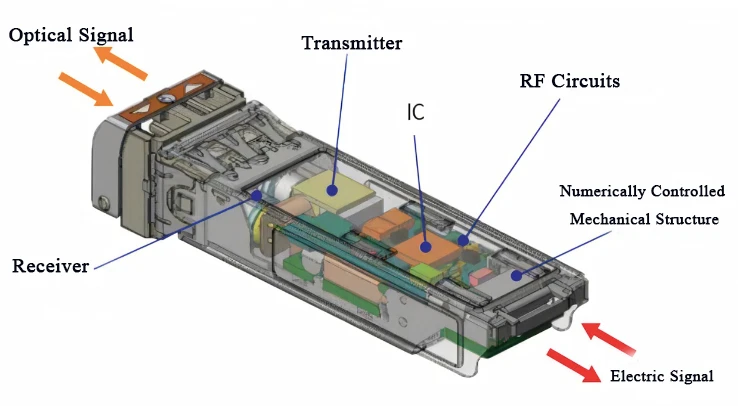
Figure 10. 10 W/m·K non-silicone thermal pad for optical transmitters and IC chips
Typical thermal interface application in optical module transmitter and IC chip areas.

Figure 11. 800G / 1.6T high-speed OSFP transceiver
Representative high-speed optical communication module requiring efficient, clean, and stable heat dissipation.
Optical communication applications: optical transmission equipment, optical transceivers,
transmitters, and related high-speed communication modules.
Monitoring Devices / SSD Storage
Application 05


Monitoring Devices, Camera Systems, and SSD Storage
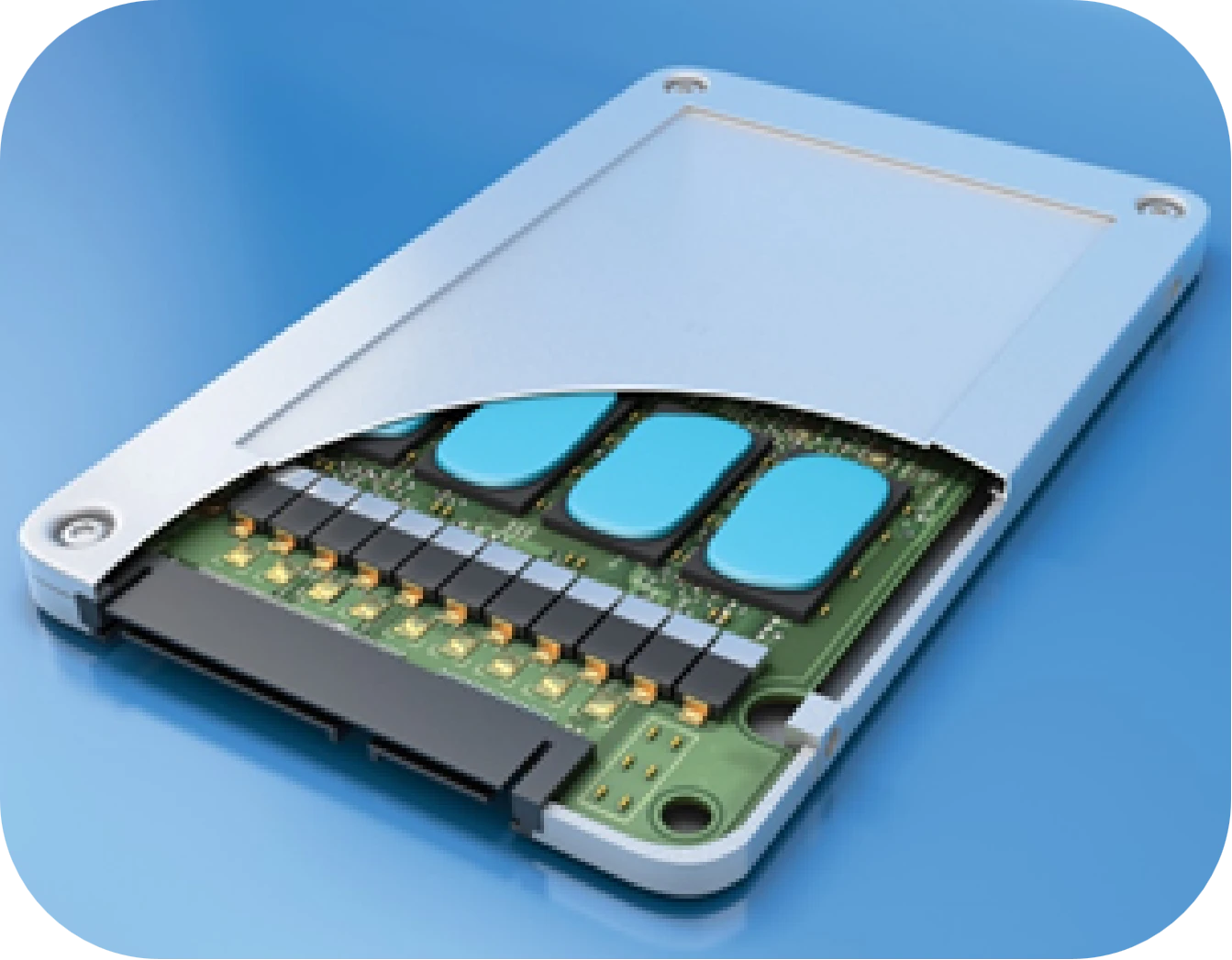
Non-silicone thermal materials are suitable for monitoring devices, camera equipment, SSD storage systems, and other precision electronics where optical cleanliness and dust control are important to long-term performance.
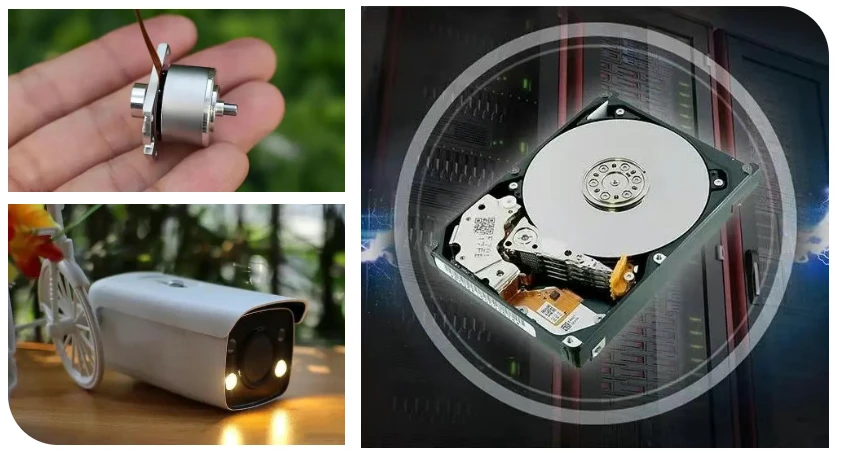
Monitoring and camera equipment: volatile residue generated during heating may condense on optical surfaces,
contaminate lenses, and reduce image clarity.
SSD storage devices: bleeding silicone oil may attract dust and contaminate critical components,
increasing the risk of read/write instability and storage failure.