-
ADD: Building 2, No. 8 Hengzhutang Road, Dongguan
-
Phone: +86 135 4224 3751

Communication and AI Infrastructure
In communication and AI infrastructure, Sheen’s thermal interface and functional materials—thermal pads, gels/greases, silicone foam, and EMI absorbers—help cool high-power components and protect assemblies in 5G base stations, optical modules, and AI servers. They reduce hotspots, improve reliability under harsh conditions, and support stable signal and system performance.
Overview
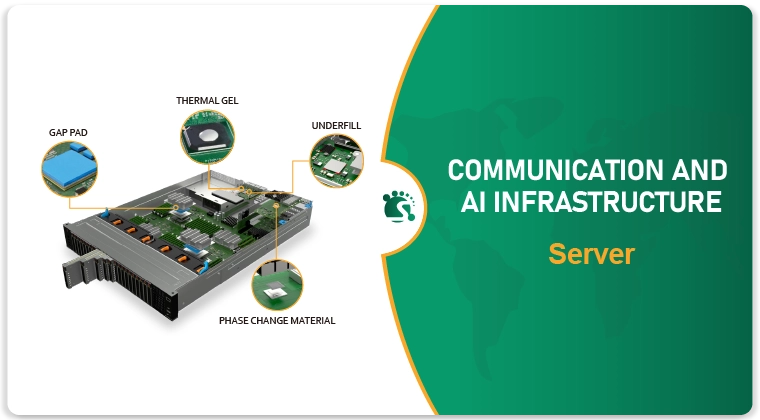
Server Thermal Materials Applications
Thermal interface materials (TIMs) such as thermal pads, thermal gels/greases, and phase change materials reduce contact resistance between CPUs/GPUs, VRMs, memory, and heat sinks/cold plates, enabling stable high-load performance in servers and AI systems.
They help suppress hotspots, support long-term reliability under thermal cycling, and improve overall cooling efficiency for higher uptime.
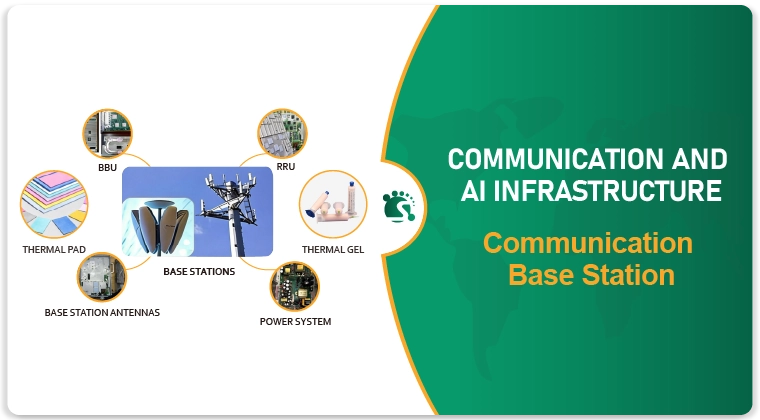
Communication Base Station Thermal Materials Applications
In 4G/5G base stations, TIMs and functional materials manage heat from PAs, BBUs/RRUs, power supplies, and RF modules, transferring heat to housings or heat sinks for reliable outdoor operation.
Silicone foam supports sealing and cushioning, while EMI absorbing materials help reduce interference risks without compromising thermal performance.
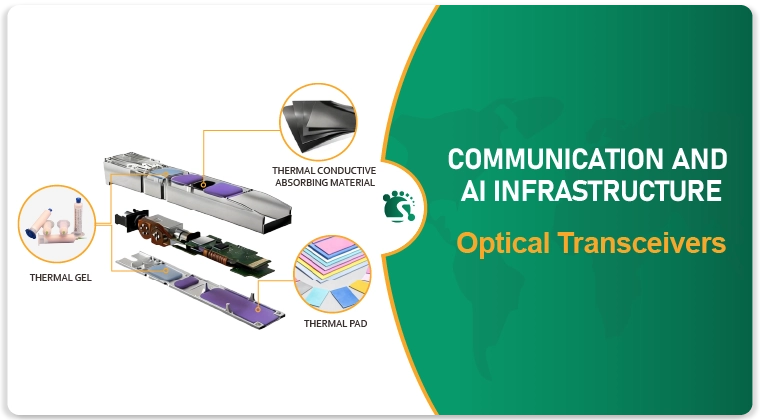
Optical Module Thermal Materials Applications
Optical modules require tight thermal control to maintain wavelength stability and signal integrity. Thermal pads, gels, and low-bleed materials improve heat transfer from DSP/driver ICs and lasers to the module case or heat spreader.
These solutions reduce temperature drift, improve long-term reliability, and support stable performance in high-speed data links.
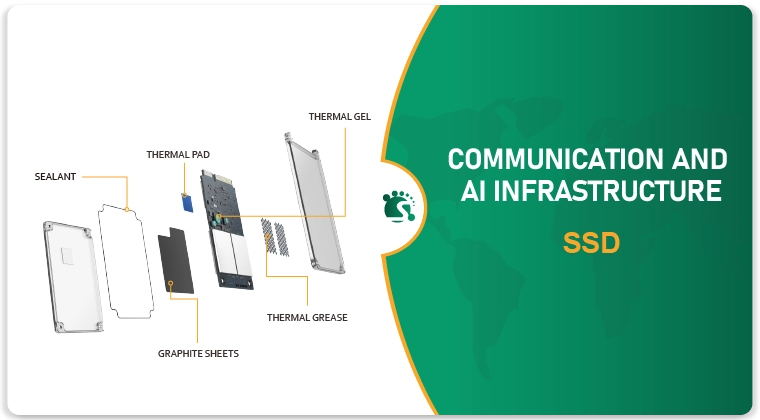
SSD Thermal Materials Applications
SSDs generate localized hotspots on the controller and NAND packages during sustained read/write workloads. Thermal pads and gap fillers create a low-resistance path to heat spreaders, chassis, or heat sinks, reducing throttling.
This improves sustained throughput, lowers peak temperature, and enhances long-term reliability in servers, storage arrays, and edge systems.
Benefits
Optimize Thermal Performancewith Sheen Materials
Cooler Hotspots, Higher Uptime Stability
Reduce hotspots and improve heat transfer for servers, 5G base stations, optical modules, and SSDs. Helps prevent throttling, maintain stable throughput, and protect critical ICs under 24/7 workloads.
Longer Service Life, Lower Failure Risk
High-reliability TIMs keep consistent contact and thermal performance over time. Supports resistance to thermal cycling, vibration, and continuous load, reducing field failures and extending service life.
Consistent Batches, Easier Qualification
Tight thickness tolerance, stable compressibility, and repeatable adhesion/lamination behavior. Cuts engineering re-validation effort and minimizes batch-to-batch variation for faster qualification and procurement confidence.
Faster Sampling, Scalable Mass Production
From die-cut prototypes to volume production with stable yield and controlled processes. Shortens development cycles, improves on-time delivery, and supports multi-SKU / multi-region programs for infrastructure deployments.
Related Products
Discover product categories commonly used in this application. You can replace these cards with your own thermal materials, TIMs, foams, tapes, or soldering-related products.
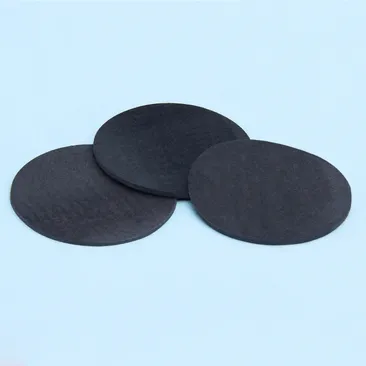
Thermal Pads
Soft, conformable thermal pads for gap filling and reliable heat transfer in electronics.
Browse ›
Thermal Grease
High-efficiency thermal grease solutions for CPUs, power modules, and industrial assemblies.
Browse ›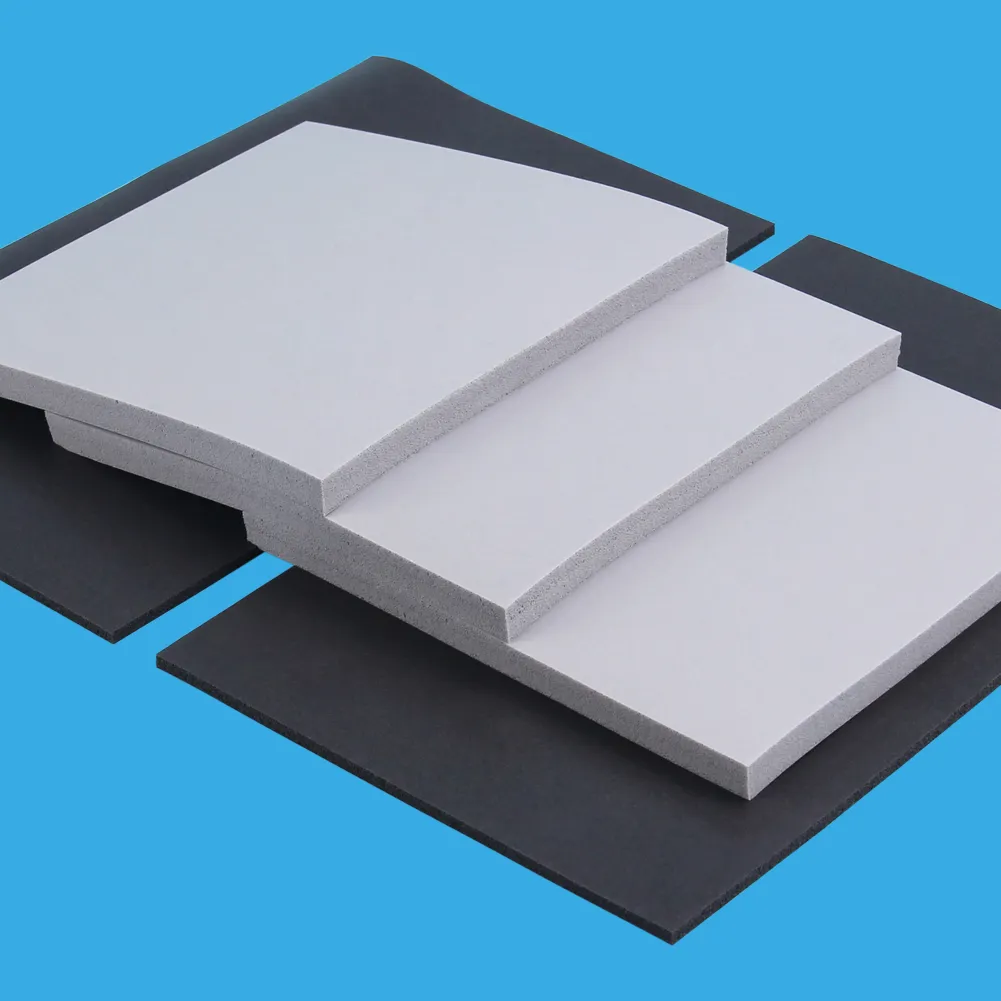
Silicone Foam
Foam materials for sealing, cushioning, insulation, and fire-barrier applications.
Browse ›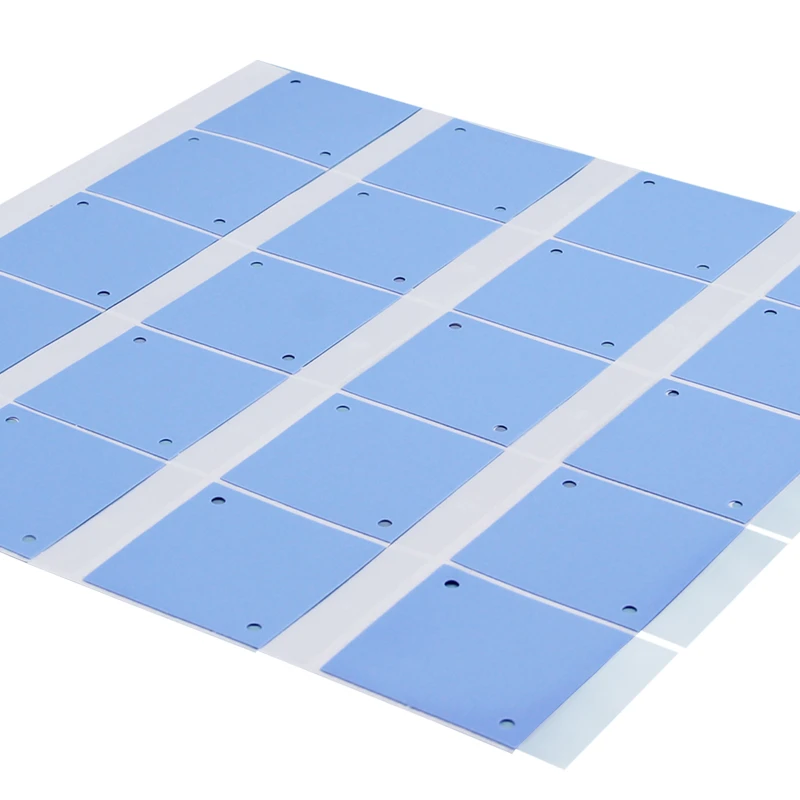
Thermal Tape
PSA laminated thermal tapes for fast assembly and consistent thermal interface bonding.
Browse ›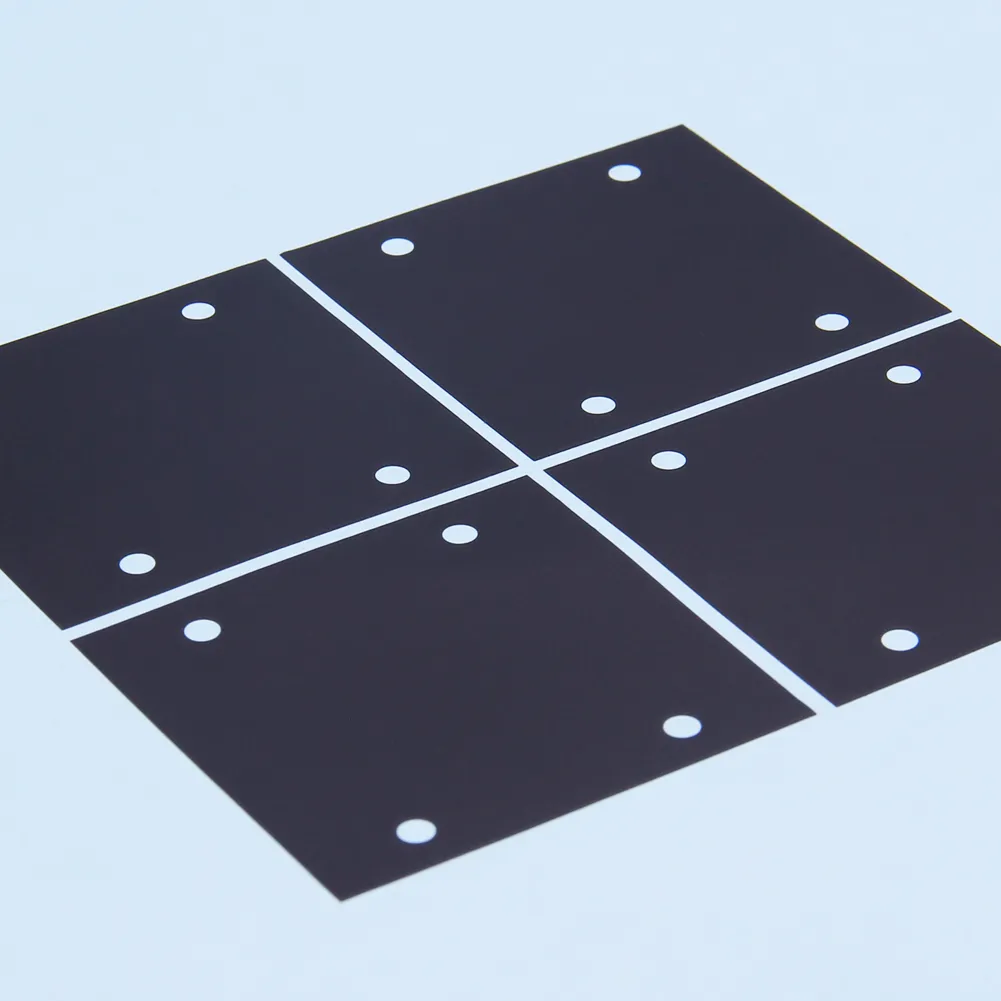
Graphite Sheet
High in-plane conductivity graphite materials for heat spreading in compact devices.
Browse ›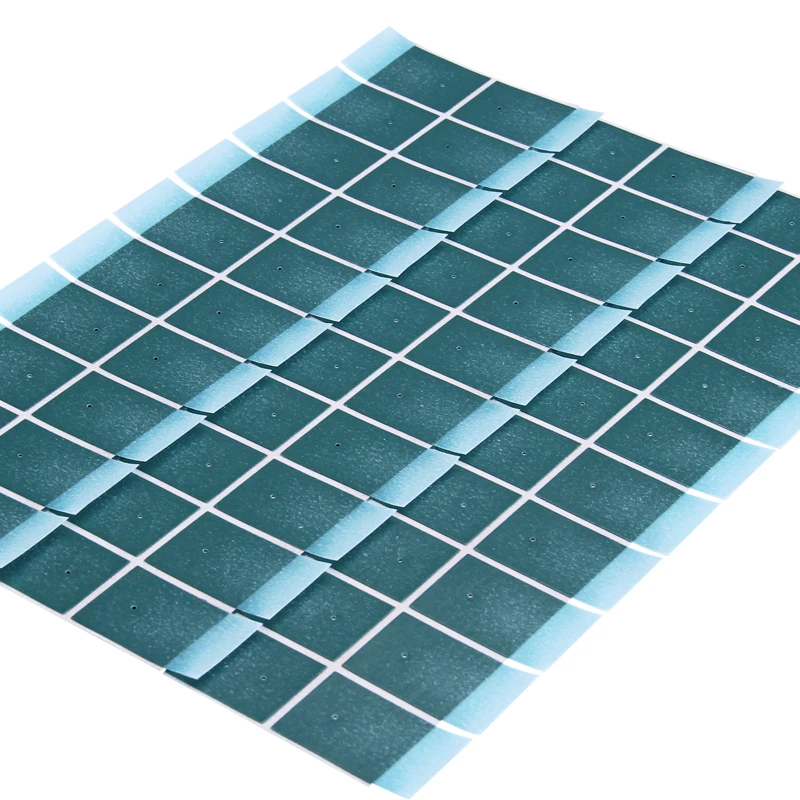
EMI Absorbers
EMI absorbing materials to reduce interference and improve signal integrity in electronics.
Browse ›Related Applications
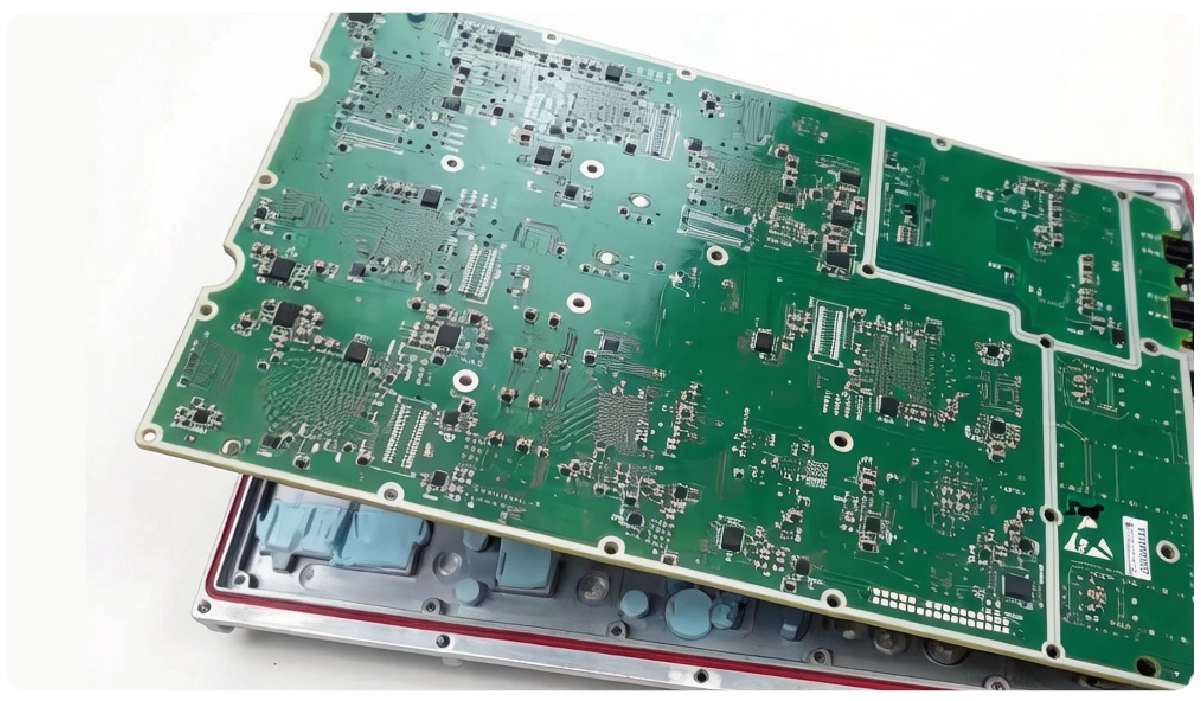
AI Server & Data Center
TIMs for CPUs/GPUs, VRMs, and memory—reduce hotspots and improve uptime under 24/7 workloads.
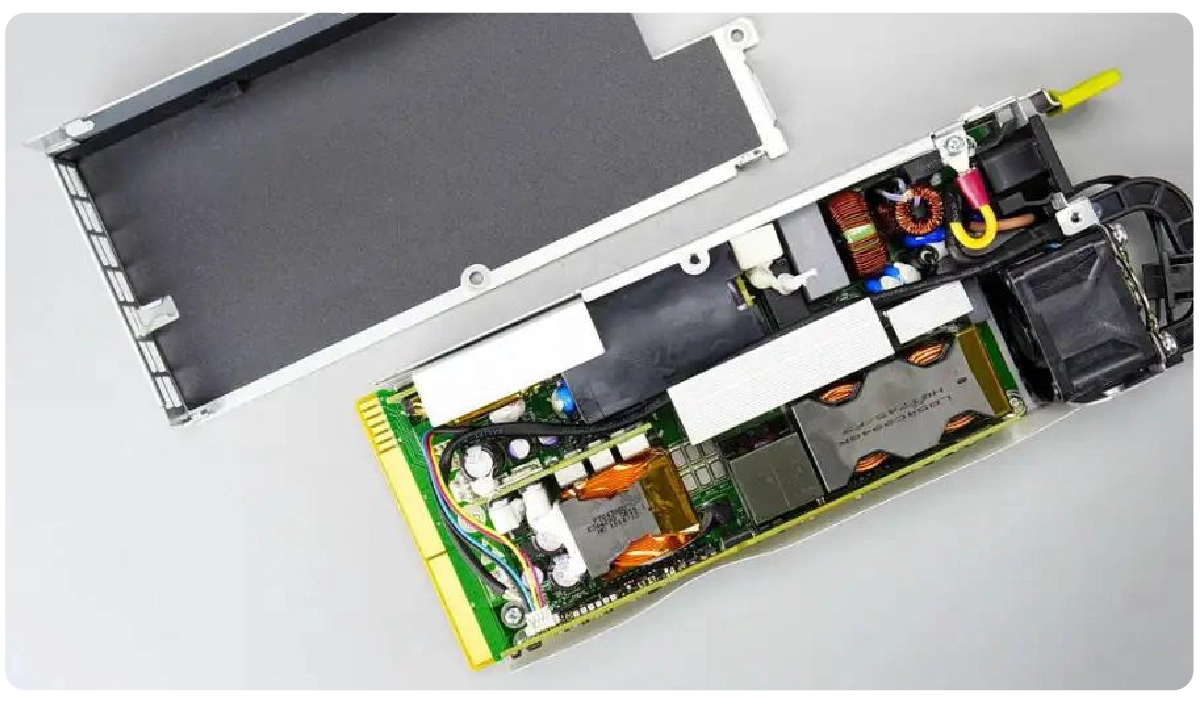
5G Base Station
Cool PAs and power modules with durable TIMs; silicone foam supports sealing and vibration resistance outdoors.
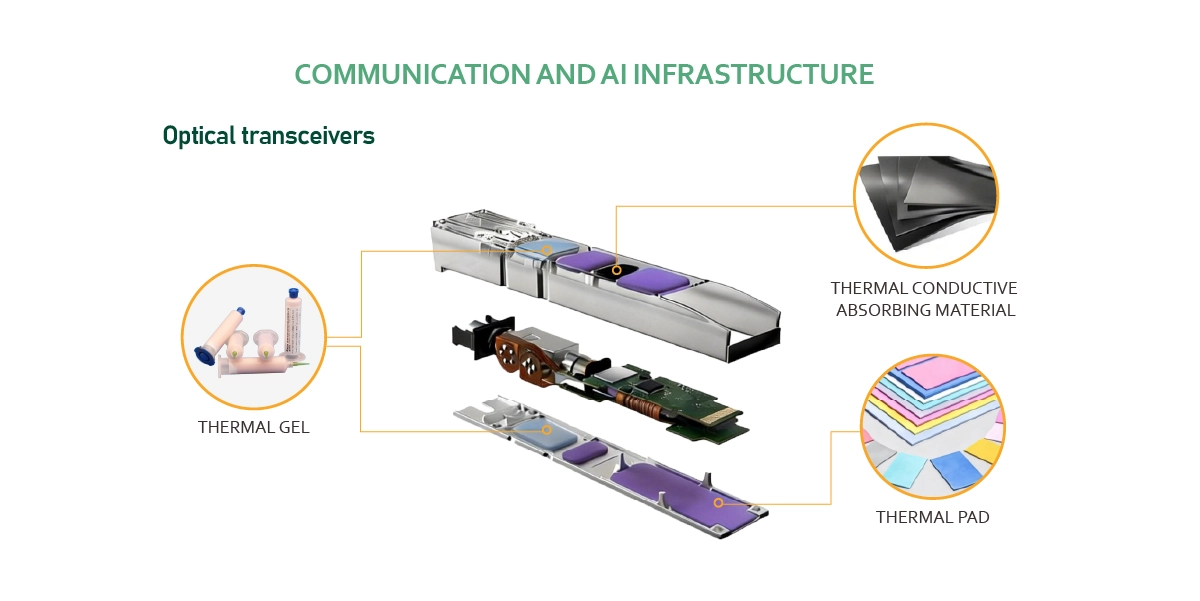
Optical Module & High-Speed I/O
Stable thermal interfaces for DSP/laser drivers—reduce temperature drift and protect signal integrity in high-speed links.
Related Markets
From AI servers to 5G infrastructure, Sheen materials support stable thermal performance and reliable operation.


