-
ADD: Building 2, No. 8 Hengzhutang Road, Dongguan
-
Phone: +86 135 4224 3751

Consumer
Thermal interface materials (TIMs)—pads, gels, greases, and phase change materials—reduce thermal resistance from CPU/GPU/SoC to heat sinks, helping consumer devices run cooler, more stable, and longer.
Explore Sheen’s silicone/non-silicone thermal pads, thermal gels, and gap-filling solutions for consumer electronics.
Overview
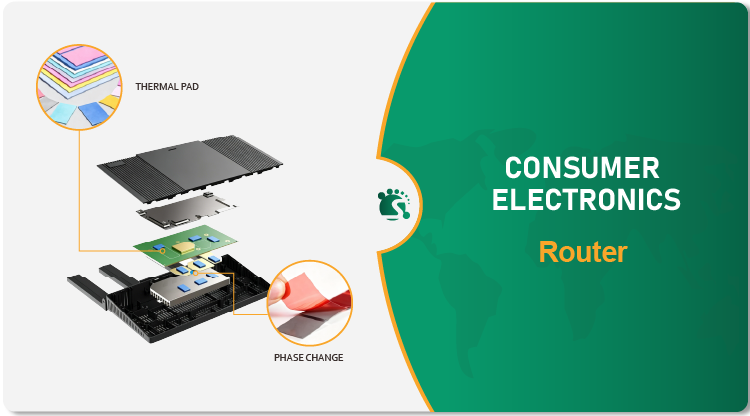
Router Thermal Materials Applications
High-throughput routers and gateways generate concentrated heat on the network SoC, RF front-end, PMICs, and power stages. Using thermal interface materials (TIMs)—such as silicone/non-silicone thermal pads, gap fillers, and thermal gels—helps create low-thermal-resistance paths from hotspots to heat sinks or the enclosure.
Optimize for hotspot reduction, RF stability, and safe enclosure temperature by combining compliant gap-filling materials for uneven stacks with higher-performance TIMs where contact pressure is available.
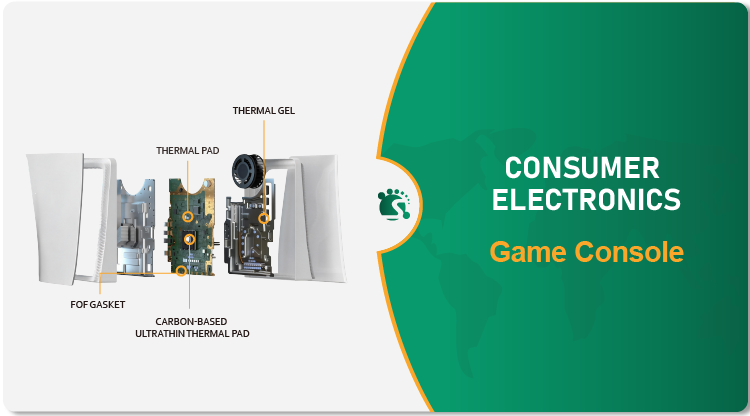
Game Console Thermal Materials Applications
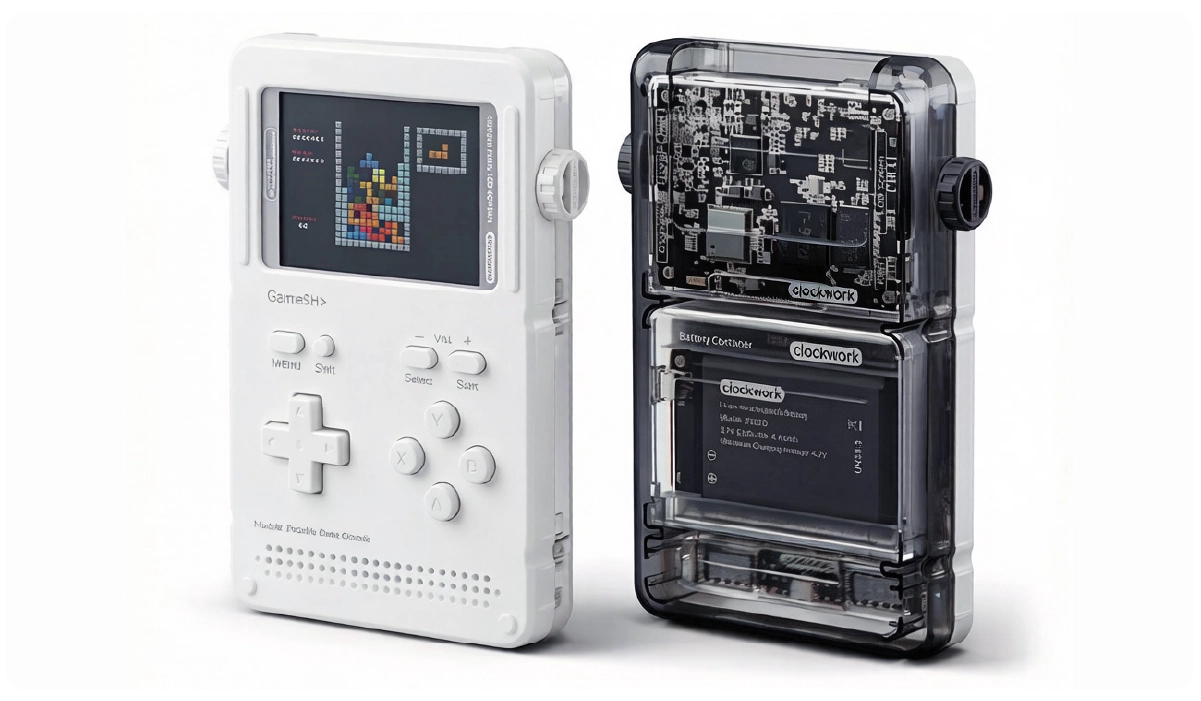
Game consoles sustain high power draw from the APU/SoC, VRM, memory, and power components, often in compact airflow-limited designs. Thermal pads, thermal gels, thermal grease, and phase change materials (PCM) are commonly used to improve contact, reduce thermal resistance, and support long-duration gaming loads.
The goal is stable frame-rate performance without throttling, achieved by balancing high thermal conductivity with compressibility and reworkability across mixed-height components.
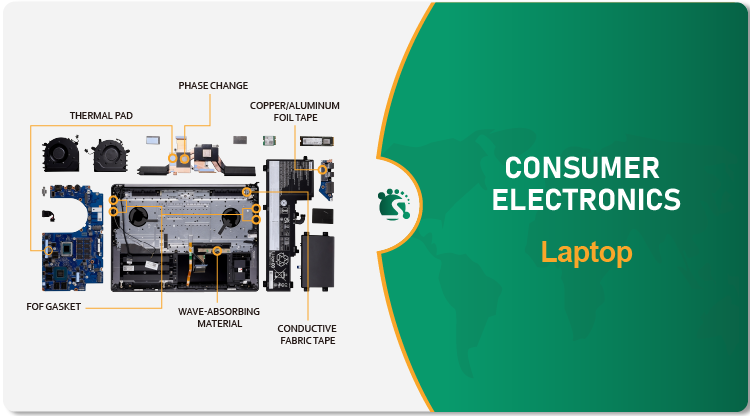
Laptop Thermal Materials Applications
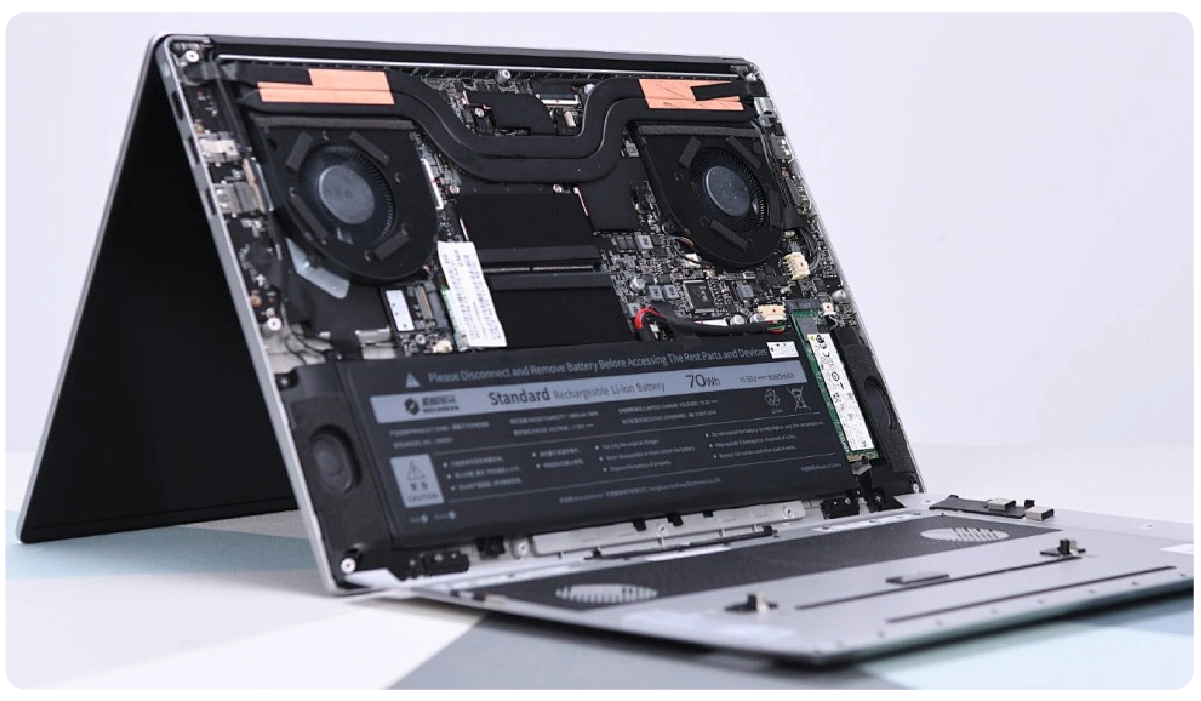
Modern laptops pack dense heat sources—CPU/GPU, VRMs, SSDs, and charging ICs—into thin mechanical stacks with tight Z-height constraints. Thermal interface materials (TIMs) such as thermal pads (gap fillers), thermal gel, thermal grease, and PCM improve heat transfer to heat pipes, vapor chambers, and chassis spreaders.
Design priorities include lower junction temperature, quieter cooling, and reliable performance in thin-and-light systems, using compliant materials to bridge gaps while maintaining long-term durability under cycling.
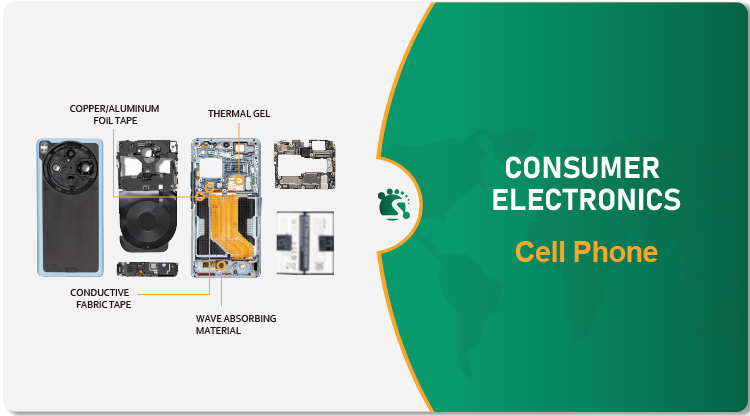
CellPhone Thermal Materials Applications
Smartphones experience burst heat from the application processor (SoC), RF transceiver, PMICs, fast-charging circuits, and camera modules. Ultra-thin thermal pads, thermal gels, and heat-spreading interface solutions help move heat into mid-frames or graphite layers to reduce hotspots.
Optimize for hotspot suppression and lower surface temperature rise, while meeting low outgassing, tight tolerances, and high-volume assembly stability.
Optional: In RF-dense designs, EMI absorbing materials can support signal integrity while managing localized heat.
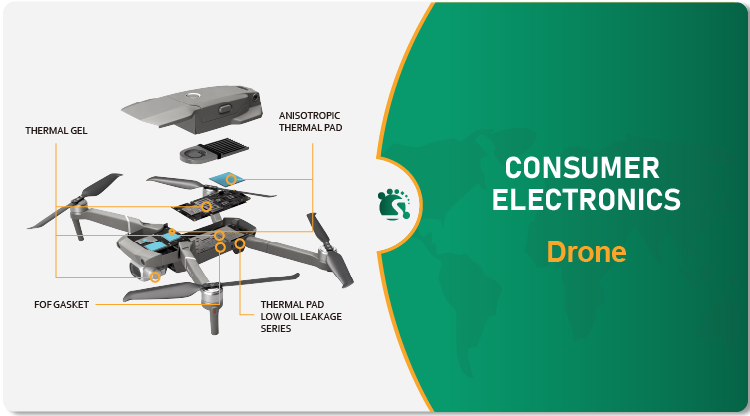
Drone Thermal Materials Applications
Drones combine high-load electronics—flight controller SoC, power modules, motor drivers, GPS/RF, and battery management—with vibration and wide ambient temperature swings. Thermal pads, thermal gels, and silicone foam help maintain stable interfaces, fill gaps, and protect assemblies from shock while improving heat flow to housings.
Key targets are temperature stability, weight-conscious thermal design, and long-term reliability, especially during continuous flight and rapid power transitions.
Benefits
Optimize Thermal Performance with Sheen Materials
Cooler Hotspots, Higher Performance Stability
Reduce hotspot temperature and improve heat spreading for routers, game consoles, laptops, phones, and drones. Helps lower thermal throttling, improve frame-rate/CPU stability, and protect key ICs.
Longer Device Life, Lower Failure Risk
High-reliability TIMs maintain consistent contact and thermal performance over time. Supports reduced thermal stress, fewer rework/returns, and better long-term stability in compact builds.
Consistent Batches, Easier Qualification
Tight thickness tolerance, stable compressibility, and repeatable adhesion/lamination behavior. Cuts engineering re-validation effort and minimizes batch-to-batch variation for procurement confidence.
Faster Sampling, Scalable Mass Production
From die-cut prototypes to volume orders with stable yield and controlled processes. Shortens development cycles, improves on-time delivery, and supports multi-SKU/region programs.
Related Products
Explore the thermal interface and functional materials commonly used in this application.
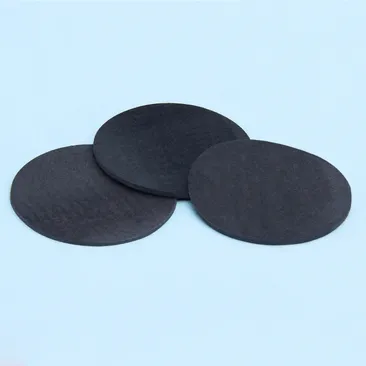
Thermal Pads
Soft, conformable thermal pads for gap filling and reliable heat transfer in electronics.
Browse ›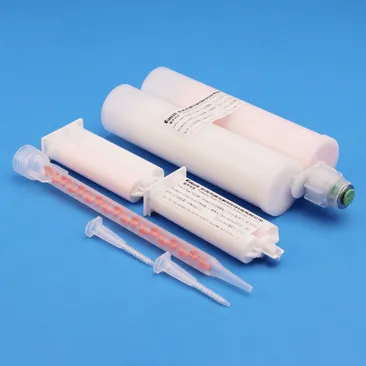
Thermal Grease
High-efficiency thermal grease solutions for CPUs, power modules, and industrial assemblies.
Browse ›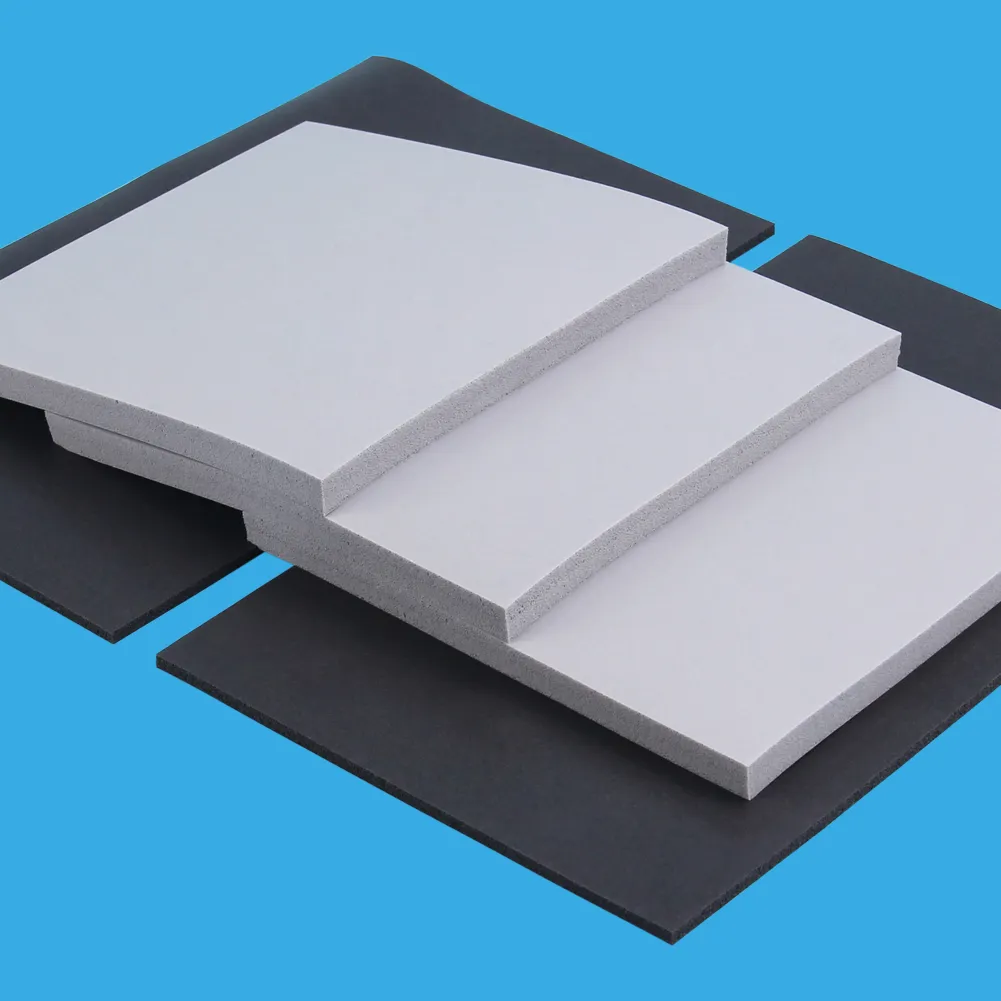
Silicone Foam
Foam materials for sealing, cushioning, insulation, and fire-barrier applications.
Browse ›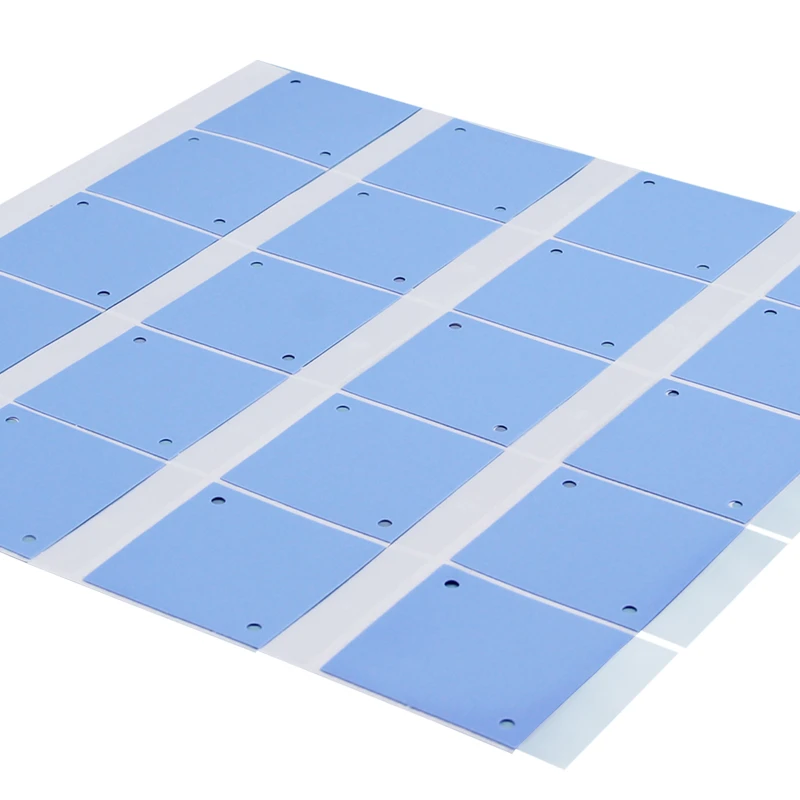
Thermal Tape
PSA laminated thermal tapes for fast assembly and consistent thermal interface bonding.
Browse ›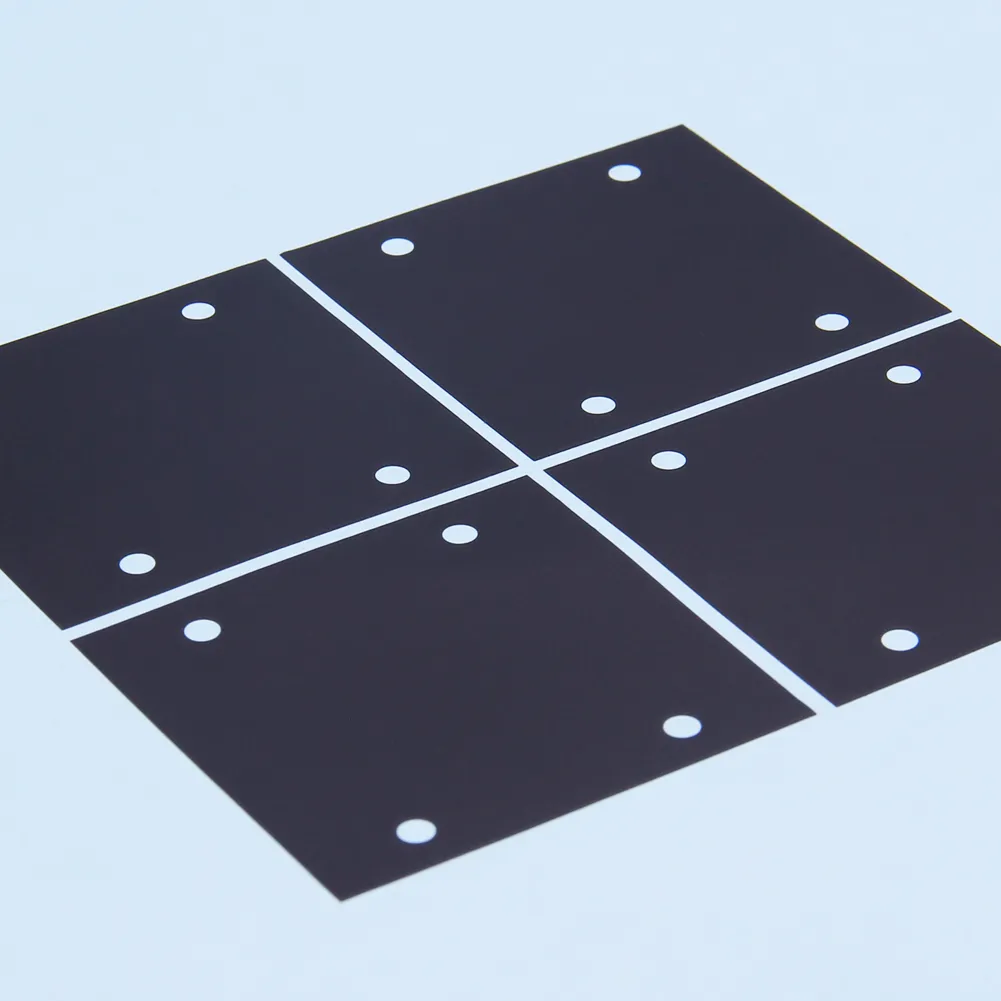
Graphite Sheet
High in-plane conductivity graphite materials for heat spreading in compact devices.
Browse ›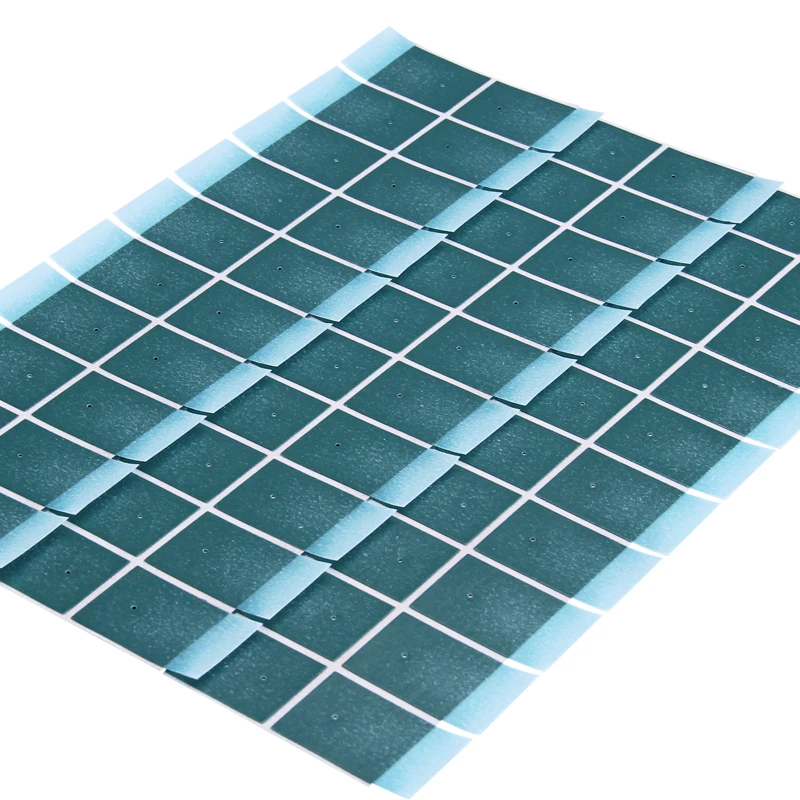
EMI Absorbers
EMI absorbing materials to reduce interference and improve signal integrity in electronics.
Browse ›Explore Related Consumer Electronics Applications

Related Markets
Explore related markets where thermal interface and functional materials improve cooling, insulation, and reliability.


