-
ADD: Building 2, No. 8 Hengzhutang Road, Dongguan
-
Phone: +86 135 4224 3751

How to Choose the Right Siloxane-Free Insulating Sheet for Your Application
The Siloxane-free insulating sheet isn’t just another line item on a BOM—it’s the quiet hero standing between your product and a costly recall. In high-power electronics, a whisper of siloxane contamination can fog optical lenses, foul contacts, and wreck yields. It’s like inviting a houseguest who leaves glitter everywhere. You don’t see the damage at first… then it’s everywhere.
Procurement teams feel that sting. Specs look solid on paper, yet thermal creep, dielectric drift, or compliance gaps show up right when production ramps. That’s when margins shrink and tempers flare.
Choosing the right sheet means balancing heat flow, electrical strength, and regulatory fit without blowing the budget. Get it right, and your line runs clean. Get it wrong, and you’re playing defense all quarter.
The Hidden Benefits of Siloxane-Free Insulating Sheets
Siloxane-free insulating sheet solutions are quietly changing how engineers handle heat and voltage stress. By removing siloxane from the insulating sheet formula, manufacturers gain tighter control over performance, safety, and lifespan. Let’s break down what that really means in daily production.
Enhanced Thermal Resistance for Long-Lasting Performance
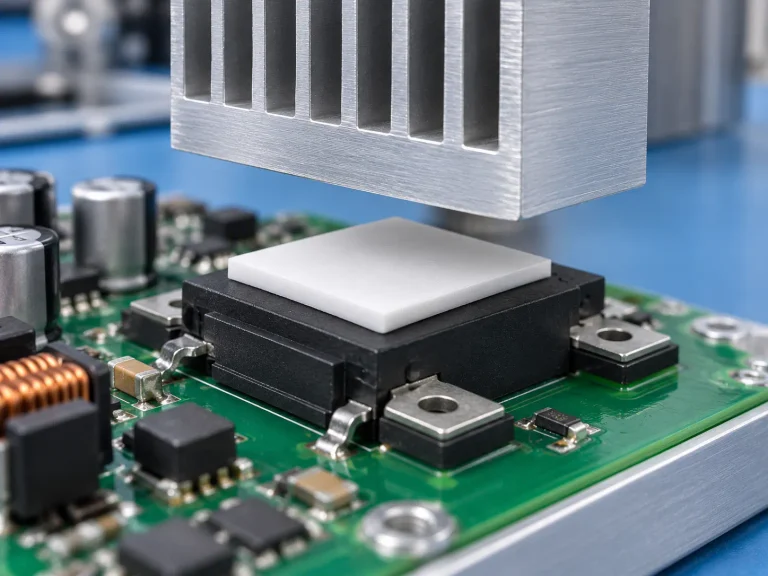
A Siloxane-free insulating sheet is built to control thermal conductivity and boost heat dissipation under pressure. Its layered design typically includes:
- Base Polymer Layer1.1 Polyimide or high-grade resin ensures temperature stability above 200°C.1.2 Reduced risk of material degradation during thermal cycling.
- Functional Filler Network2.1 Ceramic particles guide heat flow, optimizing thermal management.2.2 Balanced filler loading protects core insulation properties.
- Interface Optimization3.1 Low interfacial resistance extends service life.3.2 Controlled expansion reduces stress between devices and heat sinks.
Performance comparison of common insulating sheet types:
| Material Type | Thermal Conductivity (W/m·K) | Max Temp (°C) | Volume Resistivity (Ω·cm) | Service Life (hrs @180°C) |
|---|---|---|---|---|
| Silicone Sheet | 1.5 | 180 | 1×10¹³ | 8,000 |
| Siloxane-free Insulating Sheet | 2.3 | 220 | 5×10¹⁴ | 15,000 |
| Ceramic-Filled Film | 2.0 | 200 | 8×10¹³ | 12,000 |
| Mica Pad | 0.9 | 250 | 1×10¹² | 10,000 |
| PET Insulating Sheet | 0.3 | 130 | 5×10¹¹ | 5,000 |
In real-world builds, a siloxane-free sheet handles spikes better and keeps components cooler. That stability translates to fewer failures and longer uptime.
The Environmental Benefits of Silicone-Free Materials
A Siloxane-free insulating sheet also scores high on environmental impact control. It reduces VOC emissions, limits exposure to hazardous substances, and supports safer assembly lines.
Key sustainability perks include:
- Lower long-term sustainability burden in disposal streams
- Improved recyclability in controlled industrial systems
- Potential biodegradability in select polymer blends
From sourcing to end-of-life handling, silicone-free insulation materials meet strict RoHS and REACH rules. In fast-paced electronics plants, less siloxane means less surface contamination. That keeps precision optics and sensors clean.
★ Cleaner processing
★ Safer operator contact
★ Reduced rework from residue issues
Manufacturers looking for stable supply and eco-friendly design often turn to Sheen Electronic Technology for advanced siloxane-free insulating sheet options that align with green compliance targets.
Achieving Higher Electrical Insulation Without Siloxane
Electrical safety comes down to structure and chemistry. A Siloxane-free insulating sheet improves critical electrical properties through layered control:
- Dielectric Framework1.1 High dielectric strength resists sudden electrical breakdown.1.2 Stable insulation class rating under heat stress.
- Surface Protection2.1 Enhanced arc resistance in high-current circuits.2.2 Strong tracking resistance against carbon path formation.
- Long-Term Reliability3.1 Reduced partial discharge in high-voltage modules.3.2 Consistent insulation sheet performance in power converters and drives.
Compared with traditional silicone pads, a siloxane-free insulating sheet shows lower dissipation and steadier breakdown voltage margins. For power electronics and industrial controls, that extra buffer can mean the difference between smooth operation and sudden shutdown.
Types of Siloxane-Free Insulating Sheets and Their Applications
Siloxane-free insulating sheet solutions are getting serious attention in electronics. As devices shrink and power density rises, even tiny contamination can mess things up. From medical tools to EV inverters, a clean insulating sheet without siloxane bleed keeps performance steady. Let’s break down how each siloxane-free insulating sheet type fits real-world needs.
Silicone-Free vs. Polymer-Based Insulating Sheets: Key Differences
When comparing materials, it helps to sort them by structure and performance.
1) Core material system
- Silicone-free base films focus on eliminating siloxane migration.
- Advanced polymer composites enhance material properties like tensile strength.
2) Electrical behavior
- Stable dielectric strength under load.
- Consistent electrical insulation across temperature swings.
3) Thermal response
- Balanced thermal conductivity for heat spread.
- Predictable expansion rates in tight assemblies.
Within this material comparison, a Siloxane-free insulating sheet stands out because it avoids fogging and contact failure. For precision die-cut parts, the insulating sheet without siloxane also holds edge integrity.
From an application view:
- In sensor boards → cleaner signal paths.
- In control modules → stronger adhesion.
- In compact layouts → better dimensional control.
Sheen Electronic Technology refines each Siloxane-free insulating sheet to match target insulating materials specs, not just generic standards.
Applications in Power Electronics: Why Siloxane-Free Matters
Power modules run hot. Contamination is a real headache.
A Siloxane-free insulating sheet supports:
- Stable thermal management in IGBTs and MOSFET stacks.
- Reliable heat dissipation across baseplates.
- Higher insulation performance under surge voltage.
In detail:
- For power modules
- Interface layer control
- Reduced siloxane contamination
- Longer device reliability
- Electrical margin
- Improved breakdown stability
- For automotive electronic components
- Vibration endurance
- Moisture resistance
A siloxane free insulating sheet keeps contacts clean. No oily transfer. No random insulation drop. Sheen Electronic Technology supplies Siloxane-free insulating sheet options tuned for high-current platforms where downtime just isn’t acceptable.
Ceramic-Filled and Mica-Based Sheets for High-Temperature Environments
In high heat zones, structure matters.
Material composition path:
- Base matrix
- Polymer backbone
- Bonding agents
- Reinforcement
- Ceramic fillers for thermal flow
- Mica sheets for layered strength
Performance ladder:
- Enhanced thermal stability beyond 150°C.
- Strong electrical properties under load.
- Extended heat resistance in LED drivers.
A Siloxane-free insulating sheet with ceramic loading handles hot spots without softening. In industrial controls, the siloxane-free sheet prevents surface deposits on contacts. That’s practical, not just technical.
The Role of Siloxane-Free Sheets in Medical Devices and Telecommunications
Clean environments demand clean materials.
Application matrix:
- Medical electronics
- Sterilization cycles
- Dimensional control
- High volume resistivity
- Long-term material compatibility
- Telecommunication equipment
- Stable signal integrity
- Moisture shielding
- Reliable component protection
A Siloxane-free insulating sheet reduces outgassing risks in sealed housings. For RF boards, a siloxane-free insulating sheet helps maintain dielectric consistency. In regulated markets, that steady performance supports strict reliability standards.
Engineers who need a dependable siloxane free insulating sheet often turn to Sheen Electronic Technology, where each insulating sheet without siloxane is engineered for compliance, clarity, and long service life.
5 Critical Characteristics to Look for in Siloxane-Free Insulating Sheets
Siloxane-free insulating sheet materials are gaining serious traction in compact electronics, EV systems, and power modules. When you break the term down—siloxane free + insulating + sheet—you’re really talking about a clean, stable insulation layer that won’t contaminate contacts or drift under heat. Choosing the right Siloxane-free insulating sheet is not guesswork; it comes down to five performance traits that directly affect reliability and safety.
Thermal Conductivity and Its Impact on Heat Dissipation
When evaluating a Siloxane-free insulating sheet, heat control sits at the top of the list.
1) Core thermal pathway
- Material structure influences heat transfer efficiency.
- Filler distribution affects internal heat flow.
- Thickness defines overall thermal resistance.
2) Interface behavior
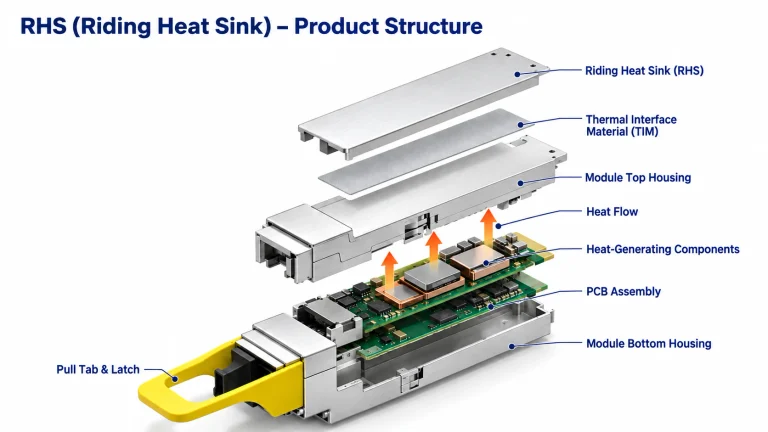
- A quality thermal interface material reduces air gaps.
- Surface conformity improves thermal management in tight assemblies.
- Stable bonding preserves long-term thermal performance.
3) System-level impact
- Lower thermal resistance keeps chip temperature stable.
- Balanced heat flow protects solder joints.
- Efficient heat transfer extends component lifespan.
| Thickness (mm) | Thermal Conductivity (W/m·K) | Thermal Resistance (°C·cm²/W) |
|---|---|---|
| 0.20 | 1.5 | 1.33 |
| 0.30 | 2.0 | 1.50 |
| 0.50 | 3.0 | 1.67 |
| 1.00 | 3.5 | 2.86 |
A high-grade Siloxane-free insulating sheet keeps heat moving without compromising insulation, especially in dense PCB stacks.
Mechanical Properties: Compressive Strength and Dimensional Stability
A Siloxane-free insulating sheet must stay steady under load. No one wants warping after thermal cycling.
- Strong tensile strength supports laminate bonding.
- Solid flexural strength prevents cracking.
- Controlled elasticity limits permanent deformation.
In real assemblies:
- Mounting pressure introduces mechanical stress.
- Heat cycling tests long-term durability.
- Expansion mismatch challenges material integrity.
Low coefficient expansion matters. An insulating sheet that shifts too much can misalign components. A stable siloxane free insulating layer keeps thickness uniform and compression predictable, which is why manufacturers like Sheen Electronic Technology focus on balanced mechanical and thermal design.
Electrical Insulation: Dielectric Strength and Breakdown Voltage
For any Siloxane-free insulating sheet, electrical safety is non-negotiable.
A) Dielectric capability
- High dielectric strength improves voltage withstand.
- Controlled dielectric constant supports signal stability.
- Strong insulation resistance reduces leakage paths.
B) Failure prevention
- Resistance to electrical breakdown protects circuits.
- Good arc resistance prevents carbon tracking.
- A stable structure enhances the insulating material’s reliability.
C) Application focus
- EV battery packs
- Industrial inverters
- High-density power boards
A dependable Siloxane-free insulating sheet keeps breakdown voltage margins safe even under spikes.
Surface Resistivity and Its Importance in High-Energy Applications
A siloxane-free insulating sheet must control surface behavior just as much as bulk performance.
I. Surface characteristics
- High surface resistivity limits electrical leakage.
- Stable volume resistivity supports insulation depth.
- Clean chemistry reduces surface contamination.
II. High-voltage conditions
- Elevated high voltage increases stress.
- Poor materials trigger electrical tracking.
- Low leakage current ensures safe operation.
III. Long-term reliability
- Maintains insulation resistance in humid air.
- Reduces partial discharge risk.
- Supports energy storage modules.
A Siloxane-free insulating sheet without siloxane bleed protects sensitive contacts from creeping leakage over time.
Regulatory Compliance: RoHS and UL Recognition
Compliance isn’t paperwork; it’s market access.
• Meets environmental regulations limiting hazardous substances.
• Passes flammability under strict safety standards.
• Secures global certification aligned with industry standards.
To stay competitive:
- Complete compliance testing verifies material composition.
- Third-party product approval confirms safety.
- Ongoing audits ensure batch consistency.
A certified Siloxane-free insulating sheet that is RoHS compliant, UL recognized, and aligned with REACH gives OEMs peace of mind. Clean chemistry, verified performance, and reliable documentation—this is what turns a simple insulating sheet into a trusted siloxane-free insulation solution for global electronics markets.
Siloxane-Free Insulating Sheets vs. Traditional Insulation Materials
When engineers compare materials, small differences turn into big wins. The Siloxane-free insulating sheet stands out because it splits into three core ideas: siloxane-free chemistry, insulating performance, and sheet-based machinability. That combo shapes how modern electronics stay clean, stable, and reliable. From thermal control to dielectric safety, the gap between old-school laminates and advanced siloxane-free insulation keeps getting wider—and yes, it shows on the production floor.
Siloxane-Free Insulating Sheets vs. Fiberglass-Reinforced Materials
In real-world fabrication, performance shows up in layers.
1) Material Composition
- Siloxane-free matrix without volatile residue
- No fiber shedding contamination
- Cleaner machining edges
2) Electrical & Thermal Metrics
| Property | Siloxane-Free Insulating Sheet | Fiberglass-Reinforced |
|---|---|---|
| Dielectric strength (kV/mm) | 18–22 | 12–16 |
| Thermal conductivity (W/m·K) | 0.35 | 0.28 |
| Moisture absorption (%) | 0.15 | 0.45 |
| Mechanical strength (MPa) | 210 | 190 |
| Surface debris after cutting | Minimal | Noticeable fiber dust |
3) Processing & Maintenance
- Lower tool wear
- Reduced airborne fibers
- Stable mechanical strength after repeated drilling
A Siloxane-free insulating sheet simply behaves better under tight tolerances. For high-speed routing, the difference feels obvious—less dust, sharper edges, fewer rejects. Many OEM buyers now shift toward siloxane free sheet solutions offered by Sheen Electronic Technology because shop-floor cleanliness matters as much as lab specs.
Silicone-Free vs. Epoxy-Resin: A Comparative Look
Short take? Silicone-free wins where heat and humidity hang around.
• Lower dissipation factor
• Higher temperature resistance
• Improved chemical resistance
• Stable insulation properties over time
Epoxy-resin systems still hold decent flexibility, yet long exposure to moisture can push up dielectric loss. A Siloxane-free insulating sheet keeps absorption low and insulation steady.
“Advanced low-loss insulation materials are gaining traction in high-frequency electronics as thermal demands increase,” noted a 2025 materials outlook from MarketsandMarkets, highlighting silicone-free laminates as a fast-growing category.
Processing also differs:
- Silicone-free laminates allow cleaner CNC finishing.
- Epoxy resin often needs extra post-curing control.
- Moisture cycling favors siloxane-free insulation over time.
Sheen Electronic Technology positions its silicone-free and Siloxane-free insulating sheet lines for demanding electronics where stable temperature resistance and consistent dielectric output aren’t optional—they’re expected.
Data Shows: Siloxane-Free Insulating Sheets Reduce Production Costs
Production managers keep asking the same thing: how do we cut cost without cutting corners? The answer keeps circling back to one material choice—Siloxane-free insulating sheet solutions. By breaking down siloxane-free + insulating + sheet performance in real factory settings, cost control becomes practical, not theoretical.
Lower Manufacturing Costs Through Improved Heat Dissipation
In power electronics lines, heat is money. A Siloxane-free insulating sheet improves thermal management and steady heat transfer, which directly shapes manufacturing efficiency and production processes.
1) On the line
1.1) Temperature control
- Lower hotspot peaks
- Reduced cooling load
- Stable operating windows1.2) Equipment impact
- Less thermal stress
- Longer component lifespan
- Fewer emergency shutdowns
2) Cost comparison snapshot
| Material Type | Avg. Operating Temp (°C) | Cooling Energy (kWh/day) | Failure Rate (%) |
|---|---|---|---|
| Silicone sheet | 92 | 480 | 3.8 |
| Siloxane-free insulating sheet | 84 | 410 | 2.1 |
| Siloxane free sheet (reinforced) | 81 | 395 | 1.9 |
| Silicone-free insulating material | 83 | 402 | 2.0 |
A siloxane free insulating sheet keeps thermal drift in check. That stability supports better insulating materials selection across the full assembly chain.
Reduced Material Waste with Silicone-Free Insulation Solutions
Scrap piles hurt margins. A Siloxane-free insulating sheet supports tight material optimization and real waste reduction.
1) Roll stock processing
1.1) Thickness control
- Consistent gauge
- Clean die edges
- Higher production yield1.2) Adhesion behavior
- Firm bonding
- Low rework
- Better resource efficiency
2) Sustainability angle
2.1) Silicone-free alternatives cut contamination risks
2.2) Cleaner surfaces mean fewer rejected boards
2.3) Lower environmental impact across batches
Using a silicone-free insulating material instead of a traditional silicone pad just feels smoother on the floor—less guesswork, fewer tossed parts.
Long-Term Cost Savings: Durability and Minimal Maintenance
Short-term savings are nice. Long-term stability pays the bills. A Siloxane-free insulating sheet improves insulation durability, system reliability, and predictable lifecycle costs.
1) Performance stability
1.1) High insulation resistance
1.2) Strong chemical tolerance
1.3) Low aging rate
2) Maintenance profile
- Fewer inspections
- Reduced downtime
- Lower operational expenses
3) Reliability chain
3.1) Automotive electronics
3.2) Industrial control cabinets
3.3) Power modules
Across these uses, a siloxane-free insulating sheet keeps structure intact and cuts maintenance requirements. That steady product longevity supports cleaner warranty records and calmer operations teams.
For manufacturers aiming to tighten budgets without risking quality, Sheen Electronic Technology continues advancing Siloxane-free insulating sheet designs that align cost control with high-performance insulating sheet standards.
FAQs about Siloxane-free insulating sheet
What makes a Siloxane-free insulating sheet different from silicone-based or fiberglass-reinforced materials?
Siloxane-free insulating sheet removes the hidden risk of siloxane migration that can contaminate power electronics and telecommunications assemblies. Instead of silicone matrices, it relies on polymer-based, ceramic-filled, epoxy-resin, or polyimide systems designed for stability and cleanliness.
Key distinctions appear in daily production:
- No fiber shedding like fiberglass-reinforced or mica-based boards
- Higher dielectric strength and stable volume resistivity under high voltage
- Controlled coefficient of thermal expansion for tighter dimensional stability
- Cleaner die-cutting and laminates with stronger adhesion properties
The result is a sheet material that feels more predictable on the factory floor—less dust, less rework, fewer electrical surprises.
How does a Siloxane-free insulating sheet improve thermal and electrical performance in demanding applications?
In automotive electronics, LED lighting, and industrial controls, heat and voltage push materials to the edge. A well-designed silicone-free sheet balances two pressures at once:
- Thermal side
- High thermal conductivity supports fast heat dissipation
- Low thermal resistance keeps operating temperature stable
- Strong flammability rating and defined Tg (glass transition temperature) protect under load
- Electrical side
- High insulation resistance and breakdown voltage
- Controlled dielectric constant and low dissipation factor
- Stable surface resistivity in humid conditions
This balance extends component life and reduces the risk of field failures that damage brand trust.
What mechanical and compliance factors should buyers evaluate before selecting a Siloxane-free insulating sheet?
Selection is not only about insulation—it is about how the sheet behaves from roll stock to final assembly.
Mechanical confidence under pressure:
| Property | Why It Matters in Production |
|---|---|
| Compressive strength | Maintains contact pressure in power modules |
| Tensile & flexural strength | Prevents cracking during die-cutting |
| Tear resistance & abrasion resistance | Reduces edge damage in custom shapes |
| Dimensional stability | Keeps uniform sheet thickness over time |
Compliance and durability expectations:
- RoHS compliant and REACH compliant for global export
- Halogen-free and non-toxic for medical devices and consumer electronics
- UL recognized with strong moisture resistance and chemical resistance
When these factors align, the sheet does more than insulate—it protects performance, compliance, and reputation.