-
ADD: Building 2, No. 8 Hengzhutang Road, Dongguan
-
Phone: +86 135 4224 3751

Optical Transceiver Thermal Materials
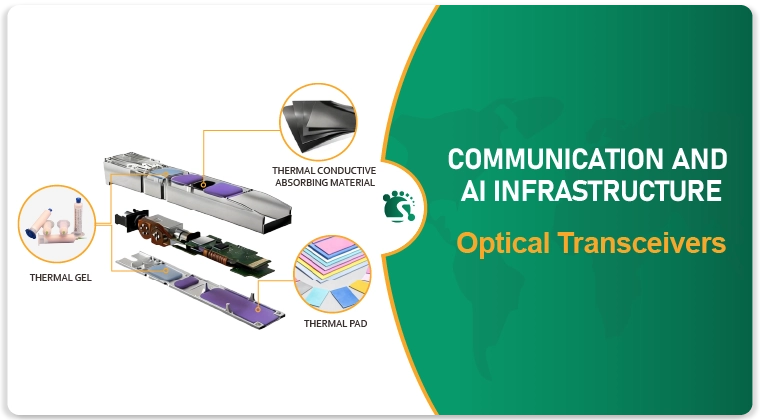
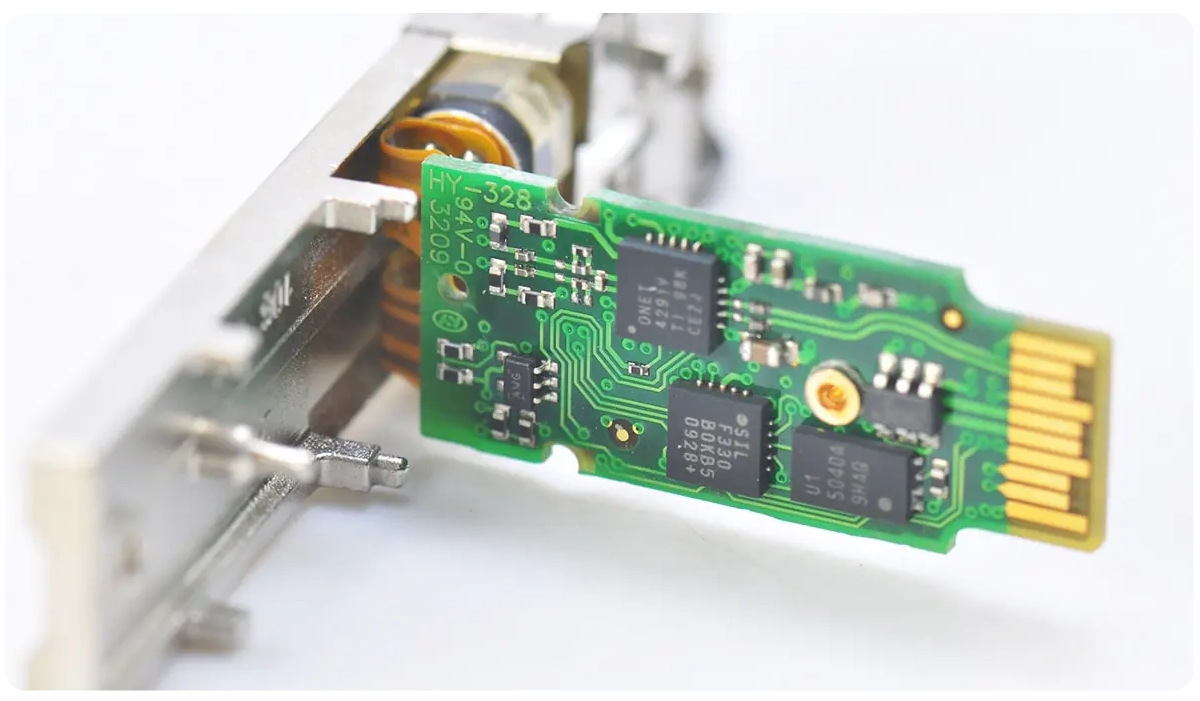
Optical transceivers generate heat from DSP/driver ICs, lasers (TOSA), receivers (ROSA), and power circuits in compact modules. Excess heat can affect signal stability and shorten service life.
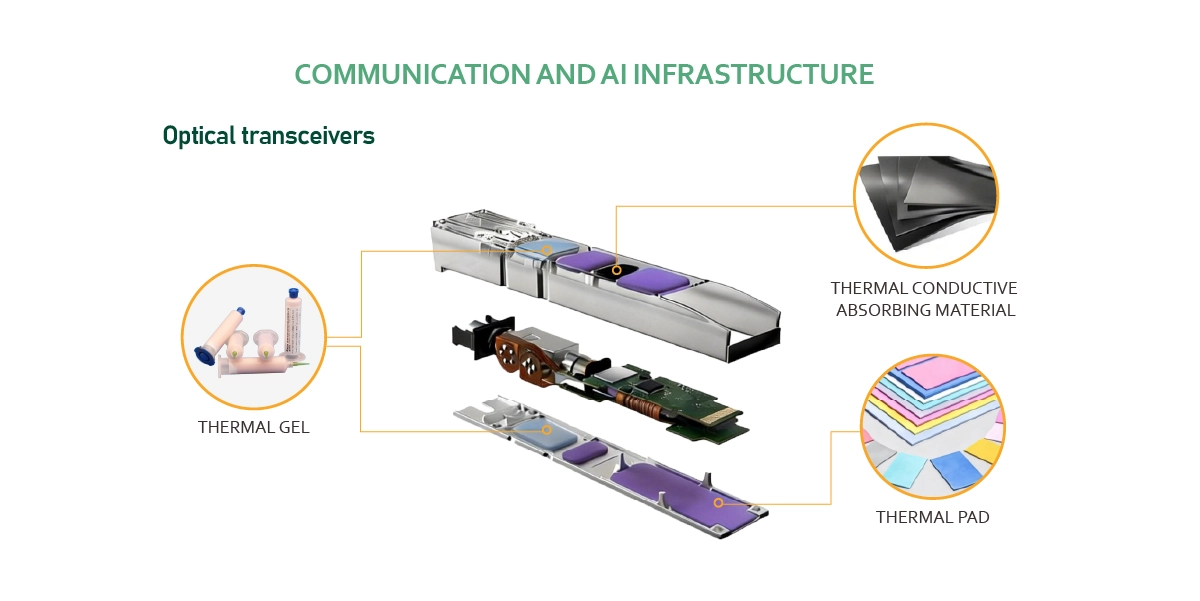
Thermal interface materials (TIMs) create low-resistance heat paths to module housings, cages, or heat sinks to: ① reduce hotspots and stabilize performance; ② improve long-term reliability; ③ support higher-speed, higher-power designs.
Overview
Optical Transceiver (TIMs) Solutions
Optical transceivers generate heat from DSP/driver ICs, lasers (TOSA), receivers (ROSA), and power circuits in compact modules. Excess temperature rise can impact signal stability and reduce long-term reliability.
Thermal interface materials (TIMs) create low-resistance heat paths to module housings, cages, or heat sinks—reducing hotspots, improving reliability, and supporting higher-speed, higher-power designs.
Benefits
Optical Transceiver Thermal Materials, Built for Signal Stability
Reduce Hotspots, Stabilize Optical Performance
Efficient heat transfer from DSP/driver ICs and laser components helps maintain signal stability under continuous traffic.
Gap-Filling Contact in Compact Modules
Conformable TIMs bridge tolerance stack-ups—lower thermal resistance and consistent module-to-module performance.
Clean, Long-Term Reliability
Low bleed / low volatility options help reduce contamination risk and support long service life in data center environments.
Custom Formats + Fast Engineering Support
Custom thickness, sizes, and die-cut parts for module-to-cage or lid interfaces—rapid sampling to speed qualification.
Related Products
Discover product categories commonly used in this application. You can replace these cards with your own thermal materials, TIMs, foams, tapes, or soldering-related products.
Thermal Pads
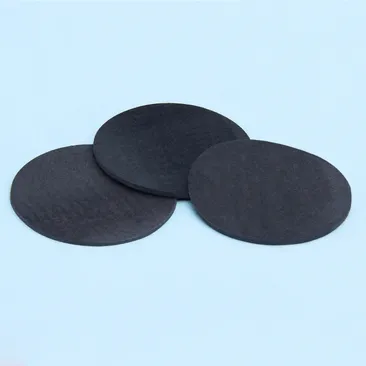
Soft, conformable thermal pads for gap filling and reliable heat transfer in electronics.
Browse ›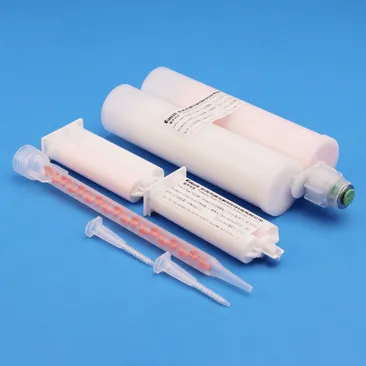
Thermal Grease
High-efficiency thermal grease solutions for CPUs, power modules, and industrial assemblies.
Browse ›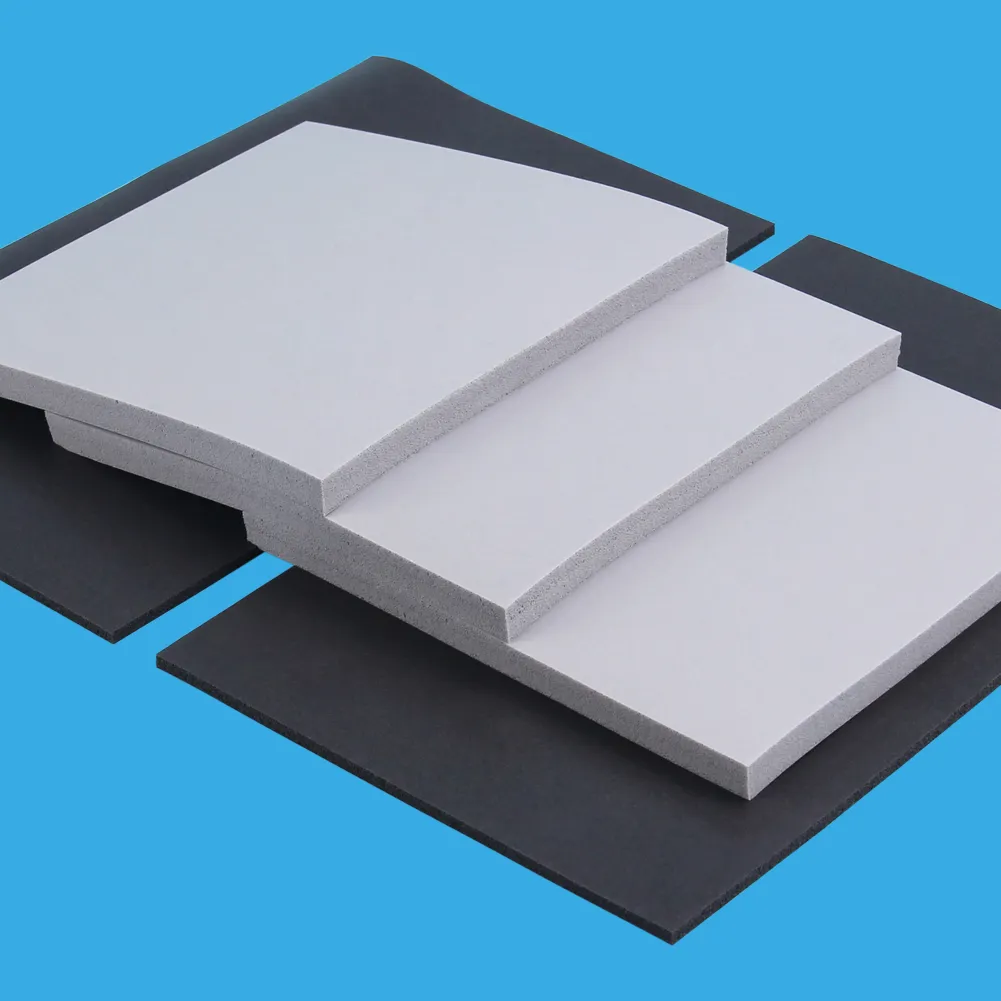
Silicone Foam
Foam materials for sealing, cushioning, insulation, and fire-barrier applications.
Browse ›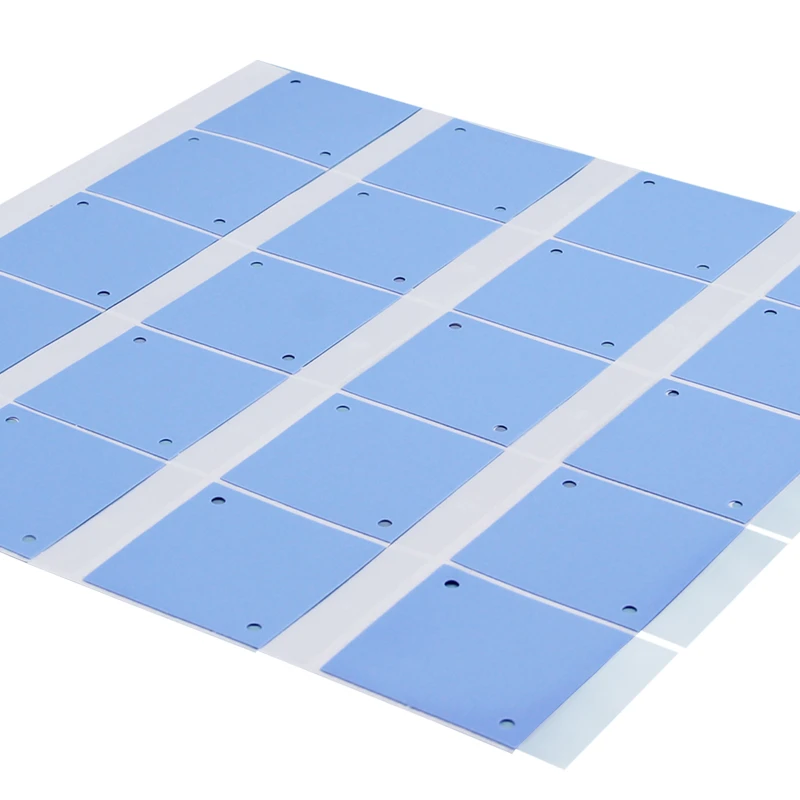
Thermal Tape
PSA laminated thermal tapes for fast assembly and consistent thermal interface bonding.
Browse ›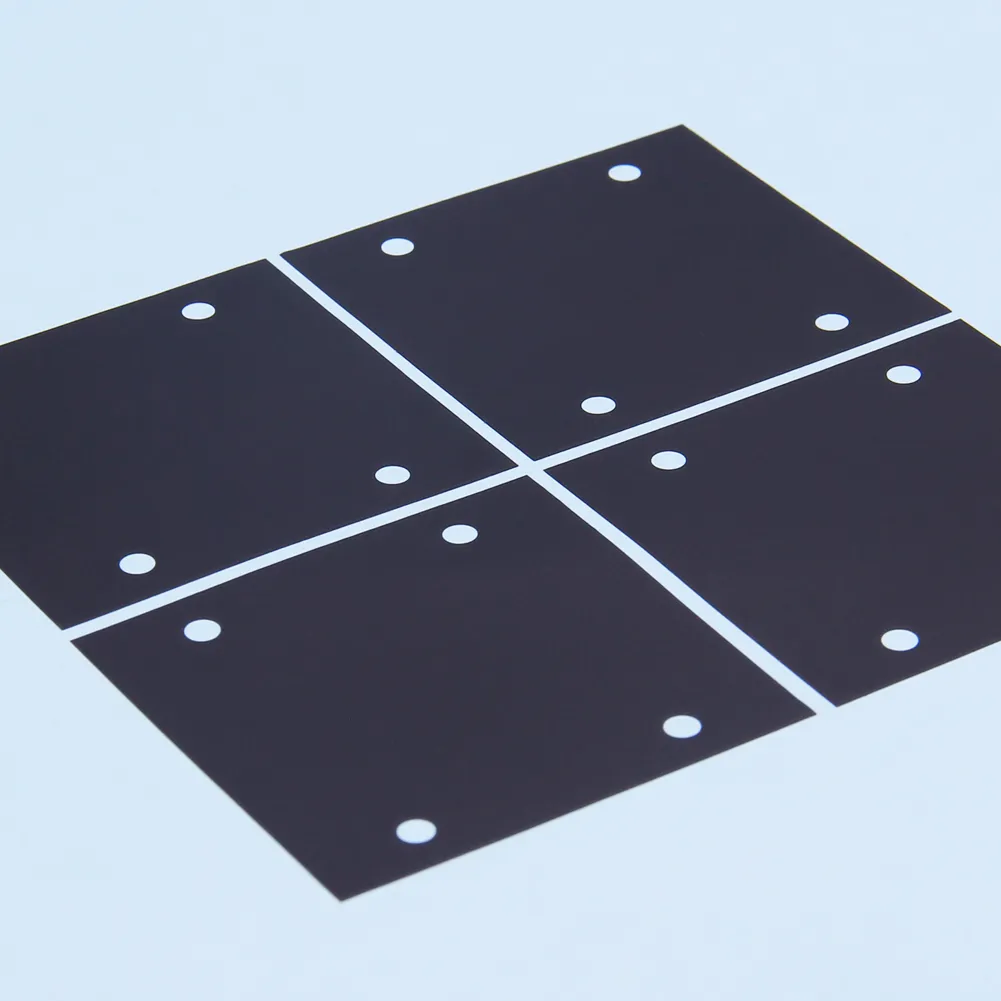
Graphite Sheet
High in-plane conductivity graphite materials for heat spreading in compact devices.
Browse ›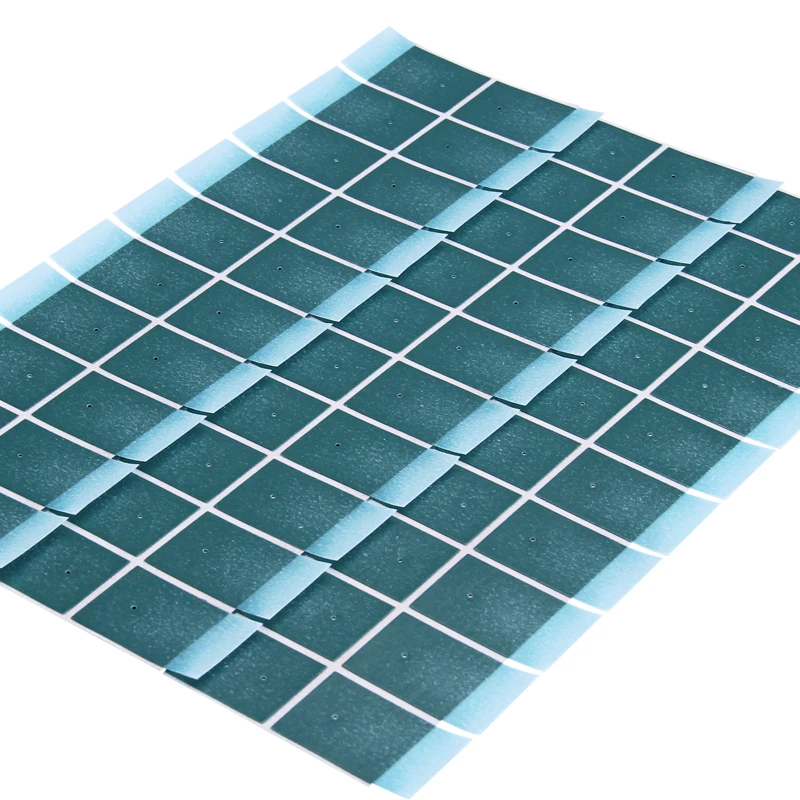
EMI Absorbers
EMI absorbing materials to reduce interference and improve signal integrity in electronics.
Browse ›Related Applications
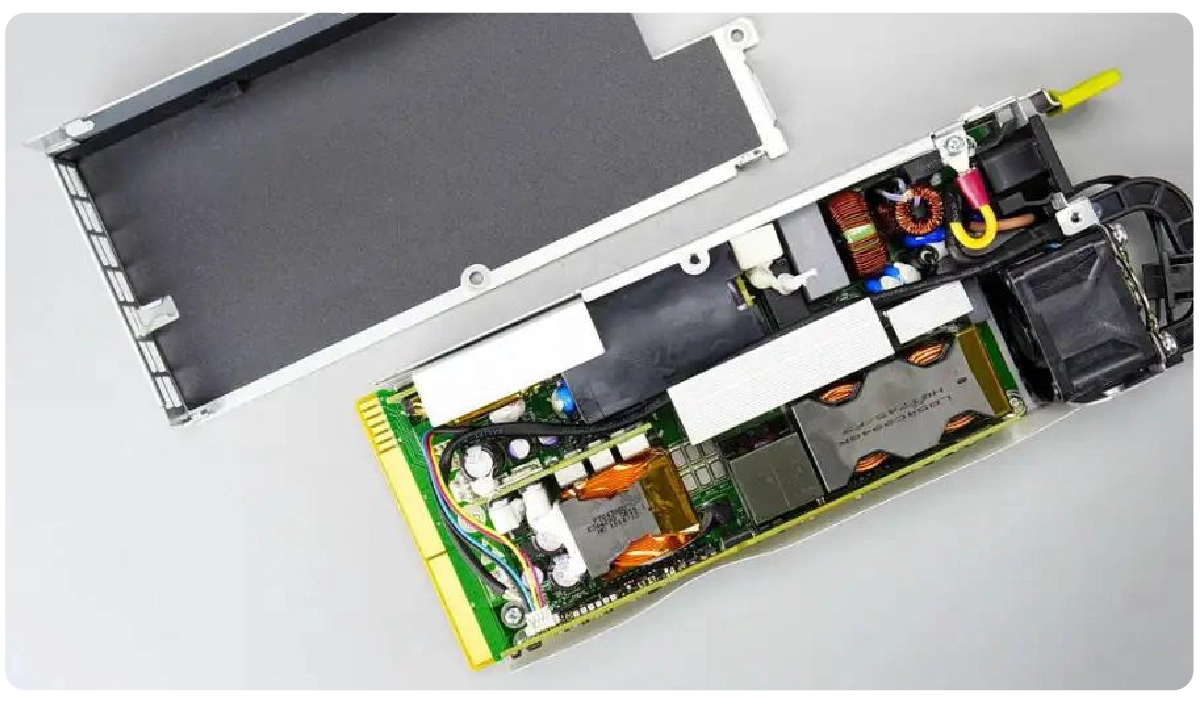
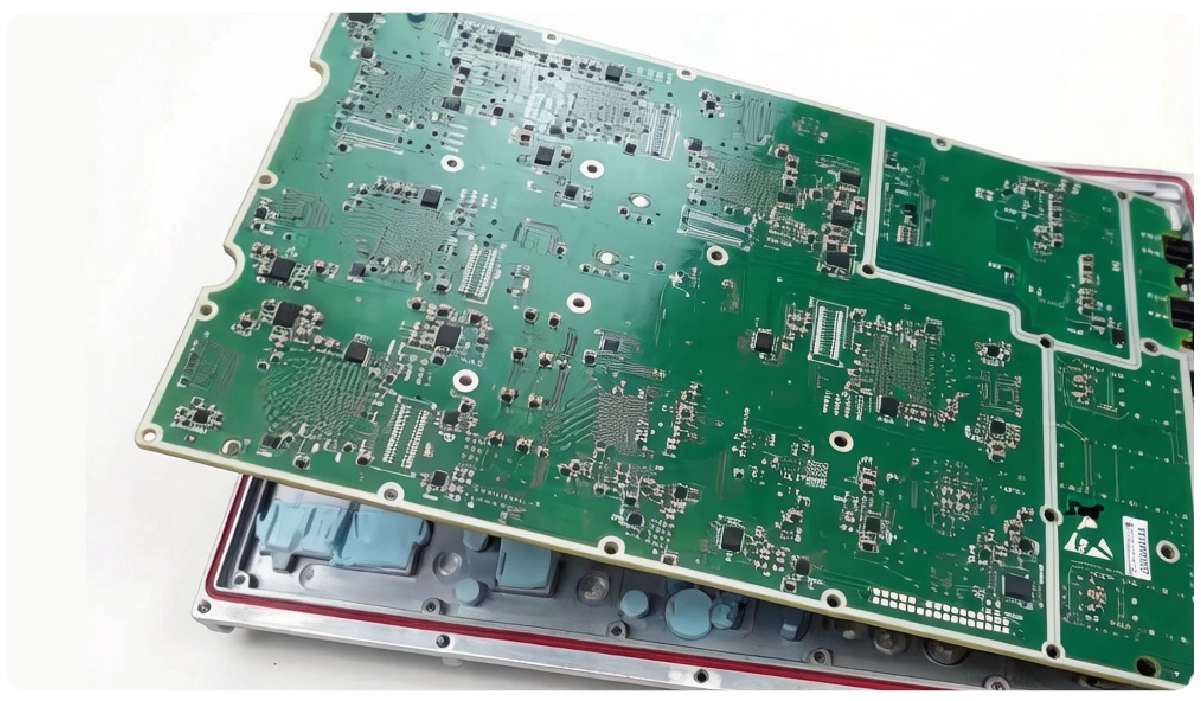
Communication Base Station
Outdoor 24/7 operation—TIMs stabilize RF power modules and improve reliability.

Related Data Center & Telecom Markets
Optical transceivers are widely used in high-speed data and communications infrastructure—TIMs help manage module heat, stabilize signal performance, and improve long-term reliability.


