-
ADD: Bâtiment 2, No. 8 Hengzhutang Road, Dongguan
-
Téléphone: +86 135 4224 3751

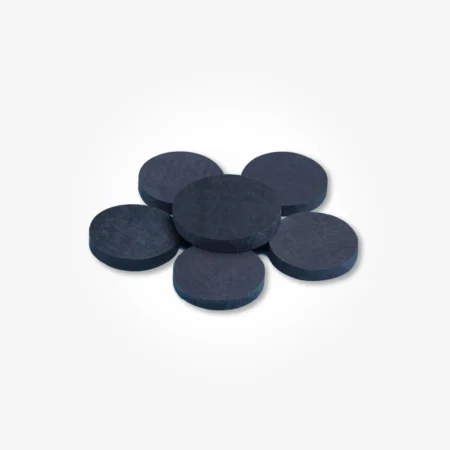
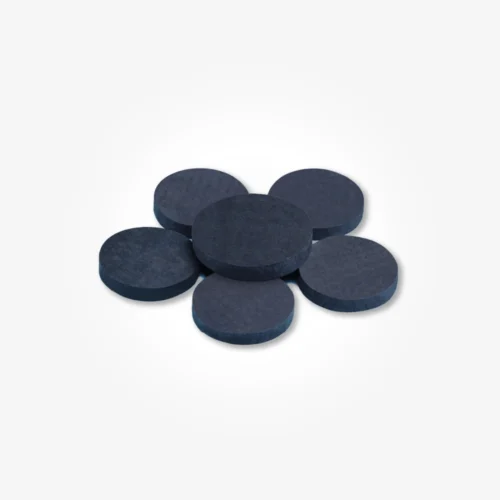
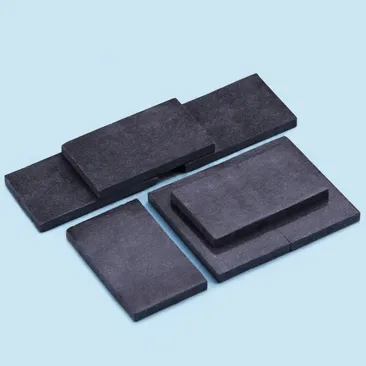
Carbon Fiber Thermal Pads CSF20-HR
Principaux avantages
- High thermal conductivity for fast heat transfer away from chip-level hot spots
- Low thermal resistance and low thermal loss for efficient interface heat flow
- High rebound and fatigue resistance for repeated-use scenarios
- High compressibility for soft, conformable, and easy assembly
- Helps reduce contact thermal resistance on complex mating surfaces
- Suitable for demanding electronics, optical assemblies, and thermal testing structures
Carbon Fiber Thermal Pad CSF20-HR
High-Rebound Carbon Fiber Thermal Pad for Efficient Through-Plane Heat Transfer and Stable Interface Contact
“`
CSF20-HR is a high-rebound carbon fiber thermal pad engineered with advanced vertically aligned carbon fiber technology for efficient through-plane heat transfer. It is designed to transfer heat efficiently between heat-generating components and heat sinks while maintaining soft, conformable fitting and stable long-term interface performance.
CSF20-HR
20 W/m·K (ASTM D5470)
30 W/m·K (ASTM E1461)
Thermal Resistance ≤1.4 °C·cm²/W @40 psi
Rebound Rate ≥90%
UL94 V-0
20 W/m·K (ASTM D5470)
30 W/m·K (ASTM E1461)
Thermal Resistance ≤1.4 °C·cm²/W @40 psi
Rebound Rate ≥90%
UL94 V-0
Series Snapshot
Modèle
CSF20-HR
CSF20-HR
Couleur
Black
Black
Thickness Range
0.8–12.0 mm
0.8–12.0 mm
Densité
2.1 ± 0.2 g/cm³
2.1 ± 0.2 g/cm³
“`
Informations techniques
Review the product positioning, core parameters, compression behavior, and application fit for CSF20-HR carbon fiber thermal pad.
Q1
What is CSF20-HR designed for?
CSF20-HR is designed for thermal-interface applications that require efficient through-plane heat transfer, soft conformable contact, and stable repeated-use performance. Its vertically aligned carbon fiber technology is intended to create an efficient thermal path between heat-generating devices and heat sinks.
“`
Vertically Aligned Carbon Fiber Direction
Built with advanced vertically aligned carbon fiber technology for efficient through-plane heat transfer.
Low Thermal Resistance Interface
Designed to minimize interface resistance for fast, efficient heat flow.
Soft and Easy Assembly
High compressibility makes the material soft, conformable, and easier to assemble.
Repeated-Use Reliability
High rebound and fatigue resistance make it suitable for repeated-use scenarios.
“`
Q2
What are the core technical data for CSF20-HR?
The table below reflects the currently published updated datasheet values for the CSF20-HR carbon fiber thermal pad.
“`
| Propriété | Méthode d'essai | CSF20-HR (2.0 mm) |
|---|---|---|
| Conductivité thermique | ASTM D5470 | 20 W/m·K |
| Conductivité thermique | ASTM E1461 | 30 W/m·K |
| Thermal Resistance (@40 psi) | ASTM D5470 | ≤1.4 °C·cm²/W |
| Température d'application | / | -40 to 150°C |
| Rebound Rate | / | ≥90% |
| Hardness (Shore 00) | ASTM D2240 | 50–60 |
| Résistance à la traction | ASTM D412 | 35 psi |
| Couleur | Visuel | Black |
| Thickness Options | ASTM D374 | 0.8–12.0 mm |
| Densité | ASTM D792 | 2.1 ± 0.2 g/cm³ |
| Inflammabilité | UL94 | V-0 |
| Compliance | / | RoHS 2.0 / Halogen-Free / REACH |
“`
Q3
What compression and heat-transfer strengths does CSF20-HR emphasize?
CSF20-HR is positioned as a high-rebound, soft, cushioning, and compressible thermal pad that lowers contact thermal resistance while supporting efficient repeated-use heat transfer.
“`
Fast Efficient Heat Transfer
The directional heat-transfer structure helps remove heat from chip-level hot spots efficiently.
Soft Cushioning Contact
Soft, cushioning, and highly compressible construction helps the pad conform to complex mating surfaces.
High Rebound and Fatigue Resistance
Rebound rate ≥90% and strong fatigue resistance support repeated-use scenarios.
Lower Contact Thermal Resistance
The material helps reduce interface resistance and improve effective heat flow across the contact area.
“`
Q4
How should CSF20-HR be stored and supplied?
The updated datasheet provides simple storage, packaging, and shelf-life guidance for project use and sample management.
“`
Emballage
Customized packaging available upon request.
Storage Conditions
Store in a cool, dry place.
Storage temperature: ≤30°C
Storage humidity: ≤75%
Durée de conservation
12 mois
Production Note
Users should verify suitability and compatibility through their own testing before production-line use.
“`
Q5
Which applications fit CSF20-HR best?
The updated datasheet focuses this product on electronics and testing applications that need efficient thermal transfer with soft contact and repeated-use stability.
Chip Testing
Suitable for chip-testing structures that need efficient heat transfer and stable interface contact.
Capacitors
Applicable to capacitor thermal-management structures requiring low interface resistance and conformable fitting.
Optical Modules
A good fit for optical-module assemblies where soft contact and reliable heat dissipation are both important.
5G Base Station RRUs / Thermal Module Testing
Suitable for communication hardware and thermal-module testing structures with demanding thermal-management requirements.
Téléchargements et FAQ
Technical Resources
Frequently Asked Questions
Q1. What is the main reason to choose CSF20-HR?
The main reason is to combine efficient through-plane heat transfer, low interface resistance, high rebound, and repeated-use fatigue resistance in one carbon fiber thermal pad.
Q2. Is CSF20-HR suitable only for chip testing?
No. The updated datasheet also lists capacitors, optical modules, 5G base station RRUs, and thermal module testing among the typical applications.
Q3. Why are there two thermal-conductivity values in the datasheet?
The current TDS lists 20 W/m·K under ASTM D5470 and 30 W/m·K under ASTM E1461, so both values should be referenced according to the relevant test method.
Q4. What storage conditions are recommended?
Store the product in a cool, dry place with storage temperature no higher than 30°C and storage humidity no higher than 75%.
Q5. What is the shelf life of CSF20-HR?
The current datasheet lists a shelf life of 12 months.