-
ADD: Edificio 2, nº 8 de Hengzhutang Road, Dongguan
-
Teléfono: +86 135 4224 3751

Choosing the Right PCM: A Phase Change Material Selection Guide
Heat is sneaking up on your systems, and this phase-change material selection guide cuts straight to picking what actually works at scale.
One wrong call on temperature range or conductivity and you’re stuck with overheating, downtime, and budgets bleeding out faster than expected.
Analysis from the International Energy Agency highlights surging cooling demand in data centers, reinforcing the need for reliable, application-specific PCM selection decisions.
Key Highlights for Your Phase Change Material Selection Guide
➔ Temperature Matching: choose PCM melting temp in line with operating range to ensure efficient heat absorption.
➔ Latent Heat Capacity: prioritize high latent heat per unit mass for maximum energy storage.
➔ Conductivity & Stability: opt for composite PCMs to boost thermal conductivity and ensure cycling reliability.
➔ Compatibility & Durability: verify encapsulation, volume change tolerance, electrical and corrosion compatibility for long-term performance.
4 Key Criteria For PCM Performance
Picking a PCM isn’t vibes—it’s fit. This Phase change material selection guide lays out what actually drives real-world results, with a few quick checks Sheen Technology uses when specs get messy.
Melting Temperature and Operating Range
En un Phase change material selection guide, start with temperatures you can trust, not brochure promises, because the phase transition only helps inside your real temperature range.
- Map the application window
- Normal load: target temperatura de funcionamiento band
- Peaks: define the “no drama” ceiling for heat spikes
- Match both ends of the transition
- melting point: should sit near the upper part of your working band
- Solidification point: must still be reachable during cooldown, or you’ll stop “recharging.”
- Watch the sneaky failure modes
- supercooling: PCM refuses to solidify on time, so performance feels random
- Thermal cycling: confirm the transition stays repeatable after many hot/cold runs
- Quick sanity rule (the practical kind)
- If your system rarely drops below the solidification point, that PCM is basically one-and-done storage
This is where a solid Phase change material selection guide saves you from a lab win and a field loss, and it’s why Sheen Technology pushes operating-data-based picks.
Latent Heat Capacity for Heat Storage
“More heat per gram” is the whole point, so latent heat sits at the center of any phase-change material selection guide. Short version: higher energy density usually means smaller packs, thinner cold plates, and less weight.
- Check the right numbers
- enthalpy across the real phase transition, not an idealized curve
- Don’t confuse specific heat (sensible) with heat storage from melting
- Tie it to your use case
- bursts (electronics): fast heat absorption matters
- long soak (batteries): total thermal energy stored wins
| Material option | Latent heat (kJ/kg) | Phase transition (°C) |
|---|---|---|
| PCM A (paraffin-like) | 180 | 42 |
| PCM B (salt-hydrate-like) | 230 | 32 |
| PCM C (fatty-acid-like) | 200 | 55 |
A clean Phase change material selection guide also asks: can you keep that heat storage after 500 cycles, or does it fade?
Thermal Conductivity and Cycling Stability
A PCM can have great latent heat yet still feel sluggish because conductividad térmica throttles the heat transfer rate—a common “why is this so slow?” moment in PCM selection guide work.
- Build a path for heat
- base PCM: often low thermal diffusivity
- upgrades: conductive fillers or composites to raise conductividad térmica without wrecking the melt behavior
- Keep performance from drifting
- Cycling stability: confirm the melt/freeze curve doesn’t wander over time
- degradation: look for chemical changes that reduce capacity
- phase separation: especially in blends, it can quietly kill consistency
- Protect integridad de los materiales under stress
- Repeated expansion, vibration, and hotspots can turn a “good spec” into a bad part
Materiales brillantes often treats this like a two-pass filter: hit target temps, then tune conductivity so the PCM keeps up with real duty cycles.
Mechanical Stability and Encapsulation Compatibility
A Phase change material selection guide isn’t complete until you’ve dealt with the messy physical stuff: swelling, seepage, and what the PCM does to its shell.
- Manage shape and movement
- Volume change during melting can warp housings if you don’t leave room
- Aim for real mechanical stability, not “it looked fine once.”
- Choose the right wrapper
- encapsulation style (micro, macro, pouch, cartridge) sets lifetime expectations
- Check the container material against your PCM chemistry to avoid corrosion
- Prevent the obvious failure
- Leakage isn’t subtle; it ruins thermal contact and makes a cleanup nightmare
- Verifique compatibilidad de materiales at max temperature, not just room temp
- Keep the system solid
- design for integridad estructural across shock, clamp loads, and repeated melts
This is also where Materiales brillantes adds practical screening: seal tests, soak tests, and fast cycling to catch weak encapsulation early—before you sign off on a “PCM selection guide” choice you’ll regret.
5 Steps To Phase Change Material Selection Guide
If your PCM pick feels like guesswork, this Phase change material selection guide keeps it practical. We’ll pin down temperature targets, size the heat buffer, pick the right form factor, avoid nasty compatibility surprises, and sanity-check cycle life for real-world use.
Step 1: Define Operating Temperature Requirements
Start with the exact application temperature range, not a vague “warm.” Your set point should sit inside the material’s phase transition temperature band, with enough margin for swings in ambient temperature. Miss that, and the Phase change material selection guide turns into a shopping list.
- Quick checks people skip:
- Verify the melting point aligns with your peak control target.
- Confirme freezing point supports recharge when load drops.
- Note comfort-driven needs like thermal comfort vs strict electronics limits.
Then write it down in plain numbers: target, min, max, and allowable drift. That’s the “phase change material selection guide” backbone, and Materiales brillantes will usually ask for it before suggesting candidates.
Step 2: Assess Thermal Load and Heat Storage Capacity
Think in bursts. Peak heat flux drives how fast the PCM must take in thermal energy storage, while total joules decide mass and volume.
Short and blunt: latent heat does the heavy lifting. Specific heat just smooths the edges. Track enthalpy across the transition, not a single brochure value, because real heat absorption y heat release shift with cycling and packaging.
| Parámetro | Symbol | Example value |
|---|---|---|
| Peak power to buffer | P | 250 W |
| Buffer duration | t | 12 min |
| Required stored energy | E = P·t | 180 kJ |
Use this Phase change material selection guide step to back-calculate PCM mass from E and measured latent heat, then sanity-check ciclo térmico expectations with your duty profile.
Step 3: Evaluate Material Forms (Microencapsulated to Foams)
Form decides integration pain, leakage risk, and thermal response. This is where “phase change material selection guide” turns into mechanical reality.
- Options and where they shine:
- microencapsulation
- Pros: clean handling, mixable into coatings
- Watch: shell limits conductivity
- macroencapsulation
- Pros: serviceable modules, easier containment
- Watch: contact resistance at walls
- composites
- Built from matriz polimérica blends or fillers for conductivity
- Often sold as shape-stabilized PCM hojas
- foam impregnation
- PCM inside porous metal/graphite foams for fast uptake
- Great when you can’t tolerate slow ramps
- slurries
- Pumpable, high surface area
- Needs filtration discipline
- bulk PCM
- Cheapest per kg
- Highest leakage and handling burden
- microencapsulation
If you’re following a Phase change material selection guide for tight enclosures, ask Sheen Technology about composite panels versus foam-loaded inserts before committing to bulk PCM.
Step 4: Check Electrical and Corrosion Compatibility
Electronics don’t forgive “close enough.” Validate rigidez dieléctrica y electrical conductivity under worst humidity and temperature, not lab-clean conditions. Also confirm chemical compatibility with seals, plastics, and potting; small mismatches turn into degradación del material over months.
Symbols that flag trouble fast:
- ⚠ pH level outside your metals’ comfort zone
- ⚠ mixed metals inviting galvanic corrosion
- ⚠ Wrong encapsulation material softening or cracking
This part of the phase change material selection guide is where Materiales brillantes typically recommends a quick soak test plus an insulation resistance check, instead of waiting for field failures.
Step 5: Validate Long-Term Stability and Cycling Reliability
A PCM that looks perfect at day 7 can drift by month 7, so treat reliability like a deal-breaker. Track supercooling over repeated cycles, because a widening gap between freeze and melt can quietly kill recharge. Watch for phase separation in salt hydrates and oily bleed in organics; both show up as lost capacity even when the container looks fine. Measure thermal degradation by checking enthalpy before and after aging, then compare performance retention at fixed cycle counts. Finally, set a hard acceptance bar for cycle life based on your actual duty schedule, not marketing claims, and keep notes on stability at standby temperatures. This phase-change material selection guide step is where Materiales brillantes can help define pass/fail criteria so “reliability” means something concrete.
How To Match PCM To Operating Temperature
Choosing the right material isn’t guesswork. A smart phase-change material selection guide connects operating temperature, chemistry, and long-term stability so thermal control actually works in real life.
Paraffin Waxes for Low-Temperature Ranges
Un sólido Phase change material selection guide starts with paraffin because waxes remain the go-to organic option for low-temperature control and stable phase change cycling.
- Core material traits
- Chemical nature
- Non-corrosive organic structure
- Minimal reactivity with aluminum heat sinks
- Thermal behavior
- Consistent melting during phase change
- Fiable latent heat release for steady thermal energy buffering
- Mechanical profile
- Low volume expansion
- Easy encapsulation
- Chemical nature
- Application matching
- Consumer electronics under 60°C
- Battery packs needing repeatable thermal energy absorption
- HVAC ducts smoothing short load spikes
- Design tuning
- Blending chain lengths adjusts melt points.
- Micro-encapsulation improves leakage resistance.
The International Energy Agency noted in a 2025 thermal storage outlook that latent heat storage “continues gaining traction in distributed cooling markets due to material stability and cost control.” That aligns closely with how this phase-change material selection guide frames paraffin for steady low-range duty.
For brands that need proven reliability, Materiales brillantes integrates paraffin modules engineered around precise melt bands—no guesswork, just clean cycling.
Salt Hydrates and Supercooling Control
Any serious Phase change material selection guide must weigh salt hydrates when higher storage density matters. These inorganic materials offer strong thermal storage capacity but demand tight control of supercooling y crystallization.
Key strengths:
- High volumetric capacity
- Improved conductivity over many organic options
- Sharp phase change window
Common challenges:
- Supercooling delaying solidification
- Phase separation after repeated melting
- Container compatibility concerns
Practical fixes look like this:
- Add nucleating agents to trigger reliable nucleation.
- Use thickening agents to stabilize the suspension.
- Optimize heat exchanger geometry for faster discharge.
Short note. Control the crystallization, and performance stabilizes.
BloombergNEF’s 2025 energy storage briefing observed that advanced PCM formulations are “shifting from lab-scale stabilization to commercial reliability benchmarks.” That’s the real pivot point.
Materiales brillantes applies encapsulation strategies and additive balancing so salt hydrates behave predictably across cycling loads, turning a tricky phase change material selection guide decision into a workable industrial solution.
Fatty Acids and Eutectics at Mid-Range Points
When the operating band sits between 60°C and 120°C, a refined Phase change material selection guide often highlights fatty acids y eutectics. These organic systems provide a precise melting point y apretado thermal regulation around mid-range temperature targets.
Follow this path:
- Define the exact mid-range temperature window.
- Select single fatty acids or blend into eutectics for sharper phase change behavior.
- Validate cycling durability and latent output.
- Confirm compatibility with enclosure materials.
Quick insight. Eutectic blends fine-tune performance without complex chemistry.
A clean melting point plateau means stable heat buffering during repeated cycling. That’s gold for telecom cabinets and industrial electronics.
Materiales brillantes supports clients with a tailored Phase change material selection guide, aligning mid-range thermal regulation goals with lab-tested eutectic formulations—so performance feels steady, not experimental.
Cost Vs. Performance: PCM Trade-Offs Explained
Picking a PCM can feel like shopping with a calculator in one hand and a stopwatch in the other. This Phase change material selection guide keeps it real on cost drivers and performance payoffs, so your Phase change material selection guide doesn’t turn into guesswork.
Cost Factors: Material, Encapsulation, and Processing
Cost starts with raw materials y chemical composition, then climbs fast once encapsulation methods enter the chat, because shell materials and tight QA aren’t cheap.
- Material bill (what you’re truly paying for)
- Feedstock choice: purer raw materials raise cost, but cut drift across cycles.
- Recipe complexity: tricky chemical composition can demand controlled sourcing and extra testing.
- Encapsulation (where budgets get spicy)
- Method choice: advanced encapsulation methods often cost more than the PCM itself.
- оболочка decision: premium shell materials add durability, but also add line items.
- Factory reality (the hidden multiplier)
- Extra steps: demanding procesos de fabricación increase scrap risk and inspection time.
- Scale effects: mature técnicas de producción lower unit cost, but only after volume commits.
- Build path: harder fabrication and finicky synthesis stretch lead times.
If you’re speccing with Materiales brillantes, keep your Phase change material selection guide tied to volume forecasts, not just lab samples.
Performance Metrics: Thermal Conductivity vs. Heat Storage
Balancing conductividad térmica y heat storage capacity is the whole game, because high latent heat stores energy, yet slow heat flow can make it feel lazy in real use.
- Set the target melting point so the phase transition happens where your device actually lives.
- Consulte energy density using both latent heat y specific heat; sensible heat still matters on long ramps.
- If response time is king, boost thermal diffusivity with additives, but watch cost creep.
- Quick gut-check for any Phase change material selection guide:
- Alta conductividad térmica → faster charge/discharge
- Alta latent heat → longer hold time
For a cleaner trade-off call, Materiales brillantes teams often keep a short “phase change material” short-list, then tune conductivity last, once storage goals are locked.
Scenario: Data Center Cooling With PCMs
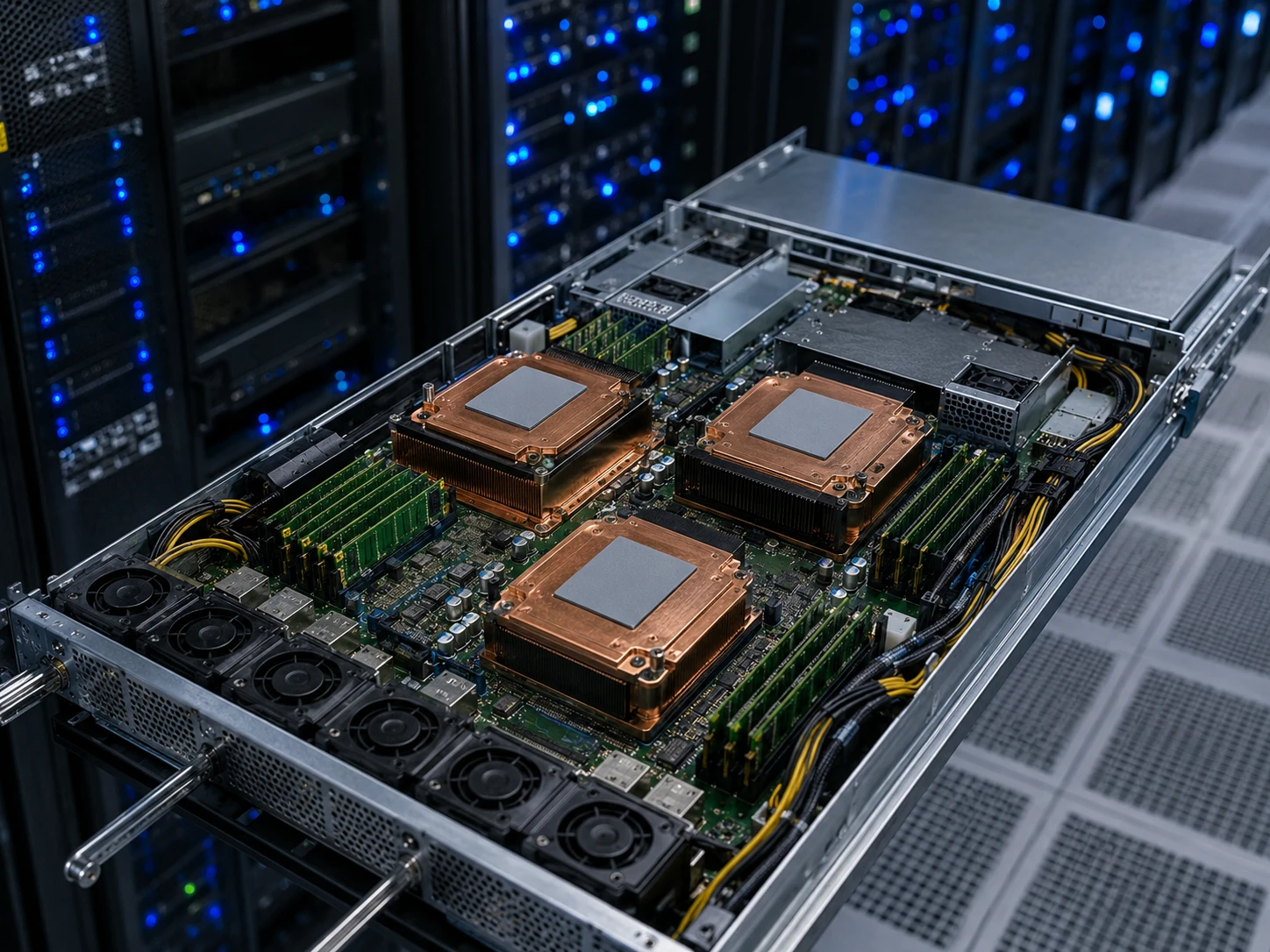
Data centers run hot, and nobody wants surprise throttling at 2 a.m. This phase-change material selection guide keeps choices practical, tying heat, voltage safety, and footprint into one clean decision path with Sheen Technology.
Selecting Composite PCMs for High Heat Flux
Una buena Phase change material selection guide starts with the pain point: high heat flux at the CPU/GPU edge, where plain phase change material can bottleneck unless a material compuesto boosts conductividad térmica.
- Phase change material selection guide checks, in order
- Thermal target
- Match melting point to inlet air and cold-plate temps, not room-temp guesses.
- Confirme latent heat is high enough to ride through short spikes without instant saturation.
- Build approach
- Use conductive fillers in a material compuesto to lift conductividad térmica, then validate the trade-off in mass and cost.
- Select encapsulation that survives vibration and service handling, because leaks are a career-limiting event.
- Reliability gate
- Run ciclo térmico to spot phase separation, pumping, or shell cracking early.
- Thermal target
Materiales brillantes can supply lab samples quickly, which helps when your phase change material selection guide has to move from spreadsheet to rack test in days.
| PCM stack option | Effective thermal conductivity (W/m·K) | latent heat (kJ/kg) | Stable thermal cycling (cycles) |
|---|---|---|---|
| Base phase change material | 0.35 | 180 | 1,000 |
| Composite, moderate filler | 1.20 | 160 | 2,000 |
| Composite, high filler | 2.50 | 140 | 1,500 |
| Encapsulated composite panel | 1.60 | 150 | 3,000 |
Ensuring Dielectric Strength in Power Electronics Racks
Este Phase change material selection guide gets strict inside power shelves, because electrónica de potencia punish mistakes fast. Keep aislamiento eléctrico front and center, and treat “thermally great” as meaningless if electrical conductivity creeps up over time.
- Verify the basics: demand a clear rigidez dieléctrica spec and a real tensión de ruptura test method, not marketing fluff.
- Check materials interaction: filler-loaded PCMs can shift electrical conductivity, so ask for aged data after heat soak and humidity exposure.
- Fit it to compliance: align with site normas de seguridad, then confirm how the PCM behaves during fault conditions.
- Tie back to performance: good gestión térmica still matters, so confirm rack airflow doesn’t cook the PCM past its intended range.
Quick gut-check bullets that help when your phase change material selection guide is being debated on a call:
- If resistivity data is missing, it’s a no.
- If insulation claims don’t match the operating voltage margin, it’s a no.
- If it can’t be serviced cleanly, it’s a no.
Materiales brillantes can share dielectric test summaries on request, which saves back-and-forth when the rack owner wants proof.
Balancing Weight Considerations and Space Constraints
A Phase change material selection guide for tight racks has to respect physics and logistics at the same time. Material density sets the carry-load, volume constraint sets the geometry, and your form factor decides how much real contact area you get.
- Packaging logic that works in real cages
- Start from limits
- Define the hard volume constraint around heat sources and cable paths.
- Set a weight budget using material density and allowable mounting loads for the chassis.
- Choose shape with intent
- Sheets win when you need coverage and easy retrofit; foams win when you need conformity and low mass.
- Add only enough thermal mass to cover spike duration; extra mass just steals space.
- Integrate with hardware
- Coordinate heat exchanger design so PCM doesn’t block fin airflow or service access.
- Push packaging efficiency by using modular inserts, then validate space utilization with a real mockup.
- Trim grams without losing function
- Pursue weight reduction through selective placement near hotspots, not by under-sizing everywhere.
- Start from limits
If your phase change material selection guide is aiming for “fits on paper,” you’ll miss the install reality; Sheen Technology can help prototype the exact insert geometry so the PCM earns its keep.
Phase Change Material Selection Guide: Lifetime Cost Analysis
Phase change material selection guide choices can feel like picking tires: the sticker price matters, but so does how long it lasts and how annoying it is to replace. This phase change material selection guide breaks lifetime cost into three buckets—buy-in, upkeep, and endgame—so the “cheap” option doesn’t quietly get expensive later.
Upfront Material and Encapsulation Expenses
A phase change material selection guide starts at the purchase order, but the real hit often comes from packaging choices around the PCM type. With Sheen Technology projects, cost control usually comes from matching thermal needs to build reality, not chasing lab-perfect specs.
- Material and build choices
- PCM type
- Salt hydrates may offer strong Heat of fusion, yet demand tighter quality control on Propiedades de los materiales.
- Paraffins simplify handling, but can push volume based on Form factor limits.
- Encapsulation material y Container design
- Polymer shells lower weight, while metal can reduce risk when integration gets rough.
- Complex geometries raise Manufacturing cost, even if the raw PCM looks affordable.
- PCM type
Maintenance Costs and Thermal Cycling Reliability
For a phase change material selection guide, this is where budgets either stay calm or spiral.
- Thermal cycles y Performance stability: stable output means fewer site visits.
- Degradation plus Phase separation: small drift turns into replacement sooner than planned.
- Supercooling effect: it can delay release, hurting Operational efficiency on cold starts.
Quick reality check:
- Track Maintenance frequency against delivered kWh, not calendar time.
- Tie warranty language to Lifetime expectancy under real cycling, not ideal cycling.
End-of-Life Recycling and Long-Term Stability Metrics
- Map the Recycling method early; it changes your container choices.
- Confirme Disposal regulations for the Encapsulation material and any additives.
- Score the environmental footprint with transport and cleaning included.
- Review Estabilidad química y Material degradation logs to predict true Service life.
- Plan Waste management with clear Safety considerations, so teardown isn’t a last-minute mess.