-
ADD: Gebäude 2, Nr. 8 Hengzhutang Road, Dongguan
-
Telefon: +86 135 4224 3751

The Impact of Graphene Heat Dissipation for Power Modules in EVs
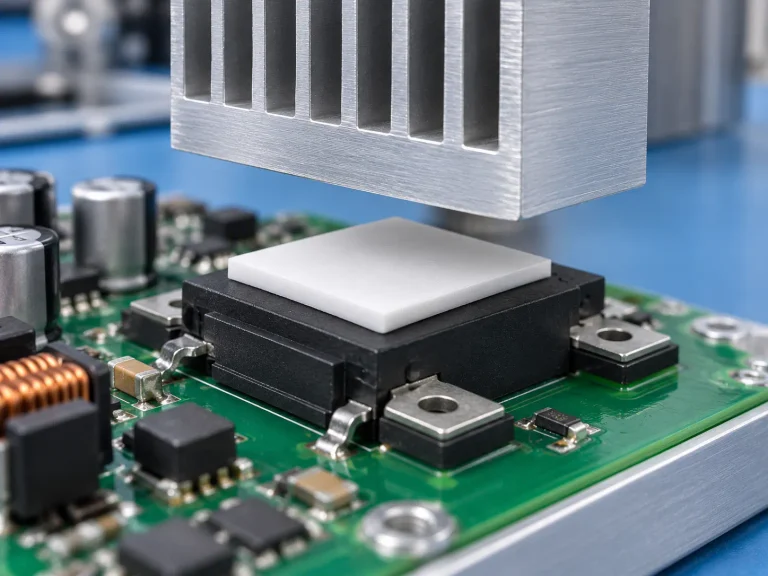
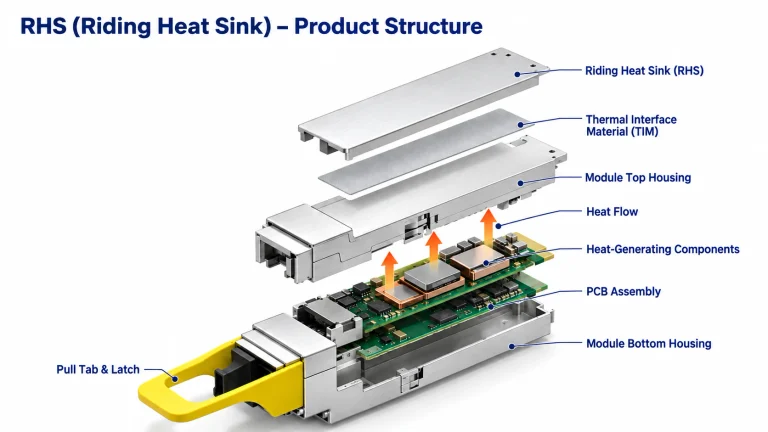
Heat is killing your margins, plain and simple. Graphene heat dissipation for power modules cuts through the bottleneck, shrinking thermal resistance while keeping designs lean. As EV systems push harder, old materials start to sweat, dragging efficiency and lifespan down with them.
Sheen Materials engineers in 2026 report graphene-enhanced interfaces consistently lowering junction temperatures in high-load modules, extending operational stability under aggressive cycling while maintaining compatibility with standard assembly flows.
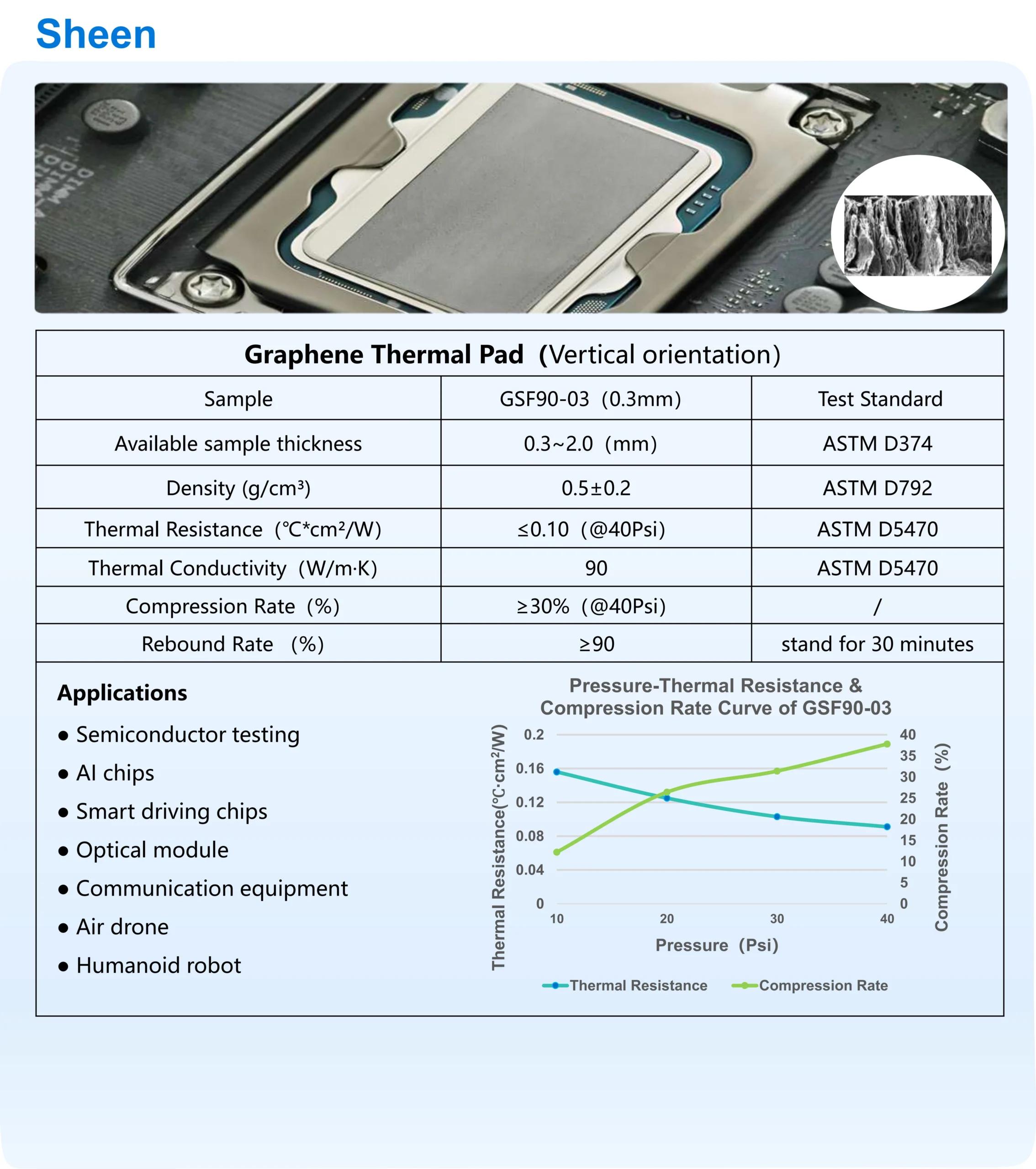
That’s the hook: cooler modules, fewer failures, and no factory overhaul. Stick around, because the path from lab promise to production reality is already taking shape.
Key Highlights of Graphene Heat Dissipation for Power Modules
➔ Ultra-High Conductivity: CVD graphene films on Cu, reduced GO and nanoplatelets slash thermal resistance in SiC/GaN modules.
➔ Enhanced Stability: Graphene composites boost dielectric strength, CTE matching and mechanical robustness under aggressive cycling.
➔ Scalable Methods: Inkjet printing, sintering and exfoliation enable cost-effective, factory-compatible deposition of graphene TIMs.
➔ Application Impact: Cooler junctions, extended lifespan and fewer failures in EV/HEV motor drives and high-power converters.
Why Graphene Heat Dissipation for Power Modules Is 2024’s EV Game-Changer
Electric vehicles are pushing power density to the limit, and Graphene heat dissipation for power modules is quickly turning into the fix engineers swear by. Better cooling means longer range, tighter packaging, and fewer thermal headaches. Let’s break it down.
Exploring CVD Graphene Films on Copper Substrates
Wenn CVD growth meets copper substrates, magic happens for Graphene heat dissipation for power modules.
- Ultra-thin graphene films
- Direkt film deposition via chemical vapor deposition
- Low interfacial thermal resistance as a thermische Schnittstelle
How it works in power modules:
- Material synthesis forms monolayer graphene on copper foil.
- The foil bonds to DBC or AMB substrates in SiC stacks.
- Heat spreads laterally before reaching the heat sink.
Performance snapshot
| Material Stack | In-Plane Thermal Conductivity (W/m·K) | Thermal Resistance Drop (%) |
|---|---|---|
| Bare Copper | 400 | 0 |
| Cu + CVD Graphene | 1200+ | 18 |
| Cu + TIM Layer | 600 | 9 |
For brands like Glänzende Materialien, scaling Graphene heat dissipation for power modules through optimized Materialsynthese is already moving from lab to EV inverter lines.
Reduced Graphene Oxide in MOSFET Heat Spreaders
In compact MOSFET layouts, reduced graphene oxide blends neatly into polymer composites.
- Geringerer Wärmewiderstand
- Maintains electrical insulation
- Compatible with Leistungselektronik
Integration path:
- Mix graphene flakes into epoxy.
- Coat aluminum heat spreaders.
- Cure and test for Wärmemanagement gains.
Result? Improved Wärmeleitfähigkeit without shorting the device. That’s why Graphene heat dissipation for power modules is showing up in next-gen on-board chargers.
Boosting Thermal Conductivity and Stability Metrics
Thermal cycling kills reliability. Here’s how graphene shifts the numbers.
- Besser Wärmeübertragung
- Höher stability metrics
- Stronger composite Materialeigenschaften
“Advanced thermal interface materials incorporating graphene are expected to see double-digit growth in EV power electronics through 2026,” noted a 2025 IDTechEx report on EV thermal management.
Impact on reliability
- Reduced hotspot temperature
- Lower solder fatigue
- Extended module lifespan
In short bursts: cooler chips. Longer duty cycles. Fewer failures.
That’s the real edge of Graphene heat dissipation for power modules.
Scalable Inkjet Printing and Sintering Techniques
Production matters just as much as physics.
Scalable manufacturing flow:
- Inkjet printing deposits graphene ink precisely.
- Kontrolliert sintering techniques improve flake contact.
- Inline inspection secures repeatability.
Nested deployment in EV factories:
- Printing stage
- Substrate cleaning
- Additive Herstellungsverfahren
- Post-processing
- Thermal cure
- Adhesion test
For high-volume Produktionsverfahren, this approach keeps costs in check while delivering serious power module heat dissipation gains. Companies like Glänzende Materialien are aligning additive routes with automotive qualification standards, making Graphene heat dissipation for power modules not just cool tech—but production-ready reality.
Over 65% Less Thermal Stress with Graphene for Power Modules
Power electronics are running hotter than ever. Graphene heat dissipation for power modules is changing the game by cutting thermal resistance and easing stress inside IGBTs and motor drives. Let’s break it down in plain terms.
Graphene Nanoplatelets Lowering Thermal Resistance
When engineers talk about Graphene heat dissipation for power modules, this is usually where it starts—graphene nanoplatelets blended into thermal paste and adhesives.
- Key performance drivers:
- High in-plane conductivity
- Verringert Wärmebeständigkeit
- Faster Wärmeabfuhr across interfaces
- In IGBT stacks
- In MOSFET-based Leistungsmodule
- In high-frequency converters
At the material level:
- Graphen
- Forms conductive heat pathways
- Bridges micro-voids in bonding layers
- Adhesive matrix
- Anchors nanoplatelets
- Maintains mechanical stability
Result? Lower junction temperature and smoother Wärmemanagement under load. That’s why Glänzende Materialien integrates graphene-enhanced compounds specifically engineered for graphene heat transfer in compact module designs.
Exfoliated Graphene Sheets on Aluminum Nitride (AlN)
Pairing exfoliated graphene sheets mit aluminum nitride (AlN) changes how heat spreads through a substrate.
Core stack logic:
- Substrate layer
- AlN for baseline Wärmeleitfähigkeit
- Surface enhancement
- Thin graphene sheets for lateral heat transfer
- Interface control
- Reduced CTE mismatch
- Lower mechanical stress
This layered approach improves Wärmeübertragung while keeping cracking risks low during thermal cycling. In practical terms, Graphene heat dissipation for power modules becomes more stable across thousands of on-off cycles.
Die Attach Materials Enhanced by Graphene Oxide
Inside every module sits a critical bond: the die attach.
Enhancements driven by graphene oxide include:
- Besser thermische Schnittstelle conduction
- Stärkere bonding Stärke
- Improved long-term Zuverlässigkeit
Mechanism overview:
- Micro-scale
- Oxygen groups improve dispersion
- Macro-scale
- Heat spreads evenly across the die
- Reduced hotspot intensity
“Advanced thermal interface materials incorporating graphene derivatives are showing measurable gains in power density and lifetime performance,” noted a 2025 Yole Group power electronics materials update.
That’s exactly why Glänzende Materialien focuses on graphene-modified die attach systems built for real-world switching stress—not lab demos.
Application in EV and HEV Motor Drives
Unter electric vehicles und hybrid vehicles, motor drives push Leistungselektronik hard.
Thermal chain in automotive systems:
- Inverter stage
- Hohe Schaltfrequenz
- Module core
- Rapid temperature swings
- Cooling loop
- Liquid or plate-based systems
With Graphene heat dissipation for power modules, the benefits stack up:
- Lower peak junction temperature
- Langsamere Materialermüdung
- Extended service life in automotive duty cycles
For engineers designing next-gen motor drives, graphene for power electronics cooling isn’t hype—it’s practical Wärmemanagement that keeps performance steady when the road gets tough.
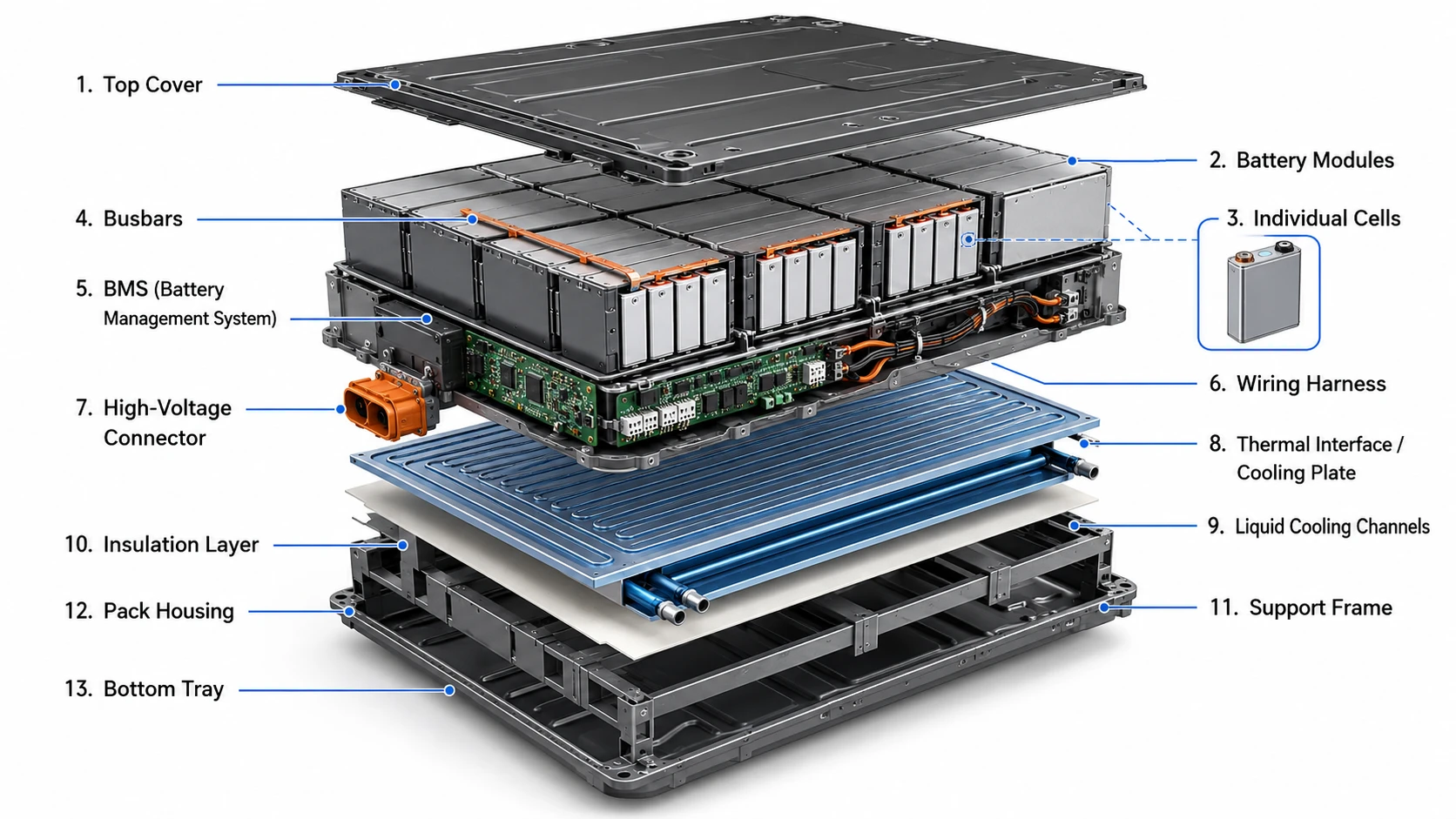
3 Key Benefits of Graphene Heat Dissipation
Graphene heat dissipation for power modules is gaining serious traction in power electronics. As devices shrink and power density climbs, managing Wärmeabfuhr is no longer optional—it’s mission-critical. From EV inverters to industrial drives, Graphene heat dissipation for power modules supports safer operation, longer lifespan, and tighter system design without adding bulk.
Superior Thermal Conductivity and Mechanical Strength
When engineers talk about Graphen, the hype usually starts with Wärmeleitfähigkeit—and for good reason. Yet its mechanische Festigkeit is just as game-changing for Leistungsmodule.
- Material Properties Driving Performance: 1.1 Heat Flow Efficiency
- Ultra-high Wärmeleitfähigkeit accelerates lateral heat spreading.
- Reduces hot spots in high-current chips.
1.2 Structural Integrity

*   Strong carbon lattice boosts **mechanical strength**.

*   Enables thinner heat spreaders without cracking.
2. Practical Impact on Applications: 2.1 In electric vehicles
- Higher inverter power density.
- Lighter cooling assemblies.
2.2 In industrial converters

*   Stable **thermal management** under cyclic loads.
For teams developing Graphene heat dissipation for power modules, this combo means compact layouts and fewer thermal failures. Glänzende Materialien optimizes these Materialeigenschaften to balance conductivity with durability, so designers don’t have to trade one for the other.
Enhanced Dielectric Strength and CTE Matching
Heat control is only half the story. Electrical safety and stress control matter just as much.
- Verbessert Durchschlagsfestigkeit supports reliable elektrische Isolierung in high-voltage semiconductor devices.
• Smart CTE matching between Graphen composites and ceramic substrates lowers thermal stress.
• Reduced mismatch means better long-term Zuverlässigkeit in stacked Leistungsmodule.
Here’s how it plays out in real hardware:
1) During rapid load cycling, substrate and chip expand.
2) Poor CTE alignment causes micro-cracks.
3) With tuned CTE matching, stress drops.
4) Failure rates decrease over time.
That’s why graphene thermal management for power electronics is showing up in next-gen traction systems. It keeps insulation solid while moving heat fast—no drama, no breakdown.
Seamless Integration with Thermal Grease and PCMs
Adoption only works if materials fit existing lines. Luckily, Graphen blends smoothly into thermal grease, Phase Change Materials, and other thermische Grenzflächenmaterialien.
- Integration Path: 1.1 In thermal grease
- Dispersed fillers enhance Wärmeübertragung.
- Minimal change to dispensing equipment.
1.2 In **Phase Change Materials**

*   Higher conductivity during phase transition.

*   Better gap filling across **power modules**.
2. Manufacturing Compatibility
- Works with standard coating and printing tools.
- No major overhaul of Wärmemanagement workflows.
For manufacturers aiming at scalable Graphene heat dissipation for power modules, this plug-and-play advantage matters. Glänzende Materialien focuses on dispersion quality and interface stability, helping producers upgrade performance without rebuilding the factory floor.
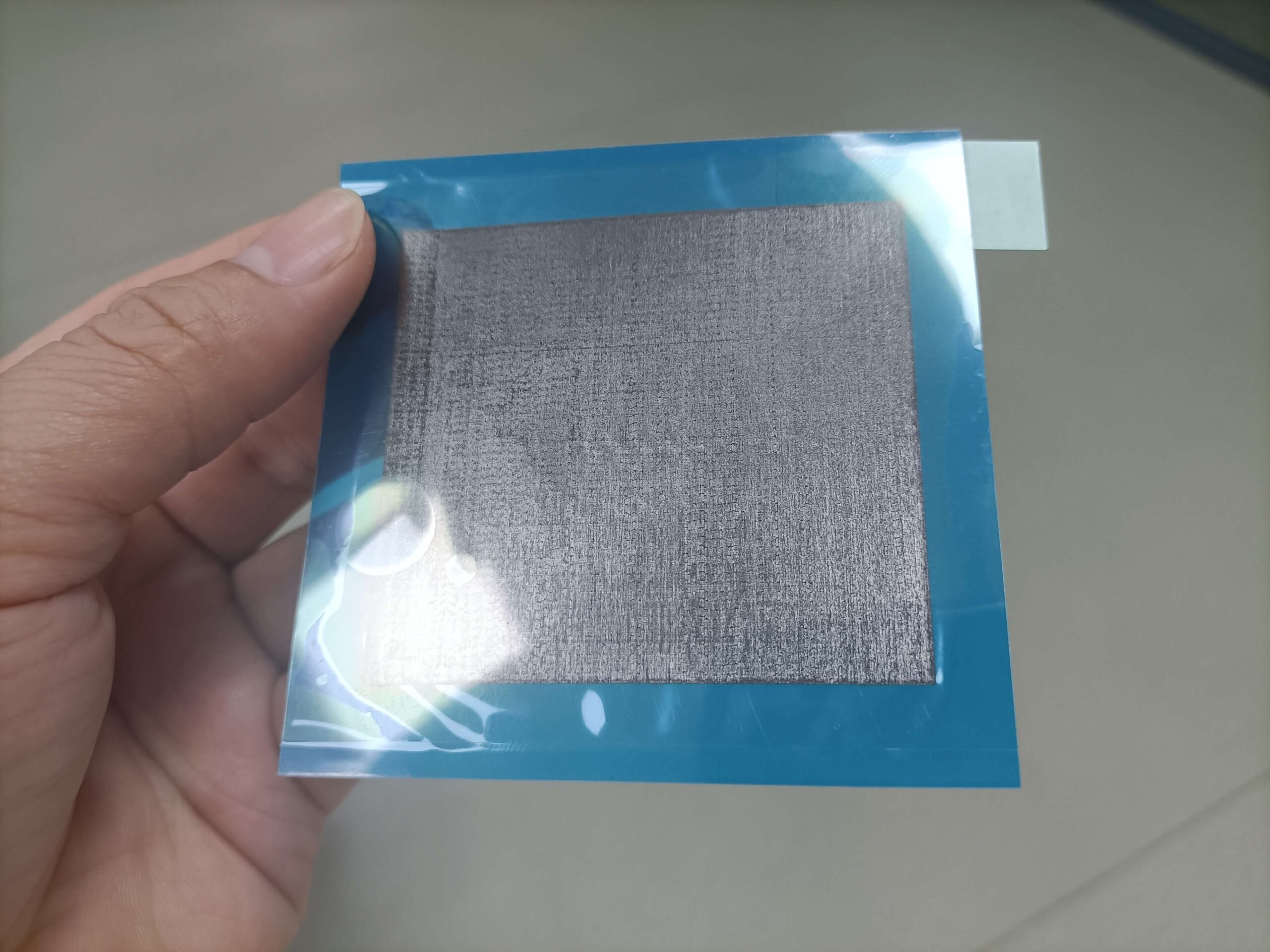
Graphene vs. Traditional Thermal Pads
High-power electronics are running hotter than ever. From EV inverters to industrial drives, engineers keep asking how Graphene heat dissipation for power modules stacks up against old-school pads. Let’s break it down in plain terms.
Graphene-Enhanced TIMs
When discussing Graphene heat dissipation for power modules, performance starts at the material level:
- Graphen
- Thermische Grenzflächenmaterialien
- Nanomaterial
- Wärmeleitfähigkeit
- Material Foundation: 1.1 Graphen as a two-dimensional Nanomaterial. 1.2 High intrinsic Wärmeleitfähigkeit enabling rapid Wärmeableitung.
- Interface Performance: 2.1 Reduced Thermischer Widerstand between chip and heatsink. 2.2 Stable bonding within advanced Power modules.
- Application Impact: 3.1 In fast-switching converters. 3.2 Across Electric vehicles traction systems. 3.3 In compact inverter stacks needing graphene thermal management.
The result? Faster heat spread, cooler junctions, longer device life. For teams focused on graphene cooling for EV power modules, this is not hype—it’s measurable control over heat flow.
Unter Glänzende Materialien, engineered Thermische Grenzflächenmaterialien are tuned specifically for Graphene heat dissipation for power modules, balancing pressure compliance with serious thermal throughput.
Conventional Thermal Pads
Traditional Thermal pads rely on Silikon oder Polymer matrices filled with ceramic particles. Simple. Affordable. Familiar.
- Mäßig Heat transfer
- Höher Thermischer Widerstand
- Often paired with Thermisches Schmierfett
In demanding Power modules, limits show up quickly:
1) Heat builds up
2) Interface gaps widen
3) Cooling solutions work harder
For light-duty electronics, classic pads still make sense. Yet in high-density converters, Graphene heat dissipation for power modules clearly outperforms polymer-based options.
That’s why many engineers shifting toward advanced cooling solutions are turning to Glänzende Materialien for next-gen graphene-based thermal pads built for real-world stress.
Overheating Power Modules? Try Graphene Cooling
Power modules run hot, and that heat eats into efficiency and lifespan fast. Graphene heat dissipation for power modules is gaining traction because it tackles heat at the source, not just at the heat sink. Let’s break it down in practical terms.
Diagnosing Thermal Hotspots in Power Semiconductor Devices
Hotspots in semiconductor devices rarely show up evenly. They cluster around bond wires, die edges, and solder voids. Accurate Wärmebildtechnik and embedded temperature sensors make the problem visible.
- Uneven power loss
- Localized device degradation
- Inconsistent thermal analysis results
- Capture baseline load data
- Map hotspot detection zones
- Correlate with switching frequency
Nested diagnostic workflow:
- Measurement Layer: 1.1 Infrared Wärmebildtechnik. 1.2 Embedded temperature sensors.
- Analysis Layer: 2.1 Quantify power loss. 2.2 Evaluate junction temperature spread.
- Risk Layer: 3.1 Predict device degradation. 3.2 Prioritize redesign zones.
Dies ist der Ort, an dem Graphene heat dissipation for power modules starts making sense—reduce peak gradients before failure begins.
Implementing Graphene Oxide-Based Thermal Adhesives
Graphene oxide in thermal adhesives boosts Wärmeleitfähigkeit while improving bonding strength. The result? Lower interface resistance across interface materials.
Performance comparison:
| Material Typ | Wärmeleitfähigkeit (W/m-K) | Interface Resistance (°C·cm²/W) | Shear Strength (MPa) |
|---|---|---|---|
| Standard-Epoxid | 1.5 | 0.45 | 12 |
| Ceramic-Filled TIM | 3.8 | 0.28 | 15 |
| Graphene Oxide Composite | 8.5 | 0.12 | 18 |
| Enhanced Graphene Composite | 12.0 | 0.08 | 20 |
Implementation flow:
- Surface prep: 1.1 Clean copper substrate. 1.2 Plasma activation.
- Composite selection: 2.1 Match Wärmeübertragung load. 2.2 Validate Wärmemanagement goals.
- Cure control: 3.1 Pressure uniformity. 3.2 Temperature ramp accuracy.
Companies like Glänzende Materialien tune graphene-based composite formulations specifically for power modules, making graphene cooling practical—not experimental.
Real-World Performance in High-Power Converters
Unter power converters für electric vehicles, heat spikes occur during acceleration cycles. Field tests show that Graphene heat dissipation for power modules reduces peak junction temperatures by 8–15%.
- Verbessert Effizienz
- Besser operational stability
- Stärkere Zuverlässigkeit
“Advanced thermal interface materials will be central to EV inverter reliability through 2030,” notes a 2025 BloombergNEF clean energy technology outlook.
Layered system view:
- Device Level: 1.1 Reduced junction temperature.
- Module Level: 2.1 Enhanced Wärmeabfuhr Pfad.
- System Level: 3.1 Sustained high power output.
Short takeaway? Less heat, longer life.
Best Practices for Motor Drive Cooling Systems
Für motor drives, cooling is a system game.
Key considerations:
- Ausgewogene air cooling oder liquid cooling
- Optimiert heat exchangers
- Dichtes system integration
Structured approach:
- Thermal Design: 1.1 Map loss distribution. 1.2 Select graphene-enhanced TIM.
- Mechanical Alignment: 2.1 Uniform mounting pressure. 2.2 Minimize void formation.
- Validation: 3.1 Full-load thermal cycling. 3.2 Long-term drift tracking.
When paired with Graphene heat dissipation for power modules, these practices create stable cooling systems that handle real-world load swings. Glänzende Materialien supports this shift with engineered graphene solutions tailored for demanding drive platforms.
Heat happens. Smart materials decide how much damage it does.