-
ADD: Building 2, No. 8 Hengzhutang Road, Dongguan
-
Phone: +86 135 4224 3751

Drone Thermal Materials Applications
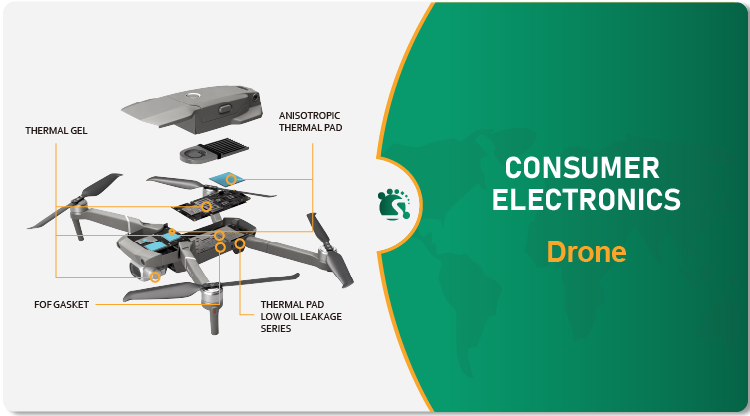
Drones concentrate high-power electronics in lightweight structures, creating hotspots in the flight controller, processor, ESCs, and RF modules. Excess heat can cause throttling, sensor drift, and reduced reliability during sustained flight.
Thermal interface materials (TIMs) build low-resistance heat paths to the frame or heatsinks to: ① stabilize performance and control hotspots; ② improve power electronics and battery reliability; ③ support thin, weight-sensitive designs with minimal added mass.
Overview
Drone Thermal Interface Materials (TIMs) Solutions
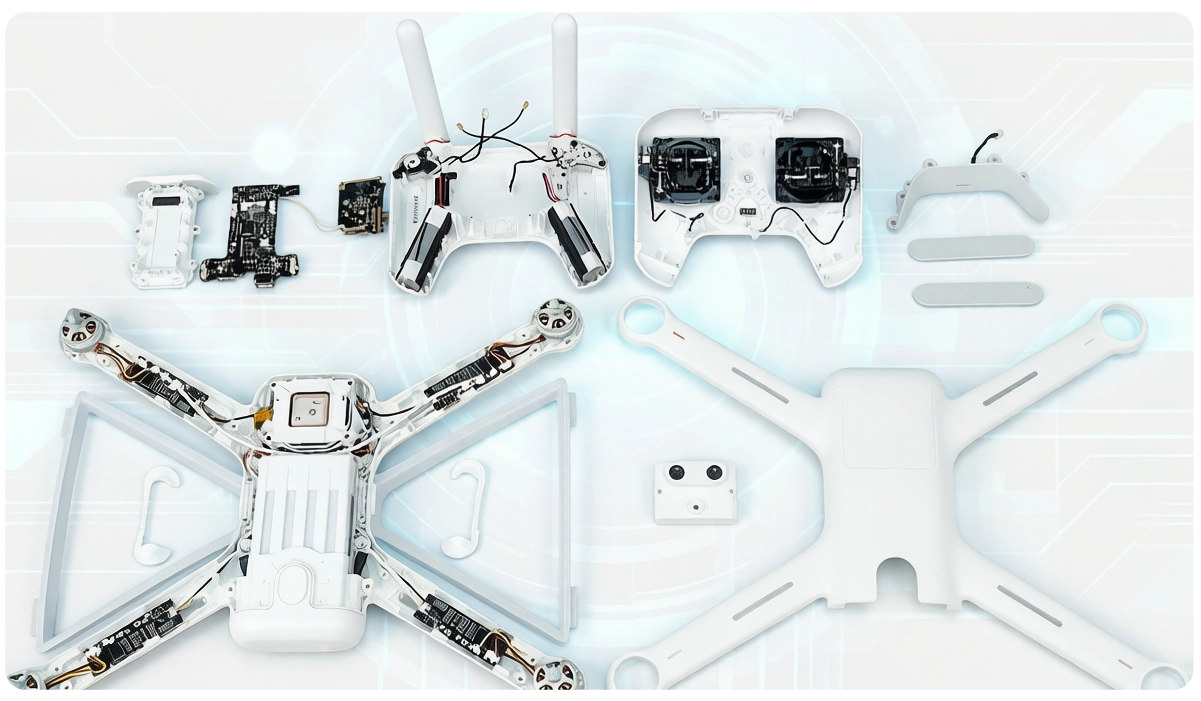
Drones generate concentrated heat from the flight controller, processor, ESCs, and power modules in a lightweight, compact frame. Excess heat can cause throttling, sensor drift, and reduced reliability during sustained flight.
Thermal interface materials (TIMs) create low-resistance heat paths to the frame or heat spreaders—stabilizing performance and improving long-term reliability.

Benefits
Lightweight Thermal Materials, Built for Stable Flight
Reduce Hotspots, Stabilize Performance
Quickly move heat from processors and flight-control electronics to the frame—less throttling and more stable operation in flight.
Thin Gap-Filling, Secure Contact Under Vibration
Conformable TIMs handle uneven surfaces and tolerance stack-ups—consistent thermal contact even with vibration and shock.
Reliable Outdoors, Long-Term Durability
Options designed for thermal cycling and wide temperatures—helping reduce aging and maintain performance over time.
Fast Converting + Engineering Support
Custom thickness and die-cut shapes for drone layouts—rapid sampling to speed validation and ramp to production.
Related Products
Discover product categories commonly used in this application. You can replace these cards with your own thermal materials, TIMs, foams, tapes, or soldering-related products.
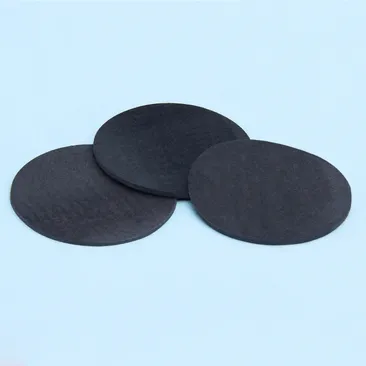
Thermal Pads
Soft, conformable thermal pads for gap filling and reliable heat transfer in electronics.
Browse ›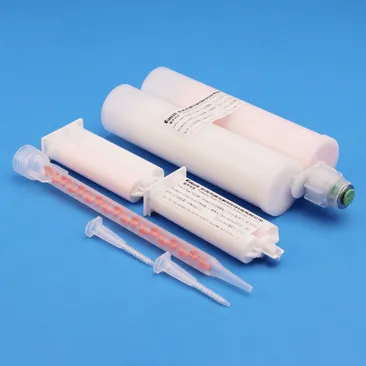
Thermal Grease
High-efficiency thermal grease solutions for CPUs, power modules, and industrial assemblies.
Browse ›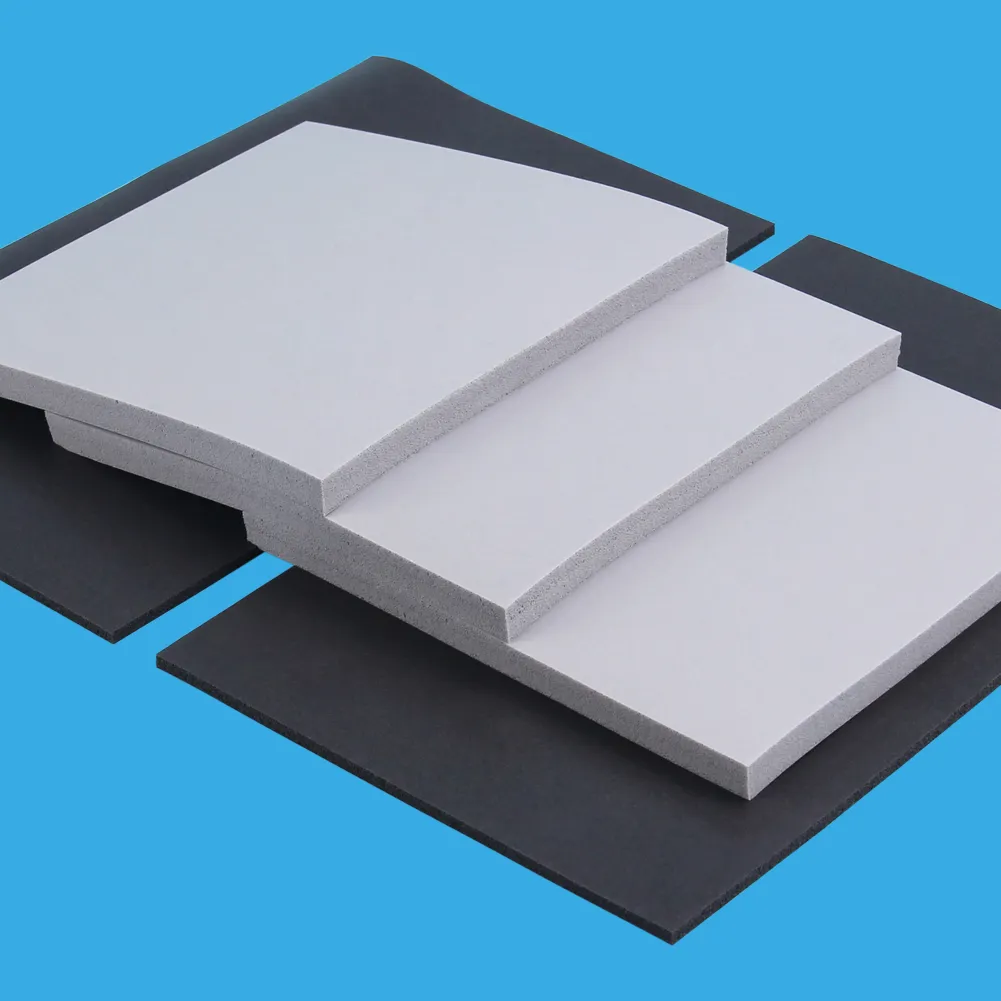
Silicone Foam
Foam materials for sealing, cushioning, insulation, and fire-barrier applications.
Browse ›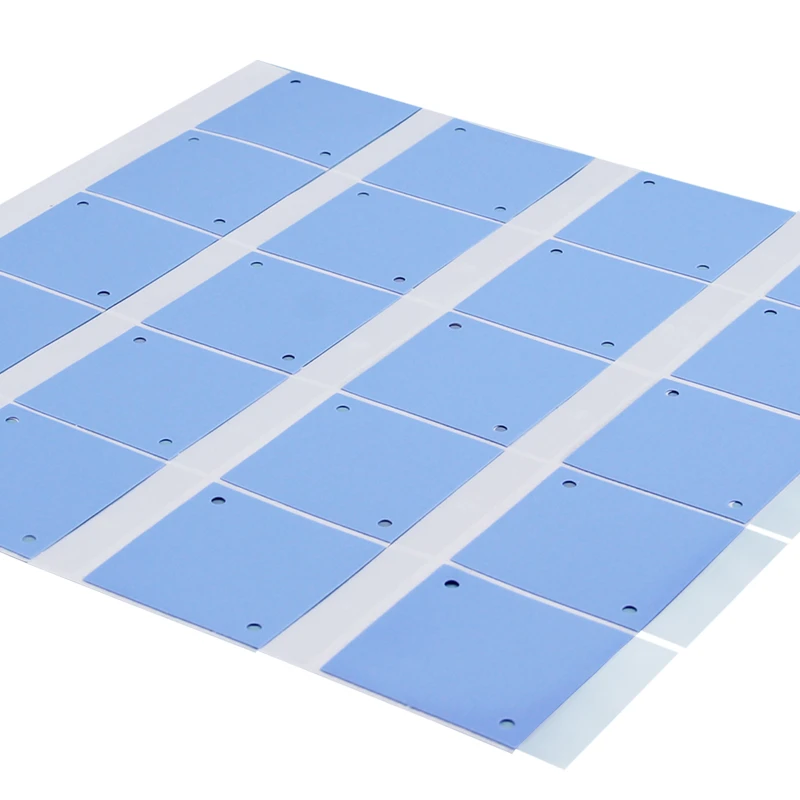
Thermal Tape
PSA laminated thermal tapes for fast assembly and consistent thermal interface bonding.
Browse ›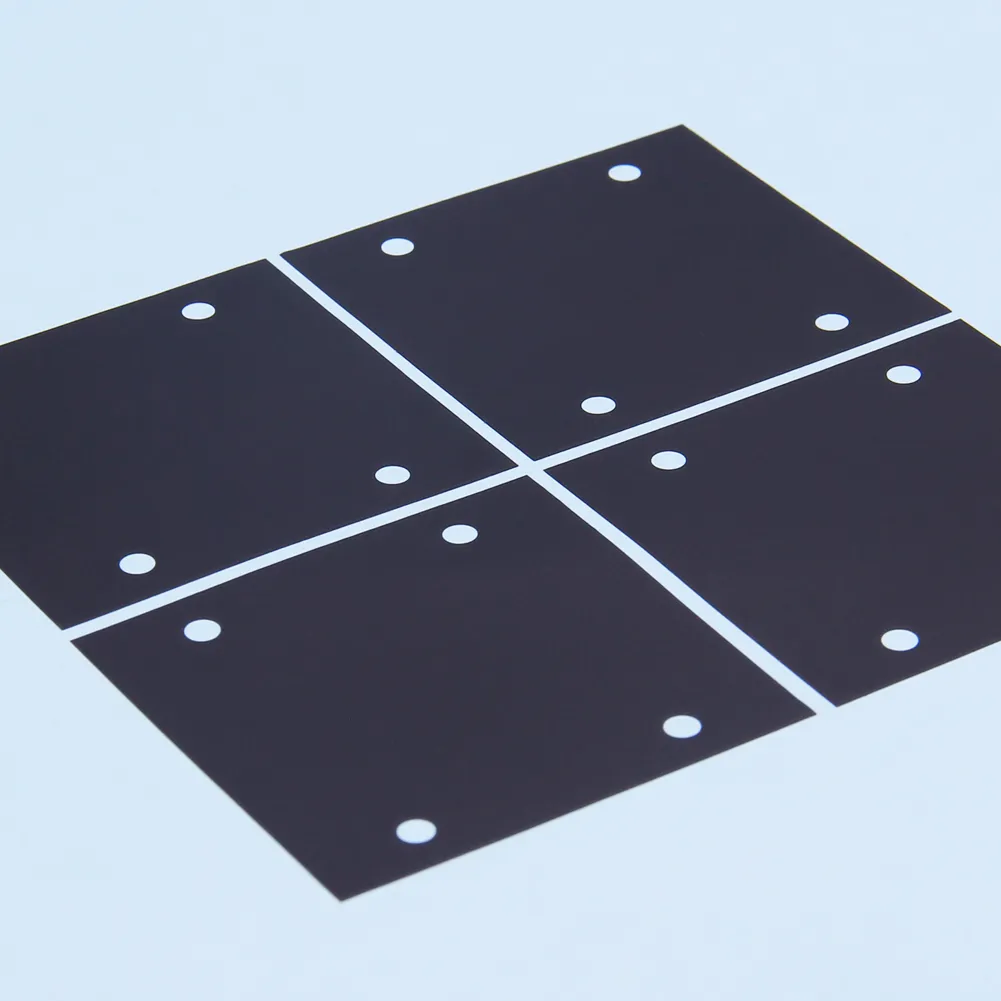
Graphite Sheet
High in-plane conductivity graphite materials for heat spreading in compact devices.
Browse ›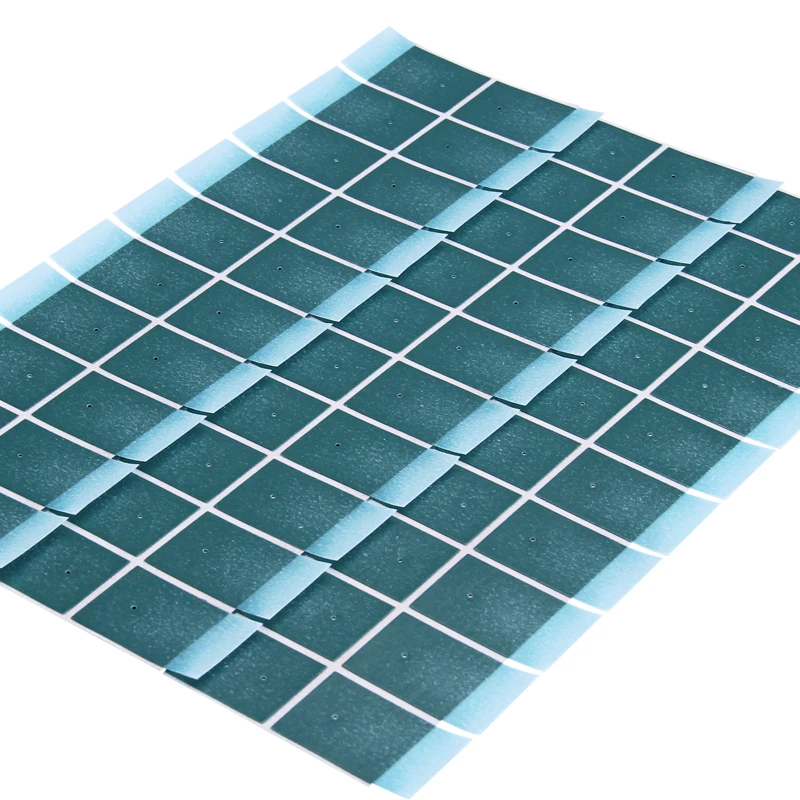
EMI Absorbers
EMI absorbing materials to reduce interference and improve signal integrity in electronics.
Browse ›Related Applications

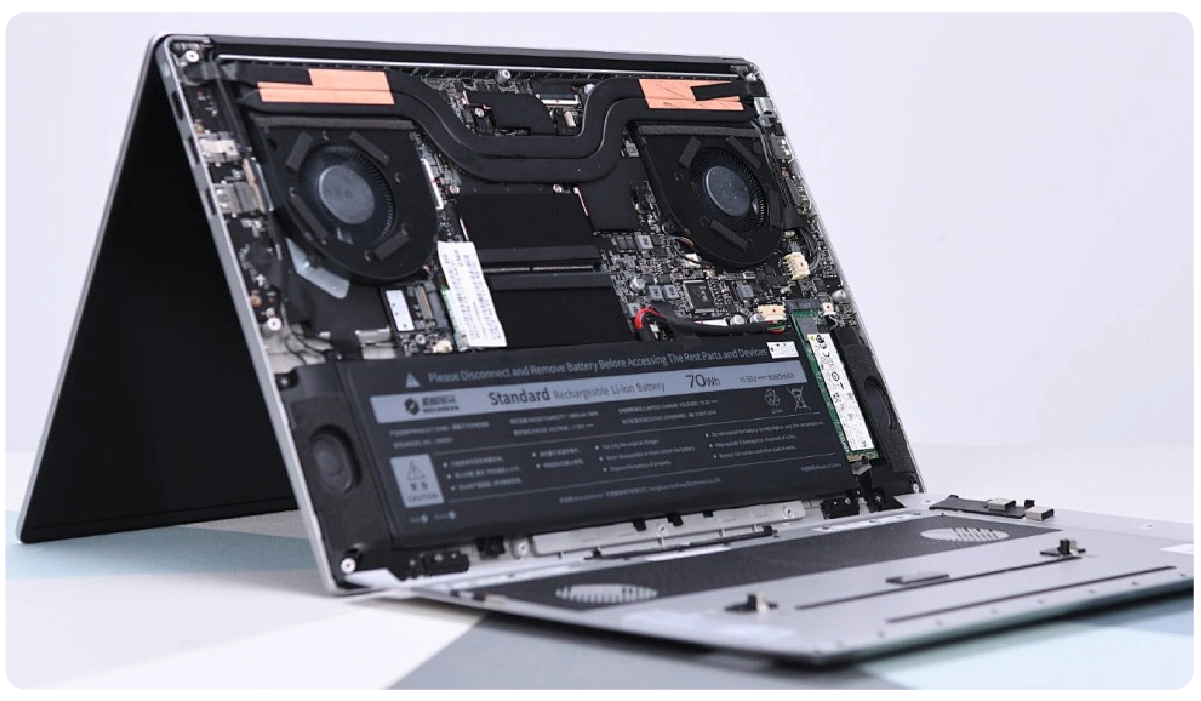
Game Console
Sustained high load creates hotspots—TIMs help reduce throttling and stabilize long-session performance.
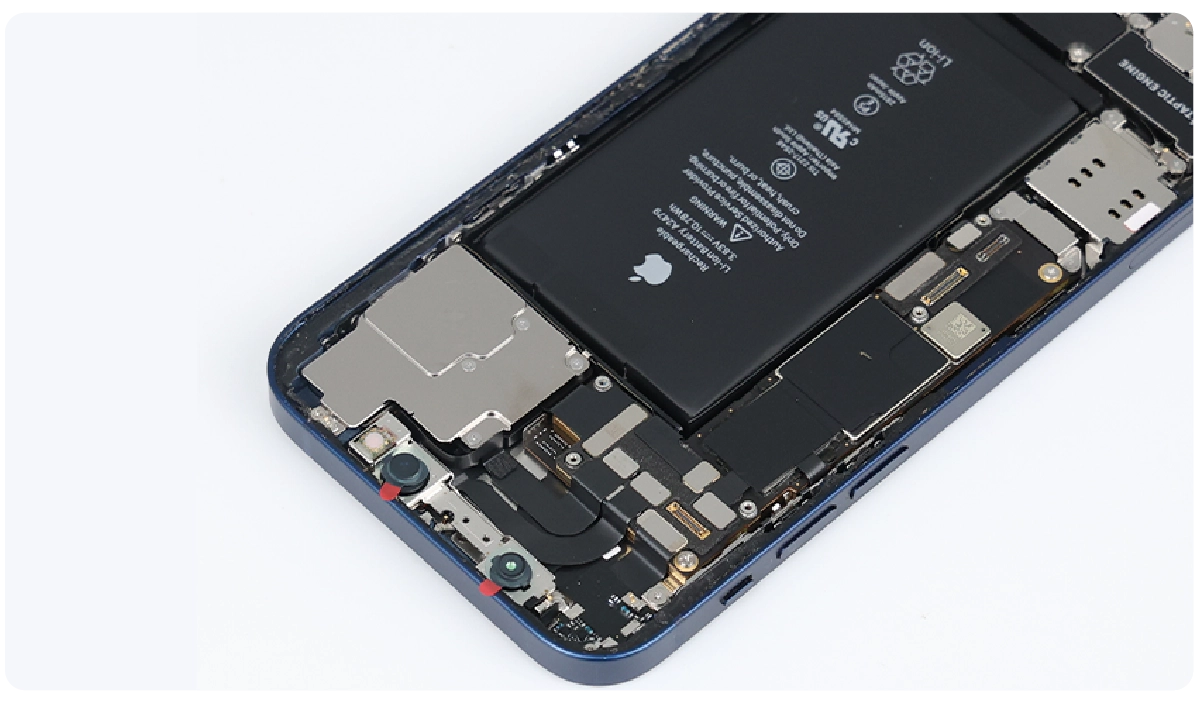
Cell Phone
Compact hotspots from SoC, RF, and fast charging—TIMs help balance heat and improve comfort.
Related Markets
Robotic soldering is widely utilized across key industries for its precision, efficiency, and consistency in manufacturing processes.


