-
ADD: Building 2, No. 8 Hengzhutang Road, Dongguan
-
Telefone: +86 135 4224 3751

What Is Thermal Insulated? Complete Guide for 2026 Buyers
What is thermal insulated, and why does it suddenly feel like the make‑or‑break detail in your next product build? Picture your device like a New York apartment in July—without insulation, heat barges in, bills spike, and something eventually melts down. In electronics, that “something” is profit, performance, or both.
Thermal insulation is the quiet bodyguard—blocking heat transfer, protecting circuits, and stretching lifespan. For buyers staring at tighter specs and tighter budgets, the right material isn’t fluff. It’s insurance. And this guide gets straight to what keeps your operation cool under pressure.
Wow! What Is Thermal Insulation and Why Does It Matter
When people ask what thermal insulation is, they usually just mean “how does it stop heat from moving?” Fair question. In electronics, knowing what is thermally insulated can save devices from frying. From Ceramic to Aerogel, insulation materials quietly protect performance, safety, and reliability every day.
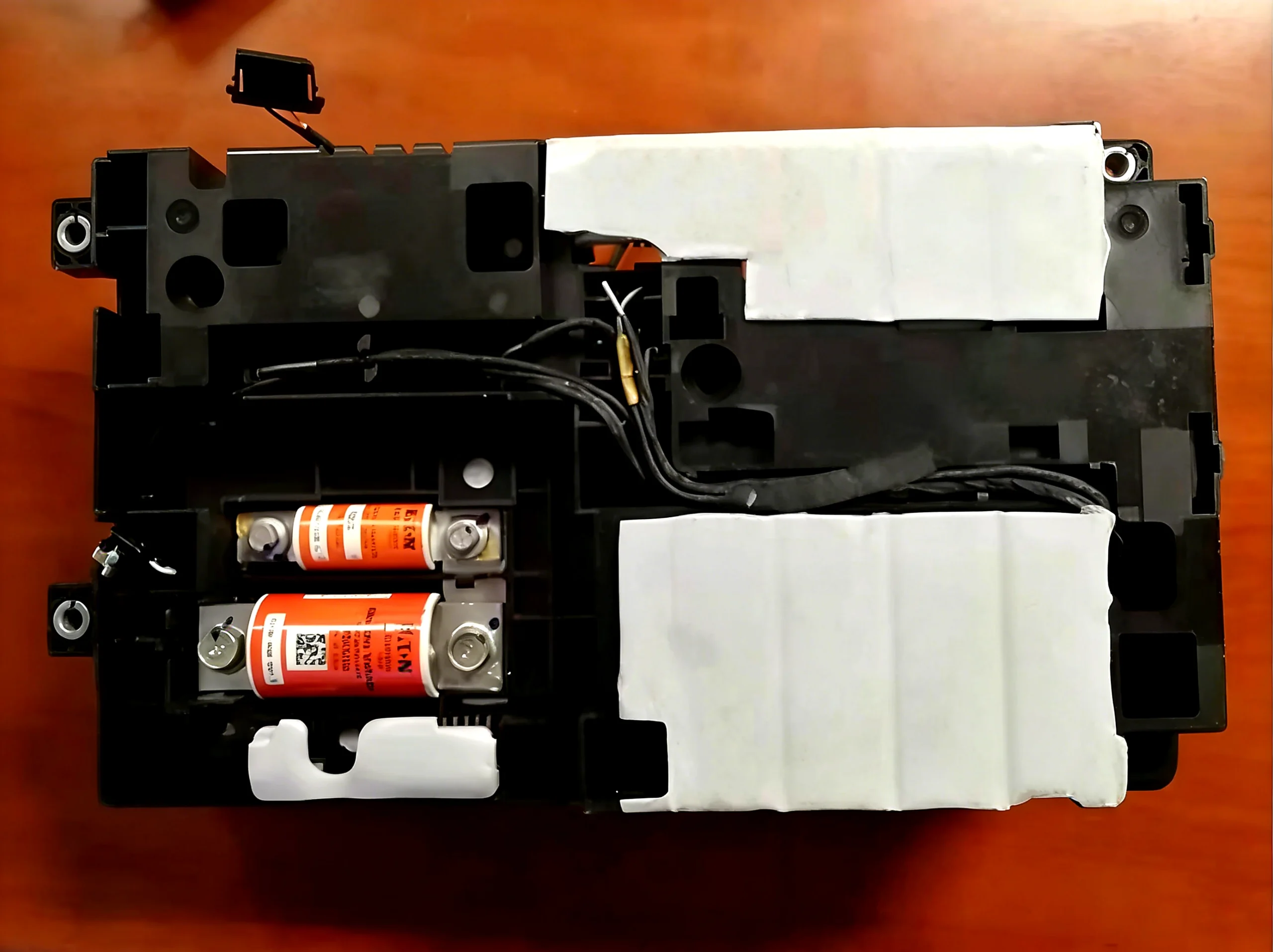
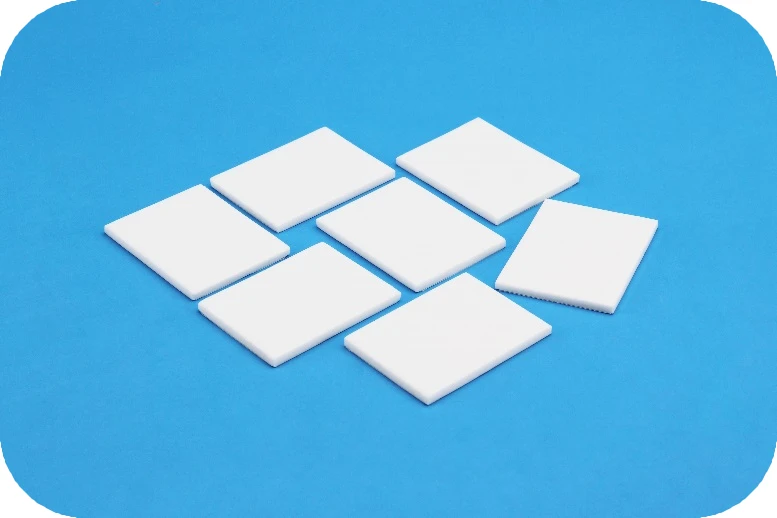
Defining Thermal Insulated Materials: From Ceramic to Aerogel
So, what is thermal insulated in material terms? It refers to insulation materials engineered to slow transferência de calor while keeping electrical systems safe.
- Core material families:
- Ceramic
- Elevado resistência térmica
- Excellent dielectric strength
- Polymers
- Flexible, lightweight
- Easy processing into films or pads
- Composites
- Layered structures
- Balanced mechanical strength
- Aerogel
- Ultra-low density
- Extreme insulation performance
- Ceramic
- Functional priorities:
- Control conduction
- Limit convection
- Reduce radiation impact
In simple words, thermal insulated materials act like a heat shield inside circuits. Some block heat aggressively; others manage it smoothly. The goal is stable temperature without adding bulk.
Key Thermal Properties: Thermal Conductivity and Heat Dissipation
If you’re still wondering what is thermal insulated, look at numbers. The magic sits in condutividade térmica, specific heat, e resistência térmica.
| Material | Condutividade térmica (W/m-K) | Specific Heat (J/kg·K) | Typical Use Case |
|---|---|---|---|
| Ceramic | 1.5–3.0 | 750–900 | Power substrates |
| Polymers | 0.1–0.3 | 1200–2000 | Insulating films |
| Aerogel | 0.013–0.020 | 700–1000 | High-end modules |
Inferior condutividade térmica means slower conduction. Higher specific heat means more energy absorbed before the temperature rises. Together, these control dissipação de calor and overall resistência térmica.
In real devices, heat moves by:
- Conduction through solids
- Convection through air gaps
- Radiation at high temperature
Good insulation manages all three without killing efficiency.
Impact on Electronics: Power Modules, Batteries, and Microprocessors
Em electronics, thermal control isn’t optional. It’s survival.
- Em módulos de potência:
- Insulation layers
- Prevent short circuits
- Maintain spacing under high voltage
- Thermal pads
- Reduce sobreaquecimento
- Improve fiabilidade
- Insulation layers
- Em batteries:
- Cell separators
- Limit thermal runaway
- Support safer charging
- Encapsulation materials
- Stabilize temperature spread
- Cell separators
- Em microprocessadores:
- Thin insulating coatings
- Manage hot spots
- Protect long-term desempenho
- Thin insulating coatings
That’s the practical answer to what thermal insulation is: it’s the silent guardian of density and safety. Brands like Materiais de brilho design advanced gestão térmica solutions that balance insulation with compact layouts. When designers ask what thermal insulation is and how it boosts efficiency, the answer sits inside every stable board built with Materiais de brilho.
5 Key Benefits of Thermal Insulated Materials
If you’ve ever asked what thermal insulation is, you’re really asking how materials control heat and protect sensitive electronics. From chips to batteries, the right insulation keeps systems steady, safe, and efficient. Let’s break down what thermal insulated really means in action.
Enhanced Thermal Resistance for Stable Operating Temperatures
When people search what is thermal insulated, they often mean stable heat control. That comes down to resistência térmica and smart material design.
- Core performance
- Elevado resistência térmica reduces unwanted transferência de calor
- Equilibrado condutividade térmica supports steady temperatura de funcionamento
- System impact
- Melhora estabilidade térmica in IGBTs and LEDs
- Protects batteries from thermal cycling stress
- Efficiency gains
- Forte propriedades de isolamento cut energy loss
- Melhor energy efficiency across long duty cycles
This is how Sheen Materials helps engineers answer what is thermal insulated in practical terms—consistent performance, less thermal drift.
Improved Dielectric Strength Boosts Microprocessor Reliability
Understanding what is thermal insulated also means knowing how isolamento elétrico protege os circuitos.
- Electrical foundation
- Elevado rigidez dieléctrica
- Estável propriedades eléctricas
- Forte resistência a quebra de tensão
- Device-level protection
- Shield’s delicate componentes electrónicos
- Melhora microprocessor reliability
- Supports compact semiconductor devices
- Long-term stability
- Reduced short-circuit risks
- Cleaner signal integrity at high frequency
That’s the thermal insulated meaning in electronics: heat control plus electrical safety working together.
Superior Flame Retardancy and Long-Term Reliability
Good insulation isn’t just about heat flow. It’s about retardador de chama e fire safety, too.
• Engineered polymers improve combustion resistance
- Elevado estabilidade térmica supports long-term performance
• Certified to strict normas de segurança
In real-world environments—industrial drives, EV modules, power supplies—durabilidade do material matters. Sheen Materials develops Polymer Composite Materials, Almofadas térmicas that hold shape, resist ignition, and maintain structural integrity over time. That’s what thermal insulation should deliver: protection you don’t have to second-guess.
Better Heat Dissipation Lowers Cooling System Loads
People asking what is thermal insulated often assume insulation traps heat. Not quite.
- Heat pathway control
- Gerido dissipação de calor
- Optimizado heat transfer mechanisms
- Cooling optimization
- Reduzido thermal load on fans and liquid loops
- Smaller, simpler cooling systems
- Operational gains
- Inferior energy consumption
- Higher overall eficiência do sistema
Smart insulation doesn’t block everything; it directs heat where it should go. That balance defines what is thermal insulation in modern device design.
Compliance Assurance: RoHS and REACH Compatibility
Thermal insulation also ties into regulatory compliance.
- Alignment with RoHS limits on substâncias perigosas
- Adherence to REACH and global regulamentação ambiental
- Documentation for product certification e segurança dos materiais
For manufacturers in automotive, medical, and electronics, sustainability isn’t optional. It’s expected. Sheen Materials ensures materials meet compliance goals while supporting performance.
So when someone asks, what is thermal insulated, the short answer is simple: controlled heat, electrical safety, fire protection, efficient systems, and certified materials—all working together.
How Does Thermal Insulated Performance Save Costs?
When people ask, what is thermal insulated, they’re usually thinking about comfort. In industry, it’s about money. Understanding what is thermal insulated performance, how thermal insulation works, and what thermal insulated systems really do can seriously cut operating costs.
Cutting Energy Bills with Optimized Thermal Conductivity
If you’re still wondering what thermal insulated design is in practical terms, it starts with controlling Heat flow and boosting Insulation performance.
- Core Drivers of Energy Savings
- 1.1 Material Layer
- Elevado Resistência térmica melhora R-value
- Inferior U-value reduces unwanted transfer
1.2 System Level

*   Stable Energy consumption patterns

*   Improved Building efficiency
- Measured Impact on Energy Use
| Tipo de material | R-value (m²·K/W) | U-value (W/m²·K) | Energy Reduction (%) |
|---|---|---|---|
| Standard Foam | 2.5 | 0.40 | 12% |
| Mineral Wool | 3.2 | 0.31 | 18% |
| Advanced Resin | 4.1 | 0.24 | 26% |
| Composite Panel | 4.8 | 0.21 | 31% |
3. Business Outcome
- 3.1 Lower HVAC runtime
- 3.2 Predictable utility budgets
- 3.3 Faster ROI
Materiais de brilho fine-tunes conductivity so clients don’t just ask what is thermal insulated—they see the savings monthly.
Minimizing Downtime via Superior Moisture Sensitivity Control
So, what is thermal insulated protection beyond heat? It’s serious Moisture protection and smart Vapor control.
- Condensation creeps in through poor Humidity management
- That leads to corrosion, cracks, and lost Material integrity
- Then system stops. Nobody likes that.
Eis o que se passa:
- Seal surfaces for Condensation prevention
- Maintain high Corrosion resistance
- Protect insulation layers to sustain System uptime
Good insulation keeps internal layers dry, stable, and reliable. Over time, this steady control avoids surprise shutdowns and keeps maintenance crews from scrambling.
Extending Equipment Life Through Consistent Thermal Stability
Ask again, what is thermal insulated performance at scale? It’s controlled Temperature control across operating cycles.
- Thermal Stress Management. 1.1 Crossing glass transition zones carefully. 1.2 Reducing repeated Thermal stress
- Structural Benefits
- Mais forte Material resilience
- Melhor Dissipação de calor
- Mais alto Component durability
- Long-Term Gains3.1 Greater Equipment longevity3.2 Stable Operational stability3.3 Lower replacement frequency
In simple terms, thermal insulation performance keeps machines from aging before their time. Materiais de brilho builds systems that answer what is thermal insulated with one clear result: longer life, fewer headaches, and tighter budgets.
Which Insulation Standards Should Buyers Know?
When people ask what thermal insulation is, the real talk quickly turns to safety rules and test standards. So, what is a thermal insulated material expected to handle? Heat, voltage, stress. Knowing what thermal insulated performance is means helping you avoid costly mistakes and pick smarter.
UL Rating and Breakdown Voltage Requirements
If you’re still asking what thermal insulated protection is in electrical gear, start here.
- Core Compliance
- Certificação UL
- Verifies flammability resistência
- Confirms normas de segurança alignment
- Tensão de rutura
- Measures the failure threshold under high potential
- Linked to rigidez dieléctrica and overall isolamento elétrico
- Certificação UL
- Electrical Properties Overview
| Tipo de material | Tensão de rutura (kV/mm) | UL Flammability Class |
|---|---|---|
| PET Film | 16–20 | VTM-0 |
| PI Film | 18–25 | V-0 |
| Epoxy Sheet | 12–18 | V-1 |
| Almofada de silicone | 10–15 | HB |
Understanding these numbers answers what is thermal insulated reliability in real circuits.
JEDEC Standards for High-Frequency Devices
For chips and fast boards, what is thermal insulated performance without stability?
- JEDEC standards
- Reliability testing
- Moisture sensitivity levels
- Thermal cycling counts
- Semiconductor packaging
- Stress control
- Crack prevention
- Reliability testing
- High-frequency devices
- Protect integridade do sinal
- Improve gestão térmica
- Extend the life of componentes electrónicos
This is what thermal insulation assurance looks like in high-speed systems.
ASTM Standards on Thermal Expansion and Specific Heat Capacity
Buyers asking what is thermal insulated stability should check material data.
- Normas ASTM
- Expansão térmica
- Controlado coefficient of expansion
- Specific heat capacity
- Predictable transferência de calor
- Verificado propriedades dos materiais
- Equilibrado condutividade térmica
- Expansão térmica
Short version? Less warping. Fewer cracks. Better fit.
RoHS Compliance and Environmental Impact
What is thermal insulated sourcing without eco rules? Risky.
- Conformidade com RoHS
- Limits substâncias perigosas
- Meets global regulatory requirements
- Environmental impact
- Smarter waste management
- Mais forte sustentabilidade profile
- Clear restrições materiais
Suppliers like Materiais de brilho align insulation choices with these benchmarks, so when customers ask what thermal insulation responsibility is, the answer is simple: safe, tested, and cleaner for the planet.
Standard vs. Enhanced Thermal Insulated Panels
Ever caught yourself asking, what is thermal insulated and why it even matters? In simple terms, what is thermal insulated refers to materials designed to slow heat transfer. From everyday electronics to high-power systems, knowing what is thermal insulated helps you choose the right material de isolamento without guesswork.
Standard Thermal Panels
When people search what is thermal insulated, standard panels usually pop up as the baseline answer. So, what is thermal insulated in this context? It’s about steady, practical heat control using proven materials.
- Core Composition
- Material de isolamento
- Fibra de vidro
- Conventional polymers
- Key metrics
- R-value
- Condutividade térmica
- Material de isolamento
- Structural Factors
- Panel thickness
- 5–25 mm common range
- Surface protection
- Dielectric coatings
- Panel thickness
- Compliance & Use
- Installation methods
- Adhesive bonding
- Mechanical fastening
- Building codes alignment
- Energy efficiency targets
- Installation methods
Performance Reference Table
| Tipo de material | R-value (m²·K/W) | Condutividade térmica (W/m-K) | Panel Thickness (mm) | Temperatura máxima (°C) |
|---|---|---|---|---|
| Fibra de vidro | 2.5 | 0.040 | 10 | 250 |
| PU Polymer | 3.2 | 0.030 | 15 | 120 |
| EPS | 2.8 | 0.035 | 20 | 100 |
| Mineral Wool | 3.5 | 0.028 | 25 | 300 |
| Phenolic Foam | 4.0 | 0.022 | 20 | 150 |
Brands like Materiais de brilho fine-tune these specs so clients asking what is thermal insulated get reliable, cost-aware answers.
Enhanced Thermal Panels
Now, what is thermal insulated when performance gets serious? Here, advanced insulation passos em.
- Material Upgrades
- Aerogel
- Vacuum insulation cores
- Enchimentos cerâmicos
- Performance Boost
- Mais alto High R-value
- Inferior Low U-factor
- Estável Performance metrics under heat cycling
- Smart Additions
- Phase change materials
- Sustainable materials for greener builds
Short take: thinner panels, tougher heat control.
Longer view: better reliability, higher operating ceilings, fewer thermal headaches.
If you’re still wondering what is thermal insulated in high-load electronics, enhanced panels give the clearest answer. Materiais de brilho positions these solutions for demanding systems where ordinary thermal insulation just won’t cut it.
FAQs about What Is Thermal Insulation
What is thermal insulation, and how does it work in electronics?
Thermally insulated refers to materials that control heat flow and provide electrical isolation simultaneously. In electronics, this balance protects sensitive parts from overload and short circuits.
It works through three core mechanisms:
1. Thermal Conductivity & Heat Dissipation – Ceramic, Alumina, or Boron Nitride fillers move heat away from IGBTs, LEDs, and Power Modules.
2. Dielectric Strength & Breakdown Voltage – Polymer, Polyimide, Mica, or Fiberglass layers prevent leakage between Circuit Boards and Microprocessors.
3. Thermal Stability – Stable performance across operating temperature cycles reduces stress near the Glass Transition Temperature.
Used as Sheets, Films, Pads, or Encapsulants, these materials guard performance quietly but critically.
Which materials are commonly used for thermal insulated solutions?
Different environments demand different material chemistry:
1. Ceramic & Alumina: High Thermal Resistance, ideal for Aerospace Components and Automotive Electronics.
2. Silicone & Epoxy: Flexible, reliable for Encapsulants and Adhesives in Batteries and Medical Devices.
3. Polyimide & Fiberglass: Excellent Dielectric Strength for High-Frequency Devices.
4. Aerogel & Mica: Low Thermal Conductivity where lightweight insulation matters.
Selection depends on Operating Temperature, Coefficient of Thermal Expansion, and Material Compatibility with your assembly process.
Why does dielectric strength and thermal performance matter so much?
When insulation fails, equipment fails. Strong Dielectric Strength and controlled Thermal Conductivity ensure:
1. Safe separation between conductive layers;
2. Reduced mechanical fatigue during repeated heating cycles;
3. Improved Long-Term Reliability under JEDEC Standards.
In compact Power Modules and Microprocessors, even small weaknesses in Volume Resistivity or Flame Retardancy can dramatically shorten service life.
What should buyers check before approving a thermal insulated material?
Smart procurement blends performance with supply confidence.
Performance checks:
1. Batch Consistency and Supplier Qualification;
2. Shelf Life and Storage Conditions;
3. RoHS Compliance and REACH Compliance for global acceptance;
4. Scalability and Lead Time for production continuity.
Thermal insulation is not just a material choice; it is a long-term reliability decision tied directly to safety, cost control, and product lifespan.
The above represents the summary derived by SHEEN, based on 18 years of accumulated R&D experience.
Dongguan Sheen Electronic Technology Co., Ltd., established in 2005, is headquartered in Dongguan, China, with subsidiaries strategically located in Los Angeles (USA), South Korea, Hong Kong, Shenzhen, and Vietnam. The company specializes in the integrated R&D, manufacturing, and sales of advanced thermal management materials and other functional materials, such as foamed silicone.
With a manufacturing facility spanning 13,000 square meters and a workforce exceeding 200 employees, the company offers a comprehensive product line that includes graphene thermal pads, carbon fiber thermal pads, boron nitride thermal pads, silicone thermal pads, thermal grease, thermal gels, non-silicone thermal pads, phase-change thermal materials, and foamed silicone.
Materiais de brilho has developed a series of advanced thermal interface materials—backed by independent intellectual property rights—tailored to meet the specific needs of sectors such as high-power AI chips, 5G communication equipment, data centers, automotive intelligent driving systems, consumer electronics, and power & energy storage systems.
Since 2022, the company has earned numerous prestigious credentials, including recognition as a “High-tech Enterprise,” an “Innovative Enterprise,” and a “Specialized, Refined, and New” (Little Giant) Enterprise. Furthermore, the company has successfully obtained certifications for key management systems, including ISO 9001, ISO 14001, and IATF 16949. It maintains a fully equipped materials R&D laboratory, complete with comprehensive platforms for thermal performance testing, a dedicated reliability assessment center, and state-of-the-art equipment for materials characterization.
More Blog Content on Thermal Pads:
Guias do comprador
1. How Thermal Solutions for Servers Improve Data Center Uptime
2. Como instalar corretamente uma almofada térmica sem silicone para CPUs
3. Resolva os problemas de sobreaquecimento com uma almofada térmica sem silicone de elevado desempenho
4. Desbloqueie a gestão superior do calor com uma folha isolante termicamente condutora do módulo IGBT
7. Como a almofada térmica isolante de baixa resistência térmica melhora o desempenho da eletrónica
8. Como escolher o material isolante condutor térmico V0 retardador de chama correto
9. Qual é o melhor material de folha isolante resistente a altas temperaturas para o seu projeto?
11. Porquê escolher placas de isolamento de elevada condutividade térmica para os seus projectos
Guias de utilização
1. Como escolher a chapa isolante sem siloxano correta para a sua aplicação
4. Why the Ceramic-filled Thermally Conductive Insulating Pad Is a Game Changer for Electronics