-
ADD: Bâtiment 2, No. 8 Hengzhutang Road, Dongguan
-
Téléphone: +86 135 4224 3751

Why Engineers Prefer Graphene Thermal Conductive Film Rolls Today
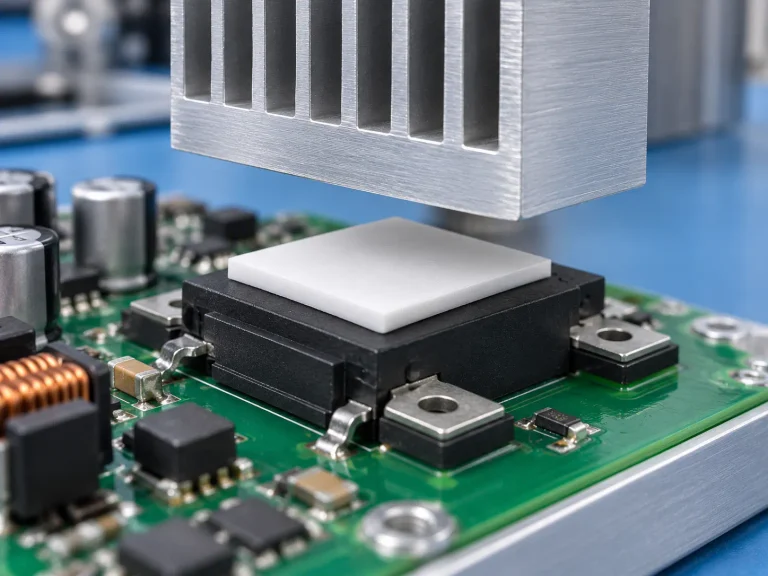
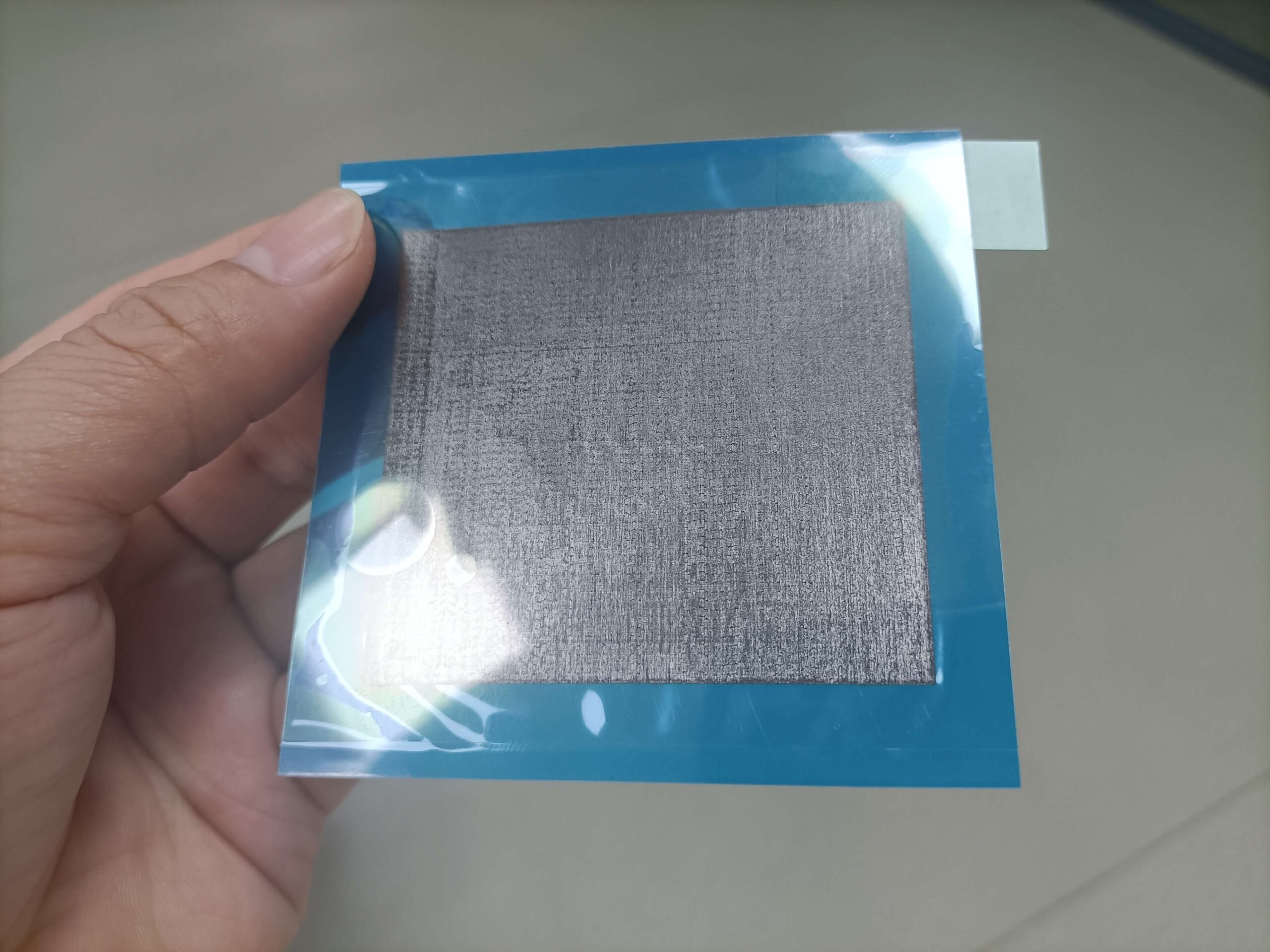
Heat is wrecking modern gadgets, and Graphene thermal conductive film rolls are the fix engineers are betting on right now.
Recent analyses from McKinsey and the International Energy Agency highlight accelerating adoption of advanced thermal materials in EVs and high-density electronics manufacturing.
That shift hits home: thinner builds, hotter chips, tighter margins—engineers want flexible, scalable cooling that keeps up.
Key Insights on Graphene Thermal Conductive Film Rolls
➔ Exceptional Conductivity: Lowers junction temperatures in compact electronics, preventing thermal throttling.
➔ Ultra-Thin Flexibility: Enables sleek smartphone and wearable designs without bulk.
➔ Roll-to-Roll Scalability: Supports high-volume, custom die-cut thermal interface manufacturing.
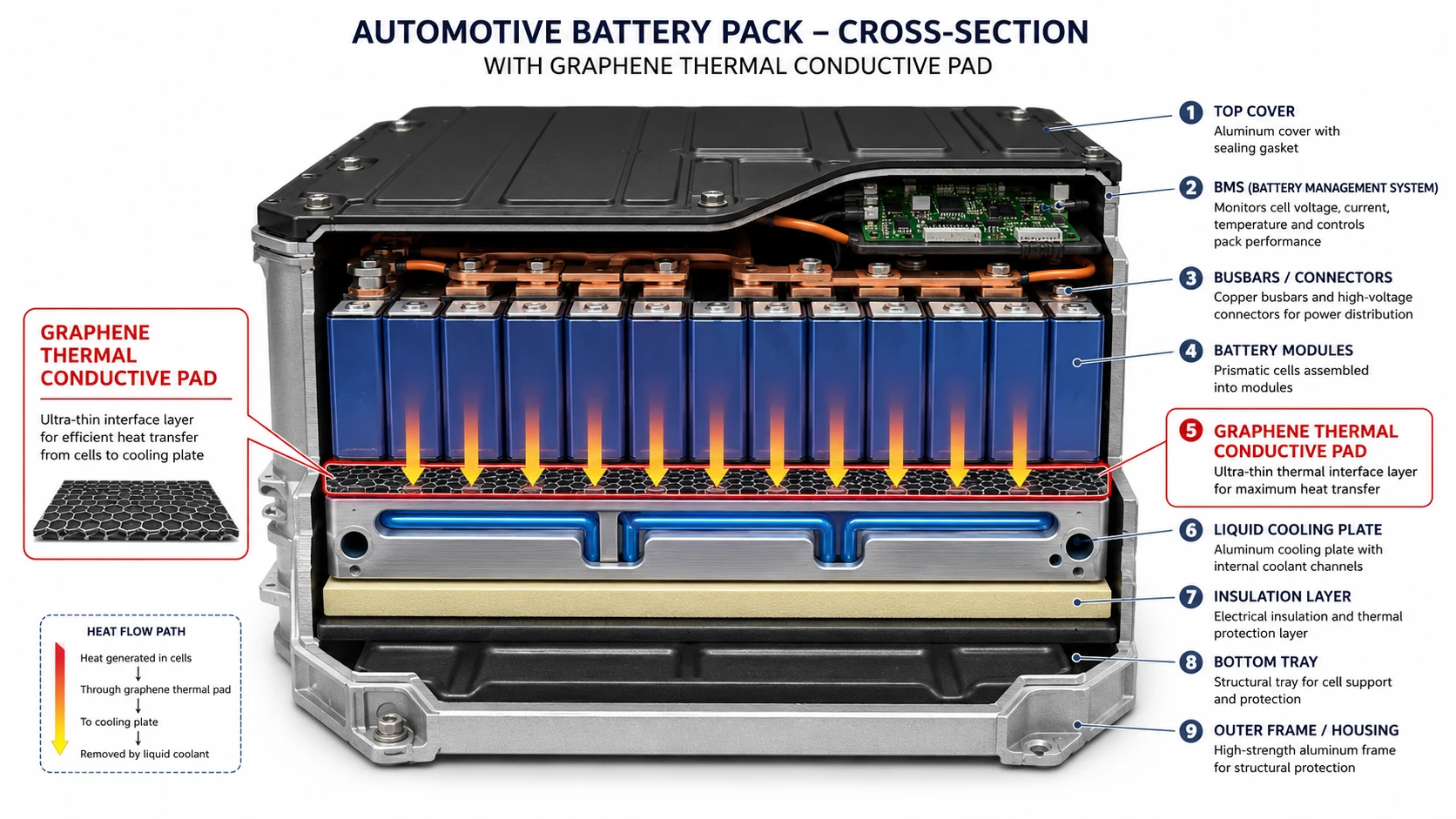
➔ Enhanced Reliability: Withstands thermal cycling and mechanical stress in automotive and battery systems.
Graphene Thermal Conductive Film Rolls Market Growth By 2026
Graphene thermal conductive film rolls are moving from niche labs into mainstream electronics at a steady pace. As chips shrink and power density rises, gestion thermique becomes mission-critical. From Asia-Pacific factories to North American R&D labs, graphene thermal film roll demand keeps climbing.
Drivers Fueling Graphene Film Roll Adoption in Electronics
At the core, Graphene thermal conductive film rolls solve a simple but painful problem: heat.
- Heat challenges in appareils électroniques
- 1.1 Processor scaling and miniaturization
- a) Higher heat flux in CPUs and GPUs
- b) Compact layouts limiting airflow
- 1.2 Power modules in EVs
- a) Rising junction temperatures
- b) Strain on long-term fiabilité
- 1.1 Processor scaling and miniaturization
- Material advantages of graphene thermal film roll
- 2.1 Exceptional high conductivity
- a) Rapid in-plane dissipation de la chaleur
- b) Lower thermal resistance
- 2.2 Stable propriétés des matériaux
- a) Flexibility for thin assemblies
- b) Consistent device performance
- 2.1 Exceptional high conductivity
- Manufacturing readiness
- 3.1 Roll-to-roll scalability
- 3.2 Integration with PCB and module assembly lines
Brands like Sheen Materials push graphene thermal-conductive film rolls tailored for tight enclosures where every degree counts. Less heat. Longer lifespan. Fewer warranty headaches.
Regional Demand Trends: Asia-Pacific vs. North America
Le Asia-Pacific market leads in sheer volume. Massive manufacturing hubs in China, South Korea, and Japan drive adoption of graphene thermal conductive film rolls for électronique grand public and battery modules.
- High output of smartphones and laptops
- Aggressive EV production targets
- Fast adoption of graphene heat dissipation film in LED backlighting
In contrast, the North American market focuses on high-value applications:
- Avancé automotive sector electronics
- Data-center-grade processors
- Aerospace thermal modules
Recent industry commentary notes that advanced thermal interface materials are “becoming essential in high-density chip packaging,” reflecting strong regional demand for graphene-based films in performance-driven sectors.
Application Segments: From Battery Thermal Management to LED Lighting
Graphene thermal conductive film rolls touch multiple industries, and the spread is wide.
- Energy storage
- 1.1 Battery thermal management
- a) Uniform temperature across cells
- b) Lower risk of thermal runaway
- c) Extended cycle life
- 1.2 EV battery packs
- a) Lightweight graphene heat dissipation film
- b) Compact module integration
- 1.1 Battery thermal management
- Lighting and displays
- 2.1 Eclairage LED modules
- a) Faster heat spreading
- b) Reduced lumen decay
- 2.2 High-resolution panels in électronique grand public
- 2.1 Eclairage LED modules
- High-load environments
- 3.1 Data centers
- 3.2 Automotive applications
- 3.3 Medical devices et aerospace industry systems
In short, graphene thermal film roll solutions are no longer experimental. They’re practical, scalable, and ready for mass production.
Forecasted CAGR and Key Performance Indicators
Growth outlook looks solid. Compound Annual Growth Rate estimates for graphene thermal conductive film rolls reflect rising adoption in EVs and high-power chips.
“Thermal interface innovations will define competitive advantage in next-generation electronics,” noted a 2025 industry outlook from a leading semiconductor research firm.
Key metrics shaping the market forecast:
- 1) Adoption rate in EV battery packs
- 2) Reduction in thermal resistance
- 3) Verified gains in revenue growth
- 4) Film thickness vs. performance efficiency
Performance indicators go beyond market size. Buyers track durability, flexibility, and ease of lamination. Sheen Materials aligns its graphene heat dissipation film roadmap with these growth projections, targeting scalable production and tighter integration with automotive and semiconductor clients.
As graphene thermal-conductive film rolls mature, the story shifts from hype to hard numbers—cooler chips, safer batteries, and smarter thermal design.
Why Graphene Film Rolls Outperform Aluminum Thermal Pads
Compact electronics are running hotter than ever, and heat control is no longer optional. Choosing between Graphene thermal conductive film rolls and aluminum pads can seriously affect device lifespan, stability, and performance.
Graphene Thermal Conductive Film Rolls
Graphene thermal conductive film rolls combine advanced graphene, engineered film material, and extreme conductivité thermique to push gestion thermique beyond conventional limits. This graphene thermal film isn’t just thin—it works smart.
- Performance Foundation: 1.1 Material Core
- Graphène lattice enables rapid in-plane dissipation de la chaleur
- Ultra-thin film material reduces interface gaps
1.2 Physical Advantages

*   **Lightweight** structure

*   Highly **flexible**, ideal for curved modules

*   Strong **anisotropic properties** for directional heat flow
2. Functional Integration: 2.1 Semiconductor Application
- Chip-level heat spreading
- IC back-end thermal balancing
2.2 Compact Devices

*   Foldables

*   Wearables

*   High-density PCB stacks
3. Measured Comparison
| Type de matériau | In-Plane Thermal Conductivity (W/m·K) | Typical Thickness (mm) | Flexibilité |
|---|---|---|---|
| Graphene thermal conductive film rolls | 1200–1800 | 0.02–0.1 | Excellent |
| Aluminum sheet | 200–230 | 0.5–1.0 | Faible |
| Aluminum thermal pads | 3–8 (bulk pad) | 0.5–2.0 | Modéré |
For brands like Matériaux brillants, refining graphene thermal conductive film rolls means lowering thermal resistance while keeping designs slim. That’s a big win when every millimeter counts.
Aluminum Thermal Pads
Aluminum thermal pads remain a conventional solution in many assemblies. The metallic material conducts heat reasonably well, but limits show up fast in tight builds.
• Pros
- Simple interface thermique installation
- Stable transfert de chaleur in flat assemblies
1) Limitations
- Plus élevé résistance thermique compared with graphene thermal film
- Noticeable rigidity, not ideal for bending designs
- Added thickness increases stacking height
Here’s the real-world feel: aluminum pads work fine in power supplies or industrial housings where space isn’t tight. In compact electronics, that rigidity becomes a headache. Less surface conformity means micro-gaps. Micro-gaps mean trapped heat.
In layered chip modules:
- Step A: Pad compression
- Step B: Surface mismatch
- Step C: Reduced effective contact area
That chain reaction reduces efficiency. By contrast, Graphene thermal conductive film rolls adapt smoothly, spreading heat laterally before hotspots build up.
When performance, weight, and design freedom matter, the shift toward graphene thermal-conductive film rolls is not hype—it’s practical engineering.
5 Reasons Engineers Prefer Graphene Thermal Film Rolls
Engineers don’t obsess over fun materials. They care about performance, weight, safety, and long-term reliability. That’s exactly why graphene thermal-conductive film rolls keep showing up in serious design discussions. From compact wearables to rugged automotive modules, this graphene thermal film solution handles heat like a pro while staying thin, flexible, and production-ready.
Exceptional Thermal Conductivity Reducing Junction Temperature
When heat builds up inside a semiconductor, performance drops fast. That’s where graphene thermal-conductive film rolls earn their reputation in modern gestion thermique des systèmes d'alimentation en eau.
- Plus bas résistance thermique signifie plus rapide dissipation de la chaleur.
- Mieux heat flux distribution protects delicate silicon.
- Améliorée device performance without bulky cooling hardware.
Here’s how engineers typically evaluate graphene thermal film in processor and power module layouts:
- Thermal path analysis
- Heat source
- CPU / GPU
- Power MOSFET
- Interface layer
- matériau d'interface thermique
- graphene thermal conductive film
- Heat spread region
- chassis
- vapor chamber
- Heat source
- Junction temperature comparison
- Traditional graphite sheet
- Aluminum spreader
- Graphene thermal conductive film rolls
- Long-cycle testing
- Continuous load
- Peak load spikes
- Idle recovery
In real applications, graphene film rolls flatten temperature gradients across hotspots. Instead of heat piling up in one corner, it spreads laterally, reducing peak junction temperature and minimizing thermal throttling. For engineers pushing clock speeds or power density, that temperature drop is not just nice—it’s essential.
Ultra-thin, Lightweight Form Factor for Portable Electronics
Portable tech is all about miniaturization et weight reduction. Nobody wants a heavy phone or a bulky smartwatch. That’s why graphene thermal-conductive film rolls fit right into portable devices et wearable technology.
Key integration benefits:
- Ultra-thin structure supports compact design
- Flexible profile adapts to curved housings
- Excellent for flexible electronics
In mobile hardware design reviews, teams often compare options like this:
- Thickness impact
- 0.1 mm class graphene thermal film
- Multi-layer graphite sheet
- Metal spreader plate
- Structural flexibility
- Bending radius
- Résistance aux fissures
- Adhesive compatibility
- Space-saving layout
- Battery adjacency
- Antenna clearance
- Camera module proximity
Because graphene thermal-conductive film rolls combine thermal efficiency with minimal thickness, they support tight internal stacking without choking airflow or increasing device weight. That balance matters in mobile technology, where every gram and every millimeter count.
For brands like Matériaux brillants, delivering consistent thickness control across large-format graphene film rolls ensures OEM designers can scale from prototype to production without redesign headaches.
Outstanding Electrical Insulation Safeguarding Semiconductor Chips
Thermal conduction is critical, but not at the expense of safety. In dense PCB layouts, electrical isolation is non-negotiable. A good graphene thermal conductive film must provide both heat spreading and insulation.
Core protection factors:
- Haut rigidité diélectrique
- Stable propriétés d'isolation
- Fiable short-circuit prevention
Engineers evaluate this through layered risk assessment:
- Chip-level protection
- Prevent trace bridging
- Maintain chip integrity
- Shield adjacent composants électroniques
- System-level safety
- Insulated battery modules
- Power stage isolation
- Multi-layer PCB stacking
- Stress validation
- High-voltage endurance
- Exposition à l'humidité
- Aging cycles
In advanced semiconductor devices, spacing keeps shrinking. A conductive metal foil would be risky here. A properly engineered graphene composite film, however, supports protection des circuits while still delivering effective gestion thermique.
That’s why graphene heat spreader film is often selected for high-density modules, where designers simply can’t gamble with insulation performance.
Flexible Roll-to-Roll Processing Enabling Custom Die-Cutting
Performance is one thing. Manufacturing scalability is another. Graphene thermal conductive film rolls are built for mass production through roll-to-roll processing, which keeps cost and consistency under control.
Production advantages include:
- Continuous processus de fabrication
- Stable thickness across large batches
- Efficace la manutention des matériaux
Typical fabrication flow looks like this:
- Raw material preparation
- Graphene dispersion
- Composite blending
- Substrate alignment
- Roll-to-roll coating
- Controlled deposition
- Contrôle de l'épaisseur en ligne
- Surface treatment
- Post-processing
- precision cutting
- Custom die shapes
- Reel packaging
For device makers, flexibility matters:
- Irregular battery outlines
- Foldable phone hinges
- Automotive control unit enclosures
Because graphene thermal conductive film rolls support customization and precise die-cut geometries, integration becomes smoother. Engineers can request complex shapes without slowing down industrial-scale output.
Matériaux brillants focuses on maintaining dimensional stability during high-speed fabrication, helping customers reduce scrap rates and maintain tight tolerances in flexible manufacturing environments.
Enhanced Reliability and Lifetime in Harsh Automotive Electronics
Automotive systems are unforgiving. High vibration. Extreme heat. Constant cycle thermique. Materials either survive or fail—no middle ground.
En applications automobiles, Graphene thermal conductive film rolls contribute to long-term electronic reliability through layered performance characteristics:
- Environmental durability
- High-temperature resistance
- Low-temperature flexibility
- Humidity stability
- Mechanical resilience
- vibration resistance
- Peel strength retention
- Substrate adhesion consistency
- System integration impact
- Battery thermal regulation
- Inverter cooling layers
- ADAS control module heat spreading
Prolongé operational lifespan depends on reducing micro-cracks and maintaining consistent résistance thermique over time. Graphene film rolls distribute stress more evenly compared to brittle heat spreaders.
In electric vehicles especially, stable gestion thermique directly affects battery safety and overall vehicle system performance. A slight temperature imbalance across cells can shorten lifespan. Graphene heat spreader film helps smooth those gradients, protecting expensive power electronics.
That reliability focus is why suppliers such as Matériaux brillants position graphene thermal film rolls not just as components, but as long-term performance insurance for high-value systems.