Ultra High Thermal Conductivity Graphene Thermal Pad vs. Thermal Paste
Heat is quietly wrecking your margins, and the Ultra High Thermal Conductivity Graphene Thermal Pad is stepping in as the grown‑up fix, ditching messy paste and dialing in repeatable, factory‑friendly performance that actually holds up under pressure.
Here’s why your production line and warranty costs care.
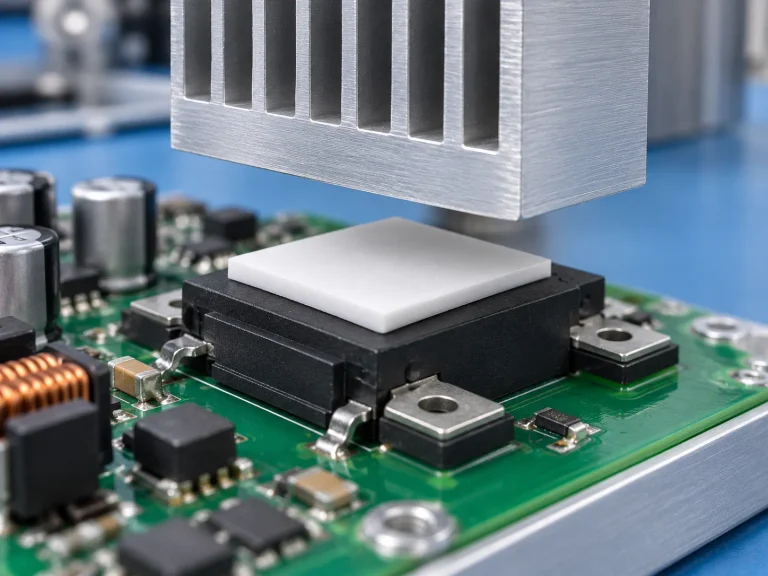
Sheen Material’s Ultra-High Thermal Conductivity Graphene Thermal Pad
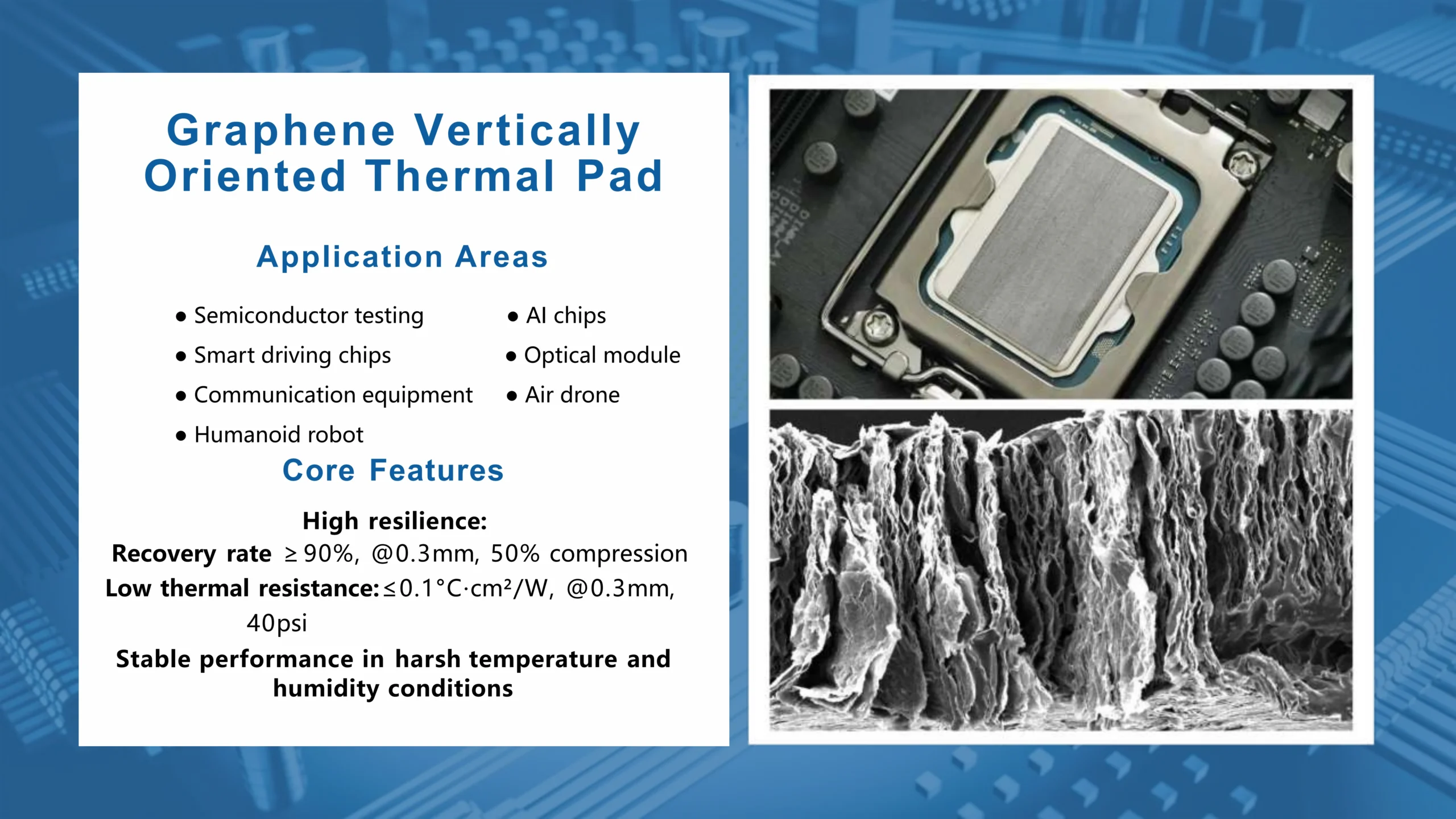
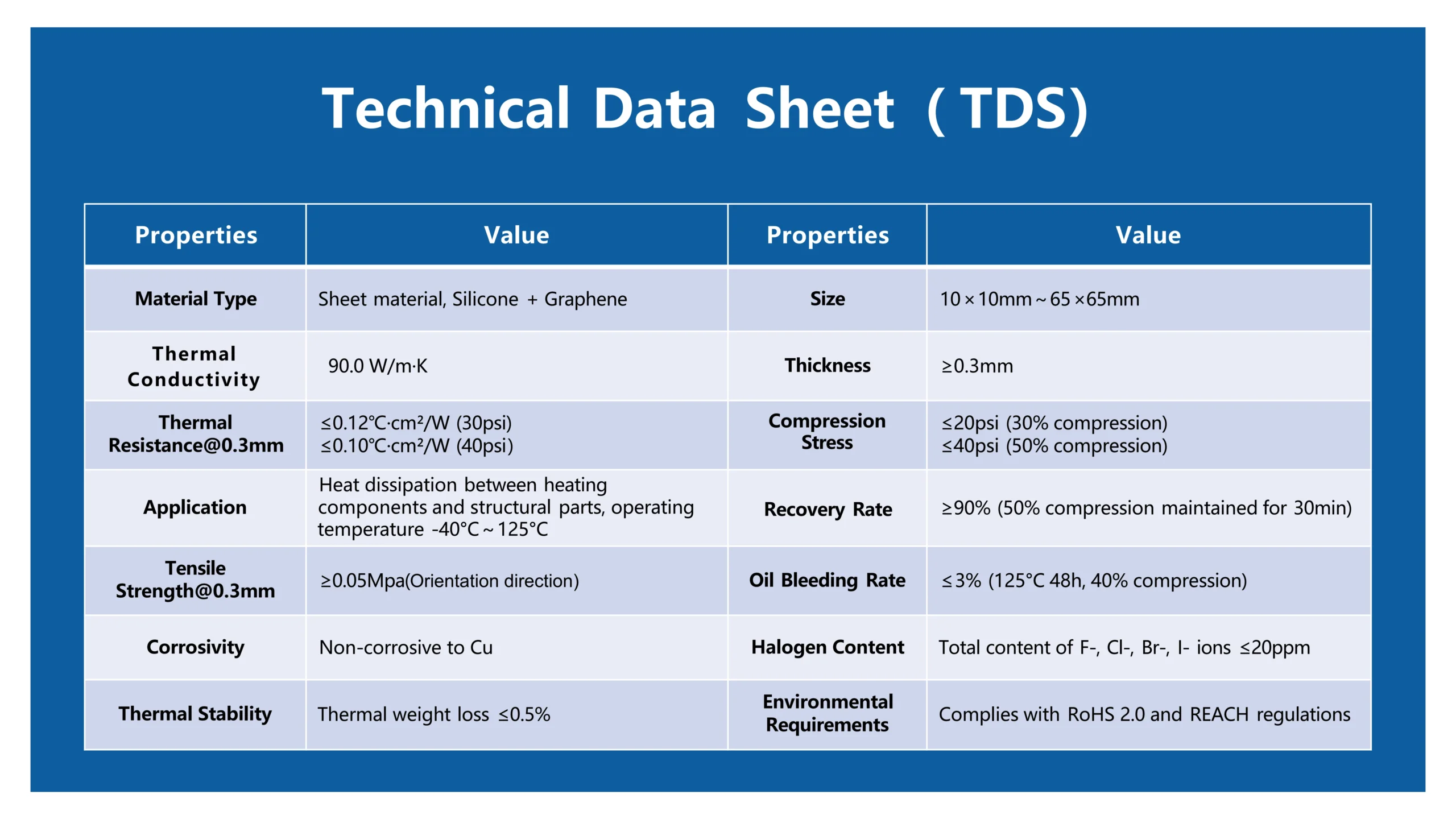
- Ultra-efficient cooling: Delivers up to 90 W/m·K conductivity to slash CPU/GPU temperatures and outperform 10 W/m·K pastes.
- Streamlined assembly: Flexible graphene-polymer composite conforms to uneven surfaces in power modules, LEDs, and automotive electronics.
- Built-in reliability: Stable nano-structure ensures low outgassing, high dielectric strength, and lasting performance under UL, RoHS, and REACH–compliant thermal cycling.
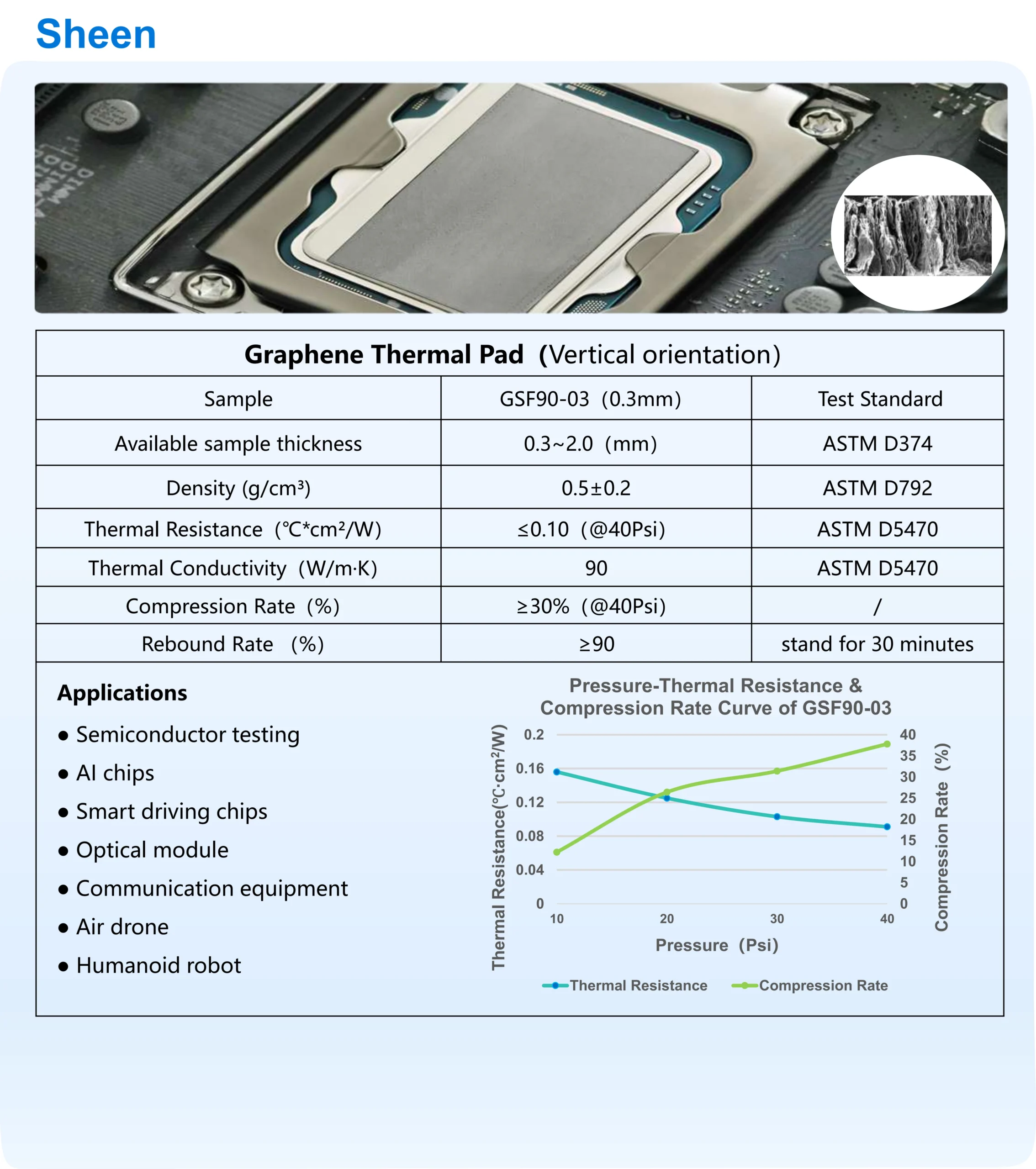
3 Reasons To Try Graphene Thermal Pad
Getting heat under control isn’t just a nice-to-have anymore—it’s survival for modern electronics. The Ultra High Thermal Conductivity Graphene Thermal Pad steps in as a practical fix, blending raw cooling power with flexibility and durability. Let’s break down why this graphene thermal pad is gaining real traction.
Ultra-high thermal conductivity lowers CPU & GPU operating temperatures
を使用する。 CPU または GPU starts throttling, it’s usually a 熱管理 problem in disguise. The Ultra High Thermal Conductivity Graphene Thermal Pad improves 放熱 and boosts cooling efficiency without adding complexity.
- Core effect: faster transfer of heat away from hotspots
- Result: lower operating temperatures under sustained load
- Outcome: better stability for gaming rigs and servers
1) contact layer adapts to micro gaps
2) graphene network spreads heat laterally
3) heat sink absorbs and releases efficiently
↳ inside this flow:
- graphene filler → raises 熱伝導率
- reduces resistance at interface
- stabilizes peak temperature swings
The Ultra High Thermal Conductivity Graphene Thermal Pad from シーン・マテリアル keeps systems running cooler, especially where airflow alone just can’t keep up.
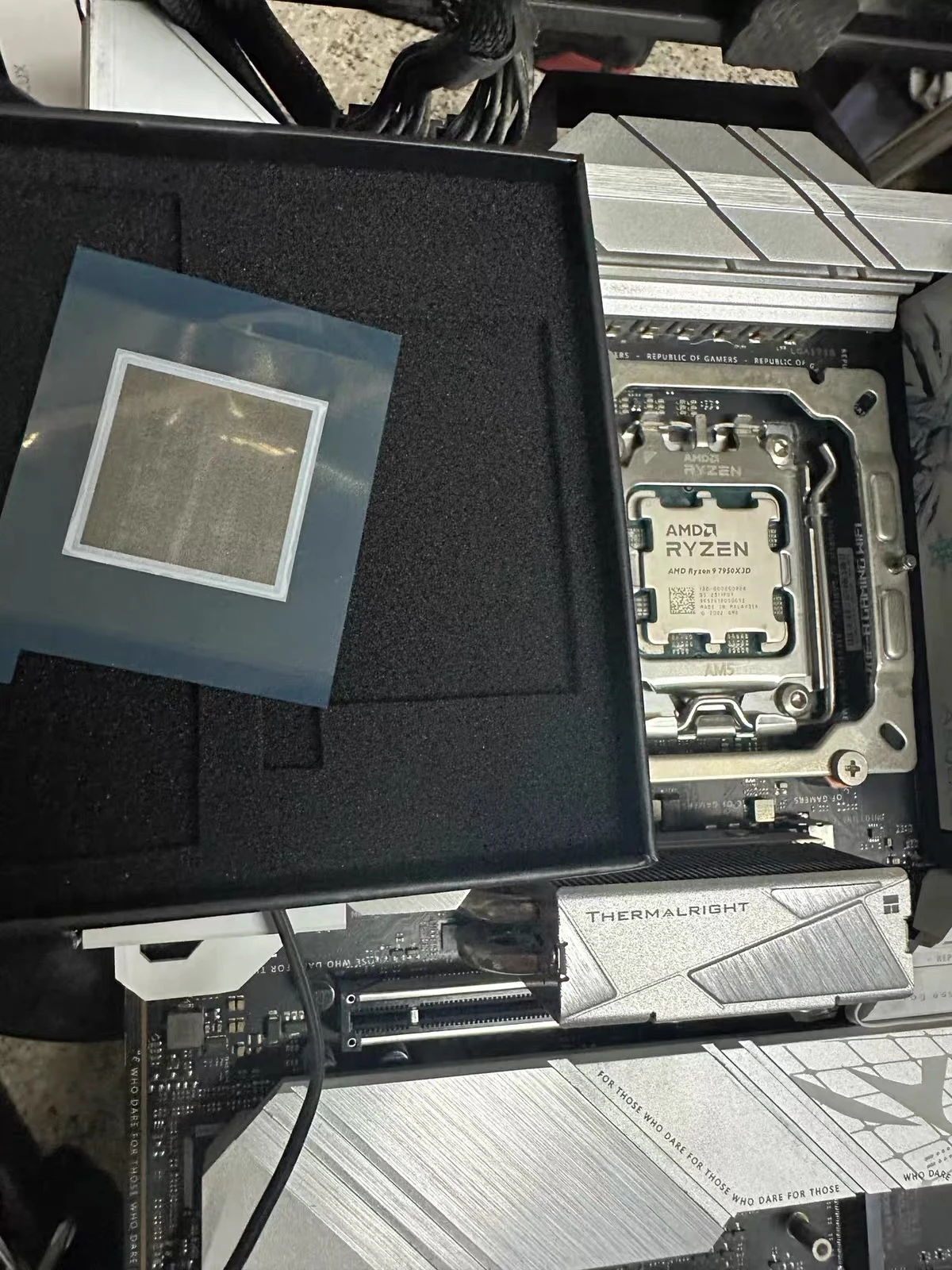
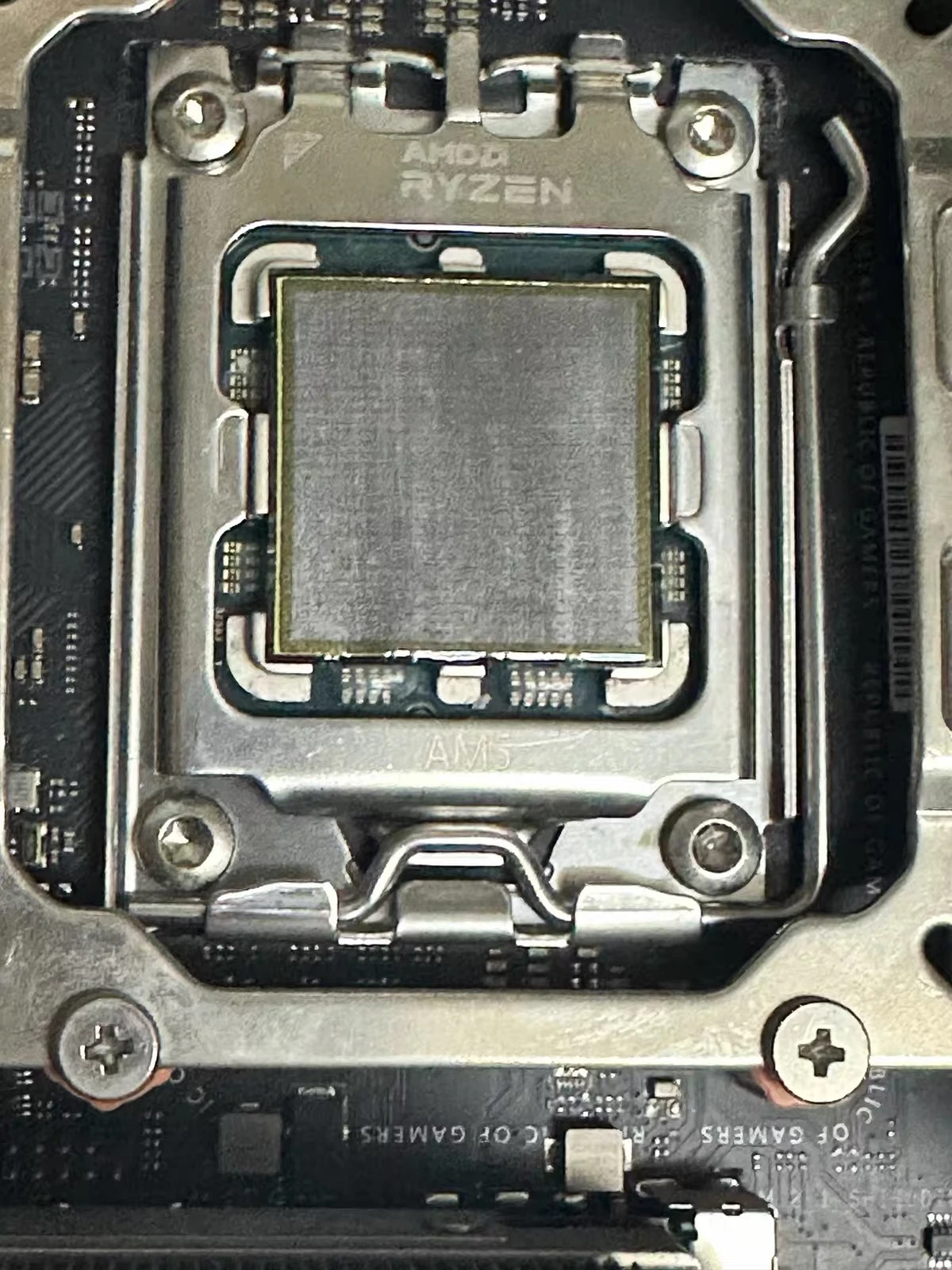
Mechanical flexibility simplifies assembly integration in power electronics
Rigid pads can slow down assembly and complicate installation. This is where the graphene thermal pad shines.
- Soft compression improves surface contact
- Adapts to uneven boards in パワーエレクトロニクス
- Supports smoother integration into tight layouts
Think about the 製造工程:
1) place pad
2) apply pressure
3) instant conformity
No trimming headaches, no alignment stress.
Nested advantages:
- mechanical flexibility
- supports design adaptability
- reduces assembly errors
- improves production yield
Short bursts of insight:
Fits fast. Bends easily. Holds shape under heat.
Ultra-high Thermal Conductivity Graphene Thermal Pad solutions, especially from Sheen Materials, help streamline builds without sacrificing performance.
Long-term reliability with low outgassing and stable dielectric strength
Heat cycles can wreck weak materials over time. This graphene thermal pad focuses on 耐久性 そして material stability.
- minimal low outgassing keeps components clean
- strong 電気絶縁 prevents leakage
- steady 誘電率 under stress
Here’s how it holds up:
1) stable graphene structure resists breakdown
2) maintains consistent performance across cycles
3) supports long service life in harsh environments
Nested reliability chain:
- 長期信頼性
- sustained 耐久性
- protects sensitive circuits
- ensures safe operation
- sustained 耐久性
Ultra High Thermal Conductivity Graphene Thermal Pad designs aren’t just about cooling—they’re built for the long run. A solid pick when uptime and safety actually matter.
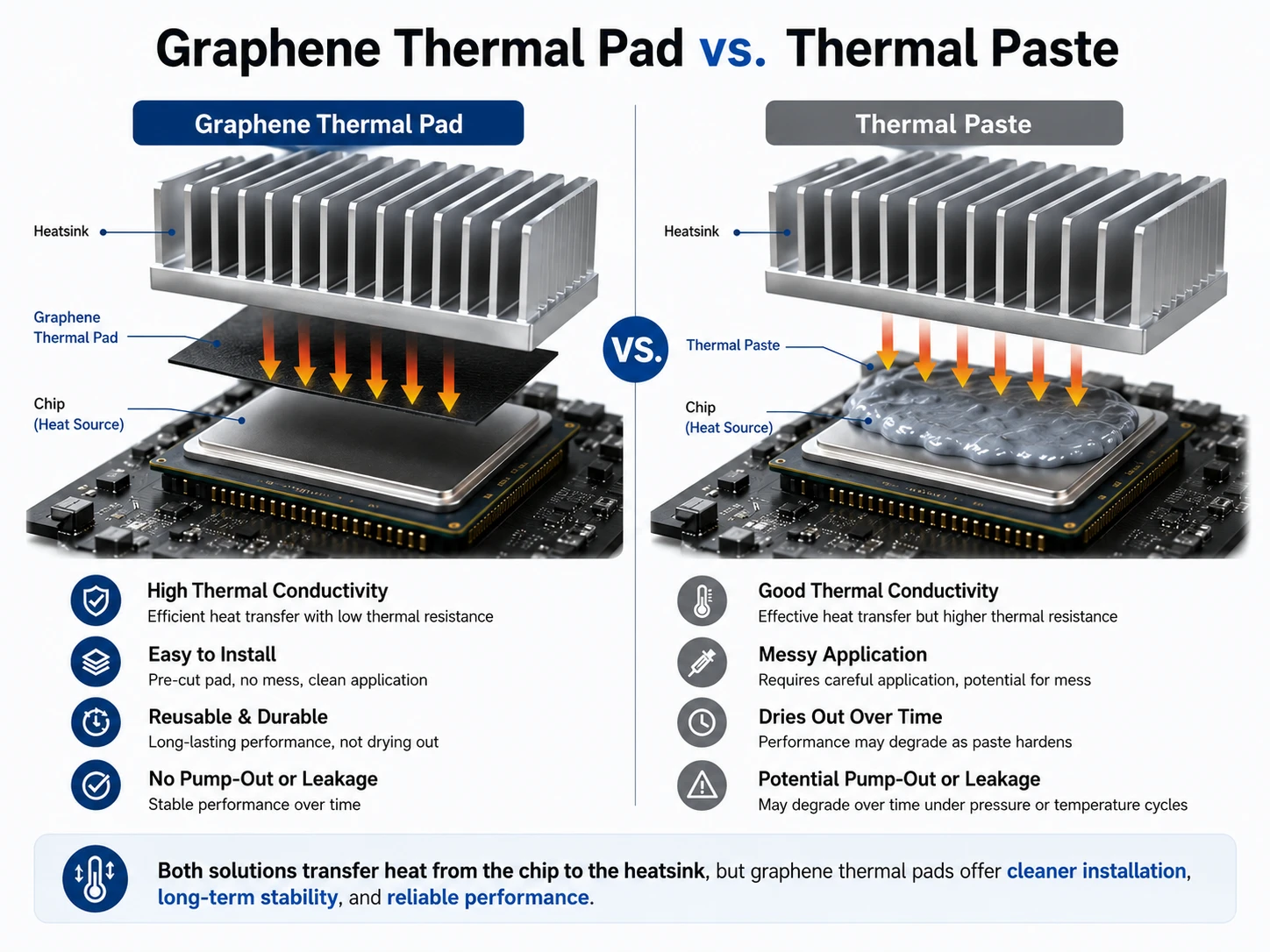
Comparing 10 W/m·K Paste And 90 W/m·K Pad
Getting heat out of chips isn’t glamorous, but it’s make-or-break. From messy spreads to clean-cut pads, the shift is real. Here we compare a classic 熱界面材料 with newer graphene options like the Ultra High Thermal Conductivity Graphene Thermal Pad, breaking down how each behaves in daily use and tight builds.
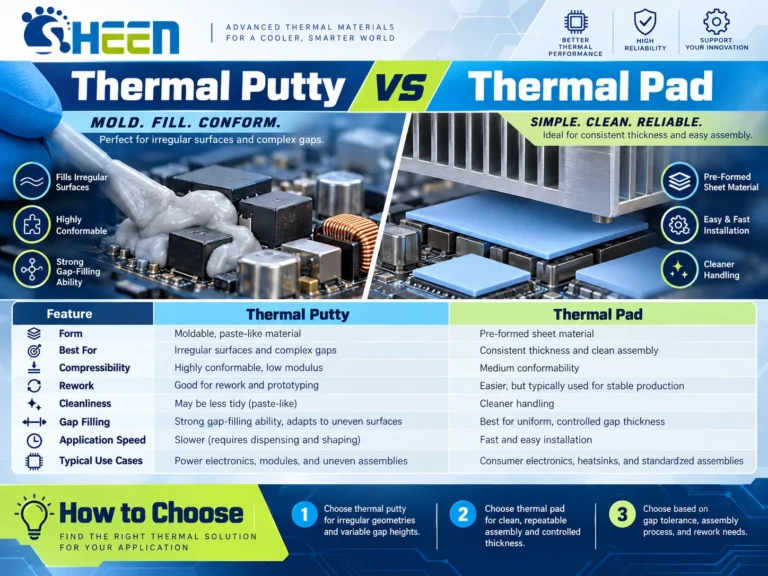
10 W/m·K Thermal Paste
At a glance, heat transfer compound paste feels flexible, almost forgiving. Yet its performance shifts over time.
- Core behavior
- Composition: carbon or ceramic inside a viscous material
- Role: 隙間埋め between die and heat sink interface
- Pros
- Adapts to uneven surfaces
- Low upfront cost
    *   Cons

    1.  Pump-out under thermal cycling

    2.  Drying impacts **thermal conductivity**
- Real-world use
- で CPU cooling, it spreads thin but demands precision
- Reapplication becomes routine in high-load GPUs
- Comparison snapshot
| プロパティ | Paste 10 W/m·K | Graphene Pad 90 W/m·K | インパクト |
|---|---|---|---|
| Conductivity | ミディアム | 高い | Heat flow rate |
| Stability | ミディアム | 高い | Long-term use |
| Installation | Messy | クリーン | Assembly time |
| Thickness control | Variable | Fixed | Consistency |
Even with Ultra High Thermal Conductivity Graphene Thermal Pad alternatives around, the paste still sticks due to flexibility.
90 W/m·K Graphene Thermal Pad
Now the shift feels obvious. The graphene material pad behaves like a solid bridge rather than a spread.
- Layered advantages
- Structure
- ユニフォーム thermal pad 厚さ
- 強い high-conductivity pathway
- Function
- 安定 放熱 under load
- Cleaner electronic cooling workflow
- Structure
- Installation flow
- Cut to size
- Place on chip
- Mount heatsink—done
- Why it stands out
- No curing, no mess
- Predictable pressure response
- Works great in LEDs and power modules
Ultra High Thermal Conductivity Graphene Thermal Pad options from Sheen Materials push this even further, blending consistency with speed. For builders tired of reapplying paste, Sheen Materials delivers a no-fuss route that just works.
How To Apply Graphene Thermal Pad Properly
Getting an Ultra High Thermal Conductivity Graphene Thermal Pad to perform at its best isn’t magic—it’s about prep, fit, pressure, and testing. Miss one, and even a great graphene thermal pad won’t hit its thermal potential.
Preparing surfaces: heat sink & chipset cleaning standards
A clean start matters more than people think. Tiny residue films can wreck contact between the ヒートシンク そして chipset, even with an ultra-high thermal conductivity pad.
- Start with:
- surfaces
- wipe using イソプロピルアルコール
- follow with a 糸くずの出ない布
- inspect:
- no streaks
- no oils
- surfaces
- Then:
- Dry naturally (no heat guns)
- Recheck edges and corners
- Avoid touching cleaned zones
Short passes work better than aggressive scrubbing. A graphene pad only performs as well as the interface it touches, even high-end options from Sheen Materials.
Die-cutting and sizing for ideal thickness and conformability
Precision beats guesswork. A poorly sized graphene pad leaves gaps.
- Key flow:
- measure dimensions
- CPU, VRAM, or IC footprint
- apply 型抜き
- use a sharp cutting tool
- verify 厚さ
- too thick → pressure issues
- too thin → poor contact
- measure dimensions
Sizing + conformability drive real gains. Ultra-high thermal conductivity graphene thermal pad sheets should sit flat without stretching.
Compression molding to minimize thermal impedance
Pressure isn’t brute force—it’s control.
- Compression logic:
- interface contact
- eliminate voids
- calibrated pressure
- align with mounting spec
- stable mounting force
- avoid warping boards
- interface contact
A well-compressed ultra-high thermal pad improves 熱伝導 and reduces 熱インピーダンス instantly.
Post-installation testing with thermal cycling and aging protocols
Performance isn’t proven at boot—it’s proven over time.
- Test stack:
- post-installation
- baseline temps
- 熱サイクル
- repeat heat/load swings
- aging protocols
- monitor degradation
- post-installation
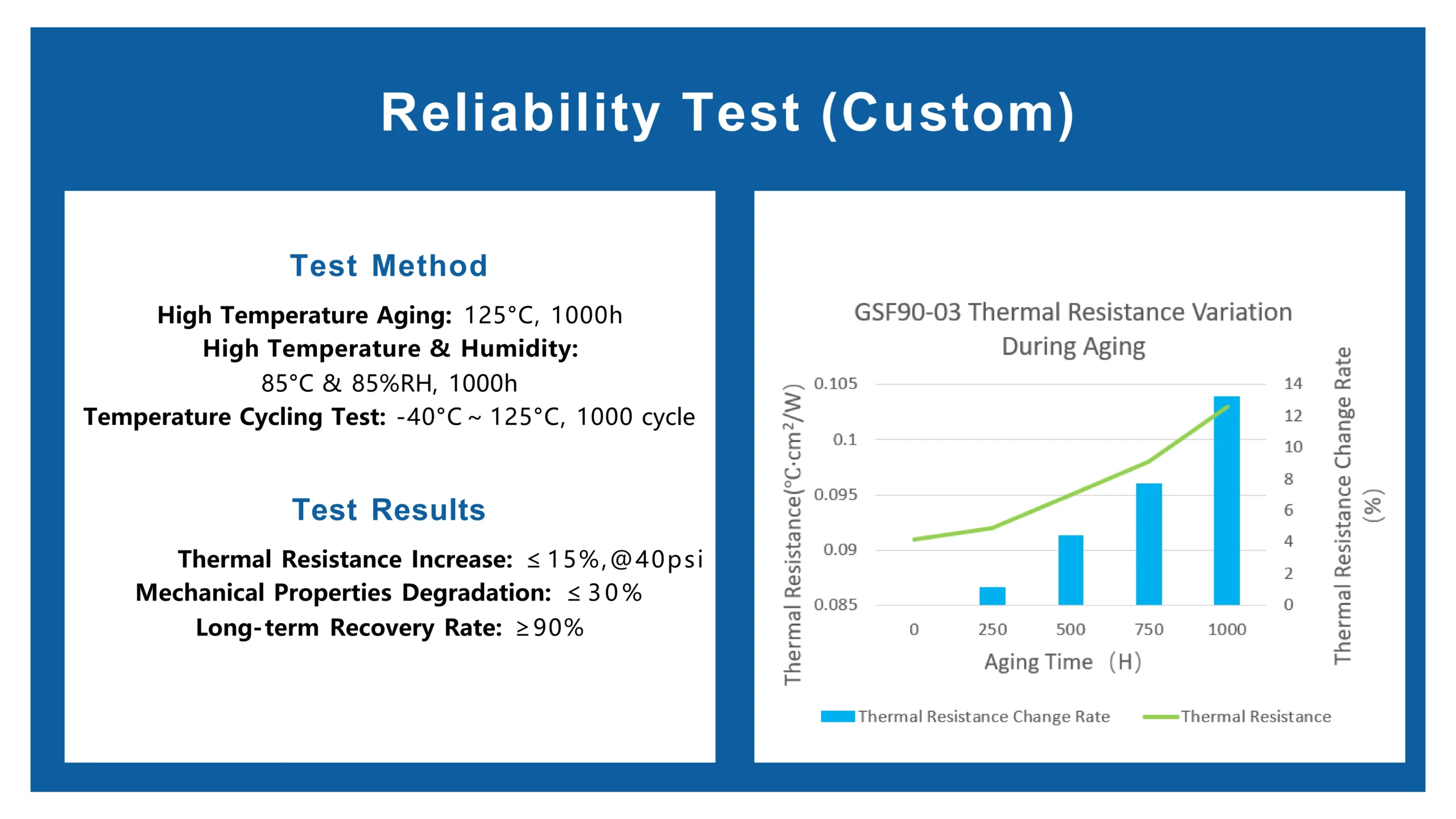
Data snapshot:
| Test Cycle | Temperature (°C) | Performance Drop (%) | Reliability Score | Notes |
|---|---|---|---|---|
| 0 | 25 | 0 | 100 | Initial |
| 50 | 60 | 1.2 | 98 | 安定 |
| 100 | 85 | 2.5 | 96 | Minor shift |
| 200 | 95 | 4.1 | 93 | Acceptable |
| 300 | 105 | 6.8 | 89 | Aging visible |
Consistent results confirm that an ultra-high thermal conductivity graphene thermal pad holds up under stress. Solutions from Sheen Materials are often tuned for this kind of long-cycle reliability.
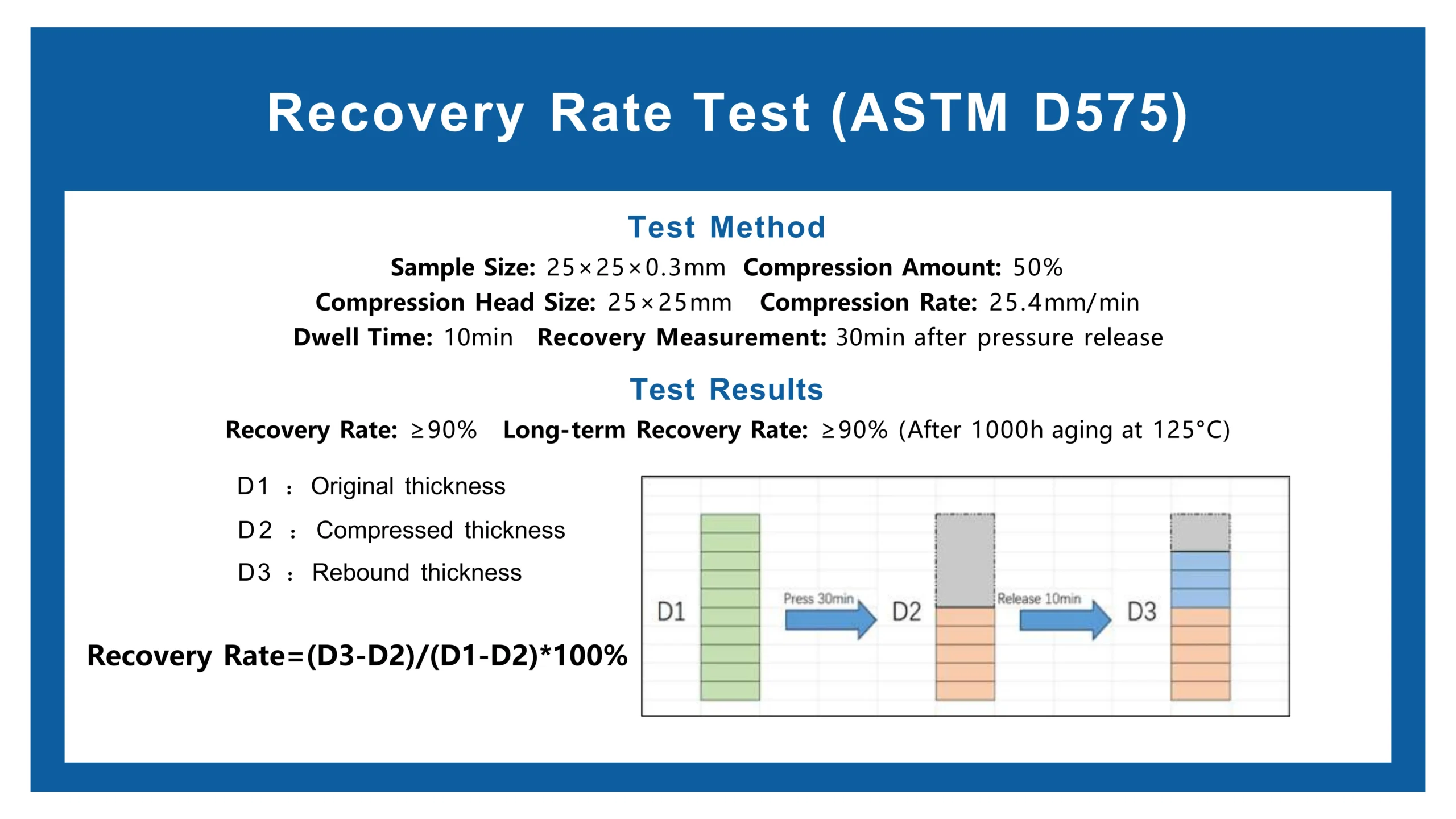
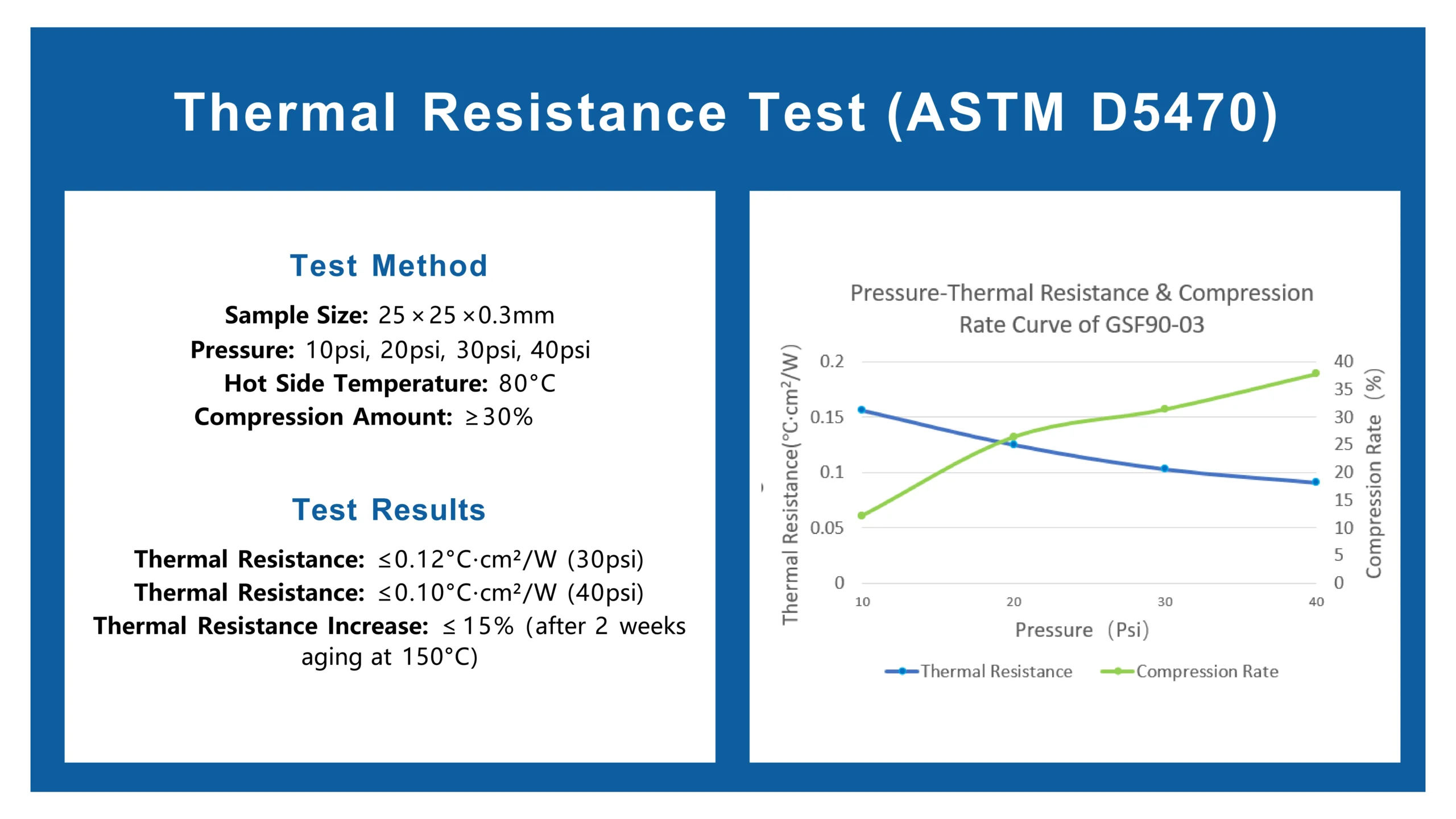
In fact, our Graphene Thermal Pad has a wider range of applications and even better performance parameters. Please refer to our latest test report for details.