How Thermal Solutions for Servers Improve Data Center Uptime
Thermal solutions for servers aren’t just metal and paste—they’re the difference between smooth sailing and a five-alarm fire in your data center. When racks run hot, performance tanks, fans scream, and suddenly your uptime promises look shaky. It’s like driving cross-country with no coolant in the engine—push it hard enough, and something’s bound to crack. Smart cooling design keeps processors steady, workloads humming, and revenue right where it belongs.
Uptime Institute’s 2024 Annual Outage Analysis reports that over half of significant outages now cost more than $100,000. That’s not pocket change—that’s budget-meeting drama.
From high-conductivity interface materials to precision heat sinks, the right thermal strategy cuts risk at the root. Cooler servers last longer, throttle less, and keep your operation out of the danger zone.
Reading Notes: Thermal solutions for servers
➔ Interface Materials: Optimize thermal grease or phase-change pads to minimize resistance and prevent throttling.
➔ Heat Spreading: Use aluminum-vapor-chamber sinks for rapid dissipation and uniform temperatures under load.
➔ Conductive Layers: Integrate graphene or copper traces on PCBs to channel heat away from hotspots.
➔ Performance Metrics: Track °C/W, W/°C, substrate conductivity, encapsulation ratings, and solder impact.
➔ Cooling Modes: Balance air-cooled simplicity against liquid-cooled density for peak rack efficiency.
Data-Driven Thermal Solutions For Servers Cut Outages By 40%
Thermal solutions for servers sit at the heart of stable data centers. Split the phrase, and it gets simple: thermal control, cooling solutions, server heat management. When heat spikes, downtime follows. Smart thermal solutions for servers keep workloads steady, cut surprise crashes, and make hardware last longer. That’s how real server uptime protection happens.
How Thermal Grease and Phase Change Materials Boost Uptime
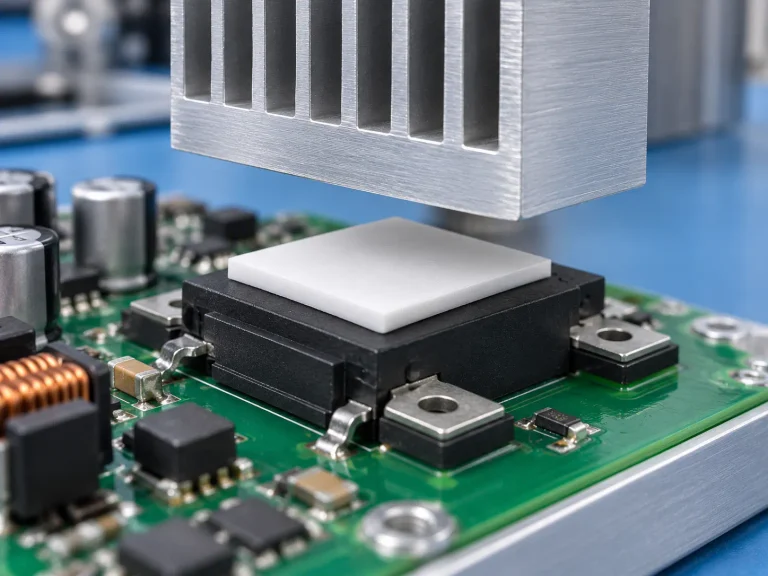
In high-density racks, サーマルグリース そして Phase Change Materials act as frontline Thermal Interface Material layers within thermal solutions for servers.
- Core interface layer
- Chip-to-sink contact
- Reduces microscopic air gaps
- Improves direct Heat Transfer
- Load spike response
- Phase transition absorbs short bursts
- Stabilizes junction temperature
- Chip-to-sink contact
- Reliability chain
- Lower resistance path
- Cuts thermal throttling
- Protects silicon integrity
- Stable operating range
- Supports long-term Server Uptime
- Enhances system Reliability
- Lower resistance path
Performance snapshot under identical 300W CPU load:
| Interface Type | 熱抵抗 (°C-cm²/W) | Avg Temp Drop (°C) | Failure Rate Reduction (%) |
|---|---|---|---|
| Standard Pad | 0.25 | 4 | 8 |
| サーマルグリース | 0.12 | 9 | 21 |
| Phase Change Materials | 0.10 | 11 | 28 |
For thermal solutions for servers, the gain isn’t hype—it’s measurable. Brands like sheen materials fine-tune compound viscosity and phase thresholds so cooling solutions for servers stay consistent across thousands of cycles.
Aluminum Alloy Heat Sinks With Vapor Chambers Reduce Downtime
Within advanced thermal solutions for servers, Aluminum Alloy bases paired with Vapor Chambers reshape Thermal Management from reactive to proactive.
- Heat capture stage
- CPU/GPU contact plate
- Rapid conduction through Aluminum Alloy
- Even load distribution
- CPU/GPU contact plate
- Heat spreading stage
- Integrated Vapor Chambers
- Phase evaporation at the hotspot
- Lateral vapor diffusion
- Condensation return cycle
- Integrated Vapor Chambers
- System impact
- Uniform surface temperature
- Fewer thermal gradients
- 改善された Cooling Efficiency
- 削減 Data Center Downtime
- 拡張 Component Longevity
For server heat management, this layered path keeps racks from running hot and cold at random. Thermal solutions for servers built with vapor chamber stacks—like those engineered by シーン・マテリアル—help operators avoid that “why is rack 12 overheating again?” headache.
グラフェン and Copper Traces: Conductive Materials for Reliable Servers
Modern PCBs depend on グラフェン coatings and reinforced Copper Traces inside next-gen thermal solutions for servers.
- Conductive foundation
- 強化された 熱伝導率 in-plane
- Faster lateral Heat Dissipation
- Board-level integration
- Power delivery zones
- Thickened Copper Traces
- Lower resistive heating
- High-speed modules
- Graphene layer spreaders
- Controlled hotspot migration
- Power delivery zones
- Operational results
- Stable clock speeds
- 改善された Performance
- より高い Server Reliability
Cooling solutions for servers are no longer just about fans. They’re about conductive materials doing quiet work under the surface. By aligning graphene films with precision copper routing, sheen materials support thermal solutions for servers that keep sensitive components cool, calm, and online.
5 Key Metrics For Server Thermal Performance
Modern data centers run hot, and not in a good way. When planning Thermal solutions for servers, engineers break the phrase down into what really matters: thermal control, cooling design, and server hardware protection. Smart thermal solutions for servers keep uptime steady, costs sane, and hardware alive longer.
Thermal Interface Material Thermal Resistance (°C/W)
で Thermal solutions for servers, the Thermal Interface Material sits between chip and sink, quietly shaping total 熱抵抗.
- Core performance factors
- Material physics
- 熱伝導率 rating (W/m·K)
- Filler content and viscosity
- Interface quality
- Surface Flatness of CPU lid
- Mounting pressure consistency
- Resulting Contact Resistance
- Material physics
- Practical evaluation path
- Measure baseline junction temperature
- Apply selected Interface Material
- Re-test under fixed load
- Calculate °C/W drop
For data center cooling systems, shaving even 0.05 °C/W improves Heat Transfer efficiency and stabilizes rack density. That’s why sheen materials focus on tight tolerance control in every batch.
Heat Sink Dissipation Rate (W/°C)
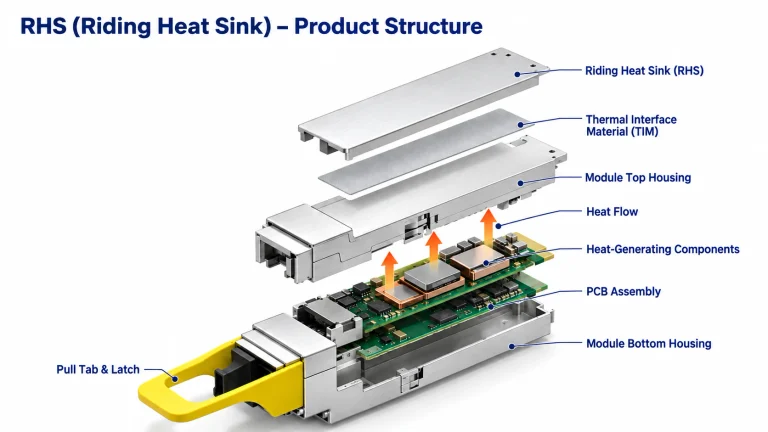
A Heat Sink defines how fast heat escapes into airflow, shaping real-world thermal solutions for servers.
- Design hierarchy
- Structural variables
- Fin height
- Fin Density
- Base thickness
- Environmental inputs
- Airflow speed
- Ambient temperature
- Rack spacing
- Physics layer
- Heat Transfer Coefficient
- 効果的 Surface Area
- Net Thermal Dissipation
- Structural variables
Typical Dissipation Comparison
| Heat Sink Type | Surface Area (cm²) | Airflow (CFM) | Dissipation Rate (W/°C) |
|---|---|---|---|
| Extruded Al | 450 | 20 | 1.8 |
| Skived Fin | 620 | 20 | 2.4 |
| Vapor Chamber | 700 | 18 | 3.1 |
| Copper Base | 680 | 22 | 3.4 |
| Hybrid Design | 820 | 25 | 4.2 |
Higher W/°C numbers mean better cooling per temperature rise. For server cooling systems, that’s gold.
Substrate Conductivity: FR-4 vs. Aluminum Nitride
Board material quietly shapes thermal solutions for servers.
- Material comparison tree
- FR-4
- 低い 熱伝導率 (~0.3 W/m·K)
- Standard Printed Circuit Board cost
- 中程度 Dielectric Constant
- 限定 Heat Spreading
- Aluminum Nitride
- 高い Substrate Conductivity (140–180 W/m·K)
- Ceramic stability
- Superior lateral heat flow
- Ideal for high-power CPUs
- FR-4
- Decision layers
- Power density per cm²
- Reliability target (years)
- Budget ceiling
High-density racks need better heat spreading. That’s where advanced substrates, often paired with sheen materials, interface products, sharpen overall server thermal management.
Encapsulation Temperature Rating: Epoxy Resins and Potting Compounds
Encapsulation affects long-term reliability in thermal solutions for servers.
- Material breakdown
- Epoxy Resins
- Rated 120–180°C
- Strong adhesion
- グッド 絶縁耐力
- Potting Compounds
- Silicone or epoxy base
- 強化された Thermal Stability
- Flexible stress absorption
- Epoxy Resins
- Performance stack
- During Curing Temperature コントロール
- Avoid void formation
- Maintain insulation strength
- During operation
- Resist cracking
- Prevent moisture ingress
- During Curing Temperature コントロール
For server hardware cooling, stable Encapsulation keeps power modules safe when workloads spike hard.
Insulation and Solder Impact on Heat Transfer Efficiency
Hidden details decide if Heat Transfer Efficiency holds up over time.
- Material interaction map
- Insulation layer
- 電気安全
- Risk of excess Thermal Insulation blocking the heat path
- Solder joints
- Alloy composition
- Void rate from Soldering Process
- Impact on Thermal Bridging
- Layout control
- スマート Component Placement
- Direct thermal path to sink
- Insulation layer
- Optimization flow
- Minimize unnecessary insulation thickness
- Use high-quality lead-free solder with a low void ratio
- Validate junction temperature after reflow
Great thermal solutions for servers aren’t built from one hero part. It’s the stack—materials, airflow, layout—working together. Get that right, and server thermal performance stops being a headache and starts becoming a strength.
Comparing Liquid Vs. Air Cooling Efficacy
Modern data centers run hot, and not in a good way. Picking the right Thermal solutions for servers can mean smoother uptime or constant temperature alarms. From liquid loops to smart airflow, server cooling shapes performance, cost, and long-term reliability in any serious IT setup.
Liquid Cooling
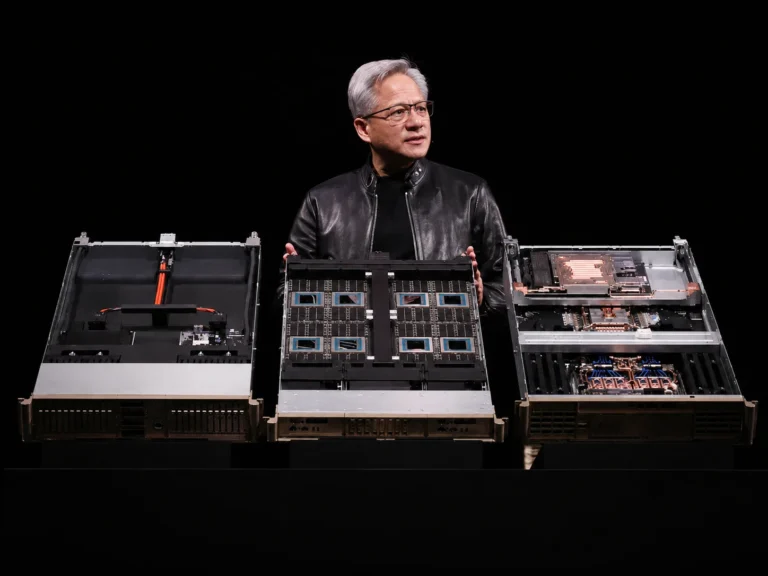
When people talk about advanced Thermal solutions for servers, liquid setups usually lead the chat. Liquid cooling pushes 放熱 beyond what fans alone can handle, especially in dense AI racks.
- Core performance drivers
- Fluid circulation moves coolant directly across hot components.
- 強化された 熱伝導 through cold plates stabilizes server temperature.
- より高い cooling efficiency supports stronger system performance under peak loads.
- Infrastructure impact
- Rack level
- Supports higher kW per rack without thermal throttling.
- Facility level
- Reduces dependency on extreme room-level cooling.
- Rack level
- Operational outcomes
- Stable computation during spikes.
- Lower risk of hotspots.
- Predictable scaling for server thermal management plans.
For teams building long-term Thermal solutions for servers, brands like シーン・マテリアル offer engineered plates and interface materials that tighten temperature control without overcomplicating maintenance. Liquid systems cost more upfront, sure, but for high-density compute, that trade-off often pays back fast.
Air Cooling
Air remains the go-to for simpler Thermal solutions for servers. It’s familiar, easier to deploy, and budget-friendly.
- Cooling mechanics
- Airflow management directs cold air through the chassis.
- Adjusted fan speed 向上する heat removal.
- スマート ventilation design enhances 熱伝導率 at the component level.
- Environmental dependence
- Sensitive to ambient temperature shifts.
- Efficiency drops in tightly packed racks.
- Practical considerations
- Lower install complexity.
- Easier part replacement.
- Fits small to mid-sized server rooms.
For many businesses, air-based server cooling still works just fine. Paired with quality materials from sheen materials, even traditional data center cooling can stretch further. In balanced Thermal solutions for servers, air cooling holds its ground—just not in extreme heat densities where liquid clearly takes the win.
FAQs about Thermal Solutions for Servers
How do thermal solutions for servers reduce downtime in high-density data centers?
Heat builds quietly, then strikes. The right materials keep servers calm under pressure.
1. Thermal Interface Materials—thermal grease, phase change materials, and gap fillers—smooth the contact between chips and heat sinks, cutting thermal resistance.
2. Aluminum alloys paired with vapor chambers and heat pipes spread heat fast, stopping hotspots before alarms sound.
3. Graphene layers and copper traces move heat across boards, while lead-free solder and solder paste keep joints stable during long uptime cycles.
The result: steadier temperatures, fewer surprise shutdowns, longer nights of uninterrupted compute.
How do encapsulation and conductive materials protect server reliability over time?
Time and heat test patience as much as hardware.
Epoxy resins and silicone compounds shield components from cracking during thermal cycling, while potting compounds and conformal coatings guard against dust and vibration.
Inside the board, silver paste, gold plating, carbon nanotubes, and graphene guide heat away from fragile zones.
Paired with stable solder wire, flux, and solder balls, these materials slow aging—letting servers stay dependable long after installation day.
Which materials matter most when selecting thermal solutions for servers?
Choice here feels personal because mistakes show up as failures.
A short guide for buyers balancing cost, risk, and performance:
| Component Area | Common Options | Human Impact |
|---|---|---|
| Interfaces | thermal pads, liquid metal, thermal adhesives | Cleaner installs, fewer reworks |
| Heat sinks | copper, graphite, composite materials | Faster heat escape, quieter fans |
| Substrates | FR-4, aluminum nitride, ceramic substrates | Predictable behavior under load |
| Insulation | polyimide films, mica sheets, aerogels | Safety during peak temperatures |
Each layer plays a role in keeping hardware predictable during stressful workloads.