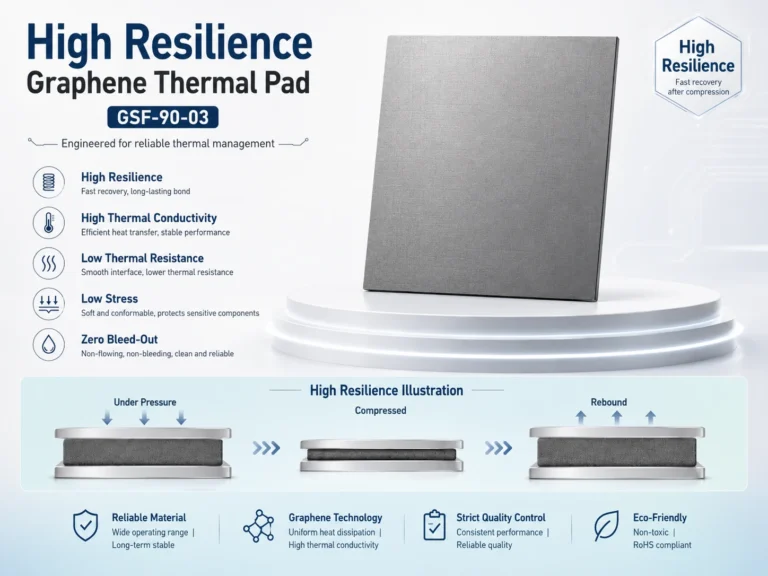
Is a Graphene Thermal Pad for AI Servers Better Than Liquid Metal?
A graphene thermal pad for AI servers faces a fierce rival: liquid metal. One promises solid-state control; the other can deliver extremely low interface resistance.
For procurement teams, conductivity alone won’t cut it. Electrical risk, thickness, contact quality, cycling stability, and repeatable installation can make or break fleet-scale cooling.
Sheen Materials engineers emphasize matching TIM construction to application requirements.
Swift Insights on Graphene Thermal Pad for AI Servers
➔ Balance thermal conductivity and surface adhesion to minimize interface resistance
➔ Ensure electrical isolation and containment to prevent leakage risks
➔ Verify thickness uniformity and compressibility for consistent bond-line performance
➔ Evaluate mechanical flexibility and cycling stability for long-term data-center reliability
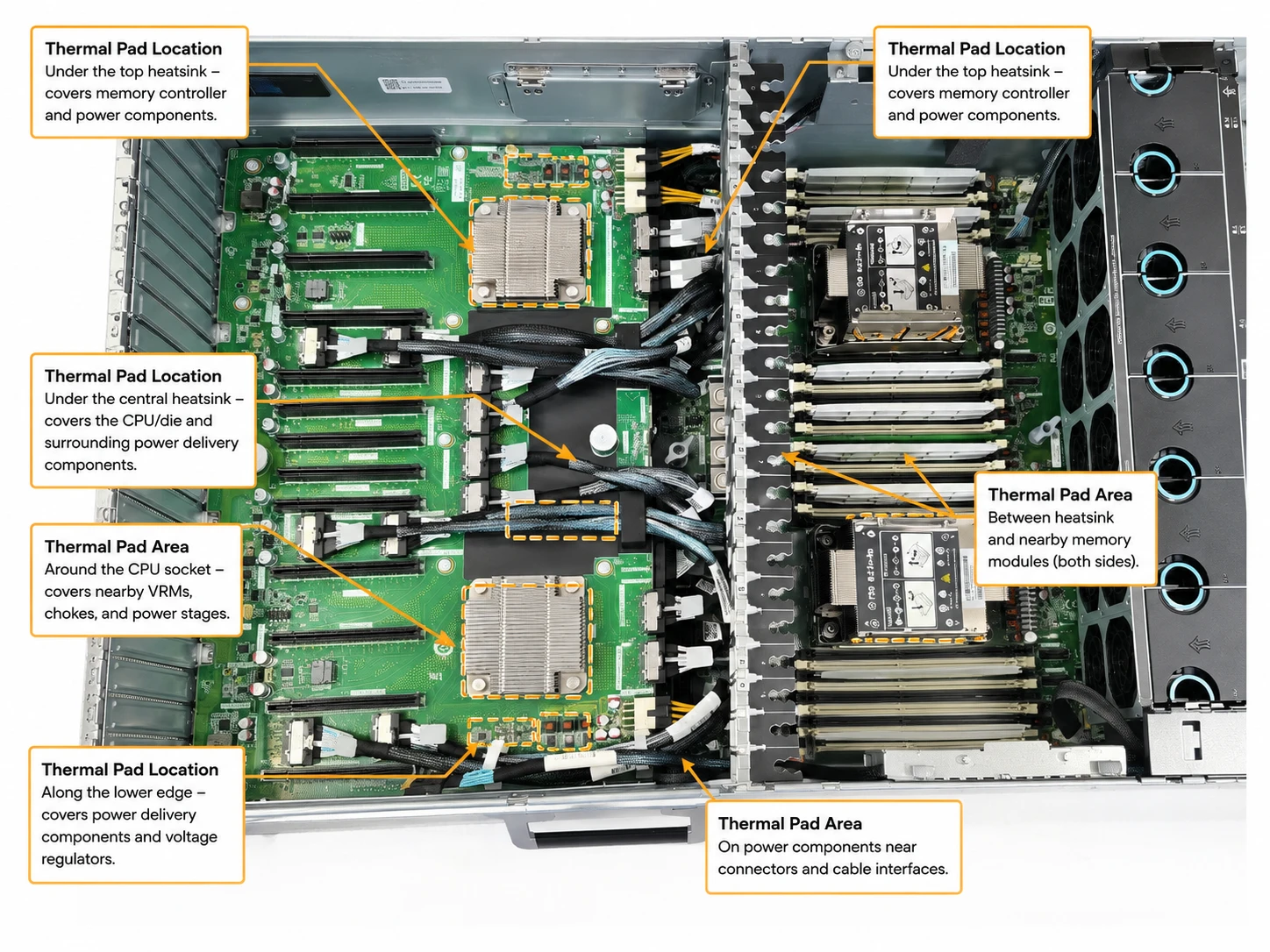
Types Of Thermal Interfaces Explained
Cooling dense accelerators is about more than picking the material with the highest conductivity number. A graphene thermal pad for AI servers must make close contact, while other options handle gaps, electrical risks, or wide heat loads differently. Sheen Materials helps teams compare interface choices with practical 熱管理 needs, from processor contact to rack-scale cooling.
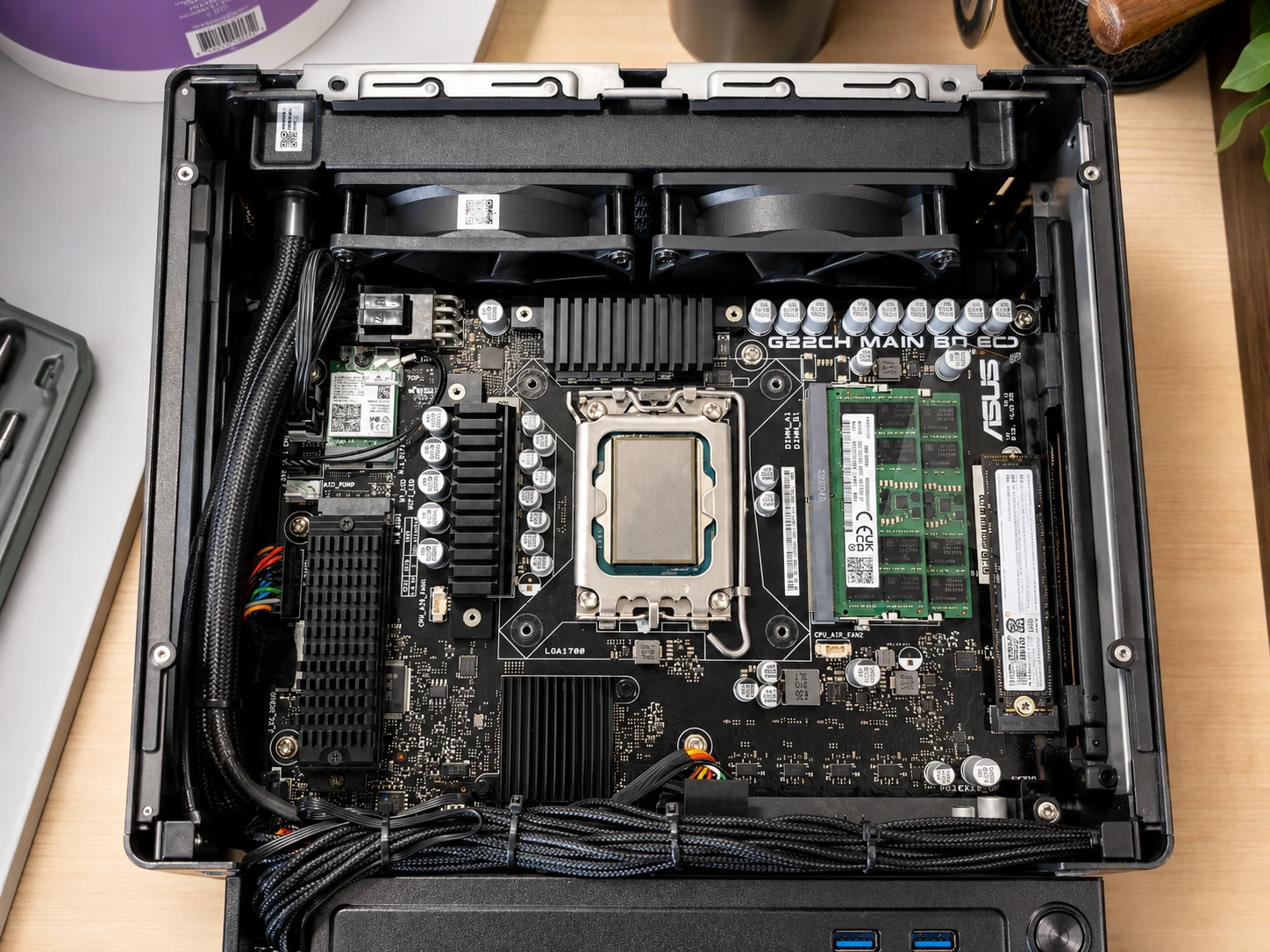
グラフェン・サーマルパッド: Balancing Thermal Conductivity and Surface Adhesion
- Contact performance
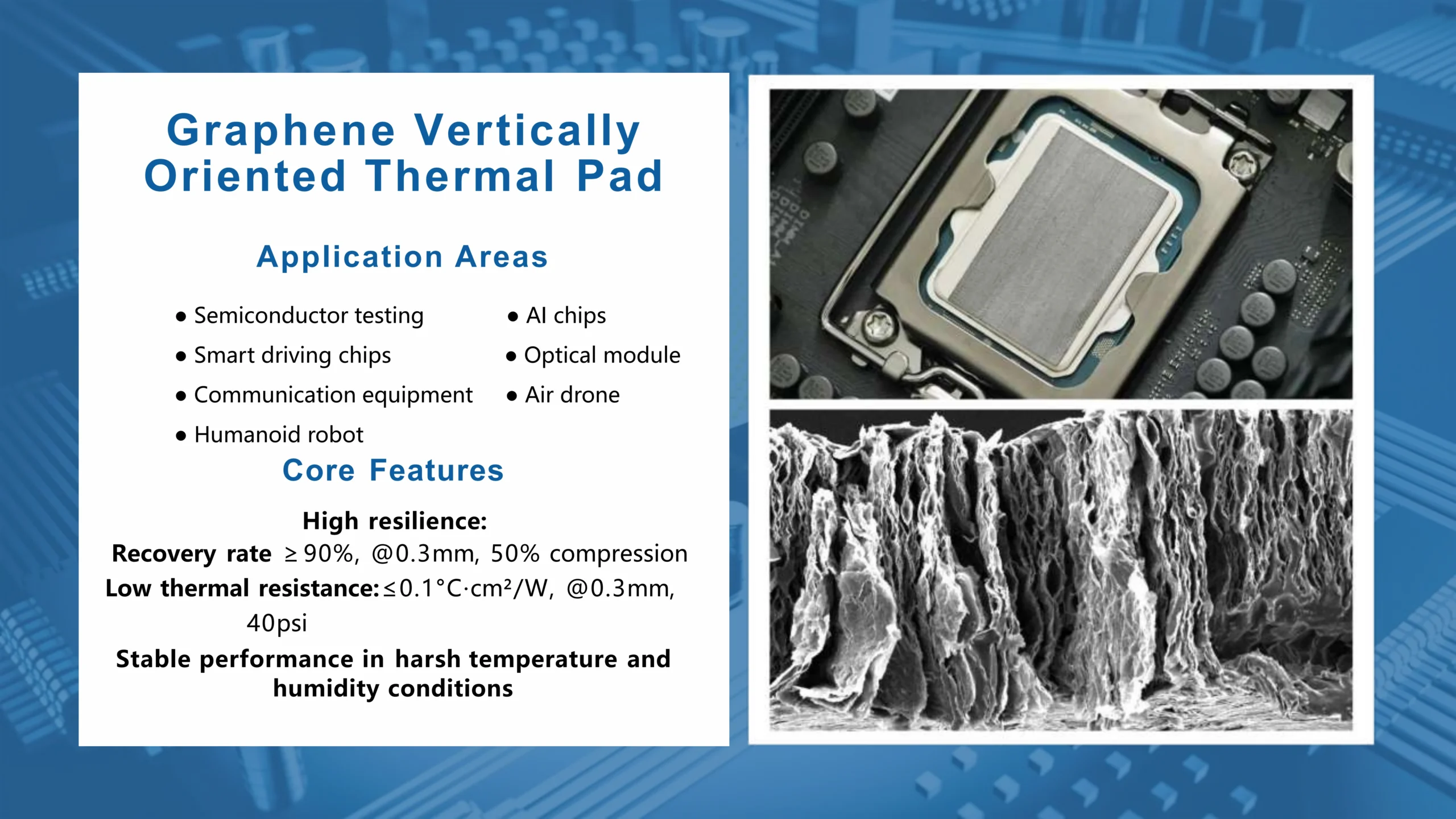
- グラフェン provides strong 熱伝導率, especially across its plane.
- A thermal pad still needs good surface adhesion, suitable thickness, and compression to limit contact resistance.
- In real AI servers, better contact supports steadier 熱伝導.
- A graphene thermal pad for AI servers should therefore be judged as a complete interface material, not just by conductivity. Pretty simple, but easy to miss.
Liquid Metal TIM: Electrical Insulation and Long-Term Reliability
- Performance
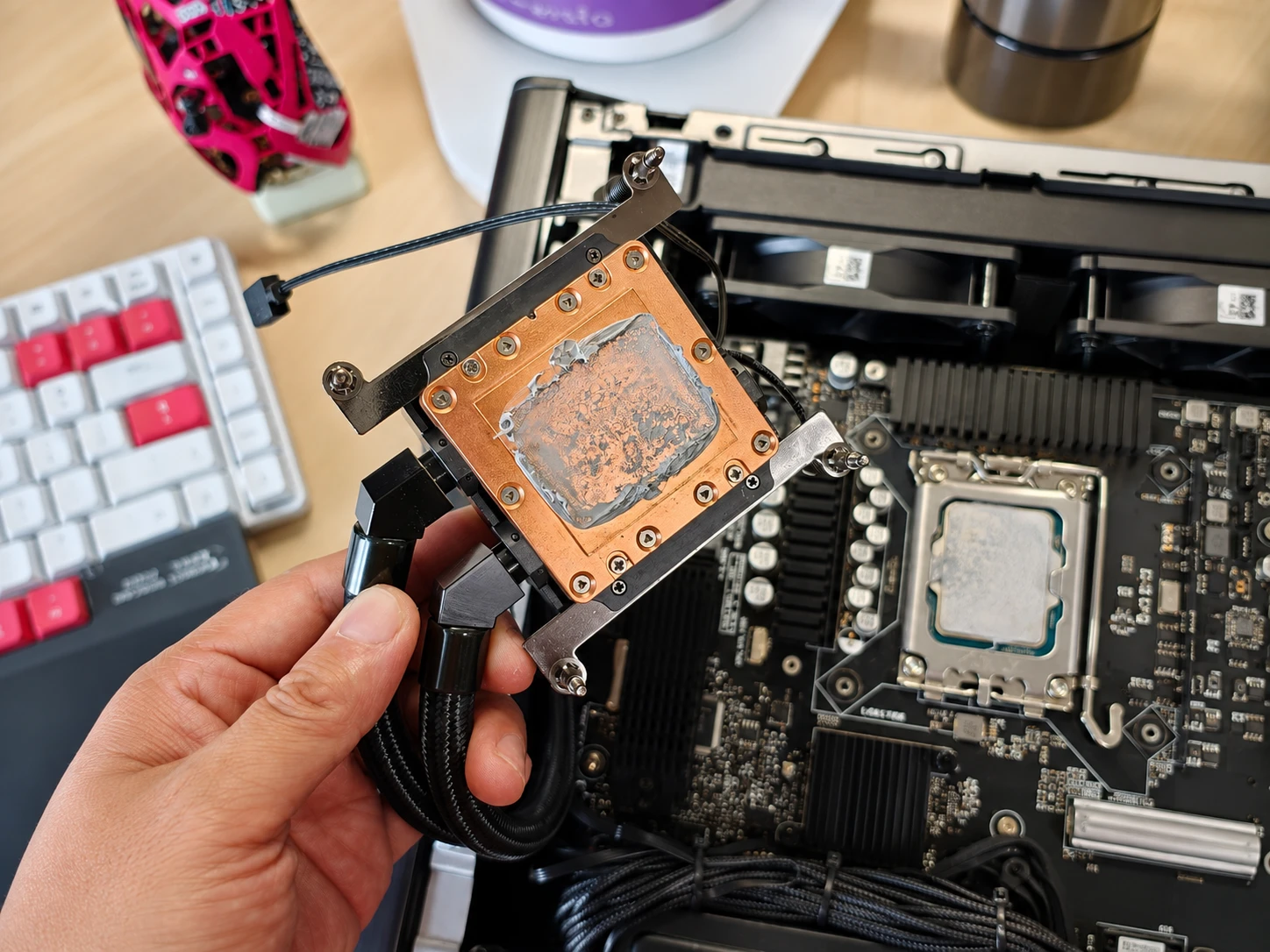
- Liquid metal TIM, commonly based on gallium と indium, can move heat very efficiently.
- Protection
- Because it conducts electricity, surrounding 電気絶縁 and tight containment matter.
- Material selection must also control corrosion.
- Long-duration testing checks leakage, pump-out, and 長期信頼性 before deployment.
相変化材料 for Server Racks in Data Centers
- At the interface:
- Phase change materials soften around a designed melting point, flowing into tiny surface gaps.
- Stored latent heat can help manage brief thermal swings.
- At rack scale:
- で server racks そして data centers, careful material choice supports 放熱 without conductive liquid-metal handling.
- Sheen Materials can match these options with graphene pad requirements and broader 熱管理 targets.
Vapor Chamber Technology as an Alternative Heat Sink
A vapor chamber works as a flat ヒートスプレッダ, not a direct TIM substitute.
- Inside the chamber:
- Evaporation absorbs concentrated heat from the accelerator.
- Vapor travels across the chamber.
- Condensation releases that heat over a wider area.
- A wick structure returns fluid to the hot zone.
- In practice:
- これは two-phase heat transfer 向上する 熱性能 and can complement a ヒートシンク, graphene pad, or other interface layer.
3 Key Thermal Conductivity Factors
Choosing a graphene thermal pad for AI servers comes down to more than headline conductivity. Thickness control, surface bonding, and mechanical behavior work together, so Sheen Materials considers how a pad performs at the real chip-to-heat-sink interface over time.
Thickness Uniformity and Its Impact on Thermal Resistance
A graphene thermal pad for AI servers works best when its bond line stays thin and even. Small thickness changes can raise Thermal resistance, even when bulk 熱伝導率 looks great on paper.
- Manufacturing control
- Lamination keeps the Graphene thermal pad thickness consistent.
- Accurate die cutting helps the Interface material fit processor packages.
- During assembly
- バランス Contact pressure promotes steady Heat transfer.
- で AI servers, uneven spots can create warmer junction areas.
That’s the practical catch: good material properties still need tight production control. Sheen Materials targets consistent pad dimensions for repeatable thermal interfaces.
Surface Adhesion: Optimizing Power Dissipation Capability
A graphene thermal pad for AI servers must sit closely against both mating surfaces. Better Surface contact cuts microscopic air pockets and lowers Contact resistance.
- 適切な Adhesion strength keeps the pad seated without making servicing needlessly difficult.
- グッド Wetting properties let the Thermal interface material follow tiny surface features.
- Lower interface resistance supports higher Heat flux and steadier Power dissipation.
In plain terms, close contact helps heat get out fast.
Mechanical Flexibility Versus Thermal Cycling Stability
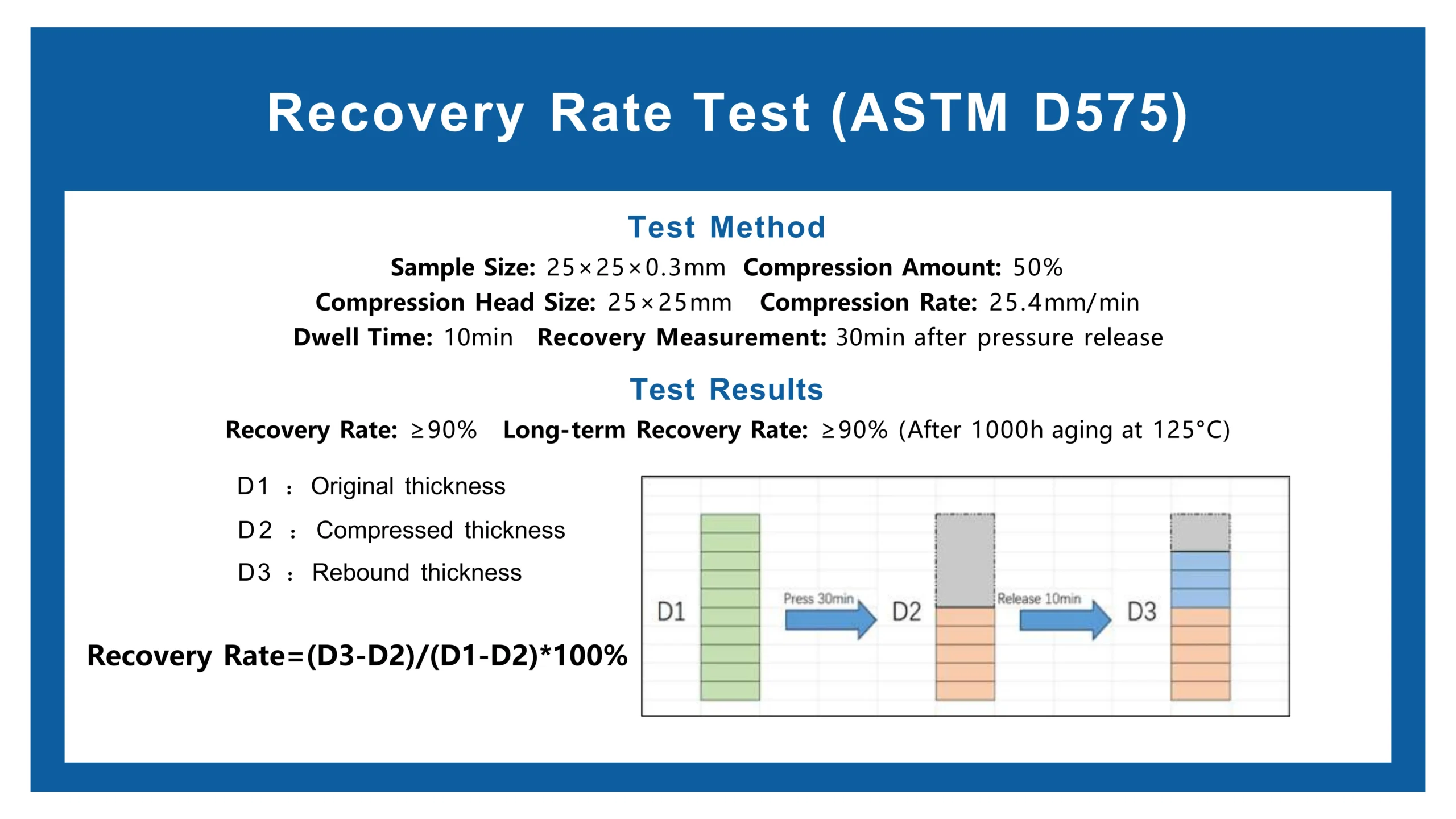
For long service life, a graphene thermal pad for AI servers needs enough Mechanical flexibility to conform without losing shape after repeated temperature swings.
- Package movement
- Thermal expansion creates mechanical Stress as hardware heats and cools.
- Flexible pads can absorb part of that movement.
- Repeated operation
- Thermal cycling may drive Material degradation over time.
- Poor interface stability can eventually cause Delamination.
- Design goal
- Sheen Materials balances conformability with Reliability.
- Stable interfaces protect Long-term performance, making the graphene server thermal pad a practical fit for demanding accelerator hardware.
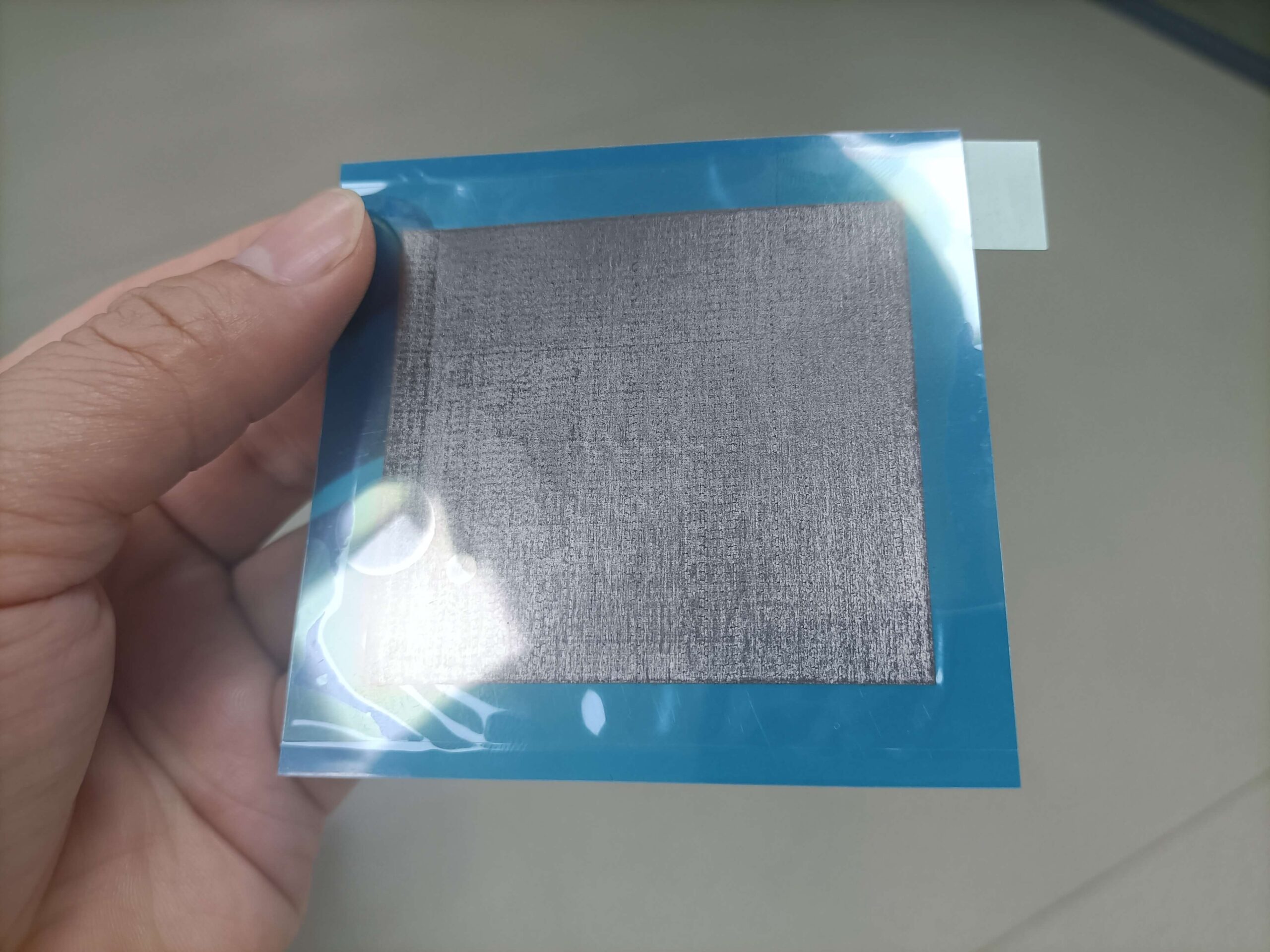
Graphene Pad Vs. Liquid Metal Efficiency
Choosing an interface for dense compute hardware comes down to thermal resistance, safety, maintenance, and mounting pressure. A graphene thermal pad for AI servers offers clean handling, while liquid metal pushes performance harder but brings extra deployment concerns.
Graphene Thermal Pad
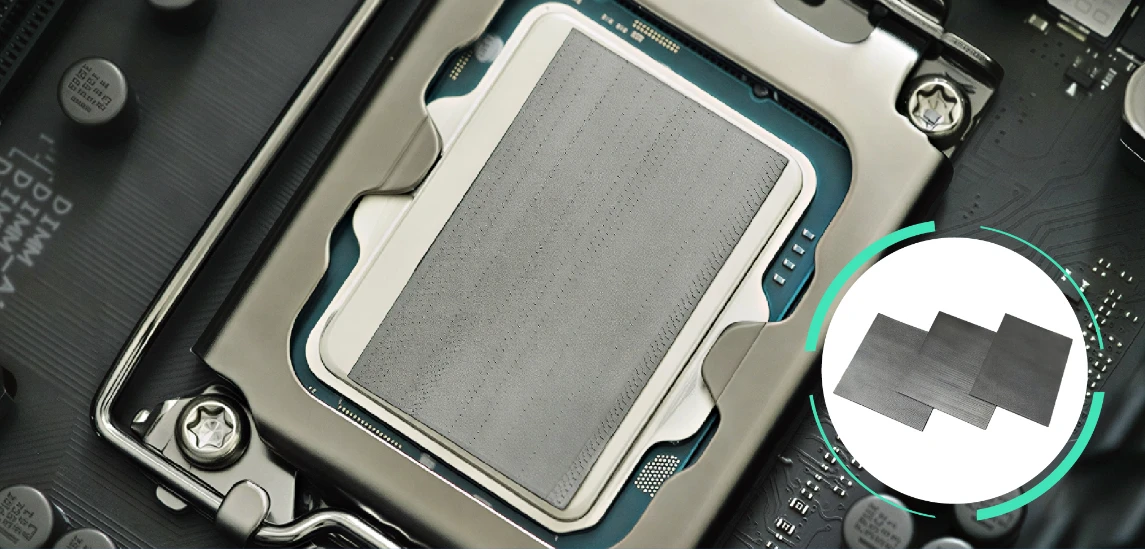
A graphene thermal pad for AI servers uses graphene as part of a solid interface material designed to move heat away from processors. Unlike paste, a thermal pad keeps its shape, so installation and later servicing are pretty straightforward.
- Cooling behavior
- Heat transfer depends heavily on thickness and contact.
- Thin, well-compressed material cuts gaps between mating surfaces.
- Strong through-plane 熱伝導率 helps move energy toward the heatsink.
- Mechanical design matters too.
- Uneven pressure can raise interface resistance.
- Reusable formats can make an AI server’s maintenance cycle less messy.
- Heat transfer depends heavily on thickness and contact.
- Deployment value
- A nonconductive design can reduce electrical risk around packed boards.
- Better contact supports steady 放熱 without liquid leakage.
For buyers comparing a graphene pad for server hardware, Sheen Materials can match pad dimensions and thermal needs to the intended cooling solution. A properly specified graphene thermal pad for AI servers balances serviceability with predictable cooling.
Liquid Metal TIM
Liquid metal TIM takes a different route: its gallium alloy composition provides very high conductivity, which can reduce interface resistance in demanding processor packages.
- について CPU cooling, a thin, controlled layer can improve 放熱 where heat flux is high.
- について GPU cooling, careful application helps avoid spillover onto nearby electrical parts.
- で server cooling, material compatibility is crucial; gallium can damage aluminum, so suitable plated copper surfaces are commonly preferred.
これは 熱界面材料 can beat many solid pads thermally, but installation is fussier. Pump-out, electrical conductivity, surface compatibility, and servicing all count. Sheen Materials can help teams compare liquid-metal requirements with safer solid-pad options before production hardware hits the rack.
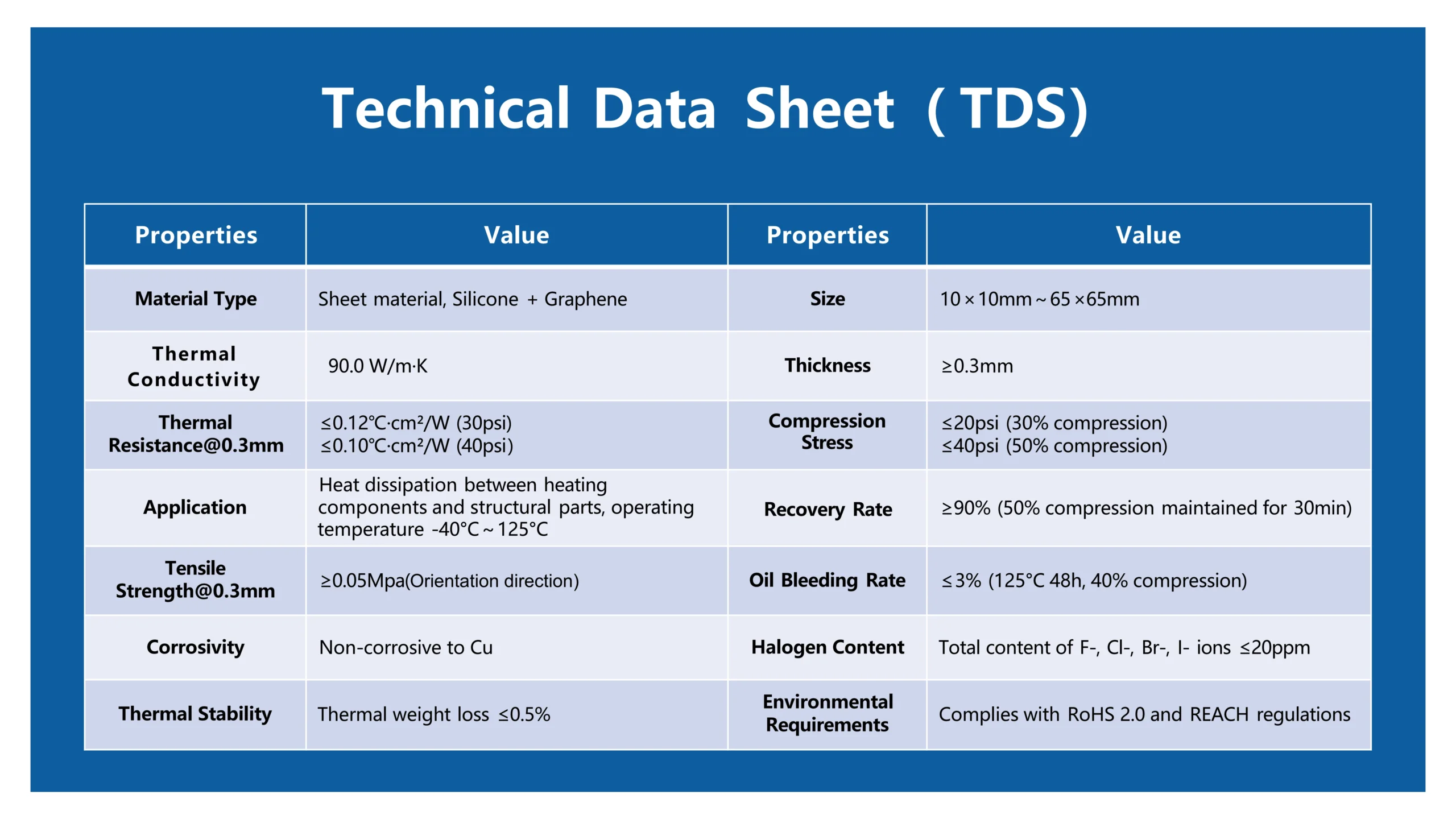
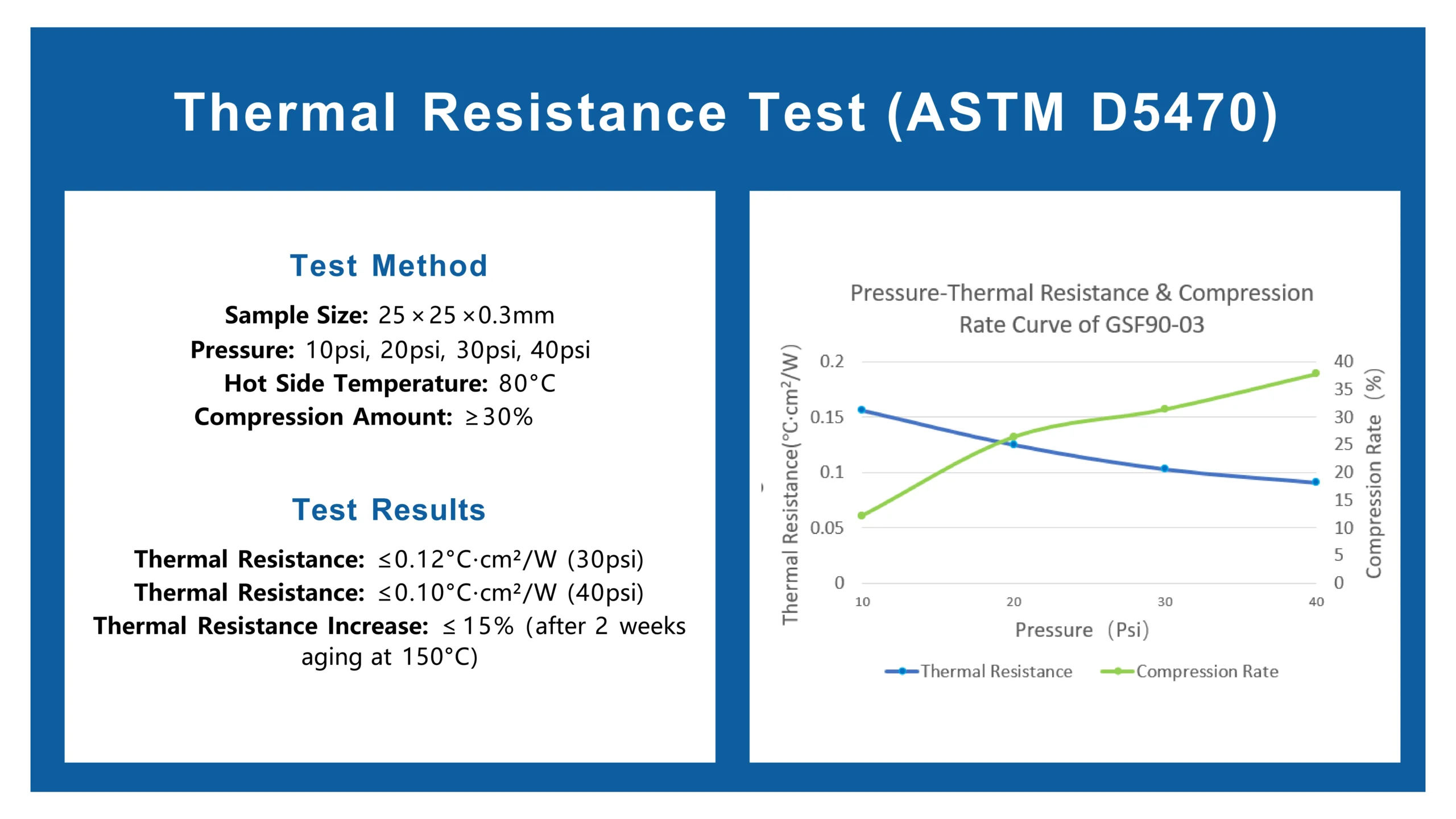
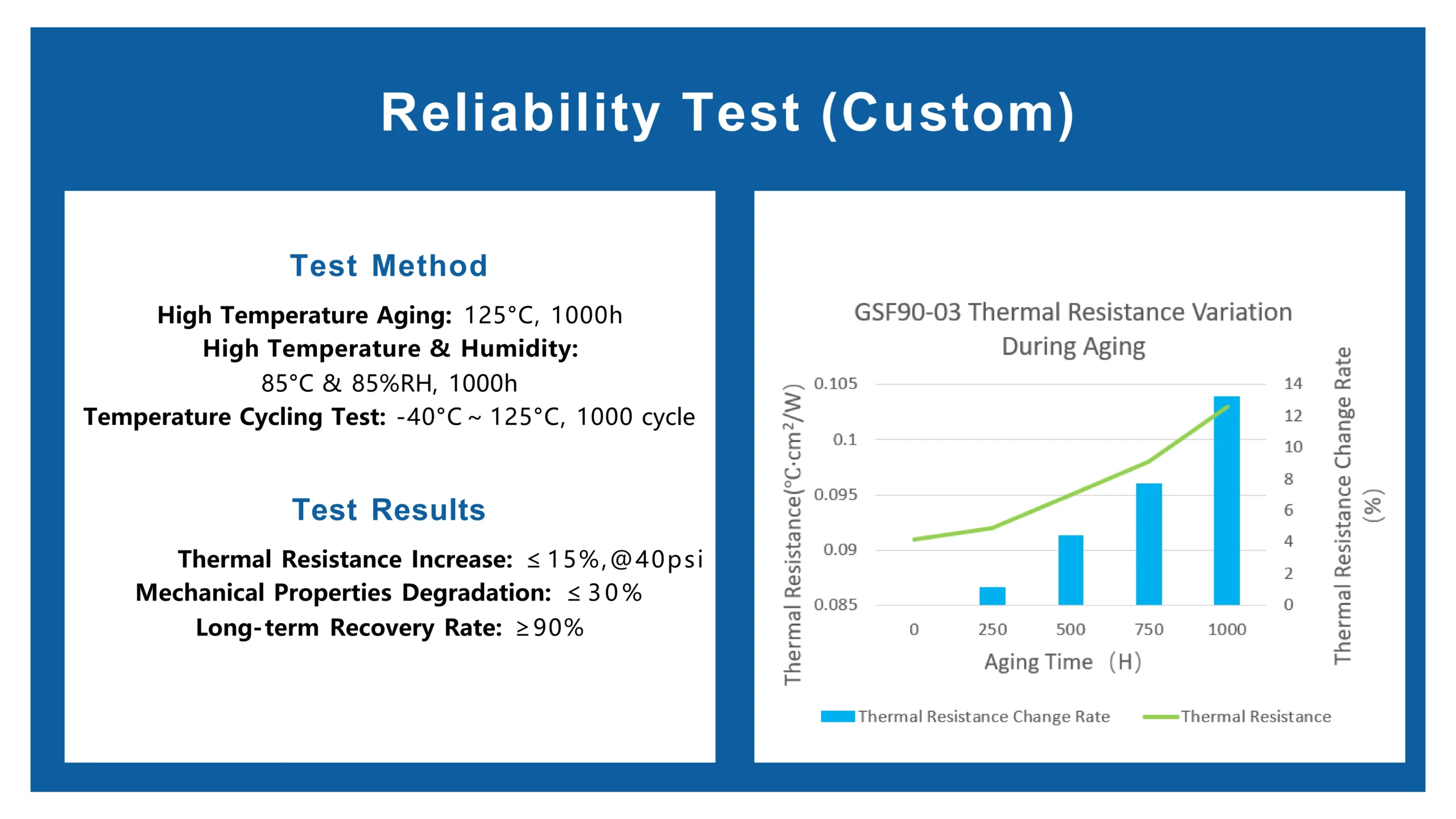
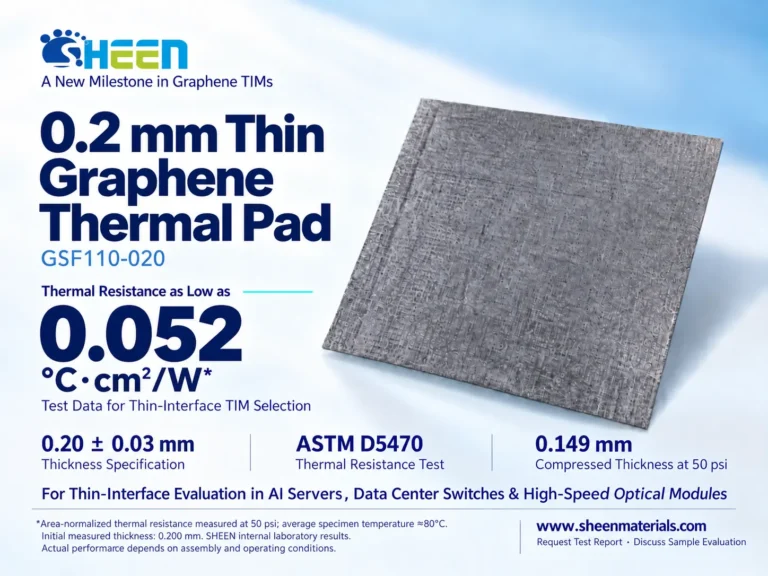
The following information is based on test data from the Sheen Materials technical team obtained in May 2026. For the detailed test report or to discuss custom requirements for graphene thermal pads, please contact us directly: