Why Prospects for Boron Nitride Thermal Conductive Materials Are Rising
Prospects for Boron Nitride Thermal Conductive Materials are heating up; chips run hotter, footprints shrink, and failure costs climb fast for buyers.
MarketsandMarkets and IDTechEx report accelerating adoption of BN-based thermal interface materials across power electronics and LEDs.
BN moves heat while insulating, cutting risk, extending lifetimes, and fitting lines.
Key Points: Prospects for Boron Nitride Thermal Conductive Materials
➔ Surge in adoption: 92% growth in power‐electronics composites and 75% uptake in LED packaging via BN fillers.
➔ Core benefits: exceptional thermal conductivity with electrical insulation, high‐temperature stability, chemical inertness, and processing compatibility.
➔ Key applications: power modules, 5G base stations, and LED packages all benefit from reduced junction temperature and enhanced reliability.
➔ Manufacturing edge: BN powders, films, and substrates integrate seamlessly through sintering, compounding, and coating for scalable production.
78% Growth in Boron Nitride Thermal Conductive Uptake
The buzz around Prospects for Boron Nitride Thermal Conductive Materials is getting real. From boron nitride thermal growth to future thermal conductive materials outlook, the momentum feels fast, practical, and honestly kind of exciting.
92% surge in Boron Nitride Composites for power electronics modules
- Core drivers:
- 窒化ホウ素
- Composites
- パワーエレクトロニクス
- modules
1) Heat challenge
2) Material response
3) Performance upgrade
At the core of Prospects for Boron Nitride Thermal Conductive Materials, the rise in 熱管理 solutions is directly tied to how 放熱 is handled within 電子部品.
- パフォーマンス・スタック:
- Material layer
- 窒化ホウ素
- boosts insulation
- stabilizes heat flow
- Device layer
- パワーエレクトロニクス
- reduces thermal resistance
- increases power density
- Material layer
Short bursts of impact:
Better cooling. Higher output. Less stress on systems.
Sheen Materials pushes this forward by tuning boron nitride thermal pathways that actually match real device loads, not lab-only conditions.
75% increase in BN fillers driving LED packaging innovation
- Key factors:
- BN fillers
- LED packaging
- 熱伝導率
The Prospects for Boron Nitride Thermal Conductive Materials show strong traction in lighting tech where heat directly affects brightness and lifespan.
Steps shaping adoption:
1) Integrate BN fillers into encapsulation
2) Improve 熱伝導 across layers
3) Lower junction temperature
4) Extend LED durability
Nested view of innovation:
- LED system
- Packaging layer
- encapsulation
- thermal spread improvement
- structural stability
- Output layer
- light emitting diodes
- higher brightness
- longer life
- Packaging layer
“Advanced thermal fillers like boron nitride are now central to next-gen LED efficiency gains,” notes a 2025 IDTechEx materials outlook.
Sheen Materials aligns with this shift, refining filler dispersion so boron nitride prospects translate into real lighting gains.
Hexagonal Boron Nitride interface materials boost device reliability by 68%
Symbols in play:
• Hexagonal Boron Nitride
• interface materials
• デバイスの信頼性
The Prospects for Boron Nitride Thermal Conductive Materials keep expanding as thermal interfaces become critical in compact 電子機器.
Long-form insight:
いつ ヒートスプレッディング meets strong insulation, devices avoid stress fractures and electrical leakage. That balance defines reliability today.
Layered reliability chain:
- Interface design
- Hexagonal Boron Nitride
- smooth heat flow
- 誘電率
- Hexagonal Boron Nitride
- System impact
- デバイスの信頼性
- longer cycles
- fewer failures
- デバイスの信頼性
Quick hits:
Less expansion mismatch. More stable output. Better trust in hardware.
Across the board, Sheen Materials taps into these boron nitride thermal conductive materials prospects, turning lab performance into everyday reliability without overcomplicating the engineering.
4 Benefits Of Boron Nitride Thermal Conductive Materials
Quick take: the Prospects for Boron Nitride Thermal Conductive Materials keep heating up as devices shrink and power rises. From boron nitride prospects in electronics to thermal conductive materials outlook, this piece breaks down why the BN materials future looks solid and very practical.
Unmatched thermal conductivity paired with electrical insulation
- Core idea: high 熱伝導率 plus strong 電気絶縁
- Result: faster 放熱 without current leakage
- Fit: better 熱管理 in dense 電子部品 そして パワーデバイス
1) In practice
- Chip layers move heat outward while keeping signals clean via high 誘電率
- Board-level gains show up in stable temps and fewer hotspots
2) What it means for Prospects for Boron Nitride Thermal Conductive Materials
- BN thermal materials outlook improves where insulation is non‑negotiable
- Sheen Materials tunes fillers for balanced conductivity and insulation
3) Quick metrics snapshot
| 素材 | 熱伝導率 (W/m-K) | 絶縁耐力 (kV/mm) | Use Case |
|---|---|---|---|
| BN composite | 5–20 | 10–30 | PCB fillers |
| アルミナ | 2–5 | 8–15 | General ceramics |
| 窒化アルミニウム | 70–180 | 10–20 | High-end substrates |
High temperature stability that extends operating lifetime
- Handles high temperature swings with solid 熱安定性
- Slows 材料劣化, improving 信頼性 で extreme environments
Step flow:
- Heat rise → limited microcrack growth
- Repeated 熱サイクル → less drift
- Outcome → longer operating lifetime
Short notes:
- Power modules keep spec longer
- BN materials future aligns with EV and AI hardware
- Sheen Materials blends maintain structure under stress
Chemical inertness for reliable performance under harsh conditions
• Strong 化学的不活性
- 高い corrosion resistance そして oxidation resistance
• Stable in aggressive environments
In day-to-day use:
- Encapsulation resists solvents and moisture
- Interfaces stay intact, boosting material stability
- Prospects for Boron Nitride Thermal Conductive Materials rise in outdoor and industrial gear
Seamless processing compatibility with circuit boards and substrates
Multiple short passes keep it real:
- Easy processing compatibility と circuit boards そして substrates
- Works across 製造工程 そして fabrication techniques
- クリーン material integration as 熱界面材料
Combined view:
- Mix → coat → cure
- Strong adhesion, fewer voids
- Scales on existing lines
Wrap-in:
- Boron nitride prospects stay positive as integration friction drops
- Sheen Materials supports drop-in adoption, reinforcing the Prospects for Boron Nitride Thermal Conductive Materials across PCB and module builds
5G Base Stations: BN Keeps Stations Stable
The buzz around Prospects for Boron Nitride Thermal Conductive Materials keeps growing as 5G gear runs hotter and harder. From base stations to dense modules, better heat flow means fewer failures and smoother uptime—yeah, it’s that simple.
How thermal resistance in 5G high-power modules is managed
Managing 熱抵抗 で 5G technology isn’t just about cooling—it’s about keeping high-power modules alive under pressure. The Prospects for Boron Nitride Thermal Conductive Materials tie directly to smarter 熱管理 and sharper thermal control.
- Core approach
- Interface layer tuning
- Reduce gaps → better power dissipation
- Match surfaces → stable module performance
- Substrate upgrades
- BN-enhanced ceramics
- Thin-film spreaders
- Interface layer tuning
- Material pairing
- Contact optimization
- Heat path shortening
Sheen Materials pushes BN-based solutions that cut resistance without adding bulk, which fits tight 5G designs nicely.
“Thermal interface innovation is now a primary driver of telecom hardware reliability,” notes a 2025 IDC telecom infrastructure brief.
Short bursts of insight:
Better contact. Faster heat escape. Lower losses. That’s the loop.
Boron nitride films and powders reducing junction temperature
について Prospects for Boron Nitride Thermal Conductive Materials shine brightest when 窒化ホウ素—in BN films そして BN powders—steps in to drop ジャンクション温度.
- Heat spreading chain
- Source → interface → spread layer → sink
- BN boosts 熱伝導率
- Smooth flow across semiconductor devices
- Source → interface → spread layer → sink
Steps in practice:
- Apply BN coating
- Fill micro-voids with powder
- Stabilize under load cycles
Multiple quick notes:
Cooler chips last longer. Stable temps mean fewer throttles. High density stops being scary.
The broader boron nitride thermal materials outlook shows rising demand as power density climbs across radios and amplifiers.
Improving device reliability with BN thermal interface materials
Reliability hinges on solid 熱界面材料. The Prospects for Boron Nitride Thermal Conductive Materials highlight how BN improves デバイスの信頼性 and extends 部品寿命.
- Reliability stack
- Contact integrity
- Less air gap
- より良い 熱伝導
- Stress reduction
- Lower thermal cycling damage
- 一貫性 熱管理
- Contact integrity
• Key gains: stability, durability, efficiency
A natural combo in action:
BN TIMs sit between chips and sinks, tighten the interface, and quietly handle heat spikes. Over time, fewer cracks, fewer failures, more uptime.
Sheen Materials continues refining BN blends to ensure electronic devices at 5G stations remain stable even during nonstop operation. The ongoing Prospects for Boron Nitride Thermal Conductive Materials suggest this is only getting bigger.
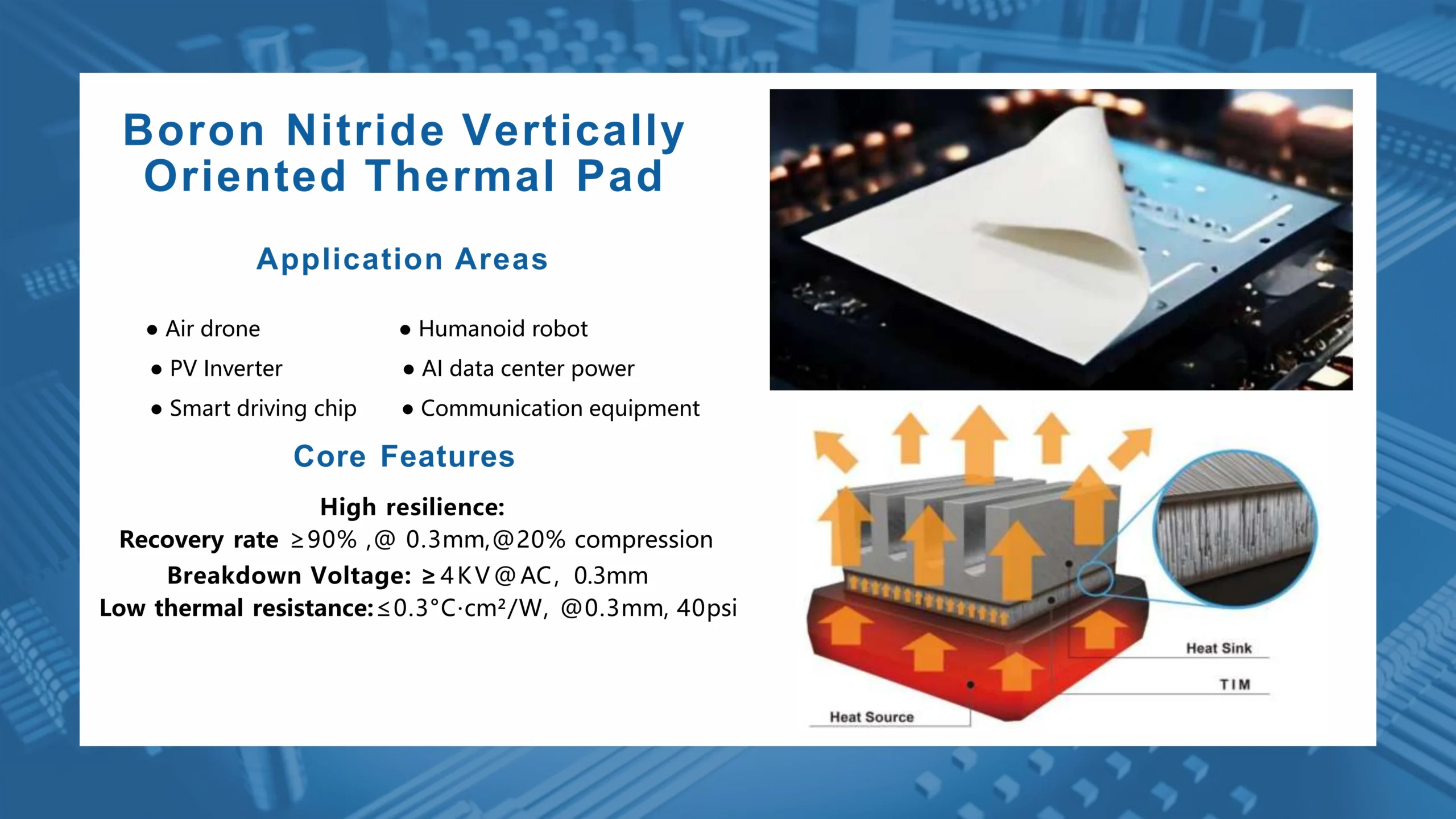
My observations are based on the market performance of boron nitride thermal pads.
Although thermally conductive materials with an oriented boron nitride structure are not yet widely used, I predict that in the near future, they will become standard components in semiconductor thermal management systems and gradually replace all current spherical alumina-based thermal interface materials.
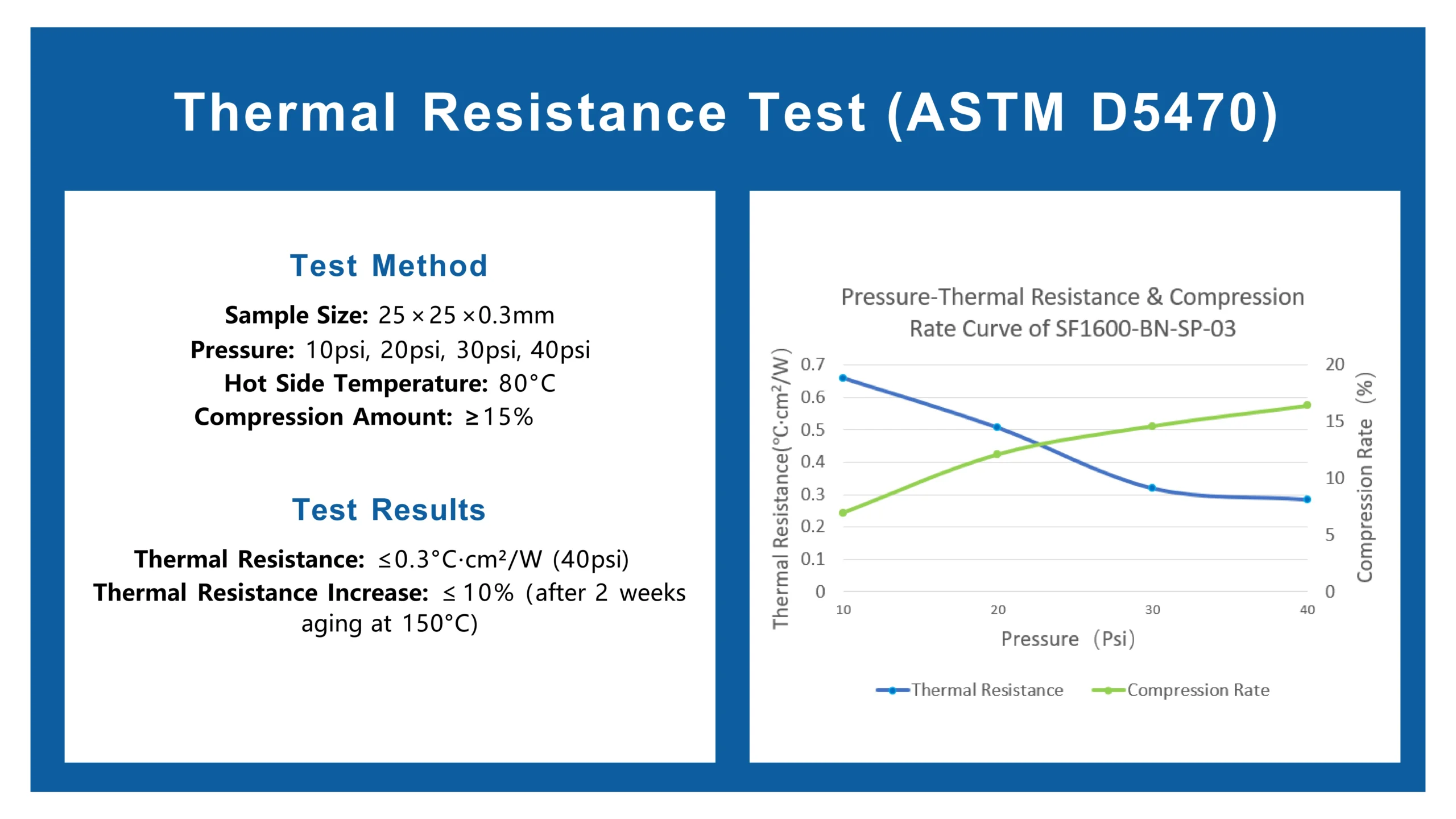
The test data results are excellent
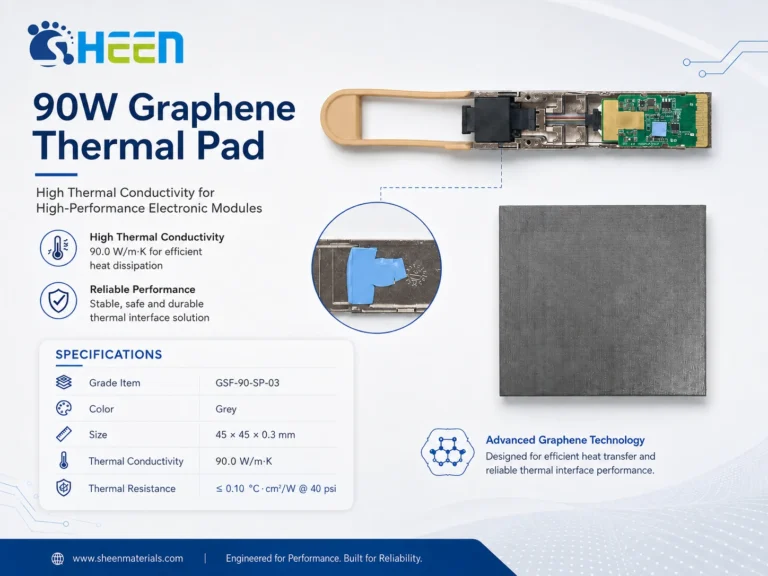
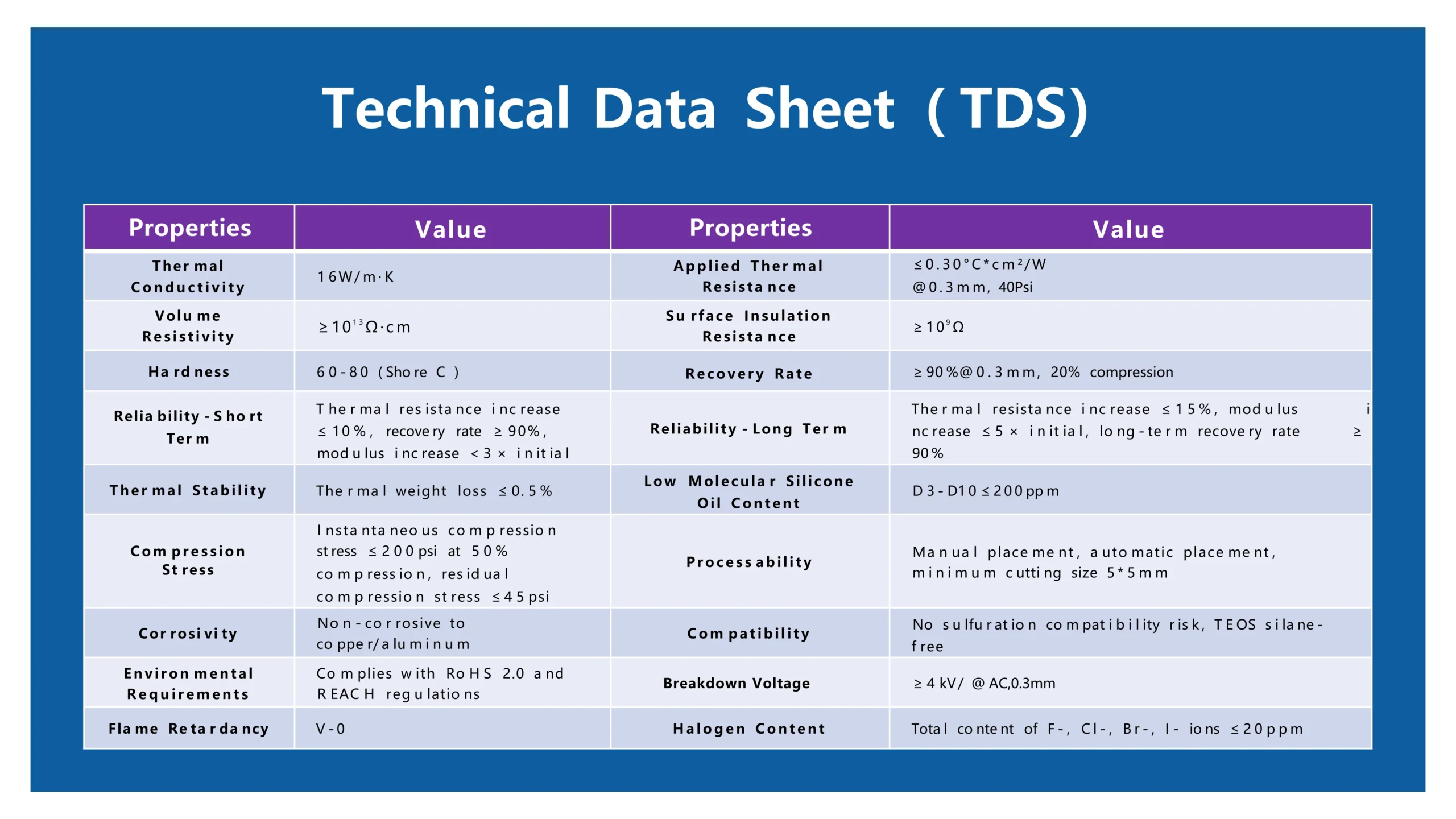
In terms of performance, electrically insulating thermal interface materials represent the mainstream market demand; notably, boron nitride-based materials achieve a thermal conductivity of 20 W/m·K at a 58% volume fraction—a figure that leads the entire market.
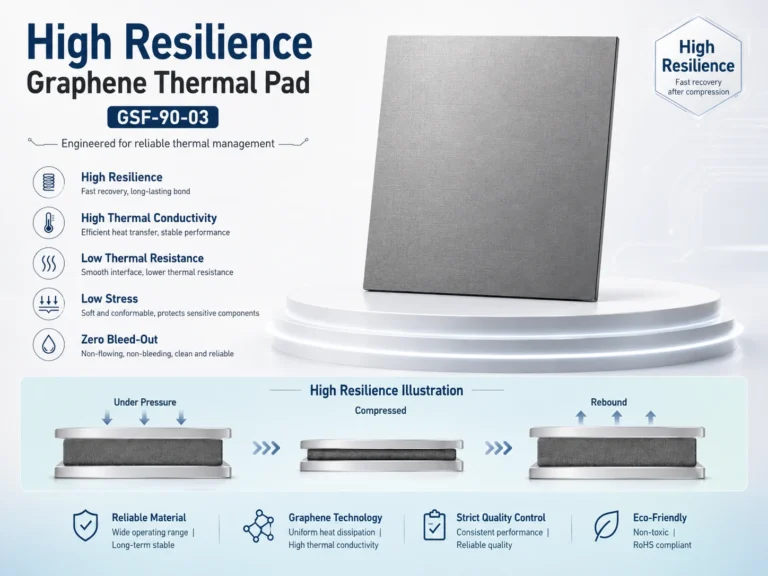
Boron nitride thermal pads not only offer high thermal conductivity but also demonstrate superior apparent thermal resistance compared to other non-PCM (Phase Change Material) systems.
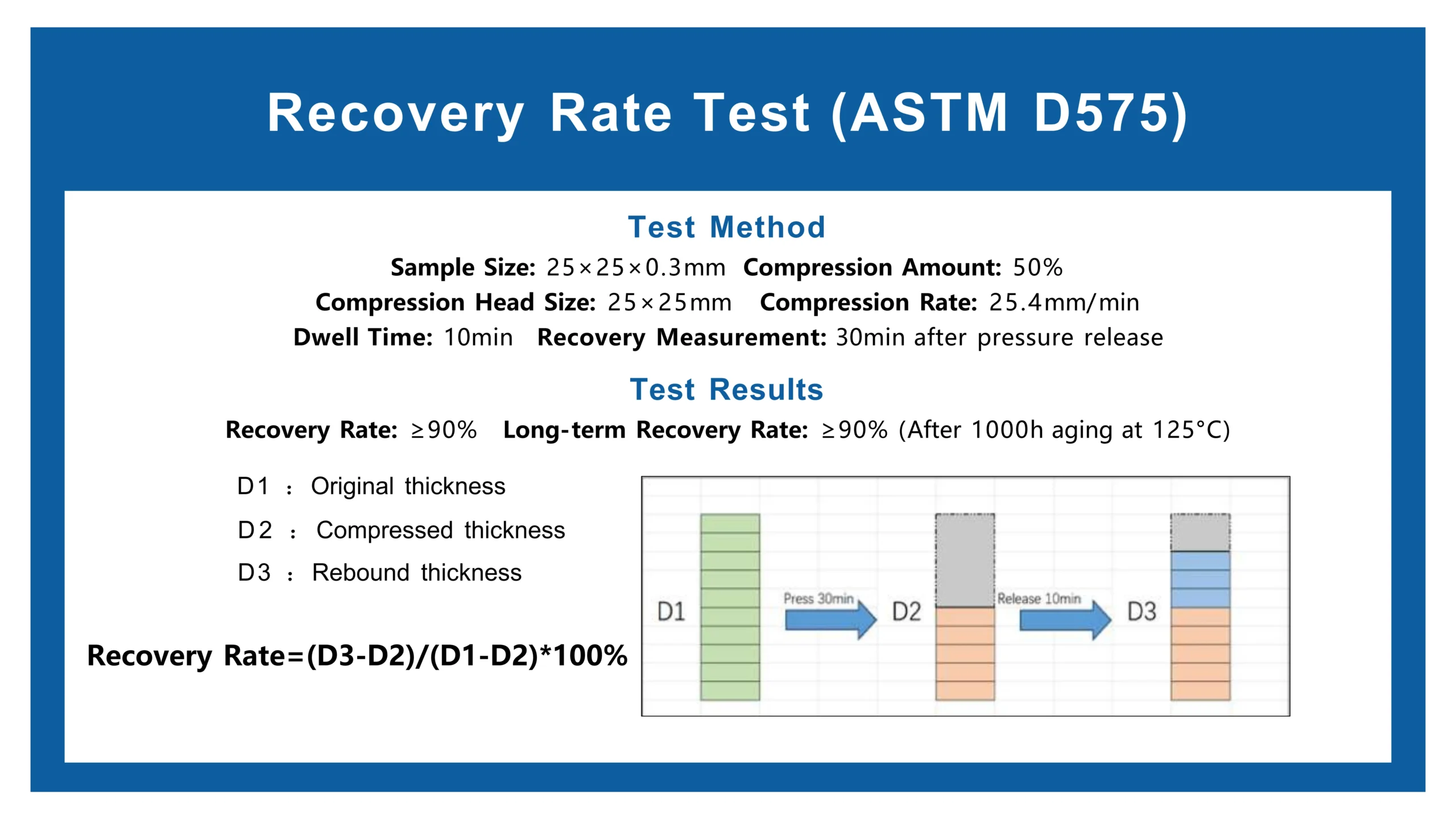
Furthermore, these boron nitride materials overcome long-standing industry challenges such as “pump-out,” dry-out, and poor heat resistance. They also exhibit exceptional longevity, showing no performance degradation over 2,000 cycles in thermal power gradient shock tests.
Even after undergoing thermal aging tests at 150°C for 1,000 hours, the thermal conductivity of these boron nitride materials remains undiminished. They are also unrivaled in terms of flexibility, electrical insulation, and low dielectric loss.
These outstanding performance characteristics have been confirmed not only in Sheen Materials’ own experiments but also through testing by leading manufacturers; feedback has been positive, showing significant temperature benefits that align with test data, with no critical defects identified to date.
There is immense potential for performance improvement.
In terms of potential, boron nitride boasts an in-plane thermal conductivity of 200–400 W/m·K, leaving significant room for further advancement; its thermal resistance performance can surpass that of thermal grease and phase-change materials (PCM). Moreover, driven by industrial development, the performance of boron nitride powder has the potential for further improvement.
In terms of material properties, boron nitride is a rare example of an insulating material with high thermal conductivity. While alternatives like aluminum nitride and diamond are more expensive, the cubic structure of boron nitride causes a particle interlocking effect that leads to an uncontrollable increase in composite hardness, thereby limiting its practical application.
Regarding costs, although boron nitride is currently 5–10 times the price of aluminum oxide, its low density and low usage requirements mean that raw material costs can be brought down to a comparable level.
Of course, there are obstacles to widespread adoption.
First, without confirmed orders, no one dares to rashly invest in production capacity; yet without capacity, it is difficult to secure orders. It is a classic “chicken-and-egg” dilemma—success depends on who can outlast the other.
Second, many enterprises lack specialized processing equipment for boron nitride. Without industrial demand, equipment manufacturers have no incentive to develop such machinery. As it stands, the equipment I currently use is somewhat ill-suited for the task; efficiency and output are low, which in turn limits product performance.
The views expressed above are solely those of Kevin, a staff member at SHEEN, and do not represent the company’s position.