How to Improve Lab Heat Dissipation Using Boron Nitride Thermal Pads
Heat is wrecking your lab results, plain and simple. Boron Nitride Thermal Pad Heat dissipation solutions for laboratory equipment step in where standard pads fall short, cutting hotspots and calming unstable readings before small issues snowball into costly downtime.
Built for real-world setups, it installs fast, scales cleanly, and keeps performance steady daily.

Boron Nitride Thermal Pad: Heat dissipation solutions for laboratory equipment
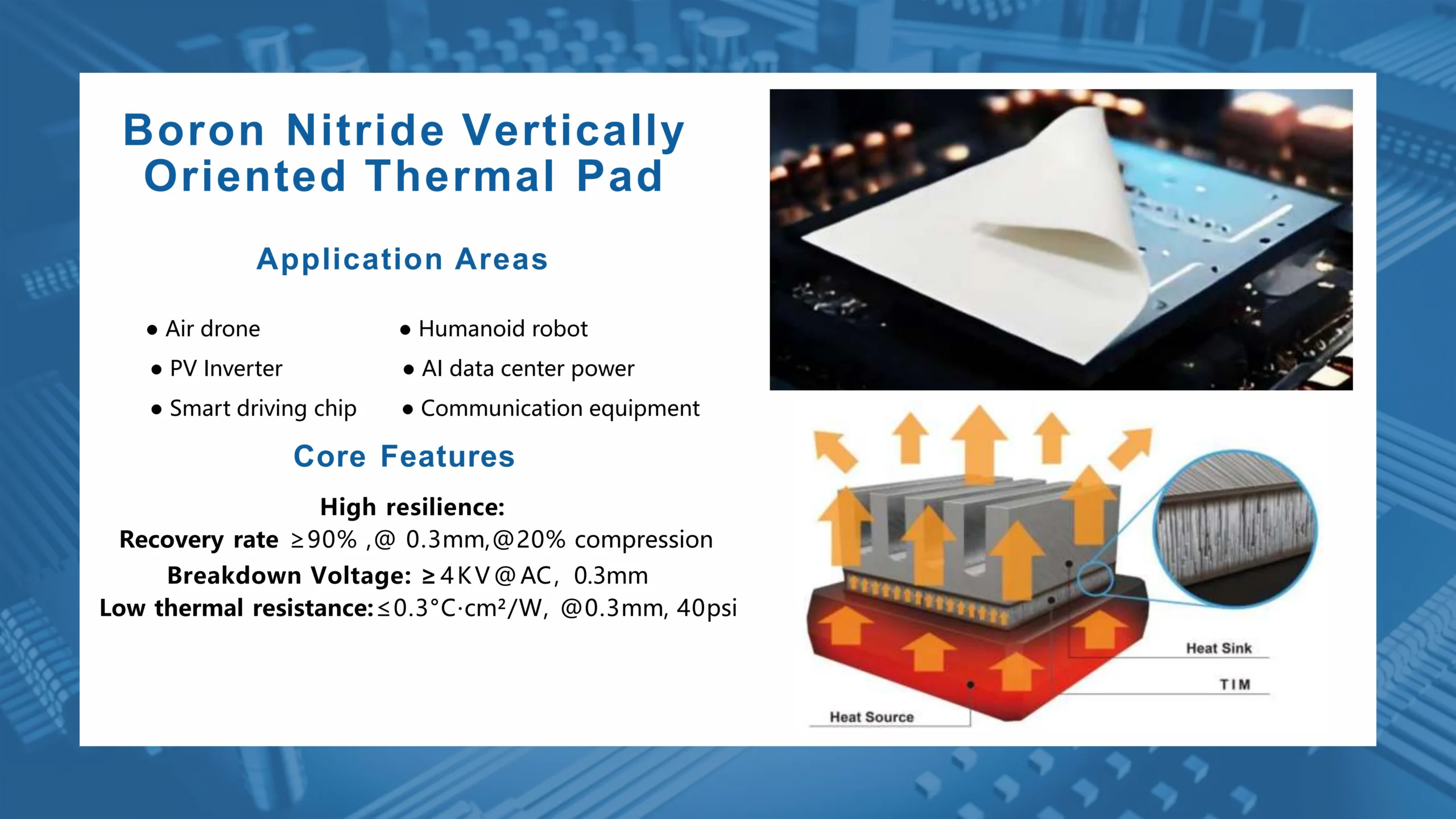
- Enhanced Conductivity: High-purity BN sheets with aligned fillers drive rapid heat transfer from hotspots to sinks.
- Impedance Reduction: Precision die-cut shapes eliminate air gaps, improving interface contact and lowering thermal impedance.
- Stable Accuracy: Consistent thermal management and electrical insulation maintain precise readings in analytical instruments.
- Versatile Applications: Ideal for high-power devices, sensitive lab gear, and power electronics, ensuring reliable cooling and long-term performance.
How BN Pads achieve 20°C Lab Temperature Drop
Lab cooling doesn’t need to feel like guesswork. With smart use of Boron Nitride Thermal Pad heat-dissipation solutions for laboratory equipment, heat is managed cleanly, quickly, and predictably—even under tight operating tolerances.
Optimizing Thermal Conductivity of Boron Nitride Sheets
Dialing in 窒化ホウ素 performance starts with how the sheet is built and handled in real setups using Boron Nitride Thermal Pad heat dissipation solutions for laboratory equipment.
- より高い filler concentration boosts 熱伝導率, but only when dispersion stays even
- について 製造工程 shapes internal pathways that guide ヒートフロー efficiently
- Fine-tuned sheet properties prevent bottlenecks between heat source and sink
Short view: better alignment = faster heat escape.
Longer view: when 材料の最適化 is done right, heat doesn’t linger—it moves, spreads, and exits before it can destabilize readings.
Sheen Materials pushes this balance carefully, making sure conductivity gains don’t mess with flexibility or insulation.
Reducing Thermal Impedance with Die-Cut Configurations
Clean contact beats raw power every time. With Boron Nitride Thermal Pad heat dissipation solutions for laboratory equipment, shaping matters as much as material.
1) Start with precise die-cut shapes
2) Match geometry to component layout
3) Apply even force for stable 圧力分布
4) Eliminate voids to reduce 熱抵抗
- より良い interface contact = lower 熱インピーダンス
- スマート configuration design avoids edge lifting
- タイト gap reduction prevents trapped air pockets
Quick note: even a tiny mismatch can spike 熱インピーダンス, slowing down heat transfer more than expected.
Sheen Materials keeps tolerances tight so contact stays consistent across repeated installations.
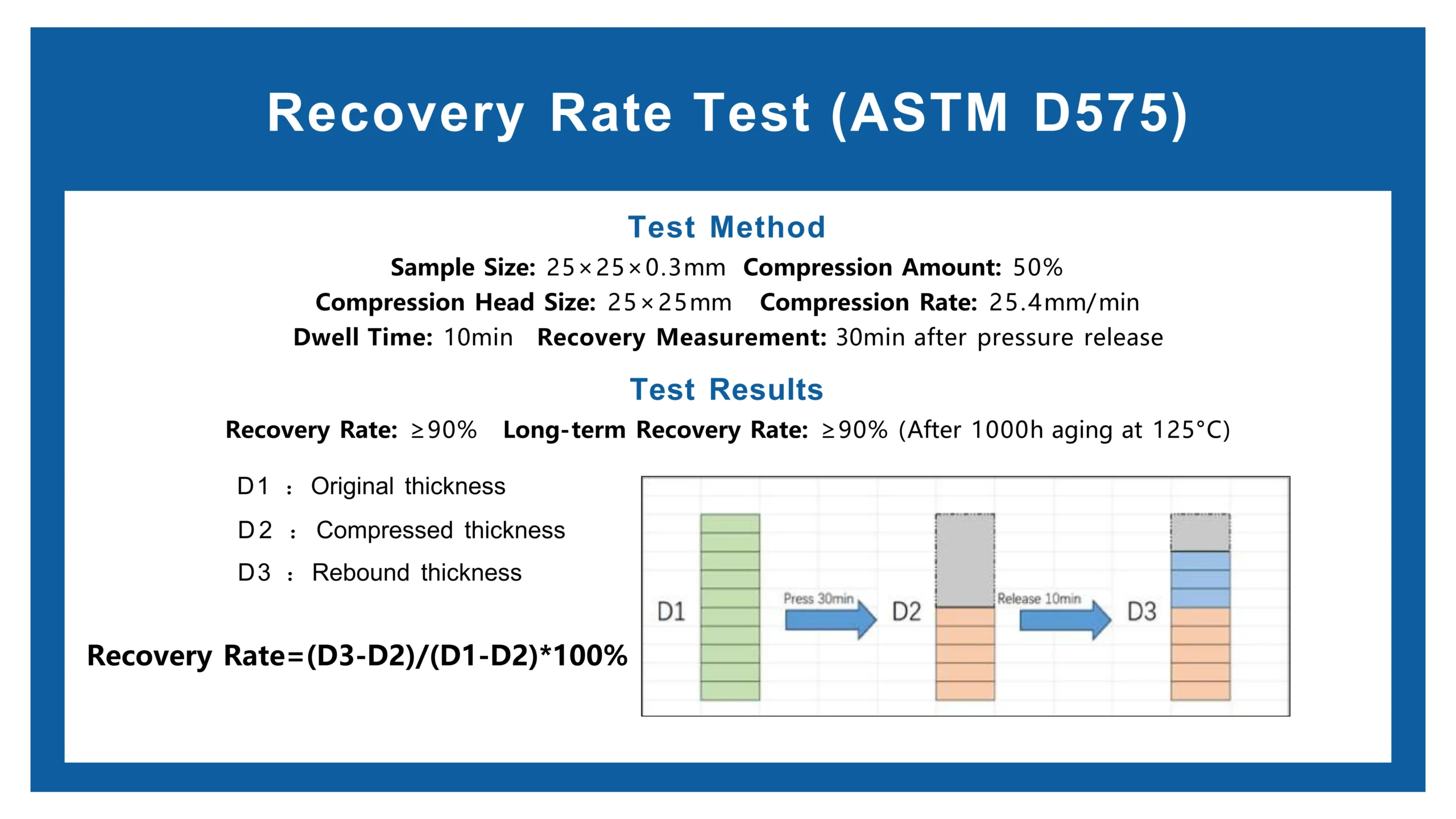
Ensuring Temperature Stability in Analytical Instruments
Keeping instruments steady isn’t just about cooling—it’s about control, especially with Boron Nitride Thermal Pad heat dissipation solutions for laboratory equipment in sensitive environments.
- Temperature stability supports repeatable results
- 安定 thermal control protects sensor accuracy
- コントロール heat load prevents drift during long runs
Now, breaking it down deeper:
- System layer
- Maintain steady environmental conditions
- Reduce external thermal fluctuation
- Interface layer
- Use pads to isolate and guide heat
- Preserve instrument precision
- Calibration layer
- Align with calibration procedures
- Ensure readings stay trustworthy over time
In practice, Boron Nitride Thermal Pad heat dissipation solutions for laboratory equipment act like a quiet stabilizer—no noise, no drama, just consistent performance.
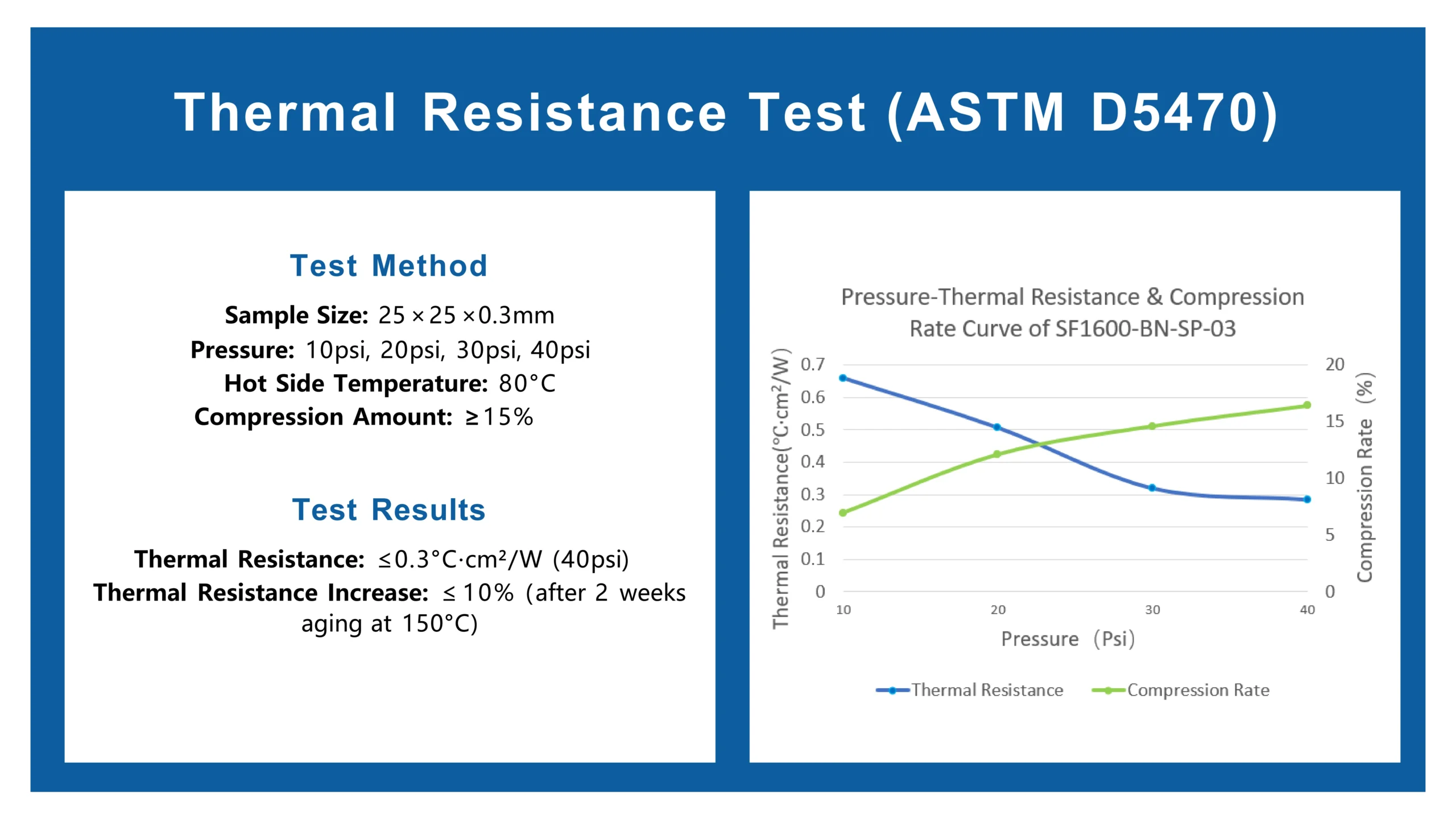
Which Lab Setups Need Thermal Pad Solutions?
Lab setups get hot fast, and not in a good way. From heavy-duty rigs to delicate sensors, uneven heat can quietly mess with results or fry parts. That’s where Boron Nitride Thermal Pad Heat dissipation solutions for laboratory equipment start pulling their weight, keeping temps steady without complicating the setup.
High-Power Devices in Research Facilities
いつ high-power devices run inside research facilities, heat builds up quickly and doesn’t leave politely. It lingers, stressing laboratory equipment and shortening lifespan.
- Key heat sources:
- パワーアンプ
- Laser systems
- Vacuum chambers
To manage this:
- Identify peak heat zones near cooling systems
- Insert サーマルパッド with high conductivity
- Reinforce 放熱 paths using boron nitride layers
Within this setup:
- Boron Nitride Thermal Pad Heat dissipation solutions for laboratory equipment reduce thermal resistance
- They stabilize output under continuous load
- They prevent micro-expansion damage in metal interfaces
シーン・マテリアル provides pads that slot in without redesigning hardware, which is honestly a relief for overstretched lab teams.
“Thermal interface materials are becoming critical in high-density research environments where heat flux exceeds traditional cooling capacity.” — 2025 report, International Thermal Management Consortium
Sensitive Analytical Instruments Prone to Hot Spots
Precision tools hate temperature swings. Even minor hot spots can throw off precision measurement results.
Consider this flow:
- Detection → localized heating → signal drift → flawed data
To counter that:
- Use compliant サーマルパッド
- Spread heat across surfaces
- Maintain tight 温度調節
Short bursts of heat? Still risky. Analytical instruments need consistency, not just cooling.
Boron Nitride Thermal Pad: Heat dissipation solutions for laboratory equipment shine here by smoothing micro-temperature gradients. The material’s structure helps distribute heat evenly, protecting sensitive equipment from silent errors.
Power Electronics within Scientific Apparatus
Inside scientific apparatus, パワーエレクトロニクス handle energy conversion, and they run hot under pressure.
Breakdown path if unmanaged:
- Heat buildup → insulation stress → component fatigue → failure
Mitigation steps:
- 応募する サーマルパッド between chips and heat sinks
- Enhance 熱伝導 across uneven surfaces
- Maintain electrical isolation while improving 放熱
Nested approach:
- Core layer: boron nitride interface
- improves conductivity
- resists breakdown
- Outer layer:
- supports 電子部品
- stabilizes operating temps
With Boron Nitride Thermal Pad Heat dissipation solutions for laboratory equipment, systems stay reliable longer. シーン・マテリアル integrates these into compact designs, helping labs avoid bulky cooling add-ons while keeping performance sharp.
4 Steps To Apply Thermal Pad Solutions
Getting Boron Nitride Thermal Pad heat dissipation solutions for laboratory equipment right isn’t just lab talk—it’s what keeps instruments stable, safe, and running longer without weird thermal drift or failure spikes.
Step 1: Surface Prep for Optimal Dielectric Strength
A clean substrate sets the tone. Tiny contaminants—oil films, dust, or residue—can quietly wreck adhesion and even lower 電気絶縁 パフォーマンスだ。.
- Wipe with isopropyl alcohol to reduce surface roughness inconsistencies
- Inspect for micro-particles that trigger dielectric breakdown
- Dry fully before placing any Boron Nitride Thermal Pad layer
Short passes matter. A rushed wipe leaves streaks. A careful prep boosts both bonding and heat flow.
“Surface contamination remains a leading factor in interface failure across electronics cooling systems,” noted a 2025 IPC materials reliability brief.
For Boron Nitride pad heat dissipation setups, smoother contact equals fewer thermal surprises.
Step 2: Selecting Thickness by Thermal Resistance Needs
Thickness isn’t guesswork—it’s a trade-off between 熱抵抗 and compression.
- Thin pads → better 熱伝導, lower resistance
- Thick pads → stronger 隙間埋め, better surface conformity
- Balanced choice → optimized 熱性能 under real interface pressure
A Boron Nitride Thermal Pad used in lab gear often deals with uneven housings. Too thin, and air gaps sneak in. Too thick, and conductivity drops.
Sheen Materials recommends matching pad thickness to measured tolerances rather than spec-sheet assumptions. That small tweak often stabilizes temperature swings in precision instruments.
Step 3: Laminating Custom Configurations with Adhesive Backing
Complex lab assemblies rarely fit standard shapes. That’s where lamination そして custom shapes come into play.
- 応募する pressure-sensitive adhesive evenly
- Align layers during assembly to avoid trapped air
- Use controlled pressure to improve bonding を越えて 接着剤層
Custom Boron Nitride pad heat dissipation layouts can wrap around sensors or tight enclosures. Sheen Materials offers adhesive-backed options that simplify this without messy secondary fixing.
Quick note: uneven pressure during lamination leads to micro-gaps—small issue, big thermal penalty.
Step 4: Verifying Long-Term Stability under Thermal Cycling
Lab environments don’t stay still. Repeated 熱サイクル pushes materials toward aging そして 材料劣化.
- Track temperature fluctuations across cycles
- Monitor 機械的応力 from expansion mismatch
- Run performance testing for conductivity retention
A solid Boron Nitride Thermal Pad should hold its shape and function after hundreds of cycles. If conductivity drops or compression weakens, reliability slips fast.
Sheen Materials focuses on 長期信頼性, ensuring pads keep consistent thermal paths even after extended operation in demanding lab conditions.
Boron Nitride Vs. Silicone Thermal Pads
Keeping lab gear cool isn’t just nice—it keeps results stable and equipment alive longer. When comparing pad types, choices often land between 窒化ホウ素-based options and シリコーン alternatives, especially for Boron Nitride Thermal Pad Heat dissipation solutions for laboratory equipment.
窒化ホウ素サーマルパッド
When heat loads spike and precision matters, 窒化ホウ素 stands out. Its 熱伝導率 pushes heat away fast while maintaining 電気絶縁, a combo that fits sensitive lab equipment.
- Core advantages
- 高い 熱伝導 効率
- 強い 化学的不活性
- 信頼できる high temperature stability
Now, how Boron Nitride Thermal Pad Heat dissipation solutions for laboratory equipment actually play out in use:
- Contact layer adapts to uneven chip surfaces
- Heat spreads laterally through ceramic structure
- Energy dissipates into sinks or chassis
Nested breakdown of performance:
- Material behavior
- Thermal management consistency
- Minimal degradation over cycles
- Stable under pressure
- 電気安全
- No short risk in dense circuits
- Thermal management consistency
Short snapshots:
Fast cooling. Low drift. Clean performance.
For labs pushing continuous workloads, Boron Nitride Thermal Pad Heat dissipation solutions for laboratory equipment deliver repeatable cooling without fuss. Sheen Materials offers variants tuned for tight tolerances, where even slight thermal shifts matter.
シリコーンサーマルパッド
シリコーン pads feel softer, literally. Their 柔軟性 そして 適合性 help fill gaps, making them easy to install across uneven surfaces.
• Key traits
- 高い softness
- グッド 電気絶縁
- 中程度 放熱
Step-by-step behavior in real setups:
- Compression improves surface contact
- Air gaps shrink
- Heat flows, though slower than ceramic-filled pads
Layered comparison view:
- Mechanical strengths
- Easy fit
- Handles vibration
- Reduces mounting stress
- Easy fit
- Material limits
- より低い 熱伝導率
- Heat builds faster under load
- より低い 熱伝導率
Quick takes:
Affordable. Adaptable. Slightly slower cooling.
For lighter-duty Boron Nitride Thermal Pad Heat dissipation solutions for laboratory equipment alternatives, silicone still gets the job done. Yet, when performance climbs, Sheen Materials often sees users switch back to Boron Nitride Thermal Pad Heat dissipation solutions for laboratory equipment for that extra cooling edge.
Equipment Overheating? Try Boron Nitride Solutions
Lab gear heats up fast, and nobody likes unstable readings or fried components. Smart Boron Nitride thermal pad heat dissipation solutions for laboratory equipment keep things cool, steady, and running longer.
Combating Heat Buildup in Laboratory Equipment
Heat creeps in quietly, then suddenly performance drops. With laboratory equipment under constant load, tackling heat buildup becomes part of daily survival.
- Core cooling flow:
- Contact layer forms using a boron nitride thermal pad
- Tight surface fit improves thermal management systems
- Minimizes air gaps that trap heat
- Heat spreads outward
- Supports cooling strategies across sensitive zones
- Reduces hotspots tied to 過熱防止
- Stable release
- Protects instrument performance
- Extends device longevity
- Contact layer forms using a boron nitride thermal pad
Short bursts of heat? Handled. Long cycles? Still stable. That’s where Boron Nitride Thermal Pad Heat dissipation solutions for laboratory equipment really show their edge. Sheen Materials keeps designs practical, not overcomplicated.
Enhancing Heat Transfer via High Thermal Conductivity
When heat moves fast, systems stay efficient. That’s the whole game.
- Material advantage
- boron nitride pads provide high thermal conductivity
- built for serious heat transfer enhancement
- Path optimization
- structured thermal pathways reduce resistance
- 向上する heat dissipation efficiency between components and sinks
- Application layer
- works as advanced 熱界面材料
- grounded in real material science, not guesswork
Some setups demand consistency more than raw power. Others need both. Either way, Boron Nitride thermal pad heat dissipation solutions for laboratory equipment keep heat moving instead of lingering.
Achieving Reliability with Electrical Insulation
Cooling alone isn’t enough; electricity needs boundaries too.
- Dual protection system:
- サーマルサイド
- maintains separation without blocking heat flow
- 電気側
- delivers strong 電気絶縁 そして dielectric properties
- Barrier formation
- prevents current leakage
- strengthens electronic safety
- サーマルサイド
    1.  Stability over time

    *   supports long-term **equipment reliability**

    *   reinforces **component protection**
- Key effect
- clean thermal-electrical separation without trade-offs
In tight, sensitive builds, Boron Nitride Thermal Pad Heat dissipation solutions for laboratory equipment quietly do both jobs at once. Sheen Materials keeps that balance dialed in so systems don’t just run—they last.
High-Power LED: Boron Nitride Pad Cooling
High-power LEDs run hot, no surprise there. Getting steady cooling with Boron Nitride thermal pad setups keeps lab gear stable and long-lasting. This guide walks through practical Boron NitrideThermal Pad Heat dissipation solutions for laboratory equipment without overcomplicating things.
Matching Pad Flexibility to LED Surface Topography
- Core goal: improve pad flexibility against tricky LED surface conditions
- Surface realities
- 1.1 Uneven surface topography
- micro pits reduce 接触面積
- rigid pads leave air gaps
- 1.2 Impact on サーマルインターフェース
- poor conformity raises resistance
- heat bottlenecks form fast
- 1.1 Uneven surface topography
- Material response
- 2.1 Flexible BN layers
- adapt to contours
- improve 熱伝導 consistency
- 2.2 Compression behavior
- slight give ensures full seating
- avoids edge lifting
- 2.1 Flexible BN layers
- Practical tuning for Boron Nitride Thermal Pad Heat dissipation solutions for laboratory equipment
- adjust thickness based on LED flatness
- test pressure range, not just specs
- verify imprint patterns after mounting
Using Sheen Materials here keeps consistency tight; their pads tend to balance softness and structure, which helps in real lab setups where surfaces aren’t perfect.
Balancing Thermal Conductivity and Compressibility
Dialing in 熱伝導率 そして 圧縮率 isn’t guesswork; it’s trade-offs guided by 材料特性 and real measurements.
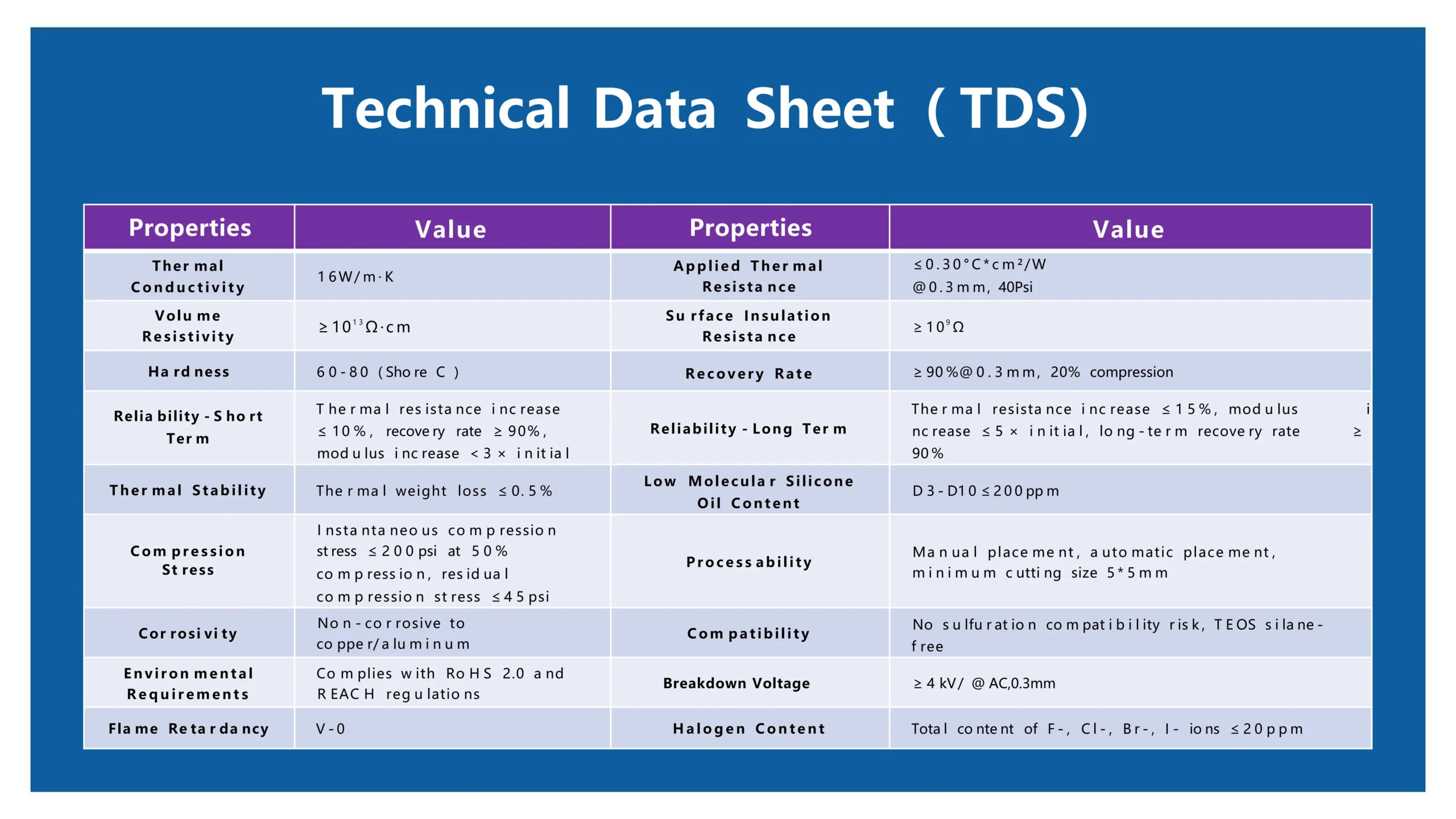
| BN Filler % | Conductivity (W/m·K) | Compressibility (%) | 熱抵抗 (°C-cm²/W) | Use Case |
|---|---|---|---|---|
| 30% | 1.5 | 35 | 0.45 | uneven gaps |
| 45% | 2.8 | 28 | 0.32 | general LED |
| 60% | 4.5 | 20 | 0.25 | flat modules |
| 70% | 6.0 | 15 | 0.21 | high power |
| 80% | 8.2 | 10 | 0.18 | precision labs |
Higher filler boosts 放熱, but lowers flexibility. That’s where 隙間埋め suffers if overdone. For Boron Nitride thermal pad heat dissipation solutions, aim for a middle zone unless your LED base is perfectly machined. It keeps パフォーマンス最適化 realistic instead of theoretical.
Also, Boron NitrideThermal Pad Heat dissipation solutions for laboratory equipment benefit from testing under actual clamp force, not just datasheet pressure.
Implementing Non-Adhesive Rolls for Easy Maintenance
- Why go non-adhesive? Less mess, faster swaps
Quick workflow:
- Cut thermal rolls to size
- Place without sticking—natural grip is enough
- Apply pressure evenly during installation
- Remove cleanly during maintenance
Benefits show up fast:
- easier installation そして removal cycles
- improved reusability of each 熱界面材料
- cleaner ハンドリング, no residue issues
For lab environments where downtime hurts, Boron Nitride Thermal Pad Heat dissipation solutions for laboratory equipment paired with non-adhesive formats just make life easier. Sheen Materials offers roll formats that technicians can trim on-site, which saves time and keeps thermal performance consistent without rework.